
Purchasing a used car represents a significant financial decision, often balancing immediate needs against long-term budgetary considerations. The landscape for acquiring a pre-owned vehicle has never been more diverse, offering a spectrum of options from traditional brick-and-mortar dealerships to sophisticated online marketplaces. For the financially savvy consumer, understanding where to look is merely the first step; the true art lies in leveraging these avenues to secure the best value, mitigate risks, and optimize the overall cost of ownership. This exploration delves into the financial imperatives behind choosing a used car, dissects the most effective hunting grounds, and outlines the critical financial due diligence necessary to transform a potential liability into a wise asset.
The Financial Imperative: Why Used Cars Make Sense
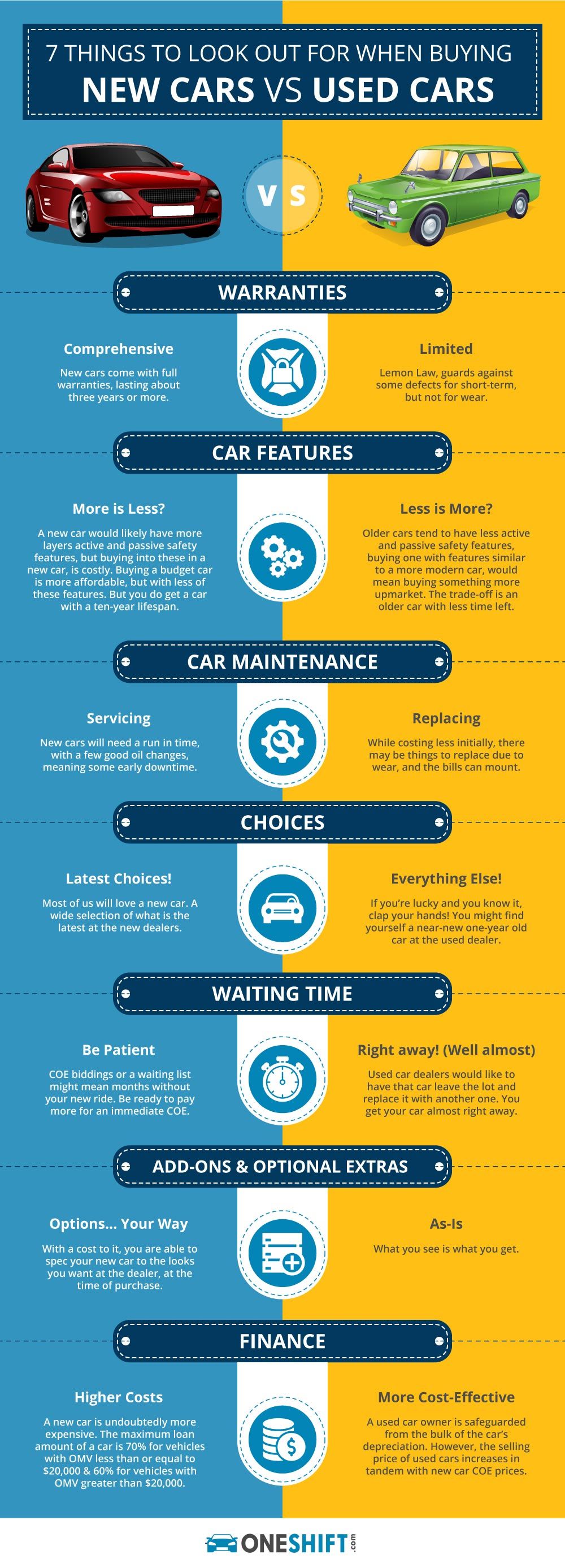
In the realm of personal finance, the decision to opt for a used car over a new one is often a cornerstone of prudent money management. The primary drivers behind this financial wisdom are rooted in the economics of vehicle depreciation, insurance costs, and the expanded choices available within a set budget.
Depreciation Advantage
Perhaps the most compelling financial argument for buying used is the depreciation advantage. New vehicles suffer their steepest depreciation in their first few years of ownership, often losing 20-30% of their value in the first year alone and up to 50% within three to five years. By purchasing a used car, you effectively bypass this initial, most aggressive period of value loss. The previous owner absorbs this substantial financial hit, allowing you to acquire a well-maintained vehicle at a significantly reduced price point. Your investment, while still subject to depreciation, will lose value at a much slower rate, offering a more stable asset valuation over your ownership period.
Lower Insurance Costs
Insurance premiums are directly correlated with a vehicle’s value. Since used cars, by definition, have a lower market value than their new counterparts, the cost to insure them is typically lower. This translates into tangible, ongoing savings that contribute significantly to the total cost of ownership. Over the lifespan of your loan or ownership, these reduced premiums can add up to hundreds, if not thousands, of dollars, freeing up funds for other financial priorities or unexpected expenses. It’s a subtle but powerful financial benefit that often goes overlooked in the excitement of a new purchase.
Wider Selection within Budget
For any given budget, the used car market offers a vastly broader array of choices than the new car market. A budget that might only afford a base model new car could open doors to a premium used sedan, a well-equipped SUV, or a luxury vehicle just a few years old. This expanded selection allows consumers to prioritize features, reliability, and desired brands without the financial strain often associated with new car prices. It empowers buyers to find a vehicle that perfectly aligns with their lifestyle and financial capabilities, rather than settling for a less-than-ideal new car to stay within budget.
Navigating the Digital Marketplaces: Online Avenues
The internet has revolutionized the used car market, providing unprecedented access to inventory and pricing data. Online platforms have become indispensable tools for the modern car buyer, offering transparency and convenience.
Dedicated Used Car Websites
Platforms like AutoTrader, Cars.com, and CarGurus serve as comprehensive aggregators of used car listings from both dealerships and private sellers. These sites offer robust search filters, allowing buyers to narrow down choices by make, model, year, mileage, price range, features, and location. Many also provide tools for loan calculations, estimated monthly payments, and even direct communication with sellers. Their strength lies in their expansive databases and the ability to compare multiple vehicles side-by-side, empowering buyers with data-driven financial decisions. CarGurus, for instance, emphasizes market analysis, ranking deals based on factors like price, mileage, and trim, offering a clear financial perspective on each listing.
Peer-to-Peer Platforms
For buyers seeking potentially lower prices by cutting out the dealer intermediary, Facebook Marketplace, Craigslist, and eBay Motors offer direct access to private sellers. While these platforms can yield excellent deals, they also come with increased financial risk. Transactions are typically “as-is,” with no warranties or guarantees, demanding a higher level of buyer vigilance. Financial prudence dictates that buyers on these platforms must invest in independent vehicle history reports and pre-purchase inspections to safeguard against undisclosed issues. The negotiation potential is often higher, but so is the responsibility for due diligence.
Manufacturer Certified Pre-Owned (CPO) Programs
Certified Pre-Owned (CPO) vehicles, typically found at new car dealerships, represent a middle ground between new and standard used cars. These vehicles undergo rigorous multi-point inspections by manufacturer-trained technicians, are reconditioned to specific standards, and come with manufacturer-backed extended warranties. While CPO vehicles generally command a higher price than non-CPO used cars, the added cost often provides significant financial peace of mind. The extended warranty mitigates future repair expenses, and the certification process reduces the risk of inheriting unforeseen mechanical problems, making it a financially sound choice for those prioritizing reliability and reduced long-term maintenance costs.
Traditional Routes with Modern Financial Considerations
Despite the dominance of online platforms, traditional car buying avenues remain relevant, often offering unique advantages for certain buyers.
Dealerships: New Car Dealerships with Used Inventory
New car dealerships often maintain extensive inventories of used vehicles, including trade-ins and off-lease cars. These establishments typically offer a professional sales environment, access to financing options through various lenders, and the convenience of handling trade-ins. While their prices might be higher due to overhead, they often provide limited warranties or return policies, offering a degree of financial protection not always available from private sellers. It’s crucial for buyers to research market prices independently to negotiate effectively and avoid overpaying.
Independent Used Car Lots
Independent used car lots specialize solely in pre-owned vehicles. They can offer a diverse selection, sometimes focusing on niche markets or specific price points. Prices at independent lots can vary widely; some offer competitive deals, while others may have less transparent pricing structures. The financial strategy here involves thorough research into the lot’s reputation and, crucially, securing an independent pre-purchase inspection for any vehicle of interest. Buyer beware is paramount, as the financial recourse might be limited compared to larger, more established dealerships.
Auctions: A High-Risk, High-Reward Strategy
Vehicle auctions (public, dealer-only, government, salvage) represent the ultimate high-risk, high-reward approach for acquiring a used car. Prices can be significantly lower than retail, offering the potential for substantial savings. However, buyers typically cannot test drive vehicles, and often only get a cursory visual inspection. Auctions are best suited for individuals with extensive mechanical knowledge or direct access to a trusted mechanic who can assess a vehicle’s condition rapidly. For the average consumer, the financial risk of purchasing a car with undisclosed major issues makes this avenue less advisable without expert guidance.
Essential Financial Due Diligence Before You Buy
Regardless of where you find your used car, meticulous financial due diligence is non-negotiable. These steps protect your investment and prevent costly surprises down the road.
Budgeting and Financing Your Purchase
Before even looking at cars, establish a clear budget. This isn’t just about the purchase price; it includes insurance, registration, potential repairs, and ongoing maintenance. If financing, secure pre-approval for a loan from your bank or credit union before stepping into a dealership. Pre-approval gives you a clear understanding of your interest rate and monthly payments, strengthening your negotiation position and preventing high-pressure tactics in the finance office. Focus on the total cost of the loan over its term, not just the monthly payment.
Vehicle History Reports (CarFax, AutoCheck)
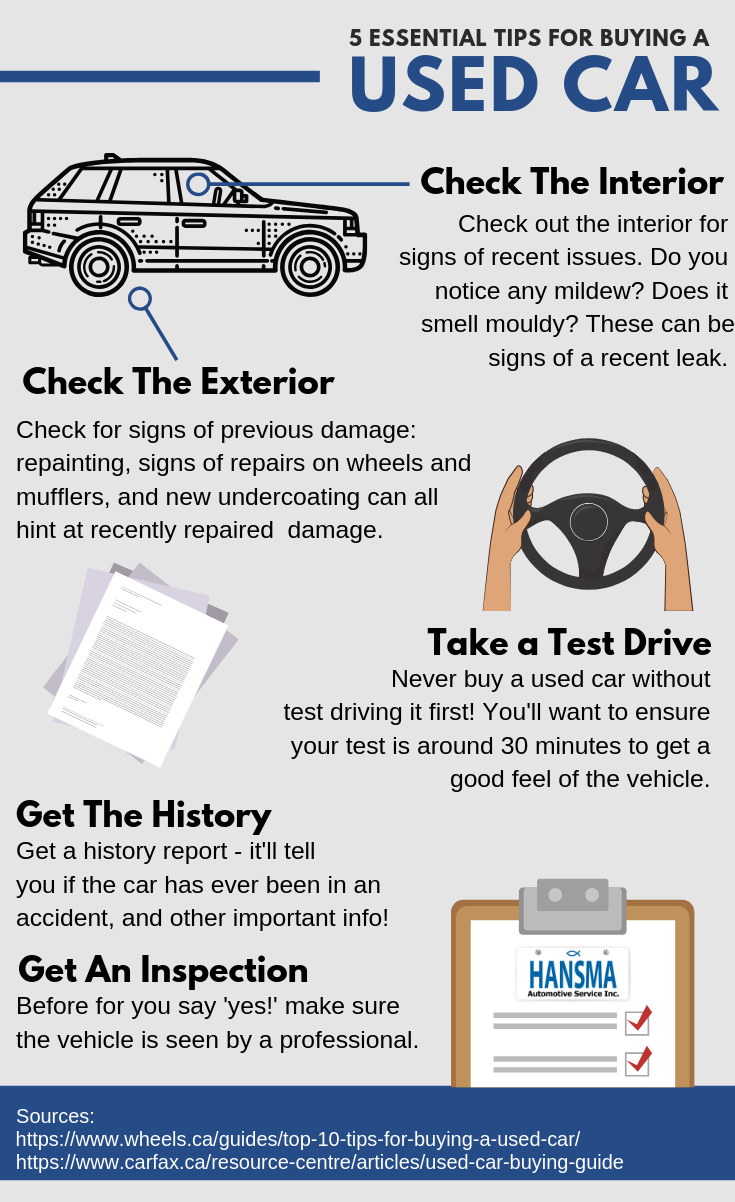
Investing in a vehicle history report from services like CarFax or AutoCheck is a small expense that provides invaluable financial protection. These reports reveal critical information such as accident history, salvage titles, flood damage, odometer tampering, previous owners, and service records. A clean report enhances confidence in your purchase; a problematic one can save you from a financially ruinous acquisition. Do not rely solely on the seller’s word; verify the vehicle’s past independently.
Pre-Purchase Inspections (PPI)
A pre-purchase inspection (PPI) by an independent, certified mechanic is perhaps the single most important financial safeguard when buying a used car. For a modest fee, a mechanic will thoroughly inspect the vehicle for mechanical issues, structural damage, and potential problems that might not be visible to the untrained eye. A PPI can uncover deficiencies that could cost thousands of dollars in repairs post-purchase, ultimately saving you significant financial distress and confirming the vehicle’s true condition. Insist on a PPI for any used car you are seriously considering, regardless of the seller’s assurances.
Smart Negotiation and Closing the Deal
The final stage of acquiring a used car involves strategic negotiation and a careful review of the closing documents, ensuring your financial interests are protected.
Pricing Research and Benchmarking
Arm yourself with knowledge of fair market value. Utilize resources like Kelley Blue Book (KBB), NADAguides, and Edmunds to research what similar cars in comparable condition are selling for in your area. This benchmark data is your most potent weapon in negotiation, allowing you to confidently counter inflated prices and justify your offers based on objective market analysis.
Understanding Total Cost of Ownership (TCO)
Beyond the initial purchase price, a financially astute buyer considers the Total Cost of Ownership (TCO). This includes fuel efficiency (MPG), expected insurance costs, anticipated maintenance expenses, and the vehicle’s projected depreciation over your ownership period. Researching these factors for specific models helps you choose a vehicle that aligns with your long-term financial goals, rather than just satisfying a short-term price point. A lower initial price may be offset by higher fuel consumption or expensive parts.

The Importance of a Sales Contract
Before signing anything, meticulously read and understand every clause of the sales contract. Verify that the purchase price, any trade-in value, warranties (if applicable), and all fees are accurately reflected. Ensure that any verbal agreements, particularly regarding repairs or inclusions, are explicitly written into the contract. Beware of hidden fees or “add-ons” that inflate the final price. A sales contract is a legally binding financial document; ensure it fully protects your interests and accurately reflects the agreed-upon terms to avoid post-purchase financial disputes.
aViewFromTheCave is a participant in the Amazon Services LLC Associates Program, an affiliate advertising program designed to provide a means for sites to earn advertising fees by advertising and linking to Amazon.com. Amazon, the Amazon logo, AmazonSupply, and the AmazonSupply logo are trademarks of Amazon.com, Inc. or its affiliates. As an Amazon Associate we earn affiliate commissions from qualifying purchases.