
Tax season is often viewed through a lens of apprehension, a period of administrative hurdle that stands between a taxpayer and their financial peace of mind. However, the question of “where do I do my taxes” is more than just a logistical query; it is a fundamental decision in personal finance management. The platform or professional you choose can significantly influence your tax liability, the speed of your refund, and your overall financial health.
In the modern financial ecosystem, the options for filing have expanded beyond the traditional kitchen table and paper forms. Today, taxpayers must choose between sophisticated software, professional certified public accountants (CPAs), and community-based free services. Selecting the right “where” requires a deep dive into your own financial complexity, your budget, and your long-term wealth goals.
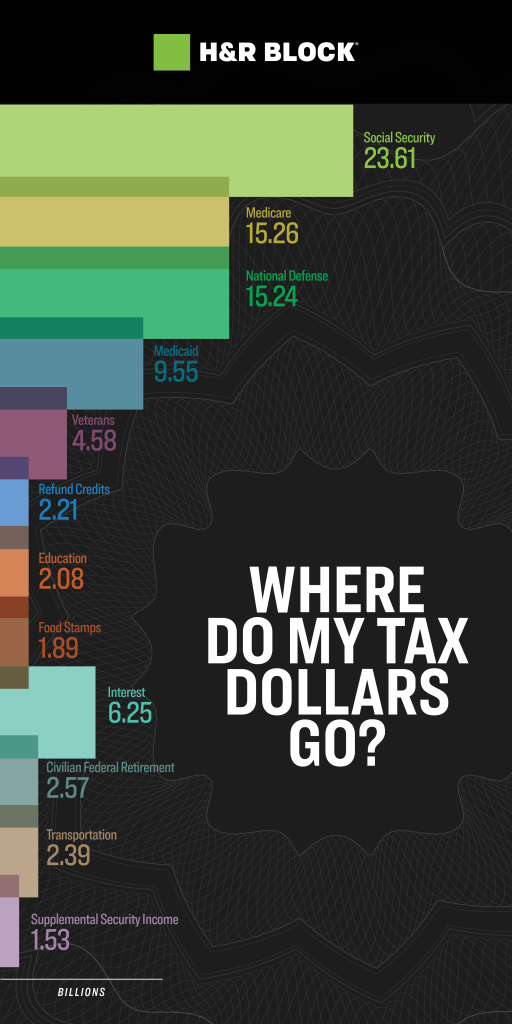
Understanding the Landscape of Tax Preparation Services
The evolution of personal finance has turned tax preparation into a multi-billion dollar industry, offering a spectrum of services tailored to different income levels and financial needs. Understanding these categories is the first step in determining where you should entrust your sensitive financial data.
The DIY Approach with Financial Software
For a vast majority of individual taxpayers, digital tax preparation software has become the standard. These platforms use interview-style interfaces to guide users through the tax code, translating complex laws into simple questions. From a money-management perspective, these tools are highly efficient for those with standard W-2 income, basic interest earnings, and common deductions like student loan interest or mortgage points.
The primary advantage of using these digital tools is the immediate feedback on your financial standing. Most software provides real-time updates on your refund or balance due as you input information, allowing for a better understanding of how different financial moves—such as contributing to a traditional IRA—affect your bottom line.
Professional Tax Preparers and CPAs
As your financial life grows in complexity, the “where” often shifts from a computer screen to a professional office. Enrolled agents and CPAs provide a level of strategic oversight that software cannot replicate. If you own a business, manage multiple rental properties, or have complex investment portfolios involving K-1s and capital gains, a professional is often a necessary investment.
From a financial strategy standpoint, a CPA does more than just “do” your taxes; they provide year-round advisory services. They can help with tax loss harvesting, retirement planning, and structuring business expenses to minimize tax drag on your net worth.
Low-Cost and Free Filing Programs
For many, the cost of filing taxes can be a financial burden in itself. Fortunately, the financial industry and the government offer several avenues for free filing. The IRS Free File program is a public-private partnership that allows taxpayers under a certain income threshold to use brand-name software at no cost. Additionally, programs like the Volunteer Income Tax Assistance (VITA) provide free tax help to people who generally make $64,000 or less, persons with disabilities, and limited English-speaking taxpayers. Choosing these options is a savvy financial move for those looking to preserve every dollar of their refund.
Maximizing Your Return: Choosing the Right “Where” for Your Financial Situation
The decision of where to do your taxes should be a calculated move based on the Return on Investment (ROI). If you spend $500 on a CPA but they find $2,000 in deductions that software would have missed, your “where” has yielded a 300% return.
Simple Returns vs. Complex Financial Portfolios
If your financial life is streamlined—meaning you have a single source of income and take the standard deduction—expensive professional services may not be necessary. In this scenario, the most financially sound “where” is likely a basic online filing tool or the IRS Direct File system (where available). The goal here is to minimize the cost of compliance.
Conversely, if you are an active investor or a high-net-worth individual, the “where” must be an environment capable of handling nuanced financial instruments. The tax implications of wash sales, crypto-asset transactions, and foreign bank accounts require a sophisticated approach that prioritizes accuracy over a low filing fee.

The Impact of Business Ownership and Side Hustles
The rise of the gig economy has complicated the tax lives of millions. If you earn income through freelance platforms or run a small business, where you do your taxes becomes a critical business decision. You are no longer just filing a return; you are managing a P&L (Profit and Loss) statement.
For business owners, the ideal “where” is a platform or professional that integrates with their accounting software. This allows for seamless data migration, ensuring that every deductible business expense—from home office square footage to professional development costs—is accounted for. Failing to use a professional-grade solution in this context often leads to overpaying self-employment taxes.
Considering Long-Term Wealth Management
Tax filing is not just a backward-looking activity; it is a forward-looking financial planning tool. When deciding where to do your taxes, consider whether the service provides “what-if” scenarios. Financial tools that allow you to model future tax years based on potential changes in income or legislation are invaluable for long-term wealth accumulation. This strategic foresight is why many choose to remain with a consistent professional or a high-tier software subscription that maintains a multi-year financial history.
Digital Financial Tools and the Integration of Tax Ecosystems
In the current era of “FinTech,” the question of “where” is increasingly answered by the ecosystem of apps and accounts you already use. Integration is the new frontier of personal finance, reducing manual entry errors and providing a holistic view of one’s financial obligations.
Banking and Investment Platform Integrations
Many modern banks and investment brokerages now partner with tax filing services. This allows for the automatic import of 1099-INT, 1099-DIV, and 1099-B forms directly into your tax return. When you choose a filing location that talks to your investment accounts, you reduce the risk of clerical errors that could trigger an IRS audit. Financially, this efficiency ensures that your cost-basis reporting is accurate, preventing you from paying more in capital gains tax than is legally required.
Cloud-Based Document Management for Year-Round Readiness
The most successful financial managers don’t just think about where to do their taxes in April; they think about where they store their financial data all year. Utilizing cloud-based financial hubs allows you to categorize receipts, log mileage, and store donation acknowledgments in real-time. By the time tax season arrives, the “where” is simply the final destination for a year’s worth of organized financial data. This proactive approach minimizes the stress of the “tax scramble” and ensures no tax-saving opportunity is lost to a misplaced piece of paper.
Security and Compliance: Protecting Your Financial Identity
The “where” of tax filing also involves a critical assessment of digital security. Your tax return contains your most sensitive financial information, including Social Security numbers, bank account details, and income history.
Verifying the Credibility of Financial Institutions
Whether you are choosing an online app or a local firm, you must vet their security protocols. In the realm of personal finance, data breaches can lead to identity theft and the fraudulent diversion of tax refunds. Ensure that the platform uses multi-factor authentication and high-level encryption. If choosing a human preparer, verify their PTIN (Preparer Tax Identification Number) and check their standing with the Better Business Bureau or state board of accountancy. Protecting your financial identity is just as important as the refund itself.
The Role of the IRS Free File and Trusted Portals
For those wary of private-sector data handling, the IRS’s own portals provide a secure, albeit more utilitarian, environment for filing. The expansion of IRS-led digital initiatives is a response to the need for a “where” that is both free and directly managed by the taxing authority. Using these official channels can provide a sense of security for taxpayers who are concerned about the monetization of their financial data by third-party software companies.
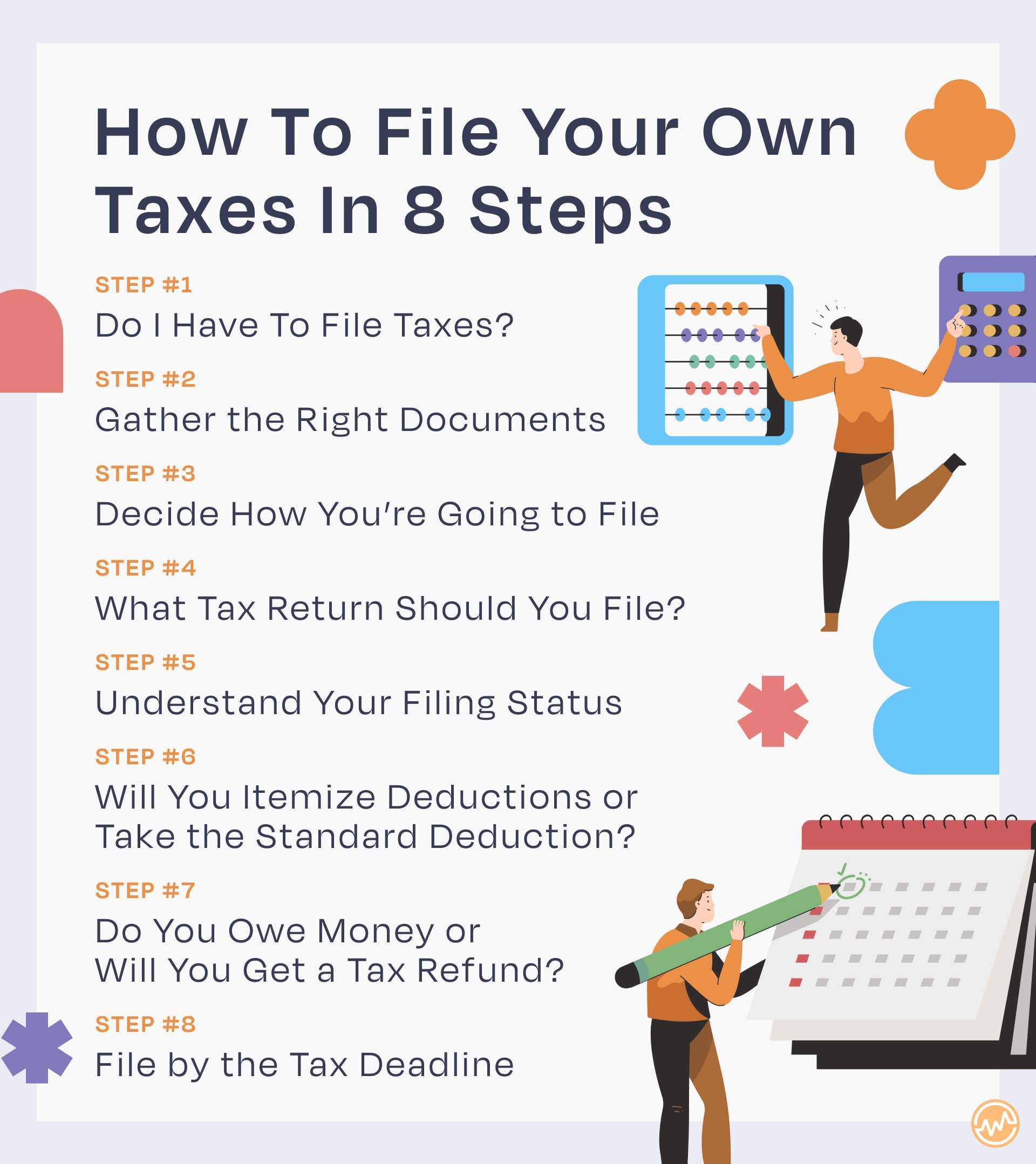
Conclusion: Making an Informed Financial Choice
The question “where do I do my taxes” is a gateway to better financial literacy. It forces a taxpayer to evaluate their income, their expenses, and their future goals. Whether you opt for the efficiency of high-tech software, the strategic depth of a CPA, or the cost-savings of a free government program, the goal remains the same: to fulfill your civic obligation while maximizing your personal financial position.
By viewing tax filing as a core component of your money management strategy—rather than a yearly nuisance—you can turn a complex legal requirement into an opportunity for financial growth. Choose a “where” that fits your current complexity, protects your data, and provides the best possible return on your investment of time and money.
aViewFromTheCave is a participant in the Amazon Services LLC Associates Program, an affiliate advertising program designed to provide a means for sites to earn advertising fees by advertising and linking to Amazon.com. Amazon, the Amazon logo, AmazonSupply, and the AmazonSupply logo are trademarks of Amazon.com, Inc. or its affiliates. As an Amazon Associate we earn affiliate commissions from qualifying purchases.