
Bitcoin, since its inception in 2009, has evolved from an obscure digital experiment into a globally recognized financial asset and a cornerstone of the burgeoning digital economy. For many, its appeal lies in its decentralized nature, limited supply, and potential as a hedge against traditional financial systems. However, the path to acquiring Bitcoin can appear complex to newcomers. This comprehensive guide will demystify the process, focusing on the financial strategies, tools, and considerations essential for individuals looking to integrate this innovative digital currency into their personal finance portfolio. We will navigate the primary acquisition methods, practical steps, and critical financial management techniques to ensure a secure and informed journey into the world of Bitcoin.

The Financial Lure of Bitcoin: Why Acquire It?
Before diving into the “how,” it’s crucial to understand the “why.” Bitcoin isn’t just a digital token; it represents a paradigm shift in financial thought, offering unique characteristics that attract a diverse range of investors and individuals seeking alternative financial avenues. Understanding these motivations is the first step in formulating a sound strategy for acquisition and management within your broader financial plan.
Bitcoin as a Digital Asset and Investment
At its core, Bitcoin is increasingly viewed as a digital asset, akin to digital gold, by a growing number of institutional and retail investors. Its finite supply (capped at 21 million coins) and programmatic issuance schedule imbue it with scarcity, a fundamental characteristic of valuable assets. Unlike fiat currencies, which can be printed indefinitely, Bitcoin’s supply is predictable and unchangeable. This scarcity, combined with increasing demand and adoption, forms the basis of its investment appeal. Investors often acquire Bitcoin with the expectation of capital appreciation over the long term, making it a speculative yet potentially rewarding addition to a diversified investment portfolio.
Diversification and Inflation Hedge Potential
For many, Bitcoin serves as a diversification tool, offering an asset class that often behaves independently of traditional markets like stocks and bonds. This uncorrelated behavior can, in theory, help reduce overall portfolio volatility and enhance risk-adjusted returns. Furthermore, Bitcoin’s fixed supply makes it a compelling candidate as an inflation hedge. As central banks globally engage in quantitative easing and expand money supplies, the purchasing power of fiat currencies can erode. Bitcoin, with its decentralized nature and resistance to manipulation by any single entity, is seen by some as a store of value that can preserve wealth against inflationary pressures, drawing parallels to gold but with digital advantages.
Global Accessibility and Financial Sovereignty
Bitcoin’s borderless and permissionless nature offers unprecedented global accessibility. Anyone with an internet connection can send, receive, and hold Bitcoin, bypassing traditional banking infrastructure that can be slow, costly, or inaccessible to large portions of the world’s population. This aspect promotes financial inclusion and offers a degree of financial sovereignty – individuals can control their wealth without reliance on intermediaries or government oversight. For those living under restrictive financial regimes or seeking greater autonomy over their assets, Bitcoin represents a powerful tool for self-reliance and global financial participation.
Primary Avenues for Bitcoin Acquisition
Once you understand the motivations behind acquiring Bitcoin, the next step is to explore the practical methods available. The landscape for Bitcoin acquisition has matured significantly, offering several pathways tailored to different preferences and risk tolerances. Each method comes with its own set of considerations regarding convenience, fees, and security.
Purchasing Bitcoin from Centralized Exchanges (CEXs)
The most common and straightforward method for most individuals is buying Bitcoin through centralized cryptocurrency exchanges. Platforms like Coinbase, Binance, Kraken, and Gemini act as intermediaries, allowing users to convert fiat currency (e.g., USD, EUR) into Bitcoin and other cryptocurrencies. These exchanges operate similarly to traditional stockbrokers, providing an order book where buyers and sellers meet. They offer user-friendly interfaces, various payment methods (bank transfers, debit/credit cards), and often advanced trading features. For beginners, CEXs are typically the easiest entry point due due to their regulatory compliance (Know Your Customer/Anti-Money Laundering requirements), robust security measures, and customer support. However, users entrust their funds to the exchange, which introduces counterparty risk – if the exchange is hacked or fails, funds could be at risk. Therefore, choosing a reputable and secure exchange is paramount.
Peer-to-Peer (P2P) Transactions
Peer-to-peer platforms, such as LocalBitcoins or Paxful, facilitate direct transactions between individuals. Instead of buying from an exchange, you buy Bitcoin directly from another person, often via various payment methods not supported by centralized exchanges (e.g., cash deposits, gift cards, specific mobile payment apps). P2P transactions offer greater privacy and flexibility in payment methods. They also embody the decentralized spirit of Bitcoin by removing the intermediary. However, P2P trading carries higher risks, including potential scams or fraud, as you are dealing directly with another individual. Reputable platforms incorporate escrow services and dispute resolution mechanisms to mitigate these risks, but users must exercise extreme caution and due diligence.
Earning Bitcoin through Work or Services
Beyond direct purchase, individuals can acquire Bitcoin by earning it as payment for goods or services. A growing number of employers, clients, and online platforms offer the option to receive wages or freelance payments in Bitcoin. This method allows you to accumulate Bitcoin without directly converting fiat currency, potentially reducing transaction fees and exposure to immediate market fluctuations if you plan to hold it long-term. For freelancers, consultants, or small businesses, accepting Bitcoin can open new markets and offer faster, cheaper international payments. Websites specializing in cryptocurrency-related tasks or services often facilitate these types of payments.
Mining (Briefly Touch on its Financial Viability for Individuals)
In the early days of Bitcoin, individuals could mine it using standard computer hardware. Mining involves solving complex computational puzzles to validate transactions and add them to the blockchain, for which miners are rewarded with newly minted Bitcoin. Today, due to the increased difficulty of mining and the specialized hardware (ASIC miners) required, solo mining is rarely profitable for individuals without significant investment in equipment, electricity, and cooling infrastructure. For most, attempting to mine Bitcoin directly is no longer a financially viable method of acquisition compared to simply buying it. However, participating in cloud mining (renting computing power from a large mining farm) or joining mining pools can offer a small, passive way to earn Bitcoin, though these ventures also come with their own set of financial risks and often questionable returns.
Practical Steps to Acquiring Your First Bitcoin
Once you’ve decided on an acquisition method, particularly purchasing through a centralized exchange, there are several practical steps to follow to ensure a smooth and secure transaction. Navigating these steps effectively is crucial for both convenience and safeguarding your financial assets.
Choosing the Right Exchange or Platform
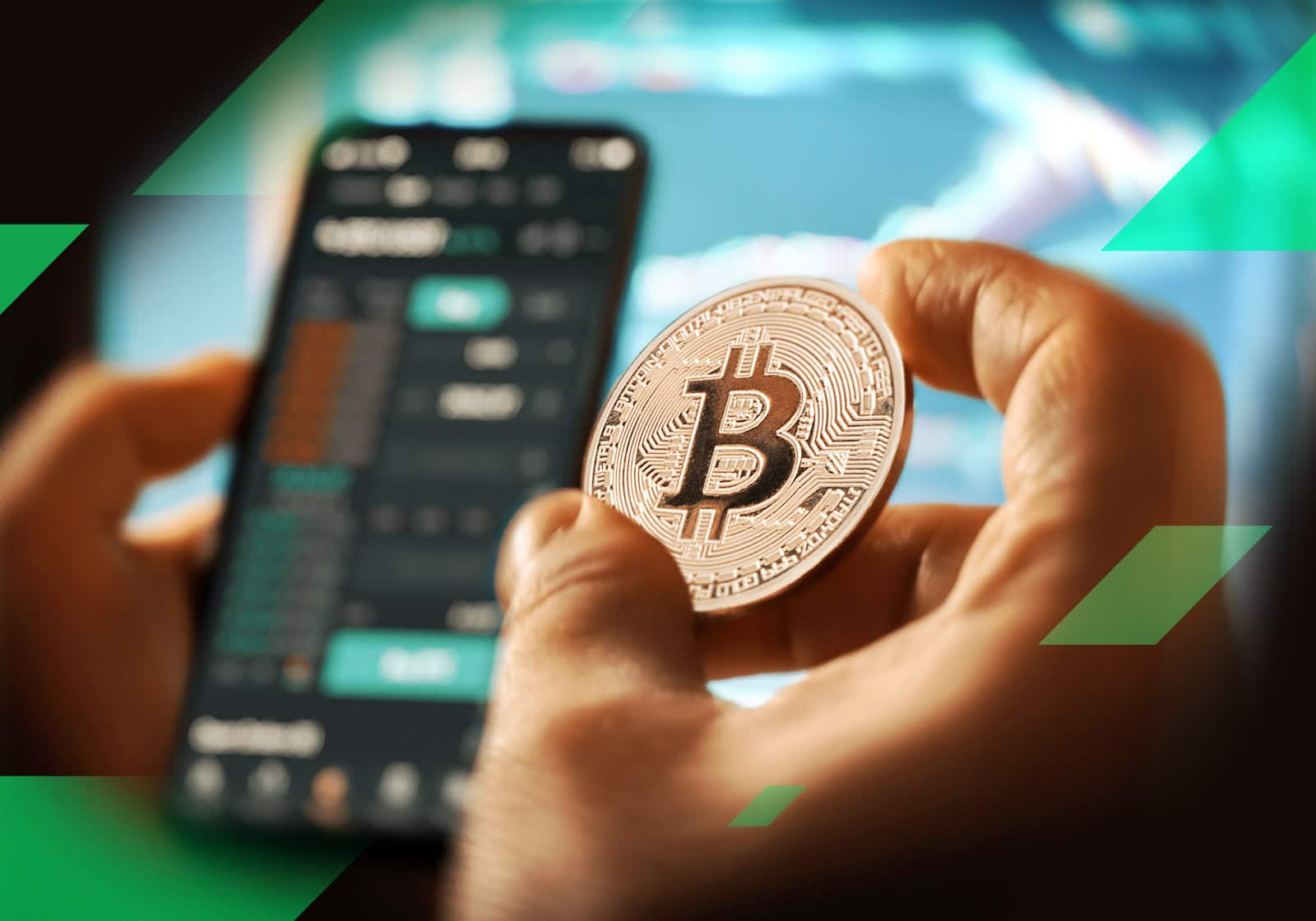
Selecting a reputable and suitable cryptocurrency exchange is perhaps the most critical initial step. Consider factors such as regulatory compliance, security measures (two-factor authentication, cold storage), supported payment methods, fee structures, user interface, customer support, and the range of cryptocurrencies offered. For beginners, an exchange known for its ease of use and strong security is preferable. Research user reviews, industry reputation, and any history of security breaches. Ensure the exchange operates legally in your jurisdiction and adheres to relevant financial regulations. Diversifying your holdings across multiple exchanges or transferring funds to a personal wallet after purchase can also mitigate exchange-specific risks.
Account Setup and Verification (KYC/AML)
Upon selecting an exchange, you’ll need to create an account. This typically involves providing your email address and creating a strong, unique password. Following this, almost all regulated exchanges require identity verification, a process known as Know Your Customer (KYC) and Anti-Money Laundering (AML). This involves submitting personal information such as your full name, date of birth, address, and government-issued identification (e.g., driver’s license, passport). Some exchanges may also require proof of address or a selfie for live verification. While this might seem intrusive, it’s a standard practice in traditional finance and helps prevent fraud, money laundering, and other illicit activities, thereby enhancing the overall security of the platform and its users.
Funding Your Account
After your account is verified, you’ll need to fund it with fiat currency before you can purchase Bitcoin. Exchanges typically support various funding methods:
- Bank Transfers (ACH/SEPA): Often the most cost-effective method, but can take several business days for funds to clear.
- Debit/Credit Cards: Usually faster but come with higher fees due to processing costs.
- Wire Transfers: Best for larger amounts, often faster than ACH, but may incur higher bank fees.
- Payment Processors: Some exchanges integrate with services like PayPal or Apple Pay, offering convenience but potentially higher fees.
Choose the method that balances speed, fees, and your personal financial preferences. Be mindful of any deposit limits imposed by the exchange.
Executing Your First Purchase
With your account funded, you’re ready to buy Bitcoin. Most exchanges offer a simple “Buy” option. You’ll specify the amount of Bitcoin you wish to purchase (either in fiat currency or Bitcoin units) and confirm the transaction. The exchange will display the current market price, any applicable fees, and the total amount of Bitcoin you will receive. Market orders execute immediately at the current best available price, while limit orders allow you to set a specific price at which you want to buy, which may or may not be filled depending on market movements. For beginners, a simple market order is often sufficient. Once confirmed, the Bitcoin will be credited to your exchange wallet.
Securing Your Bitcoin: Essential Financial Asset Management
Acquiring Bitcoin is only half the battle; ensuring its security is paramount. Unlike traditional bank accounts insured by governments, Bitcoin holders are solely responsible for the security of their digital assets. Effective financial asset management in the crypto space revolves around understanding storage options and implementing robust security practices.
Understanding Bitcoin Wallets: Hot vs. Cold Storage
A “Bitcoin wallet” isn’t a physical place where Bitcoin resides, but rather software or hardware that stores your private keys – the cryptographic codes that prove ownership of your Bitcoin and allow you to spend it. Wallets are broadly categorized into hot and cold storage:
- Hot Wallets: These are connected to the internet. Examples include exchange wallets, mobile apps, and desktop software wallets. They offer convenience for frequent transactions but are more susceptible to online threats like hacking or malware. While an exchange wallet is convenient for initial purchase, it’s generally not recommended for storing significant amounts of Bitcoin long-term due to counterparty risk.
- Cold Wallets: These are not connected to the internet, providing a higher level of security. Hardware wallets (physical devices like USB drives) are the most popular form of cold storage, designed to securely store private keys offline. Paper wallets (printed private and public keys) are another option, though less practical for active use. Cold storage is ideal for long-term holding of substantial Bitcoin amounts, minimizing exposure to online vulnerabilities.
Best Practices for Wallet Security
Regardless of the wallet type, robust security practices are non-negotiable for safeguarding your Bitcoin:
- Strong, Unique Passwords: Use complex, unique passwords for all accounts (exchanges, email, wallets) and enable two-factor authentication (2FA) wherever possible, preferably using an authenticator app rather than SMS.
- Backup Your Private Keys/Seed Phrase: For non-custodial wallets (where you control your private keys), you’ll receive a “seed phrase” (a list of words). This is your master key. Write it down accurately and store it securely offline in multiple, discreet locations. Never store it digitally or share it with anyone. Losing your seed phrase means losing access to your Bitcoin.
- Beware of Phishing and Scams: Be vigilant against unsolicited emails, messages, or websites impersonating legitimate services. Always double-check URLs and verify sender identities.
- Software Updates: Keep your wallet software and operating systems updated to protect against known vulnerabilities.
- Small Test Transactions: When transferring Bitcoin to a new wallet or a large amount, always send a small test transaction first to confirm everything is working correctly before sending the full amount.
Tax Implications and Financial Reporting
Acquiring and holding Bitcoin comes with important tax implications that vary by jurisdiction. In many countries, cryptocurrencies are treated as property for tax purposes, meaning gains from selling or using Bitcoin are subject to capital gains tax. Income earned in Bitcoin (e.g., through mining or as payment for services) is also taxable. It is crucial to maintain meticulous records of all your Bitcoin transactions, including acquisition dates, costs, and disposal prices, to accurately report your financial activities. Consulting with a tax professional knowledgeable in cryptocurrency taxation is highly recommended to ensure compliance and avoid potential legal or financial penalties. Integrating Bitcoin into your financial life means acknowledging and fulfilling your tax obligations.
Strategic Considerations for Long-Term Bitcoin Holders
For those looking beyond initial acquisition, developing a strategic approach to Bitcoin ownership is essential. Bitcoin’s volatility and its evolving role in the global economy necessitate a thoughtful, long-term perspective integrated into your broader financial planning.
Developing an Investment Strategy (DCA, HODLing)
Two prominent strategies for long-term Bitcoin holders are Dollar-Cost Averaging (DCA) and HODLing:
- Dollar-Cost Averaging (DCA): This strategy involves investing a fixed amount of money into Bitcoin at regular intervals (e.g., weekly, monthly), regardless of the price. DCA mitigates the risk associated with market timing, as it averages out your purchase price over time. You buy more Bitcoin when prices are low and less when prices are high, potentially reducing overall risk and stress associated with market volatility. It’s a disciplined approach suitable for building a position over time.
- HODLing: Derived from a misspelling of “hold,” HODLing refers to the strategy of buying Bitcoin and holding it for an extended period, often years, irrespective of short-term price fluctuations. This strategy is based on the conviction that Bitcoin’s value will appreciate significantly over the long term. HODLing requires strong conviction, patience, and the ability to withstand substantial market downturns. It aligns with the view of Bitcoin as a long-term store of value or a disruptive technological investment.
Risk Management and Volatility
Bitcoin is known for its price volatility, which can be significantly higher than traditional assets. While this volatility presents opportunities for rapid gains, it also carries the risk of substantial losses. Effective risk management involves:
- Diversification: Do not invest more than you can afford to lose, and ensure Bitcoin is part of a broader, diversified investment portfolio.
- Position Sizing: Determine an appropriate percentage of your total investable assets to allocate to Bitcoin, based on your risk tolerance.
- Emotional Discipline: Avoid making impulsive decisions based on market hype or fear. Stick to your predetermined investment strategy.
- Stay Informed: Keep abreast of market news, regulatory developments, and technological advancements that could impact Bitcoin’s value.
Integrating Bitcoin into Your Broader Financial Plan
For Bitcoin to truly serve as a valuable asset, it must be integrated thoughtfully into your overall financial plan. This involves:
- Goal Alignment: Define how Bitcoin fits into your financial goals – whether it’s for retirement, wealth preservation, or a specific purchase.
- Estate Planning: Consider how your Bitcoin holdings will be managed and passed on in the event of your incapacitation or death. This is critical as access to your private keys is paramount.
- Emergency Funds: Ensure you have adequate emergency savings in liquid, stable assets before allocating funds to volatile assets like Bitcoin.
- Regular Review: Periodically review your Bitcoin holdings as part of your overall financial health check-up, adjusting your strategy as your financial situation or market conditions change.
Acquiring Bitcoin is a journey that extends beyond a simple purchase. It involves informed decision-making, meticulous security practices, and strategic financial planning. By understanding the motivations, methods, and management strategies outlined here, individuals can confidently navigate the exciting and often complex world of digital finance, positioning Bitcoin as a potentially transformative element within their personal financial ecosystem.
aViewFromTheCave is a participant in the Amazon Services LLC Associates Program, an affiliate advertising program designed to provide a means for sites to earn advertising fees by advertising and linking to Amazon.com. Amazon, the Amazon logo, AmazonSupply, and the AmazonSupply logo are trademarks of Amazon.com, Inc. or its affiliates. As an Amazon Associate we earn affiliate commissions from qualifying purchases.