
When contemplating air travel with a canine companion, the immediate thought often turns to the practicalities: “Will my dog fit under the seat?” or “Is cargo safe?” However, beneath these logistical concerns lies a significant financial landscape that responsible pet owners must navigate. Traveling with dogs on planes isn’t merely about finding a spot; it’s about understanding and budgeting for a complex array of costs, from airline-specific fees to specialized veterinary care and international permits. For many, the decision hinges not just on convenience or emotional attachment, but on a clear-eyed assessment of the monetary investment required to ensure a pet’s safe and compliant journey. This article delves into the financial intricacies of canine air travel, equipping owners with the knowledge to budget effectively and make informed decisions.
The Financial Realities of Canine Air Travel
The primary financial considerations for flying with a dog begin with the direct costs imposed by airlines and regulatory bodies. These are often the most visible expenses, yet they can vary dramatically based on the airline, destination, and the size of your dog.
Decoding Airline Pet Fees
Airlines generally categorize pet travel into two main types: in-cabin and cargo. Each comes with its own set of rules, restrictions, and, critically, fees.
-
In-Cabin Travel: Reserved for smaller dogs (typically those weighing less than 15-20 lbs, including their carrier) that can fit comfortably under the seat in front of you. Fees for in-cabin pets usually range from $100 to $250 per one-way trip within North America, but can be higher for international flights or specific carriers. This fee is often non-refundable and separate from your own ticket. It’s crucial to understand that even if your dog is small, there’s usually a limit on the number of pets allowed in the cabin per flight, necessitating early booking. Missing this window can mean an unexpected inability to travel together, or costly rebooking.
-
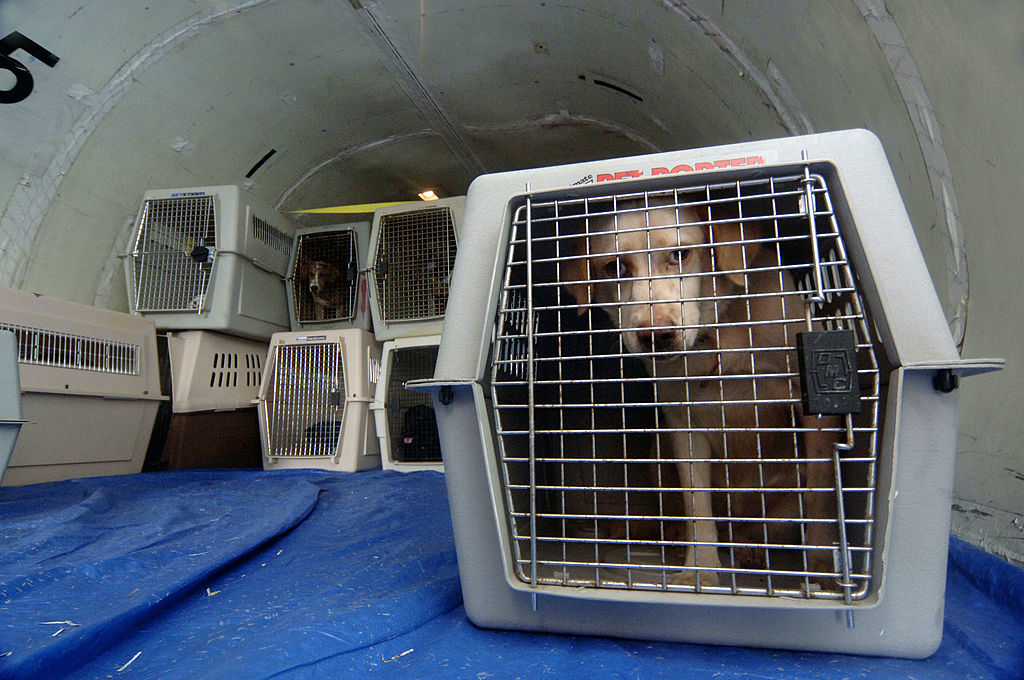
Cargo/Checked Baggage Travel: Larger dogs must travel in the cargo hold, which is pressurized and temperature-controlled. The costs for cargo travel are significantly higher, often ranging from $200 to $1,000 or more per one-way trip, depending on the airline, crate size, and destination. Some airlines charge based on the combined weight of the pet and carrier, while others have flat fees. International cargo travel can escalate these costs further, sometimes into the thousands, especially when using dedicated pet relocation services that handle customs, permits, and ground transportation at both ends. Airlines also often have strict embargoes on pet travel during extreme temperatures, which can lead to unexpected delays and additional accommodation costs if travel plans need to be shifted.
It’s paramount to scrutinize each airline’s specific pet policy, as they differ widely. Some airlines may not accept certain breeds (e.g., brachycephalic breeds due to breathing risks) or have specific restrictions based on the time of year, flight duration, or aircraft type. These restrictions can force a change in airline, potentially incurring higher costs.
Essential Veterinary & Permit Expenses
Beyond the airline’s direct fees, a host of veterinary and administrative costs are unavoidable when flying with a dog.
-
Health Certificates: Virtually all airlines and destinations require a health certificate issued by a licensed veterinarian, stating your dog is fit to fly and free of contagious diseases. These certificates usually need to be issued within a specific timeframe (e.g., 10 days) of travel, potentially requiring multiple visits for complex itineraries. The cost for a health certificate can range from $50 to $200, depending on your vet and the complexity of the required paperwork.
-
Vaccinations and Parasite Control: Ensuring your dog is up-to-date on all necessary vaccinations (rabies, distemper, parvovirus, etc.) is non-negotiable. Some destinations require specific vaccinations or parasite treatments (e.g., for tapeworm) administered within a tight window before travel. Each vaccination or treatment adds to the overall veterinary bill.
-
Microchipping: International travel almost universally requires your dog to be microchipped with an ISO-compliant chip for identification. If your dog isn’t already chipped, this is an additional vet cost, typically ranging from $25 to $50.
-
Import/Export Permits and Endorsements: Traveling internationally often necessitates obtaining import permits from the destination country and having your health certificate endorsed by a governmental agency (like the USDA in the United States). These permits and endorsements carry their own fees, which can range from tens to hundreds of dollars depending on the country. Navigating these requirements can be complex and may even warrant hiring a pet travel agent, an additional significant expense.
Beyond the Ticket: Hidden Costs and Considerations
While airline and veterinary fees are direct, many indirect and often overlooked costs contribute significantly to the total expense of flying with a dog. These hidden financial outlays can quickly accumulate, transforming an initially reasonable budget into a substantial investment.
Crate Compliance and Equipment Investment
The carrier or crate your dog travels in is not just a container; it’s a critical piece of safety equipment subject to stringent regulations.
-
IATA-Compliant Crates: For cargo travel, crates must adhere to International Air Transport Association (IATA) Live Animals Regulations. This means specific dimensions, ventilation, materials, and labeling requirements. A high-quality, IATA-compliant crate can cost anywhere from $100 for a small dog to $500 or more for an extra-large breed. Investing in a durable, well-ventilated crate that meets all specifications is non-negotiable for cargo travel. Failure to comply can result in your pet being denied boarding, leading to costly rebooking and accommodation expenses.
-
In-Cabin Carriers: Even for in-cabin travel, carriers must meet airline-specific dimensions and be soft-sided, leak-proof, and well-ventilated. While generally less expensive than cargo crates (ranging from $40-$150), purchasing a new one to ensure compliance is a common expense.
-
Accessories: Beyond the crate, consider specialized water and food dishes that attach to the crate, absorbent bedding, “live animal” labels, and calming aids (if recommended by a vet). These smaller purchases can add another $50-$150 to your overall spend.
Ancillary Services and Unexpected Outlays
The journey itself can present a myriad of unforeseen expenses.
- Pre-Travel Training and Acclimation: For dogs unaccustomed to crates or extended periods of confinement, professional training or a dedicated acclimation process might be necessary. This could involve purchasing specialized training tools or consulting with a behaviorist, adding hundreds of dollars to the preparatory phase.

-
Ground Transportation: Getting your dog and their crate to and from the airport can be a challenge, especially for larger breeds or international airports. Standard taxis or ride-shares may not accommodate large crates, necessitating specialized pet transport services or larger rental vehicles, which carry higher costs.
-
Pet Insurance for Travel: While regular pet insurance covers routine veterinary care, some specialized policies offer coverage for travel-related emergencies, flight delays affecting your pet, or even lost pet recovery. These policies are an additional premium but can offer significant financial protection against unexpected health issues or logistical nightmares mid-journey.
-
Accommodation Surcharges: Upon arrival, if your destination involves hotel stays, many pet-friendly establishments charge additional fees, either per night or as a one-time cleaning fee, ranging from $25 to $150 per stay.
-
Contingency Fund: Delays, missed connections, or unforeseen veterinary emergencies during layovers can quickly deplete savings. Having a robust contingency fund dedicated to pet travel is a wise financial strategy, as last-minute changes or medical needs can be extremely expensive. This could involve unexpected boarding fees if a flight is grounded, or emergency vet visits in an unfamiliar city.
Strategic Budgeting for Pet-Inclusive Journeys
Effective financial planning is paramount to making pet air travel feasible and stress-free. A proactive approach to budgeting and research can help mitigate sticker shock and ensure all necessary expenses are accounted for.
Researching and Comparing Airline Policies
The first step in strategic budgeting is thorough research. Do not assume all airlines have similar pet policies or pricing.
-
Airline Comparison: Create a spreadsheet comparing pet fees, size/weight restrictions, breed restrictions, and cargo availability across multiple airlines serving your route. Factor in their reputation for pet handling and any historical issues. A slightly more expensive flight on an airline known for excellent pet care might be a wiser financial and emotional investment.
-
Booking in Advance: Pet slots, especially in-cabin, are limited. Booking early not only secures a spot but can sometimes lock in better rates for cargo services, avoiding last-minute surcharges.
-
Direct Flights vs. Layovers: While direct flights might seem more expensive initially, they reduce stress for your pet and minimize the risk of missed connections or complications during transfers, which can lead to costly rebooking or emergency boarding fees. Factor in the potential savings from avoiding these issues when comparing prices.
The Long-Term Financial Perspective
For frequent travelers or those planning extended stays, the cumulative cost of flying with a dog can be substantial.
-
Annual Travel Budget: Incorporate pet travel costs into your annual financial planning. If you anticipate multiple flights, consider the cumulative impact of fees, vet visits, and equipment maintenance.
-
Alternatives Cost Analysis: Sometimes, the cost of flying a pet, especially internationally, can rival or exceed the cost of hiring a reputable pet sitter or using a professional pet relocation service. While these services have their own price tags (often ranging from $50-$150 per day for sitters, or thousands for movers), a comprehensive cost-benefit analysis might reveal them to be more economically sound or less stressful for certain trips. For example, a multi-thousand-dollar international relocation might make sense for a permanent move, but not for a two-week vacation.
-
Considering Pet-Friendly Road Trips: For domestic travel, a financially savvy alternative might be driving. While still incurring fuel, lodging, and food costs, it eliminates airline pet fees and much of the veterinary paperwork burden, offering significant savings and often a more relaxed experience for the dog.
Weighing the Investment: Is Pet Travel Worth the Price Tag?
Ultimately, the decision to fly with a dog is a deeply personal one, but it requires a clear understanding of the financial commitment involved. The costs are not trivial and can easily run into hundreds, if not thousands, of dollars for a single trip.

Assessing the Value Against Alternatives
Consider the tangible and intangible returns on your investment.
-
Emotional Value: For many, the companionship of their dog outweighs any financial burden. The emotional well-being of both pet and owner is often priceless. However, it’s essential to assess if the stress of travel itself might be detrimental to the pet, even if the owner values their presence.
-
Practical Necessity: For permanent moves, extended stays, or service animal owners, flying with a dog is a practical necessity, making the cost an unavoidable part of the relocation budget.
-
Comparing Pet Relocation Services: For complex international moves, professional pet relocation companies, while expensive (often $2,000 – $8,000+), offer a full-service solution handling all permits, veterinary requirements, flight bookings, and ground transportation. While a significant upfront cost, it can save owners immense time, stress, and potential costly errors in documentation that could lead to quarantine or denied entry. A financial analysis comparing DIY costs versus professional service costs is crucial here.
-
Pet Sitting and Boarding Costs: If you choose not to fly with your pet, consider the costs of reliable pet sitting or boarding facilities. These can range from $30-$100+ per day, depending on the service and location. For short trips, this might be significantly cheaper than flying the pet. For longer trips, the costs can add up, making flying a more attractive option if the trip duration surpasses the cost threshold of extended boarding.
Flying with a dog is a multifaceted financial decision that extends far beyond the price of a plane ticket. It demands meticulous planning, comprehensive budgeting, and an awareness of both direct and indirect expenses. By understanding these financial realities, pet owners can make responsible, informed choices that prioritize both their budget and their beloved companion’s well-being.
aViewFromTheCave is a participant in the Amazon Services LLC Associates Program, an affiliate advertising program designed to provide a means for sites to earn advertising fees by advertising and linking to Amazon.com. Amazon, the Amazon logo, AmazonSupply, and the AmazonSupply logo are trademarks of Amazon.com, Inc. or its affiliates. As an Amazon Associate we earn affiliate commissions from qualifying purchases.