
The history of Wells Fargo is not merely a tale of a single company; it is the narrative of the American financial system’s expansion into the frontier. To understand where Wells Fargo started, one must look back to the mid-19th century, a period defined by the California Gold Rush and a desperate need for reliable financial infrastructure in a lawless, expanding West. Founded in 1852, Wells Fargo emerged as a dual-purpose entity—part express delivery service and part bank—filling a void that traditional East Coast institutions were unable to reach.

From its inception in a New York City boardroom to its first offices in the muddy streets of San Francisco, the company’s origins provide a masterclass in business finance, risk management, and the evolution of financial tools. By examining its start, we gain insight into how a brand built on physical stagecoaches transitioned into a global leader in personal finance and commercial banking.
The 1852 Launch: A Vision for the Western Frontier
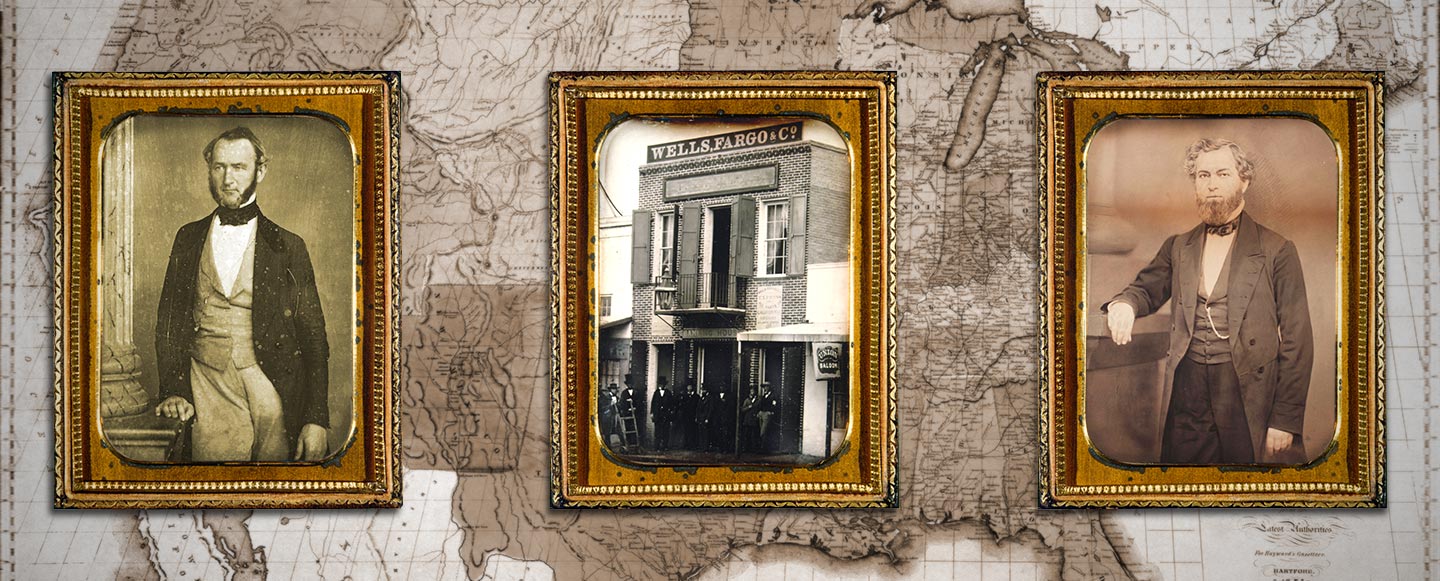
The story of Wells Fargo begins with two men: Henry Wells and William G. Fargo. Both were already established figures in the express industry, having played instrumental roles in the founding of American Express. However, the discovery of gold at Sutter’s Mill in 1848 created a unique financial challenge. Thousands of miners were extracting wealth from the earth but had no secure way to transport that wealth back home or convert it into usable currency.
The New York Connection and the San Francisco Reality
On March 18, 1852, Wells and Fargo, along with several investors, organized Wells, Fargo & Co. in New York City. While the executive decisions were made in the East, the operational heart of the company was immediately directed toward the Pacific Coast. Unlike many of their competitors who viewed the West as a temporary boomtown, Wells and Fargo saw the potential for a permanent financial network.
They opened their first offices in San Francisco and Sacramento within months. In these early days, the company functioned as a crucial intermediary. They provided “express” services—moving mail, gold dust, and legal documents—and “banking” services, which included buying gold, selling paper bank drafts (the 19th-century version of a wire transfer), and providing loans to the burgeoning business community of California.
Competition with American Express
It is a common misconception that Wells Fargo and American Express were always separate entities. In reality, Henry Wells and William Fargo wanted American Express to expand into California. However, the other directors of American Express were hesitant to take the risk. This disagreement led Wells and Fargo to strike out on their own, creating a sibling company that would eventually dominate the Western market. This strategic move allowed them to capture the high-growth mining economy while their original venture focused on the more established markets of the Northeast and Midwest.
Financial Tools of the Frontier: Innovation in a Liquid Economy
In the 1850s, the concept of “money” in the American West was fluid—literally and figuratively. Gold dust and nuggets were the primary forms of capital, but they were incredibly difficult to use for daily transactions or long-distance trade. Wells Fargo’s early success was rooted in its ability to standardize these assets and provide the financial tools necessary for a functional economy.
Assaying and the Standardization of Value
One of the most important services Wells Fargo provided was gold assaying. Because the purity of gold dust varied wildly from one mining claim to another, the company established assay offices where gold could be melted down, tested for purity, and cast into bars. By certifying the value of the gold, Wells Fargo turned a raw commodity into a reliable financial asset.
This process was the bedrock of their banking division. Once the gold was assayed, the miner could deposit it with Wells Fargo and receive a certificate of deposit or a bank draft. These documents were essentially the first forms of “paper money” in the West, backed by the physical gold stored in Wells Fargo’s vaults. This system provided the liquidity necessary for San Francisco to transform from a collection of tents into a major commercial hub.
The Stagecoach: More Than Just Transportation
While modern audiences view the Wells Fargo stagecoach as a marketing icon, it was originally a vital piece of financial infrastructure. In an era before telegraphs or transcontinental railroads, the stagecoach was the primary mechanism for moving capital.
Wells Fargo didn’t just transport people; they transported treasure. The famous green “treasure boxes” kept under the driver’s seat held the physical wealth of the frontier. This logistical capability allowed the company to offer financial services that were more reliable than any local competitor. If a merchant in San Francisco needed to pay a supplier in New York, Wells Fargo could facilitate that transaction by moving the physical bullion or by utilizing their internal credit ledgers to balance accounts across the continent.
Surviving the Panic of 1855 and the Shift to Banking
The true test of Wells Fargo’s early financial model came in 1855. During this time, California experienced its first major financial crisis. Over-speculation and a slowing gold output led to a massive bank run that wiped out many of the state’s leading financial institutions, including the powerful Page, Bacon & Co.
The Importance of Liquidity Management
As panic spread through San Francisco, depositors rushed to withdraw their funds from every bank in the city. Wells Fargo was not immune to the panic, but they had a distinct advantage: their conservative approach to liquidity. While other banks had tied up their capital in risky real estate or long-term loans, Wells Fargo maintained significant reserves of physical gold and liquid assets.
On the day of the crash, Wells Fargo stayed open later than usual to ensure every depositor who wanted their money could get it. This demonstration of solvency cemented the company’s reputation as the most trustworthy financial institution in the West. While their competitors collapsed, Wells Fargo emerged from the Panic of 1855 as the dominant force in Western banking and express delivery.
Transitioning to a Commercial Powerhouse
Following the 1855 crisis, Wells Fargo began to pivot more aggressively toward commercial banking. They expanded their branch network into almost every mining camp and small town in the West. Each “Express Office” acted as a micro-branch, offering basic financial services to pioneers and businesses.
By the late 1860s, the completion of the Transcontinental Railroad changed the express industry forever. Sensing the shift, Wells Fargo began to divest from some of its stagecoach routes and doubled down on its banking operations. This period saw the company evolve from a frontier courier into a modern corporate entity capable of financing the industrialization of the American West.
The Modern Era: Mergers and the Growth of Business Finance
The Wells Fargo we recognize today is the result of over a century of strategic mergers and acquisitions, but its core identity remains tied to its 1852 roots. The most significant evolution occurred in 1905, when Wells Fargo’s banking operations were separated from its express business and merged with the Nevada National Bank.
The Hellman Era and the Birth of a National Bank
Under the leadership of Isaias W. Hellman, the merged entity—Wells Fargo Nevada National Bank—became a powerhouse of commercial finance. Hellman was a legendary financier who understood that the future of banking lay in supporting the massive infrastructure projects of the 20th century, from the rebuilding of San Francisco after the 1906 earthquake to the expansion of the California agricultural industry.
This era marked the final transition of the company from a “frontier” bank to a “national” bank. The financial tools evolved from gold scales and treasure boxes to sophisticated commercial loans, international trade financing, and trust services. The company survived the Great Depression by maintaining the same conservative liquidity principles that had saved it in 1855, further solidifying its status as a pillar of the American financial system.
Acquisitions and the Expansion of Personal Finance
In the late 20th and early 21st centuries, Wells Fargo underwent a series of massive mergers that redefined its scale. The 1998 merger with Norwest Corporation and the 2008 acquisition of Wachovia transformed Wells Fargo from a regional Western powerhouse into a truly national institution with a presence on both coasts.
These mergers weren’t just about size; they were about diversifying the financial tools offered to customers. Wells Fargo moved heavily into mortgage lending, investment services, and digital banking. However, even as the company adopted high-tech AI tools and mobile apps, it continued to lean into its historical branding. The stagecoach remains the primary symbol of the brand, serving as a reminder of its start as a secure guardian of wealth in an uncertain environment.

Legacy: What the Start of Wells Fargo Teaches Us About Finance
Where Wells Fargo started tells us a great deal about the nature of money and trust. In 1852, the company succeeded because it solved the most basic problem in finance: how to securely move value from one place to another. Whether that value was gold dust in a leather pouch or a digital entry on a modern ledger, the fundamental principle remains the same.
The company’s survival through multiple centuries of economic volatility is a testament to the importance of institutional stability and the ability to adapt financial services to the needs of the era. From providing the first “safe haven” for Gold Rush miners to offering complex business finance solutions for 21st-century corporations, Wells Fargo’s trajectory reflects the broader history of the American economy.
Today, Wells Fargo stands as one of the “Big Four” banks in the United States. Its origins in the dusty streets of San Francisco serve as a foundation for its current role in global finance. By understanding where it started, investors and consumers can better appreciate the historical weight and the financial evolution of an institution that helped build the modern American West. The journey from a small New York startup to a global financial titan is a reminder that in the world of money, trust and reliability are the most valuable currencies of all.
aViewFromTheCave is a participant in the Amazon Services LLC Associates Program, an affiliate advertising program designed to provide a means for sites to earn advertising fees by advertising and linking to Amazon.com. Amazon, the Amazon logo, AmazonSupply, and the AmazonSupply logo are trademarks of Amazon.com, Inc. or its affiliates. As an Amazon Associate we earn affiliate commissions from qualifying purchases.