
The allure of the stock market has captivated individuals for centuries. From the bustling pits of historic exchanges to the sleek, digital interfaces of modern mobile apps, the ability to buy and sell ownership in the world’s most influential companies offers a unique path to financial independence and wealth creation. However, the transition from a curious observer to a proficient trader is a journey that requires discipline, education, and a structured approach. Learning about trading stocks is not merely about identifying the “next big thing”; it is about understanding the mechanics of global finance, the psychology of human behavior, and the rigorous management of risk.
Laying the Foundation: Understanding Market Fundamentals
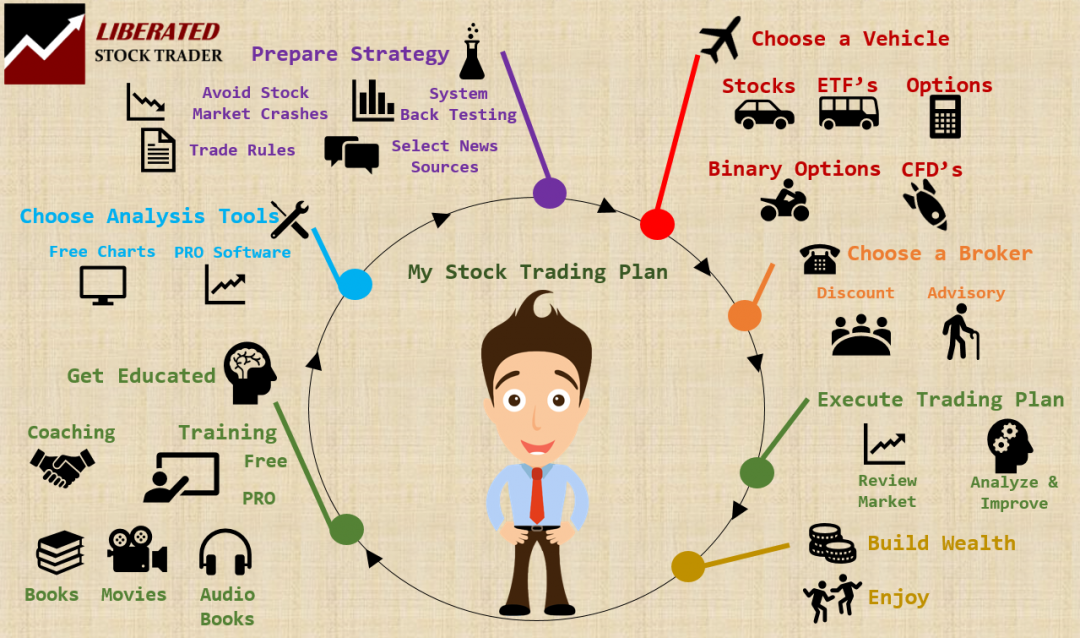
Before executing your first trade, it is imperative to understand the environment in which you will be operating. The stock market is a complex ecosystem where supply and demand dictate the price of equity. To navigate this landscape, one must start with the core principles that govern market movements.
What is the Stock Market?
At its simplest, the stock market is a collection of exchanges where shares of publicly held companies are issued, bought, and sold. When you buy a stock, you are purchasing a fractional piece of ownership in a corporation. The primary purpose of the market is to provide companies with access to capital in exchange for giving investors a share in the company’s future profits. Understanding the distinction between primary markets (where companies first issue shares via an IPO) and secondary markets (where investors trade shares with each other) is the first step toward market literacy.
The Difference Between Investing and Trading
While the terms are often used interchangeably, they represent different philosophies and time horizons. Investing typically involves a long-term strategy, often spanning years or decades, with a focus on gradual wealth accumulation through dividends and capital appreciation. Trading, conversely, is more active. It involves the frequent buying and selling of securities to capitalize on short-term price fluctuations. Traders may hold positions for a few minutes (scalping), a day (day trading), or several weeks (swing trading). Knowing which path aligns with your financial goals and temperament is essential for your educational focus.
Key Terminology Every Beginner Should Know
To speak the language of the market, you must familiarize yourself with essential terms. This includes understanding the “Bid” (the highest price a buyer is willing to pay) and the “Ask” (the lowest price a seller is willing to accept). The difference between these two is the “Spread.” You should also learn about “Market Capitalization,” which represents the total dollar value of a company’s outstanding shares, and “Volume,” which indicates the number of shares traded during a specific period. These metrics provide the first layer of context when evaluating any potential trade.
Developing a Strategic Approach: Analysis and Methodologies
Once you understand the basic mechanics, the next phase of learning involves determining how to evaluate stocks. Successful traders do not rely on “hunches” or “tips”; they utilize systematic analysis to make informed decisions.
Fundamental Analysis: Evaluating the Business
Fundamental analysis is the study of a company’s financial health and its broader economic environment. This involves scrutinizing financial statements—the balance sheet, income statement, and cash flow statement. Key metrics such as the Price-to-Earnings (P/E) ratio, Earnings Per Share (EPS), and Debt-to-Equity ratio help traders determine if a stock is undervalued or overvalued compared to its intrinsic value. For a trader, fundamental analysis often provides the “why” behind a trade, helping to identify companies with strong growth potential or solid defensive qualities.
Technical Analysis: Reading the Charts
If fundamental analysis is about the “why,” technical analysis is often about the “when.” This methodology focuses on historical price action and volume to predict future movements. Traders utilize charts to identify patterns, such as “head and shoulders” or “double bottoms,” and use indicators like Moving Averages, the Relative Strength Index (RSI), and Bollinger Bands. Learning technical analysis allows a trader to identify trends and determine optimal entry and exit points. It is based on the premise that all known information is already reflected in the stock price, and that history tends to repeat itself in recognizable patterns.
Quantitative Analysis: The Power of Data
In the modern era, quantitative analysis has become increasingly prevalent. This involves using mathematical and statistical models to identify trading opportunities. While high-frequency algorithmic trading is often the domain of institutional players, individual traders can still benefit from quantitative concepts, such as backtesting a strategy. Backtesting involves applying your trading rules to historical data to see how they would have performed in the past. This provides a data-driven layer of confidence before risking real capital.
Building Your Trading Infrastructure
Knowledge alone is insufficient; you need the right tools and environment to execute your strategy effectively. Building a solid infrastructure is a critical part of the learning process.
Choosing the Right Brokerage Platform
Your broker is your gateway to the market. In the current landscape, there are various options ranging from full-service brokers offering extensive research and advisory services to discount, app-based brokers that offer commission-free trading. When choosing a platform, consider factors such as the user interface, the availability of research tools, customer service, and the types of orders allowed (such as limit orders, stop-orders, and trailing stops). For a learner, a platform that provides robust educational resources and a clear, intuitive layout is often more valuable than one with the lowest possible fees but poor support.
Paper Trading: Practicing Without Risk
One of the most effective ways to learn is through “paper trading” or virtual trading simulators. Most reputable brokers offer a demo account where you can trade with “fake money” in a real-time market environment. This allows you to test your strategies, get a feel for the platform’s execution, and experience the mechanics of the market without any financial risk. A beginner should spend significant time—often weeks or months—paper trading until they demonstrate a consistent ability to follow their plan and manage their “virtual” capital effectively.
Setting Up Your Workspace and Tools
While you can trade from a smartphone, serious learning often requires a more dedicated setup. This includes access to reliable, high-speed internet and potentially multiple monitors to track different timeframes or news feeds simultaneously. Additionally, you should explore stock scanners and screening tools that allow you to filter thousands of stocks based on specific criteria (e.g., stocks hitting a new 52-week high with high volume). These tools help you focus your attention on the most promising opportunities, saving you from “information overload.”
Risk Management and the Psychology of Trading
The most overlooked aspect of learning to trade is not the strategy itself, but the management of risk and the control of one’s emotions. Most traders who fail do so not because they lacked a good strategy, but because they lacked the discipline to follow it.
Protecting Your Capital with Stop-Loss Orders
The first rule of trading is preservation of capital. If you lose your “trading stake,” you are out of the game. A stop-loss order is an automated instruction to sell a stock once it reaches a certain price, effectively capping your potential loss on a trade. Learning how to calculate your risk-to-reward ratio is vital. For instance, many professional traders will not enter a trade unless the potential profit is at least three times the potential loss. By strictly adhering to these limits, you ensure that a single bad trade does not devastate your portfolio.
Diversification and Position Sizing
Diversification is the practice of spreading your capital across different sectors, industries, and asset classes to reduce the impact of any single failure. Closely related to this is position sizing—the determination of how much of your total capital to allocate to a single trade. A common rule of thumb for beginners is the “1% rule,” which dictates that you should never risk more than 1% of your total account value on any individual trade. This mathematical approach to trading removes the guesswork and helps maintain a level head during market volatility.
Mastering Your Emotions: The Inner Game of Trading
The market is a psychological battlefield. Greed can lead you to hold a winning position too long, while fear can cause you to exit a trade prematurely or avoid a high-probability setup. “Revenge trading”—the urge to immediately jump back into the market to “win back” a loss—is one of the most common pitfalls for novices. Learning about trading stocks involves significant self-reflection. You must recognize your own cognitive biases and develop the emotional resilience to accept losses as a necessary cost of doing business, rather than a personal failure.
Continuous Education and Market Evolution
The stock market is dynamic; what worked a decade ago may not work today. Consequently, your education must be an ongoing process rather than a one-time event.
Leveraging Reputable Educational Resources
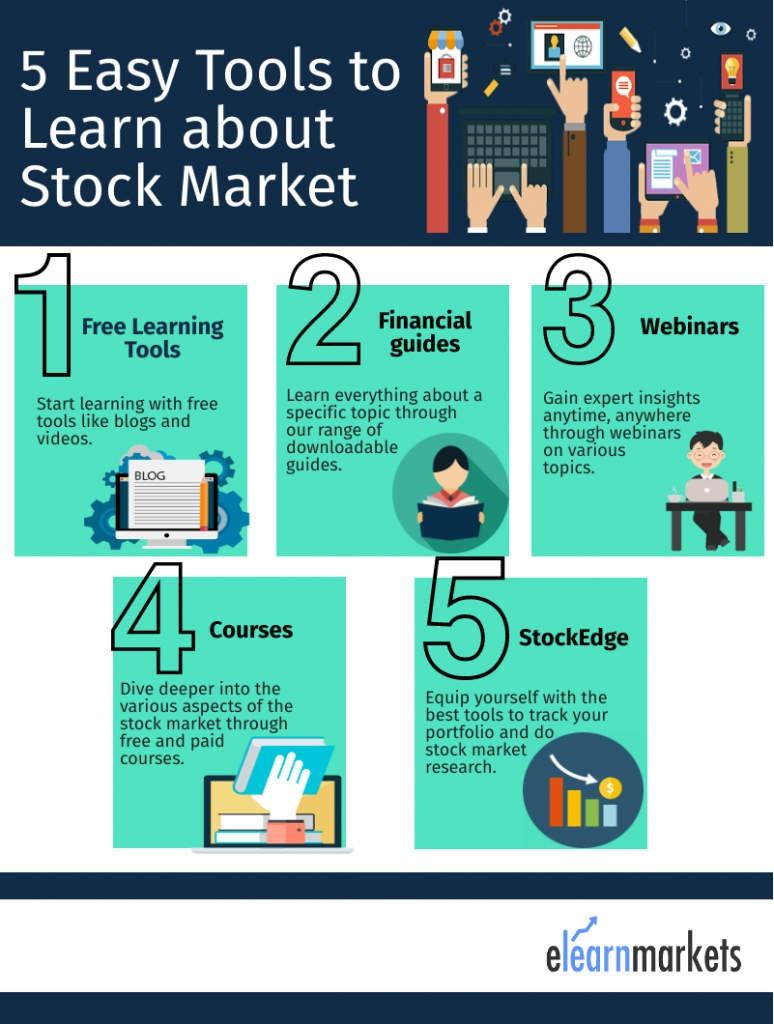
To stay ahead, you must curate a list of high-quality information sources. This includes classic literature on market theory, such as Benjamin Graham’s “The Intelligent Investor” for fundamentals or Edwin Lefèvre’s “Reminiscences of a Stock Operator” for market psychology. Beyond books, reputable financial news outlets like Bloomberg, Reuters, and The Wall Street Journal provide the daily context needed to understand market-moving events. Online courses and webinars from established financial institutions can also provide structured learning paths for advanced concepts like options trading or macro-economic analysis.
Keeping Up with Global Economic Trends
Stock prices do not exist in a vacuum. They are influenced by interest rate decisions from the Federal Reserve, geopolitical tensions, employment data, and technological breakthroughs. A comprehensive education in stock trading requires a basic understanding of macroeconomics. By learning how different economic cycles affect various sectors—such as why utilities might perform well in a high-interest-rate environment or how tech stocks react to consumer spending data—you can better position yourself for long-term success.
The Importance of a Trading Journal
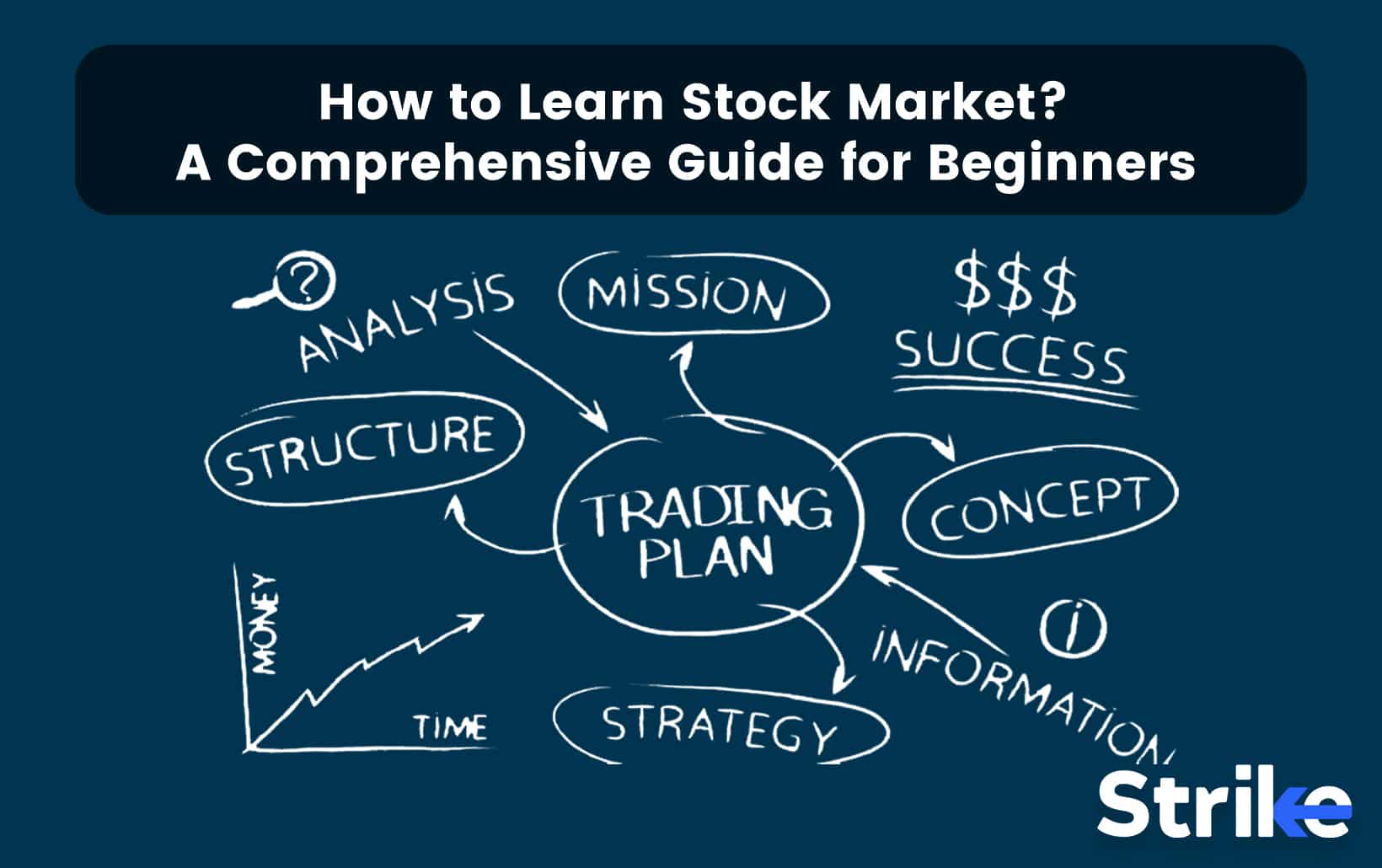
One of the most powerful tools for improvement is the trading journal. By recording every trade you make—including the entry price, exit price, the reasoning behind the trade, and your emotional state at the time—you create a personalized database of your performance. Periodically reviewing this journal allows you to identify patterns in your successes and failures. It transforms “learning about trading” from a theoretical exercise into a personalized, data-driven evolution. Over time, the journal becomes a mirror, reflecting your strengths to be amplified and your weaknesses to be mitigated.
aViewFromTheCave is a participant in the Amazon Services LLC Associates Program, an affiliate advertising program designed to provide a means for sites to earn advertising fees by advertising and linking to Amazon.com. Amazon, the Amazon logo, AmazonSupply, and the AmazonSupply logo are trademarks of Amazon.com, Inc. or its affiliates. As an Amazon Associate we earn affiliate commissions from qualifying purchases.