
Navigating the financial landscape of modern healthcare requires more than just a savings account; it requires strategic planning and the right financial tools. As out-of-pocket costs for medical, dental, and wellness services continue to rise, many consumers are turning to specialized financing to bridge the gap between insurance coverage and total costs. One of the most prominent tools in this space is CareCredit, a credit card specifically designed for health and wellness expenses.
Unlike a traditional credit card that you might use for groceries or travel, CareCredit is a “revolving” line of credit tailored to help you manage the costs of procedures and treatments not always covered by standard insurance. Understanding exactly where and how you can use this tool is essential for maintaining both your physical health and your financial stability. This guide explores the diverse network of providers and the strategic financial implications of utilizing CareCredit in today’s economy.
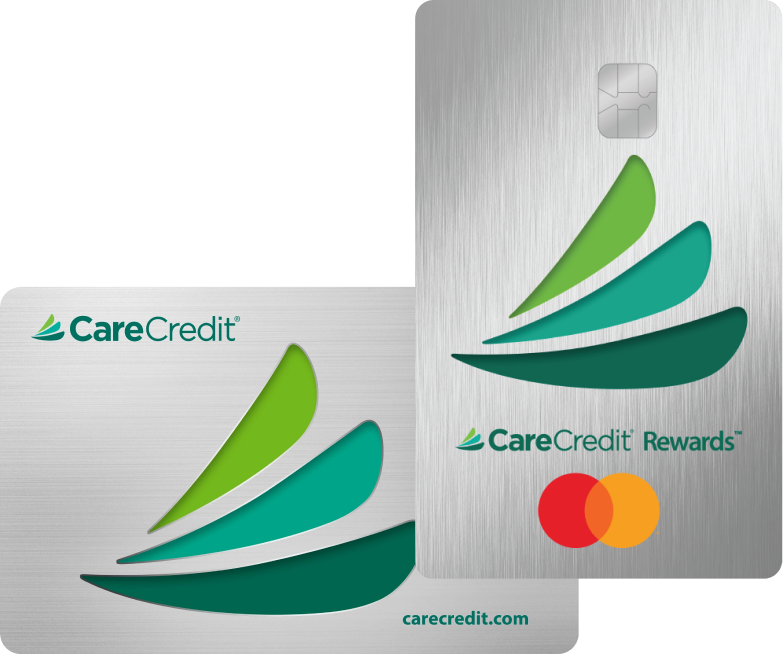
Understanding CareCredit as a Strategic Financial Tool
Before diving into the specific locations where CareCredit is accepted, it is vital to understand its role within your personal finance portfolio. CareCredit is not an insurance policy; it is a financing vehicle. From a financial perspective, it serves as a way to maintain liquidity—allowing you to pay for necessary or elective care upfront while spreading the cost over a series of monthly installments.
How CareCredit Differs from Traditional Credit Cards
While CareCredit functions similarly to a standard Visa or Mastercard in terms of having a credit limit and monthly payments, its utility is restricted to a specific network of over 250,000 healthcare providers and retail locations. The primary advantage of CareCredit over a traditional card is the availability of promotional financing options. Many providers offer “No Interest if Paid in Full” within 6, 12, 18, or 24 months on purchases of $200 or more.
From a money management standpoint, this can be a double-edged sword. If you pay the balance within the promotional period, you have essentially received an interest-free loan. However, if you fail to pay the full balance by the end of the term, interest is often charged retroactively from the original purchase date at a high Annual Percentage Rate (APR). This makes disciplined budgeting a prerequisite for using the card effectively.
The Mechanics of Deferred Interest and Promotional Financing
Smart financial planning requires a deep dive into the “deferred interest” model. When you use CareCredit at a participating provider, you are often presented with various payment plans. Long-term healthcare projects, such as orthodontic work or extensive dental surgery, may offer reduced interest rates for longer durations (e.g., 24 to 60 months).
For the savvy investor or budgeter, using CareCredit allows you to keep your cash in high-yield savings accounts or investments while paying off a medical bill slowly without interest. This “arbitrage” of sorts—earning interest on your money while paying 0% on your debt—is a sophisticated way to manage a large medical expense, provided you are certain of your ability to meet the monthly minimums.
Broadening the Scope: Everyday Health and Wellness Locations
The most common applications for CareCredit are found in routine healthcare. For many families, these are the recurring costs that can strain a monthly budget. By knowing which everyday providers accept this credit line, you can better manage your cash flow.
Dental, Vision, and Hearing Care
Dental care is perhaps the most frequent category for CareCredit usage. Many dental procedures, such as root canals, crowns, and especially cosmetic dentistry like veneers or teeth whitening, are either partially covered or not covered at all by insurance. CareCredit is widely accepted at general dentistry practices, as well as by specialists like endodontists and periodontists.
Similarly, vision care is a major sector. While insurance might cover a basic eye exam, it rarely covers the full cost of high-end frames or advanced lens technologies. More importantly, CareCredit is a staple in financing LASIK and other vision correction surgeries, which are almost universally classified as elective and thus out-of-pocket. Hearing health is another area where the card is vital; hearing aids are notoriously expensive and often lack comprehensive insurance coverage, making the promotional financing of CareCredit a financial lifeline for those with hearing loss.
Pharmacy and Personal Care at Major Retailers
In recent years, CareCredit has expanded its reach into the retail sector, significantly increasing its utility. You can now use the card at major retailers like Rite Aid and Walgreens. This is a game-changer for personal finance management because it allows the card to be used for prescriptions, over-the-counter medications, and even certain health-related beauty products.
However, users must be cautious. While it is convenient to swipe the card at a pharmacy, the interest rates for non-promotional purchases can be significantly higher than those of a standard credit card. Strategically, it is best to use CareCredit at these retailers only for high-cost items or when a promotional period is applicable, rather than for small, daily purchases that could accumulate high-interest debt.

Specialized Medical Procedures and Elective Care
Beyond the basics, CareCredit is a leader in financing elective procedures. These are treatments that improve quality of life or aesthetic appearance but are rarely deemed “medically necessary” by insurance providers.
Cosmetic Surgery and Dermatology
The field of aesthetic medicine is where CareCredit truly established its footprint. Whether it is a surgical procedure like a rhinoplasty or non-surgical treatments like Botox, fillers, or laser hair removal, these services require upfront payment. Because these procedures can cost thousands of dollars, using a dedicated health credit line allows patients to treat the expense as a manageable monthly line item rather than a massive one-time hit to their savings.
From a branding and marketing perspective, many cosmetic surgeons partner with CareCredit to make their services more accessible to a broader demographic. For the consumer, this means that even high-end dermatologists and plastic surgeons in major metropolitan areas are likely to accept the card.
Veterinary Services for Pet Owners
One of the most surprising and beneficial places you can use CareCredit is at the veterinarian. For many, pets are family members, but veterinary care—especially emergency surgery or chronic illness management—can be prohibitively expensive. Pet insurance often operates on a reimbursement model, meaning you must pay the vet upfront and wait for the insurance company to pay you back.
CareCredit solves this liquidity problem. It is accepted at thousands of veterinary clinics and animal hospitals nationwide, including specialty emergency centers. By using CareCredit for a sudden $3,000 emergency surgery, a pet owner can ensure their animal receives immediate care without needing to have that cash sitting in a checking account that very moment.
Navigating the CareCredit Network and Merchant Acceptance
To use CareCredit effectively as a financial tool, you must know how to identify participating merchants and manage the account to protect your credit score.
Using the CareCredit Provider Locator
The easiest way to find out where you can use the card is through the CareCredit website or mobile app’s “Provider Locator.” This tool allows you to search by zip code and category (e.g., “Sleep Medicine,” “Chiropractic,” or “Pet Care”). It is essential to verify acceptance before booking an appointment, as individual franchises or private practices may choose whether or not to participate in the program.
Furthermore, some providers may only offer certain promotional plans. For instance, a dentist might offer 6-month interest-free financing, while a surgical center might offer 24-month plans. Always ask the office manager or billing department specifically about which CareCredit “promotional plans” they honor before proceeding with a treatment.
Managing Payments and Protecting Your Credit Score
From a financial health perspective, how you use CareCredit is just as important as where you use it. Because CareCredit is a credit card, your activity is reported to the major credit bureaus.
- Credit Utilization: If you have a $5,000 limit and you use $4,500 for a surgery, your credit utilization ratio will spike, potentially lowering your credit score temporarily. It is often wise to ask for a credit limit increase if you know a large expense is coming.
- Payment Discipline: Missing a payment can trigger the end of a promotional period and the immediate application of high interest. Setting up autopay for at least the minimum amount—or better yet, the amount required to pay off the balance within the promotional window—is a critical financial habit.
- Debt-to-Income Ratio: When applying for other loans, such as a mortgage or auto loan, lenders will look at your CareCredit balance. Ensure that your medical financing doesn’t overextend your monthly debt obligations.

Conclusion: A Strategic Partner in Health Finance
CareCredit is a versatile financial tool that, when used correctly, provides a bridge to necessary and elective healthcare that might otherwise be out of reach. From the dentist’s office and the pharmacy to the veterinary clinic and the cosmetic surgeon, its network is vast and continues to grow.
By treating CareCredit not as “free money” but as a strategic component of a well-rounded financial plan, you can take control of your health and wellness without compromising your long-term financial goals. The key lies in understanding the terms, knowing where the card is accepted, and always having a clear repayment strategy to avoid the pitfalls of high-interest debt. In an era of rising costs, being an informed consumer of healthcare financing is just as important as being an informed patient.
aViewFromTheCave is a participant in the Amazon Services LLC Associates Program, an affiliate advertising program designed to provide a means for sites to earn advertising fees by advertising and linking to Amazon.com. Amazon, the Amazon logo, AmazonSupply, and the AmazonSupply logo are trademarks of Amazon.com, Inc. or its affiliates. As an Amazon Associate we earn affiliate commissions from qualifying purchases.