
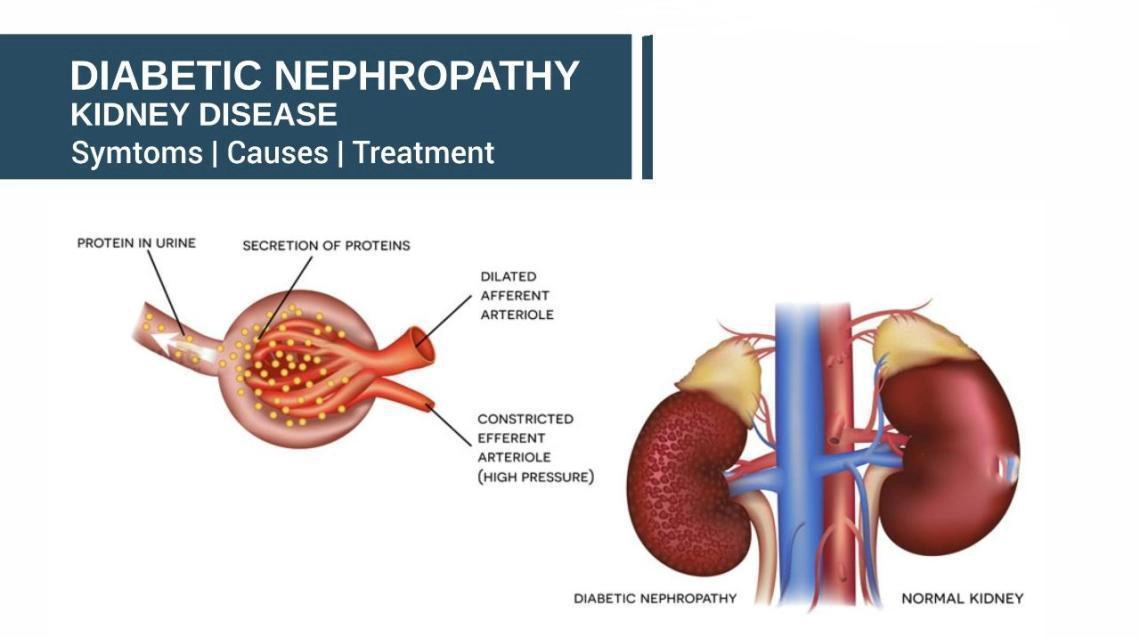
Diabetic nephropathy, also known as diabetic kidney disease, is a serious complication of diabetes that affects millions worldwide. While the medical understanding and treatment of this condition have advanced considerably, its impact extends far beyond physical health. The financial ramifications of diabetic nephropathy are significant, touching upon personal finances, healthcare expenditures, and the broader economic landscape of diabetes management. This article delves into the multifaceted financial aspects of diabetic nephropathy, exploring its cost drivers, the economic burden it imposes, and the financial strategies available for individuals and healthcare systems to mitigate these challenges.

The Escalating Economic Burden of Diabetic Nephropathy
The financial impact of diabetic nephropathy is substantial and multifaceted, stemming from a complex interplay of direct medical costs, indirect economic losses, and the long-term expenses associated with managing advanced kidney disease. Understanding these cost drivers is crucial for individuals, healthcare providers, and policymakers to develop effective financial management strategies and allocate resources efficiently.
Direct Medical Costs: A Significant Financial Drain
The most immediate and discernible financial burden of diabetic nephropathy arises from direct medical costs. These costs begin with the initial diagnosis and continue to escalate as the disease progresses.
Diagnostic and Monitoring Expenses
The journey of managing diabetic nephropathy often starts with regular monitoring of kidney function. This involves routine blood and urine tests to assess glomerular filtration rate (GFR) and albuminuria levels. While individual tests may seem relatively inexpensive, their cumulative cost over years of diabetes management can add up. For individuals without comprehensive health insurance, these diagnostic procedures can represent a significant out-of-pocket expense. Furthermore, as the disease progresses, more specialized tests, such as kidney ultrasounds or biopsies, might be required, further increasing diagnostic costs.
Treatment and Management Costs
The treatment of diabetic nephropathy aims to slow its progression and manage associated complications. This includes the prescription of medications such as ACE inhibitors and ARBs, which are often essential for blood pressure and kidney protection. The cost of these medications, especially for long-term use, can be a substantial recurring expense. In addition to these primary medications, individuals may require treatments for related conditions like hypertension, dyslipidemia, and anemia, further adding to their medication bills.
Management of Complications and Advanced Disease
As diabetic nephropathy advances, it often leads to severe complications that incur even higher medical costs. These can include cardiovascular diseases, nerve damage (neuropathy), and even end-stage renal disease (ESRD). Managing cardiovascular complications often involves costly medications, surgical procedures, and hospitalizations. When ESRD is reached, the financial burden dramatically increases, necessitating treatments like dialysis or kidney transplantation.
Dialysis: A Costly Lifeline
Hemodialysis and peritoneal dialysis are life-sustaining treatments for ESRD but come with exorbitant costs. Hemodialysis typically involves multiple sessions per week, each requiring specialized equipment, trained personnel, and facility overhead. The cost per session, multiplied by the number of sessions per year, results in tens of thousands of dollars annually. Peritoneal dialysis, while often performed at home, still incurs costs related to supplies, training, and potential complications.
Kidney Transplantation: A High Upfront Investment
Kidney transplantation offers a higher quality of life for individuals with ESRD but represents a significant upfront financial investment. The surgery itself is complex and expensive, followed by lifelong immunosuppressant medications to prevent rejection, which are also costly. While transplantation can reduce long-term dialysis costs, the initial outlay and ongoing medication expenses remain considerable.
Hospitalizations and Emergency Care
Individuals with diabetic nephropathy are at increased risk of hospitalizations due to acute kidney injury, fluid overload, electrolyte imbalances, or infections. These hospital stays, especially prolonged ones or those requiring intensive care, can result in astronomical medical bills, often pushing individuals and their families into significant debt.
Indirect Economic Losses: The Hidden Costs of Illness
Beyond direct medical expenses, diabetic nephropathy imposes substantial indirect economic losses that affect both individuals and society. These costs, though less tangible, represent a significant drain on productivity and well-being.
Lost Productivity and Reduced Earning Capacity
The debilitating nature of advanced diabetic nephropathy often leads to reduced work capacity or complete inability to work. Chronic fatigue, pain, frequent medical appointments, and the need for dialysis or post-transplant recovery can force individuals to take extended leaves of absence or retire early. This translates into lost wages for individuals and reduced overall economic output. For businesses, this can mean higher healthcare insurance premiums, increased absenteeism, and the costs associated with replacing or retraining employees.
Caregiver Burden and Economic Impact
The progression of diabetic nephropathy often necessitates significant support from family members or hired caregivers. These caregivers may have to reduce their working hours or leave their jobs entirely to provide necessary care, leading to a loss of income for the household. The emotional and physical toll on caregivers is immense, and their financial sacrifices, while often unquantified, contribute to the broader economic impact of the disease.
Impact on Public Health Budgets and Social Welfare Programs
Globally, diabetic nephropathy places a massive strain on public health budgets and social welfare programs. Government-funded healthcare systems bear a significant portion of the costs associated with diagnosing, treating, and managing diabetic nephropathy, especially in its advanced stages. This includes funding for dialysis centers, transplant programs, and long-term care facilities. The diversion of resources to manage these chronic complications can impact funding for other essential public health initiatives.

Financial Management and Mitigation Strategies for Diabetic Nephropathy
Given the substantial financial implications of diabetic nephropathy, proactive financial management and strategic mitigation efforts are paramount. These strategies aim to reduce out-of-pocket expenses, optimize insurance coverage, and explore avenues for financial assistance, ensuring that individuals can access necessary care without facing insurmountable debt.
Leveraging Health Insurance and Financial Planning
For individuals diagnosed with or at risk of diabetic nephropathy, understanding and maximizing health insurance benefits is the first line of financial defense.
Optimizing Health Insurance Coverage
Navigating the complexities of health insurance plans is crucial. This involves understanding deductibles, co-pays, co-insurance, and out-of-pocket maximums. Choosing a plan that offers robust coverage for chronic disease management, including specialist visits, prescription drugs, and dialysis or transplant services, can significantly reduce financial exposure. For individuals with employer-sponsored insurance, understanding the nuances of their plan and advocating for comprehensive coverage is vital. For those purchasing insurance independently, thorough research into plan benefits and costs is essential.
Utilizing Preventive Care Benefits
Many health insurance plans offer incentives and coverage for preventive care services. Regular check-ups, screenings for diabetes complications, and access to diabetes education programs can help detect and manage diabetic nephropathy in its early stages, thereby preventing the escalation of costs associated with advanced disease. Utilizing these preventive benefits can prove to be a cost-effective investment in long-term health and financial well-being.
Exploring Government Assistance Programs
For individuals with limited income or without adequate insurance, various government assistance programs can provide a financial lifeline. Medicare and Medicaid in the United States, and similar programs in other countries, offer coverage for individuals with chronic conditions and disabilities. Understanding the eligibility criteria for these programs and navigating the application process can be instrumental in accessing affordable healthcare.
Strategies for Cost Reduction and Financial Resilience
Beyond insurance, individuals can adopt several strategies to manage the financial burden of diabetic nephropathy and build financial resilience.
Adherence to Treatment Plans and Lifestyle Modifications
The most effective way to manage the financial impact of diabetic nephropathy is to adhere strictly to prescribed treatment plans and adopt healthy lifestyle modifications. This includes maintaining optimal blood glucose control, managing blood pressure and cholesterol, and adopting a kidney-friendly diet. By slowing disease progression, individuals can delay or even prevent the need for costly interventions like dialysis or transplantation, thereby reducing long-term healthcare expenditures. This proactive approach not only benefits physical health but also significantly impacts financial sustainability.
Exploring Prescription Assistance Programs and Generic Medications
The cost of prescription medications can be a significant barrier. Individuals should actively explore prescription assistance programs offered by pharmaceutical companies, non-profit organizations, and government agencies. These programs can significantly reduce the cost of essential medications. Furthermore, discussing the use of generic alternatives with healthcare providers can lead to substantial savings without compromising treatment efficacy.
Building an Emergency Fund and Long-Term Financial Planning
The unpredictable nature of chronic illness underscores the importance of an emergency fund. Having accessible savings can help cover unexpected medical expenses, such as emergency room visits or the immediate costs associated with a new treatment. For individuals with diabetic nephropathy, engaging in long-term financial planning, including setting aside funds for future healthcare needs and considering life insurance, can provide a crucial safety net for themselves and their families.
Systemic Approaches: Investing in Prevention and Research
The financial burden of diabetic nephropathy is not solely an individual concern; it is a systemic challenge that requires investment in prevention and ongoing research.
Investing in Diabetes Prevention Programs
Early detection and prevention of type 2 diabetes, the leading cause of diabetic nephropathy, are critical in stemming the tide of this costly complication. Investing in public health initiatives that promote healthy lifestyles, educate communities about diabetes risk factors, and facilitate access to screening programs can significantly reduce the incidence of diabetes and, consequently, diabetic nephropathy. These preventive measures, while requiring initial investment, yield substantial long-term economic benefits by reducing the prevalence of chronic diseases and their associated healthcare costs.
Funding Research for Novel Treatments and Cures
Continued investment in research is essential for developing more effective treatments, preventive strategies, and ultimately, cures for diabetic nephropathy. Breakthroughs in understanding the molecular mechanisms of kidney damage in diabetes could lead to novel therapeutic interventions that slow or reverse the disease process, thereby reducing the need for costly end-stage renal replacement therapies. Funding for such research translates into significant long-term savings for healthcare systems and improved quality of life for millions.
Promoting Interdisciplinary Care Models
Effective management of diabetic nephropathy often requires a coordinated approach involving various healthcare professionals, including nephrologists, endocrinologists, dietitians, and social workers. Implementing interdisciplinary care models can improve patient outcomes and potentially reduce overall healthcare costs by optimizing treatment plans, enhancing patient adherence, and addressing the psychosocial aspects of chronic illness. This holistic approach ensures that patients receive comprehensive care, which can prevent costly complications and hospitalizations.
In conclusion, diabetic nephropathy presents a formidable financial challenge, impacting individuals, families, and healthcare systems on a global scale. By understanding the economic drivers, leveraging available financial resources, adopting proactive management strategies, and advocating for systemic investments in prevention and research, we can work towards mitigating the economic burden of this serious complication of diabetes and pave the way for a healthier, more financially secure future for those affected.
aViewFromTheCave is a participant in the Amazon Services LLC Associates Program, an affiliate advertising program designed to provide a means for sites to earn advertising fees by advertising and linking to Amazon.com. Amazon, the Amazon logo, AmazonSupply, and the AmazonSupply logo are trademarks of Amazon.com, Inc. or its affiliates. As an Amazon Associate we earn affiliate commissions from qualifying purchases.