
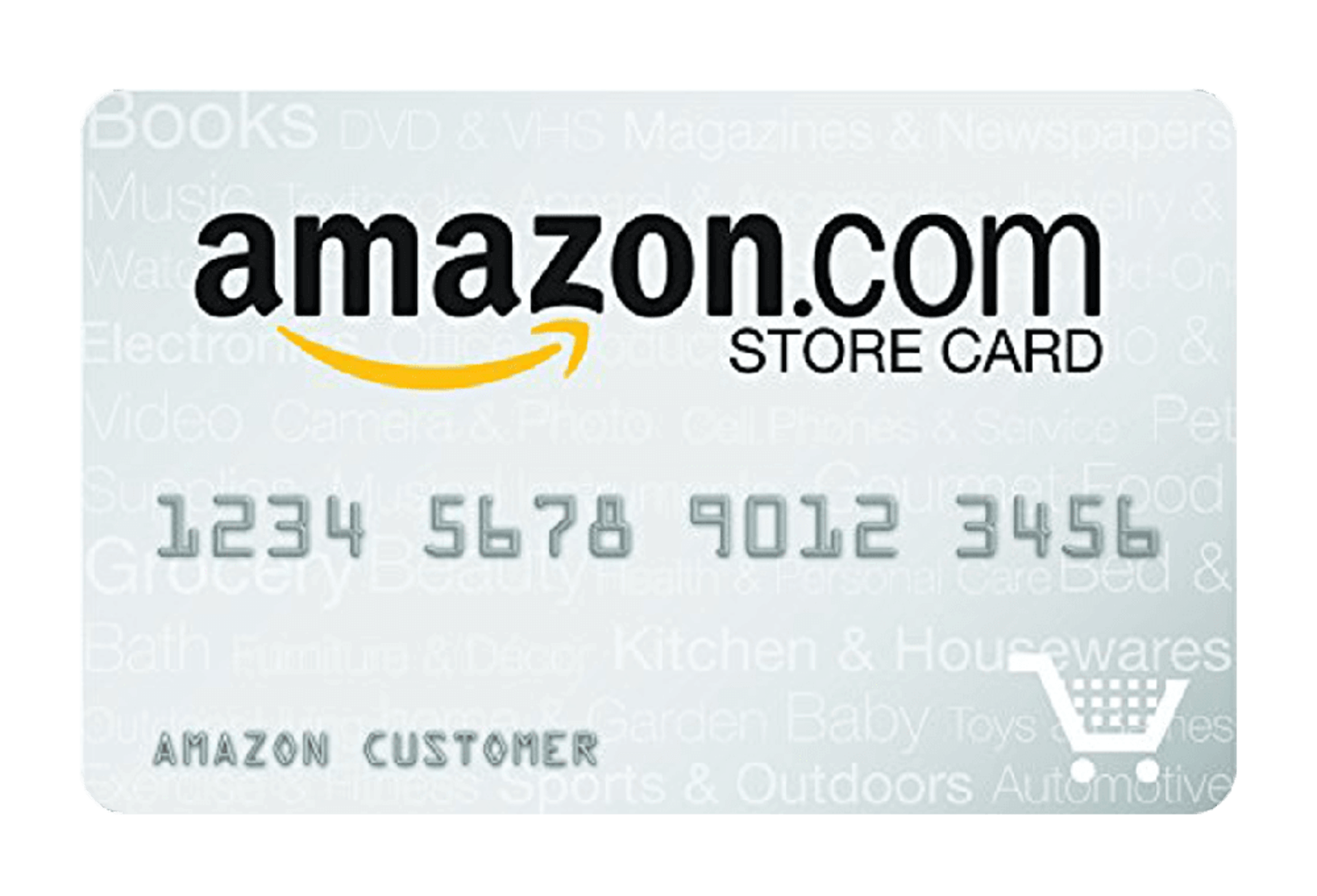
The Amazon Store Card, issued by Synchrony Bank, occupies a unique niche in the landscape of personal finance tools. Unlike traditional credit cards that carry a Visa, Mastercard, or American Express logo, the Amazon Store Card is a “closed-loop” retail card. In the world of consumer credit, understanding the boundaries of where and how a financial instrument can be utilized is paramount to maximizing its value while maintaining a healthy credit profile. For the savvy consumer, this card is not just a payment method but a strategic asset designed specifically for the Amazon ecosystem.

The Mechanics of a Closed-Loop Financial Tool
To understand where the Amazon Store Card can be used, one must first understand its structural limitations. A closed-loop card is designed to be used exclusively with a specific retailer or a family of brands. This differs from “open-loop” cards, which are accepted anywhere the processing network (like Visa) is recognized.
For the cardholder, this means the Amazon Store Card cannot be used to pay for dinner at a local restaurant, buy gas at a station, or book a flight on an airline’s website. Its utility is laser-focused on the Amazon marketplace and its direct subsidiaries. While this may seem restrictive, this specialization allows the card to offer financial incentives—such as high-percentage cash back and unique financing terms—that general-purpose cards often struggle to match for a single retailer.
The Role of Synchrony Bank
The card is managed by Synchrony Bank, a leader in the private-label credit card industry. Because Synchrony handles the underwriting and billing, the card does not interact with your standard checking account bank unless you manually set up payments. This separation is a critical detail for those managing multiple lines of credit; the Store Card serves as a dedicated line for Amazon-related procurement, keeping those expenses distinct from daily living costs.
Authorized Retail Outlets and Digital Platforms
The primary destination for the Amazon Store Card is, unsurprisingly, Amazon.com. However, the “Amazon” umbrella has expanded significantly over the last decade, and the card’s usability has grown alongside it.
Amazon.com and the Mobile App
The most common use case is for purchases made directly on the Amazon website or through the mobile application. This includes millions of physical items, ranging from electronics and household goods to clothing and pantry staples. The card is seamlessly integrated into the Amazon “1-Click” checkout system, making it the default choice for millions of Prime members.
Amazon Fresh and Amazon Go
As Amazon has moved into the physical retail space, the Store Card has followed. Cardholders can use their Amazon Store Card at Amazon Fresh grocery stores and Amazon Go convenience stores. By linking the card to the Amazon app, users can take advantage of the “Just Walk Out” technology or traditional checkout counters at these locations. For those who do the bulk of their grocery shopping through Amazon Fresh, this turns the card into a vital tool for managing food budgets and earning rewards on essential spending.
Digital Content and Subscriptions
The card’s utility extends deep into Amazon’s digital media empire. It is an acceptable form of payment for:
-
Kindle Direct Publishing and eBooks: Purchasing titles for your Kindle library.
-
Prime Video: Renting or buying movies and television shows not included in the standard Prime catalog.
-
Amazon Music and Audible: Paying for monthly subscriptions or individual audiobook credits.
-
Appstore Purchases: Buying apps or in-app content on Fire tablets and Android devices.
What About Whole Foods Market?
There is often confusion regarding Whole Foods. While Amazon owns Whole Foods, the Amazon Store Card (the Synchrony version) is generally not accepted for in-store purchases at Whole Foods checkout counters in the same way a standard credit card is. To earn rewards or use an Amazon-branded card at Whole Foods, consumers typically need the Amazon Visa (issued by Chase). However, if you order Whole Foods delivery or pickup through the Amazon.com interface, the Store Card can be used for that transaction, as the billing is processed through the main Amazon portal.
Leveraging Promotional Financing for Large Purchases
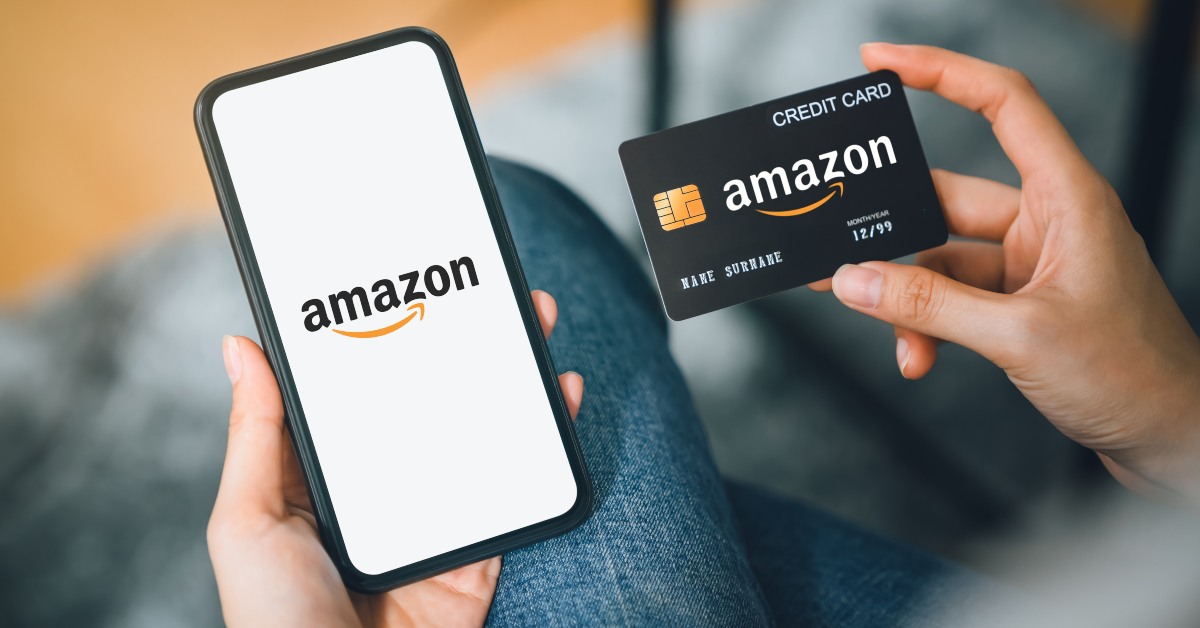
One of the most compelling reasons to use the Amazon Store Card is not just where it is used, but how it handles large-scale transactions. For many users, this card functions as a business or personal finance tool for staggered payments.
Deferred Interest Financing
The Store Card often offers “No Interest if Paid in Full” promotions for 6, 12, or 24 months on purchases above certain price thresholds (typically $150, $600, and $800, respectively). From a financial management perspective, this is a double-edged sword. If the balance is paid off within the promotional window, the consumer has essentially received a 0% APR loan. However, these are deferred interest plans. If a single cent remains on the balance after the promotional period expires, interest is back-dated to the original purchase date at a high APR.
Equal Monthly Payments
For those who prefer a more structured approach, Amazon offers “Equal Monthly Payments” on select items. Unlike deferred interest, these plans often come with a 0% APR that does not penalize the user as harshly, provided the monthly minimum is met. This feature is particularly useful for “Side Hustlers” or home-office workers purchasing expensive equipment like laptops, cameras, or ergonomic furniture, allowing them to spread the cost over a year without depleting their cash reserves.
Comparing the Store Card to the Amazon Visa Signature
To truly understand the value proposition of the Store Card, one must compare it to its sibling, the Amazon Visa. This comparison highlights the “Money” strategy involved in choosing which card to use.
-
Accessibility: The Store Card is often easier to qualify for than the Visa version, making it a common choice for those looking to build or repair their credit history.
-
Rewards Structure: Both cards offer 5% back for Prime members on Amazon purchases. However, the Visa card also offers rewards on gas stations, restaurants, and drugstores. If your goal is a “one-card-fits-all” solution, the Store Card will feel limited. If your goal is to isolate your Amazon spending to maximize a specific rewards pool, the Store Card is superior.
-
Annual Fees: Neither card has a traditional annual fee, but both require a paid Amazon Prime membership to access the 5% back tier. Without Prime, the reward rate typically drops to 1% or disappears, changing the math on whether the card is worth the “slot” in your wallet.
Strategic Integration into a Personal Finance Plan
Using the Amazon Store Card effectively requires more than just knowing which checkout buttons to click; it requires a strategic approach to credit utilization and cash flow management.
Credit Building and Utilization
Because the Amazon Store Card often comes with a lower credit limit than a premium travel card, it is easy to accidentally report a high utilization rate. If you have a $1,000 limit and buy a $900 television using promotional financing, your utilization for that card is 90%, which can negatively impact your credit score. Financial experts recommend keeping utilization under 30%. To mitigate this, users should consider making mid-cycle payments or requesting credit limit increases once they have established a history of on-time payments.
Optimizing Cash Flow
For those who operate small businesses or freelance out of their homes, the Amazon Store Card acts as a line of credit for overhead. By utilizing the 5% back (which is applied as a statement credit), a business can effectively reduce its operating costs by 5% on all supplies sourced through Amazon. When combined with the 0% financing options, the card becomes a powerful tool for maintaining liquidity. Instead of paying $2,000 upfront for inventory or equipment, the business can keep that cash in a high-yield savings account, earning interest, while paying down the Amazon balance interest-free over 12 months.
Avoiding the “Consumerism Trap”
The ease of use—the 1-Click ordering and the seamless integration of the Store Card—can lead to impulse spending. From a wealth-building perspective, the 5% rewards are only beneficial if they aren’t negated by interest charges or by purchasing items you wouldn’t have otherwise bought. The most successful users of the Amazon Store Card are those who treat it with the same discipline as a high-interest bank loan, ensuring that every purchase is planned and every statement is paid in full or within the promotional window.
Conclusion
The Amazon Store Card is a specialized financial instrument that excels within the confines of the Amazon ecosystem. While you cannot use it at the mall or the local grocery store, its deep integration with Amazon.com, Amazon Fresh, and various digital platforms makes it an indispensable tool for the frequent Amazon shopper. By understanding the nuances of deferred interest, leveraging the 5% back for Prime members, and maintaining a disciplined approach to credit utilization, consumers can turn this “closed-loop” card into a significant engine for personal savings and financial efficiency. Whether you are building credit or looking to optimize a high-volume household budget, knowing exactly where and how to deploy the Amazon Store Card is the key to mastering this corner of the digital economy.
aViewFromTheCave is a participant in the Amazon Services LLC Associates Program, an affiliate advertising program designed to provide a means for sites to earn advertising fees by advertising and linking to Amazon.com. Amazon, the Amazon logo, AmazonSupply, and the AmazonSupply logo are trademarks of Amazon.com, Inc. or its affiliates. As an Amazon Associate we earn affiliate commissions from qualifying purchases.