
The decision to purchase a vehicle is often one of the most significant financial commitments many individuals make, second only to housing. For most, this commitment translates into a recurring monthly car payment. But what exactly constitutes an “average car payment,” and what factors truly influence this figure? Understanding these dynamics is crucial for making informed financial decisions, budgeting effectively, and ensuring your vehicle acquisition aligns with your broader financial health.
This guide delves into the intricate world of car financing, dissecting the components of an average car payment, exploring the myriad factors that drive these figures, and offering practical strategies for managing this expense responsibly. In an era of fluctuating economic conditions and evolving vehicle markets, a clear understanding of your car payment can empower you to navigate the complexities of vehicle ownership with confidence.

Deconstructing the Average Car Payment Landscape
The concept of an “average” car payment is often cited, yet it’s a figure fraught with nuances. While statistics provide a snapshot of the market, they rarely tell the whole story of individual financial situations.
The Current State of Car Payments: New vs. Used Vehicles
According to recent data from financial institutions and automotive industry reports, the average car payment for a new vehicle has been steadily climbing. As of late 2023 and early 2024, the average new car loan payment often hovers around $700-$750 per month, with some reports pushing this figure even higher. This increase is primarily driven by rising vehicle prices, higher interest rates, and longer loan terms.
Conversely, the average car payment for a used vehicle is typically lower, though it too has seen an upward trend. Used car payments often range from $500-$575 per month. The gap between new and used car payments reflects the difference in initial purchase price, but it’s important to remember that used cars can also come with higher interest rates for certain borrowers due to perceived greater risk, or they might be older vehicles with a shorter remaining lifespan, impacting long-term value.
These averages, while indicative, can fluctuate significantly based on various economic factors, including inflation, interest rate policies from central banks, supply chain issues affecting vehicle availability, and consumer demand. They serve as a benchmark, not a definitive target for every buyer.
Beyond the Monthly Figure: What Your Payment Includes
A car payment isn’t just about the principal amount borrowed for the vehicle itself. It’s a calculated sum designed to cover several key components over the life of your loan:
-
Principal: This is the core amount you borrowed to purchase the vehicle. Each payment reduces this outstanding balance.
-
Interest: This is the cost of borrowing money from the lender. It’s calculated as a percentage of the remaining principal balance. Early payments tend to have a larger portion allocated to interest, while later payments prioritize principal reduction.
-
Taxes: Sales tax on the vehicle purchase is often rolled into the loan amount, increasing the total financed.
-
Fees: Various fees can be included, such as documentation fees, registration fees, title fees, and potentially other administrative charges from the dealership or lender.
-
Optional Add-ons: If you opt for extended warranties, service contracts, or GAP (Guaranteed Asset Protection) insurance and roll them into your loan, they will also contribute to your monthly payment.
Understanding these components helps demystify your monthly statement and illustrates how the final payment sum is derived.
Why Averages Can Be Misleading: Nuances and Variations
Relying solely on an average car payment figure can be misleading because it doesn’t account for the vast differences in individual circumstances. Factors like geographical location (different taxes and fees), specific vehicle models (luxury vs. economy), borrower creditworthiness, down payment size, and chosen loan terms all contribute to a highly personalized monthly payment. For instance, someone with excellent credit buying a well-maintained used sedan with a substantial down payment will likely have a far lower payment than someone with fair credit financing a brand-new SUV with zero down. Therefore, while averages provide context, it’s more critical to understand the personal factors that will shape your specific car payment.
Key Factors Driving Your Monthly Car Expense
Many variables coalesce to determine the exact amount you pay each month for your vehicle. Being aware of these elements allows for better negotiation and more strategic financial planning.
Vehicle Price and Depreciation: The Foundation of Your Loan
The most obvious factor influencing your car payment is the purchase price of the vehicle. A more expensive car naturally requires a larger loan, leading to higher monthly payments, assuming all other factors remain constant. Understanding the depreciation rate of a vehicle is also critical. While not directly impacting the monthly payment calculation, rapid depreciation can mean you owe more on the car than it’s worth, especially early in the loan term. This “upside down” situation (negative equity) can have significant financial implications if you need to sell or trade in the car before the loan is paid off. Researching a vehicle’s resale value and depreciation trends can help you make a more financially sound purchase decision.
Interest Rates and Your Credit Score: The Cost of Borrowing
The interest rate on your car loan is a significant determinant of your monthly payment and the total cost of the loan over time. A higher interest rate means you pay more for the privilege of borrowing. Your credit score is the primary factor lenders use to determine the interest rate they offer you.
-
Excellent Credit (780-850): Borrowers in this range typically qualify for the lowest interest rates, often below 5-6% for new cars, sometimes even 0% APR offers during promotions.
-
Good Credit (670-739): Still qualifies for favorable rates, though slightly higher than excellent credit.
-
Fair Credit (580-669): Expect significantly higher interest rates, often in the double digits, reflecting the increased risk perceived by lenders.
-
Poor Credit (300-579): Rates can be very high, making car ownership prohibitively expensive and sometimes leading to predatory lending situations.
Improving your credit score before applying for a car loan can save you thousands of dollars in interest over the life of the loan.
Loan Term and Down Payment: Shaping Your Monthly Commitment
The loan term (the duration over which you repay the loan) directly impacts your monthly payment.
-
Shorter Loan Terms (e.g., 36 or 48 months): Result in higher monthly payments but lower total interest paid over the life of the loan. You own the car outright faster.
-
Longer Loan Terms (e.g., 60, 72, or even 84 months): Lead to lower monthly payments, making the car seem more affordable in the short term. However, you’ll pay significantly more in total interest, and you might find yourself owing more than the car is worth for a longer period.
The down payment is the amount of money you pay upfront toward the purchase of the vehicle. A larger down payment reduces the amount you need to borrow, thereby lowering your monthly payments and the total interest you’ll pay. Financial experts often recommend a down payment of at least 10-20% for new cars and 5-10% for used cars to minimize negative equity and secure better loan terms.
Taxes, Fees, and Optional Add-ons: Hidden Contributors
While often overlooked, various taxes, fees, and optional add-ons can subtly inflate your car payment.
-
Sales Tax: Varies by state and local municipality, and is typically added to the vehicle’s price before financing.
-
Documentation Fees: Charged by dealerships for processing paperwork.
-
Registration and Title Fees: Required by the state to legally own and operate your vehicle.
-
Extended Warranties/Service Contracts: While potentially valuable, rolling these into your loan increases the principal amount and thus your monthly payment and total interest paid.
-
GAP Insurance: Covers the difference between what you owe on your loan and the car’s actual cash value if it’s totaled or stolen. If not purchased separately, it can be added to your loan.
It’s crucial to scrutinize the full breakdown of costs and understand which items are negotiable or can be paid for separately to avoid unnecessary increases in your monthly payment.
Strategies for Managing and Reducing Your Car Payment
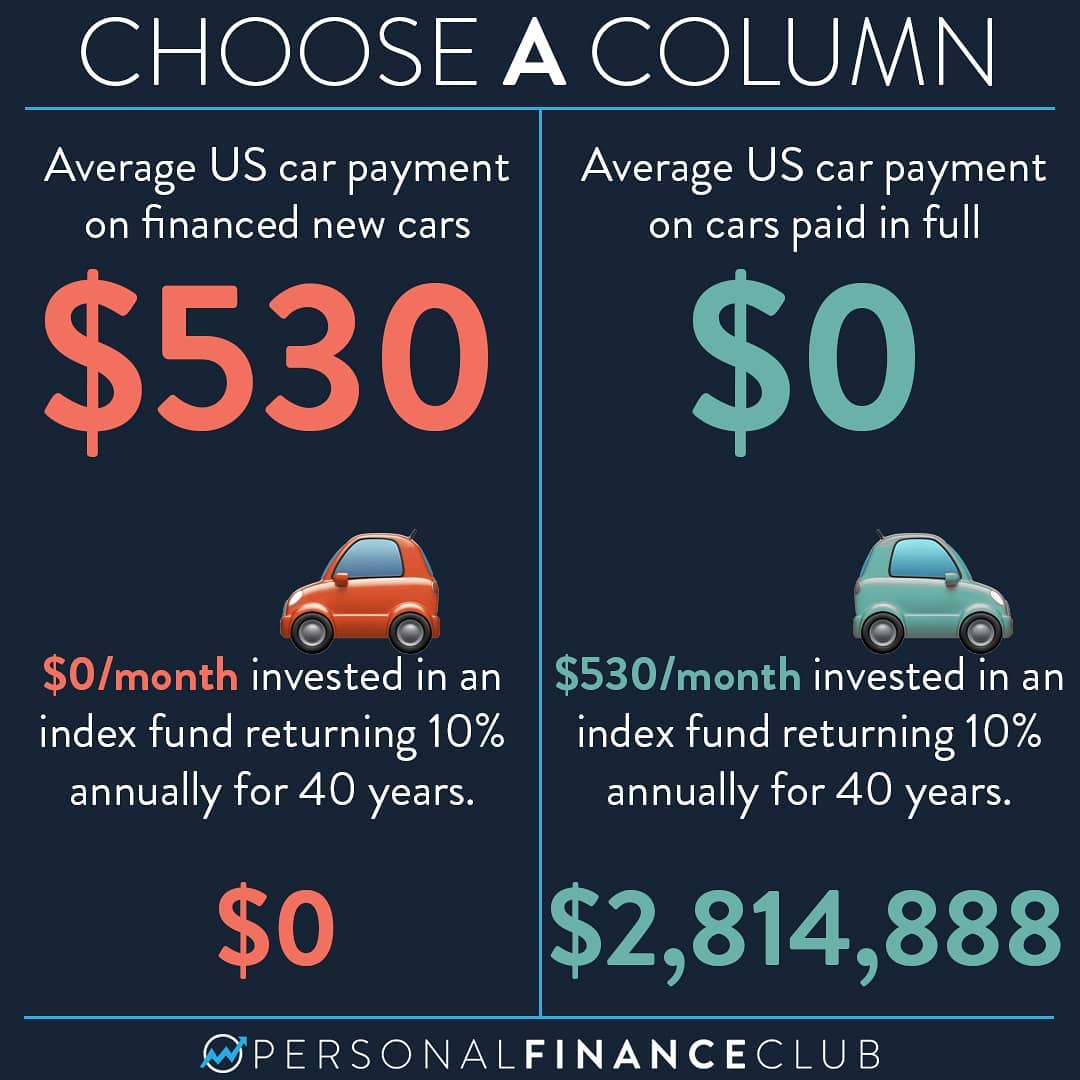
Armed with an understanding of the factors that shape your car payment, you can employ various strategies to manage and potentially reduce this significant expense.
The Power of a Strong Down Payment
As discussed, a larger down payment is one of the most effective ways to lower your monthly car payment. By reducing the principal amount financed, you immediately decrease both your monthly obligation and the total interest accrued over the loan term. Aiming for at least 20% down on a new car and 10% on a used car is a wise financial move that provides a buffer against rapid depreciation and helps secure more favorable loan terms. Saving up for a substantial down payment before car shopping can significantly improve your financial standing post-purchase.
Optimizing Your Loan Term and Interest Rate
While longer loan terms offer lower monthly payments, they come at the cost of higher total interest. Strive for the shortest loan term you can comfortably afford, ideally 60 months or less for new cars and even shorter for used vehicles. Simultaneously, focus on securing the lowest possible interest rate.
-
Shop Around for Lenders: Don’t just accept the dealership’s financing offer. Compare rates from banks, credit unions, and online lenders before you visit the dealership. Getting pre-approved for a loan gives you leverage during negotiations.
-
Improve Your Credit Score: Prioritize paying down other debts, disputing inaccuracies on your credit report, and making all payments on time to boost your score. A few points can make a substantial difference in your interest rate.
Exploring Used Cars and Budgeting Wisely
Opting for a used car can dramatically lower your purchase price and, consequently, your monthly payment. Used cars have already undergone their steepest depreciation, offering better value for money. When considering a used car, focus on reliable models known for their longevity and lower maintenance costs.
More broadly, establishing a realistic budget is paramount. Many financial advisors suggest that your total car-related expenses (payment, insurance, fuel, maintenance) should not exceed 10-20% of your net monthly income. Use online car payment calculators to experiment with different price points, down payments, and loan terms to find a payment that comfortably fits within your budget. Don’t forget to factor in other ownership costs beyond the payment itself.
Refinancing: A Second Chance at Better Terms
If you’ve already purchased a car and your financial situation or credit score has improved since then, refinancing your car loan could be an excellent strategy to lower your monthly payment or reduce the total interest paid. Refinancing involves taking out a new loan to pay off your existing car loan, ideally with a lower interest rate or a more favorable term. This can be particularly beneficial if interest rates have dropped since you initially financed, or if your credit score has significantly improved. Research different lenders and compare their refinancing offers to ensure you’re getting a better deal.
The Broader Financial Impact of Car Ownership
A car payment is just one piece of the vehicle ownership puzzle. Understanding the total financial picture is essential for long-term financial stability.
Total Cost of Ownership: Beyond the Monthly Payment
Many car buyers make the mistake of focusing solely on the monthly payment. However, the total cost of ownership (TCO) includes far more than just your loan payment:
-
Insurance: A mandatory and often substantial monthly expense, varying greatly based on the car, your driving history, and location.
-
Fuel: A variable cost that can significantly impact your budget, especially with volatile gas prices and less fuel-efficient vehicles.
-
Maintenance and Repairs: Regular oil changes, tire rotations, and unexpected repairs are inevitable. Newer cars might have lower immediate maintenance costs but could have higher repair bills once out of warranty.
-
Registration and Licensing Fees: Annual costs required by your state.
-
Depreciation: While not a direct cash outflow, it represents a loss in the vehicle’s value, which is a real cost if you intend to sell or trade in the car.
Ignoring these additional costs can lead to financial strain, even if your monthly car payment seems affordable. Always factor in the TCO when making a purchase decision.
Budgeting for Car Payments: A Holistic Approach
When integrating a car payment into your personal budget, adopt a holistic approach. Allocate funds not just for the loan payment but also for insurance, fuel, and a dedicated savings fund for maintenance and unexpected repairs. Consider using budgeting apps or spreadsheets to track these expenses meticulously. This ensures that you have a realistic view of your transportation costs and can avoid surprises. If transportation costs exceed a healthy percentage of your income (e.g., 15-20% total), it might be time to reassess your vehicle choice or explore alternatives like public transport, ride-sharing, or less expensive vehicles.
When Is a Car Payment Too High? Assessing Affordability
There’s no universal “too high” threshold for a car payment, as it depends on individual income, expenses, and financial goals. However, general guidelines can help you assess affordability:
-
The 20/4/10 Rule: This often-cited guideline suggests a 20% down payment, a loan term no longer than 4 years (48 months), and total monthly vehicle expenses (payment, insurance, fuel) not exceeding 10% of your gross monthly income. While a good aspirational goal, especially for new car buyers, it can be challenging to meet in today’s market.
-
Your Debt-to-Income Ratio: Lenders look at your debt-to-income (DTI) ratio, which compares your total monthly debt payments to your gross monthly income. A high DTI can make it harder to qualify for other loans (like a mortgage) in the future. Aim to keep your total DTI, including a car payment, below 36%.
-
Impact on Other Goals: If your car payment (and related expenses) prevents you from saving for retirement, building an emergency fund, paying off high-interest debt, or pursuing other financial goals, then it’s likely too high for your situation.
Ultimately, a car payment is “too high” if it causes financial stress, compromises your ability to meet other essential needs, or derails your long-term financial objectives.
Future Trends and Smart Decisions in Vehicle Financing
The automotive landscape is continually evolving, bringing new considerations for car buyers and their financing decisions.
The Rise of Electric Vehicles and Their Financing Implications
Electric Vehicles (EVs) are gaining popularity, and their financing implications differ from traditional gasoline cars. While the initial purchase price of EVs can be higher, government incentives (tax credits, rebates) can offset some of the cost. Financing terms for EVs are becoming more competitive as their market share grows. Additionally, lower fuel costs (electricity vs. gasoline) and often reduced maintenance expenses (fewer moving parts) can make the total cost of ownership more attractive over the long run, despite a potentially higher upfront payment. Buyers considering EVs should factor in these long-term savings when assessing monthly payments.
Leveraging Technology for Smarter Car Buying
Today’s car buyers have unprecedented access to information and tools.
-
Online Calculators: Help estimate monthly payments, interest costs, and total loan amounts.
-
Comparison Websites: Allow you to compare vehicle prices, features, and even get pre-approved loan offers from multiple lenders without leaving your home.
-
Vehicle History Reports: Services like CarFax and AutoCheck provide detailed histories of used cars, helping you avoid problematic vehicles.
-
Online Reviews and Forums: Offer insights into reliability, ownership costs, and real-world experiences with different models.
Leveraging these technological resources can empower you to make more informed decisions, negotiate better deals, and find a car payment that truly fits your financial situation.

A Long-Term Perspective on Vehicle Investment
Viewing your car purchase as part of your overall financial strategy, rather than just an isolated transaction, is key. Consider:
-
Longevity: How long do you plan to keep the car? A reliable, well-maintained vehicle can serve you for many years, spreading out the cost of ownership.
-
Resale Value: Some vehicles hold their value better than others. Investing in a car with good resale value can provide a stronger financial position when it’s time to sell or trade in.
-
Financial Flexibility: Aim for a car payment that leaves you with sufficient financial flexibility to handle emergencies, invest, and pursue other life goals. Avoid being “car poor.”
By adopting a long-term perspective and making conscious choices, you can ensure that your car payment serves as a manageable component of a robust and healthy financial plan. In conclusion, understanding the average car payment is just the starting point. A deeper dive into its components, influencing factors, and strategic management approaches empowers consumers to make choices that align with their financial well-being, rather than becoming a source of ongoing financial strain.
aViewFromTheCave is a participant in the Amazon Services LLC Associates Program, an affiliate advertising program designed to provide a means for sites to earn advertising fees by advertising and linking to Amazon.com. Amazon, the Amazon logo, AmazonSupply, and the AmazonSupply logo are trademarks of Amazon.com, Inc. or its affiliates. As an Amazon Associate we earn affiliate commissions from qualifying purchases.