
Pursuing higher education is an investment in your future, a path to expanded opportunities, and often, a significant financial commitment. With tuition costs, living expenses, and other associated fees continually rising, many students find themselves needing financial assistance to bridge the gap between their savings and the total cost of attendance. Student loans emerge as a critical tool in funding these educational aspirations. But for those new to the process, the landscape of student lending can appear complex and daunting. This article aims to demystify the process, guiding you through the primary sources of student loans, the types available, and crucial considerations to make informed borrowing decisions. Understanding where to get student loans is the first step towards securing your education without overwhelming financial stress.
Navigating the Landscape of Student Loans
Before diving into specific lenders, it’s essential to grasp the fundamental distinctions within the student loan market. Not all loans are created equal, and understanding their differences can significantly impact your financial well-being during and after college.
The Rising Cost of Education and the Role of Loans
The cost of a college degree has surged dramatically over the past few decades, outpacing inflation and wage growth. This escalation makes it increasingly difficult for families to cover expenses solely through savings or current income. Grants and scholarships, while invaluable, often don’t cover the full cost. This reality positions student loans as a necessary component of financial aid packages for millions of students each year. They provide the capital needed to pay for tuition, housing, books, and other living expenses, allowing students to focus on their studies rather than immediate financial worries. However, borrowing comes with a responsibility: repayment, which typically begins after graduation.
Federal vs. Private: A Fundamental Distinction
The most crucial distinction in the student loan world is between federal and private loans. This isn’t just a matter of who lends the money; it’s about fundamentally different terms, protections, and benefits.
- Federal Student Loans: These loans are funded by the U.S. government. They come with standardized terms, fixed interest rates, and often offer more flexible repayment options, deferment, forbearance, and even potential forgiveness programs. Eligibility is primarily determined by financial need (for some types) and enrollment status.
- Private Student Loans: These loans are offered by banks, credit unions, and other financial institutions. They are subject to the lender’s terms, which can vary widely. Private loans typically require a credit check and often a co-signer, and their interest rates can be fixed or variable, generally depending on the borrower’s creditworthiness. They offer fewer consumer protections and repayment flexibilities compared to federal loans.
Understanding these core differences is paramount, as it will guide your strategy for where to seek funds, prioritizing the most advantageous options first.
Understanding Federal Student Loans: Your Primary Option
For most students, federal student loans should be the first line of inquiry. They are generally considered the most favorable option due to their borrower-friendly terms and various protections. These loans are administered by the U.S. Department of Education.
Direct Subsidized Loans
These loans are available to undergraduate students who demonstrate financial need. The key benefit of subsidized loans is that the U.S. Department of Education pays the interest while you’re in school at least half-time, during your grace period (the six months after you leave school), and during periods of deferment. This means your loan balance won’t grow while you’re focused on your education or during approved pauses in payment.
Direct Unsubsidized Loans
Unlike subsidized loans, Direct Unsubsidized Loans are available to undergraduate and graduate students regardless of financial need. The borrower is responsible for paying all the interest that accru accrues on the loan, even while in school, during the grace period, and during deferment. If you choose not to pay the interest during these periods, it will be capitalized (added to your principal balance), increasing the total amount you owe.
Direct PLUS Loans (Grad PLUS, Parent PLUS)
Direct PLUS Loans are designed for graduate or professional students (Grad PLUS) and parents of dependent undergraduate students (Parent PLUS) to help pay for education expenses not covered by other financial aid. Eligibility for PLUS loans is not based on financial need, but a credit check is required. Borrowers with adverse credit histories may need an endorser (a co-signer) to qualify. These loans can cover up to the cost of attendance minus any other financial aid received.
Benefits of Federal Loans: Interest Rates, Repayment Plans, Forgiveness
Beyond interest subsidies, federal loans offer several compelling advantages:
- Fixed Interest Rates: Federal loan interest rates are fixed for the life of the loan, meaning they won’t change over time, providing predictability for your future payments.
- Income-Driven Repayment (IDR) Plans: These plans allow borrowers to make monthly payments based on their income and family size, making repayment more manageable, especially for those with lower post-graduation salaries.
- Deferment and Forbearance: In specific circumstances, such as economic hardship or unemployment, borrowers can temporarily postpone loan payments without defaulting.
- Loan Forgiveness Programs: Programs like Public Service Loan Forgiveness (PSLF) and Teacher Loan Forgiveness can eliminate remaining loan balances for eligible borrowers who meet specific criteria, often involving employment in certain public service fields for a set number of years.
- No Credit Check (for Subsidized/Unsubsidized): Direct Subsidized and Unsubsidized Loans do not require a credit check, making them accessible to students with limited or no credit history.
Exploring Private Student Loans: When Federal Isn’t Enough
While federal loans should be your first priority, they often have annual and aggregate borrowing limits that may not cover the full cost of an expensive education. In such cases, private student loans can serve as a supplementary funding source. However, they come with different terms and fewer borrower protections.
Who Offers Private Student Loans?
Private student loans are offered by a diverse range of financial institutions. The most common providers include:
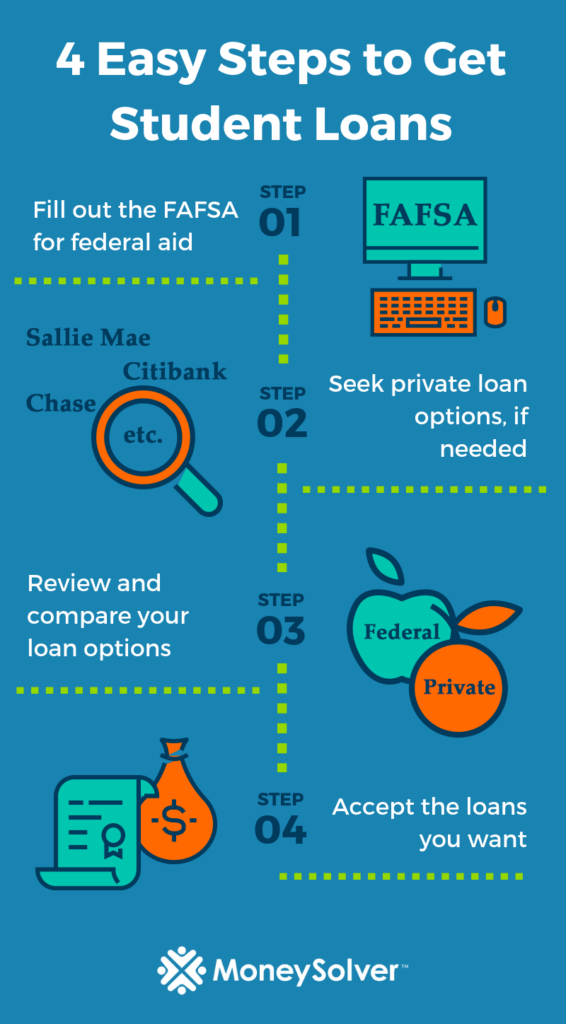
- Banks: Large national banks (e.g., Sallie Mae, Wells Fargo, Chase) and regional banks are major players in the private student loan market.
- Credit Unions: Local and national credit unions also offer private student loans, often with competitive rates for their members.
- Online Lenders: A growing number of online-only lenders specialize in student loans (e.g., Ascent, College Ave, Earnest). These platforms often boast streamlined application processes and may cater to specific borrower profiles.
It’s crucial to shop around and compare offers from multiple lenders to find the best terms, as interest rates and fees can vary significantly.
Eligibility Requirements and Interest Rates
Private lenders assess your creditworthiness to determine eligibility and interest rates. Key factors include:
- Credit Score: A strong credit score (typically in the mid-600s or higher) is essential. Lenders use this to gauge your likelihood of repaying the loan.
- Income: Lenders want to see a stable income, either from the student or, more commonly, from a co-signer.
- Debt-to-Income Ratio: A lower ratio indicates that a smaller portion of your income is already committed to debt payments, which is favorable to lenders.
Private loan interest rates can be fixed or variable. Fixed rates remain constant throughout the loan term, providing payment predictability. Variable rates can fluctuate with market conditions (e.g., tied to the prime rate or LIBOR), potentially leading to lower initial payments but also the risk of higher payments later.
Cosigners: A Common Requirement
Because many students have limited credit history or income, private lenders frequently require a co-signer. A co-signer is typically a parent or other creditworthy adult who agrees to be equally responsible for the loan. If the student fails to make payments, the co-signer is legally obligated to do so. Having a co-signer with good credit can significantly improve your chances of approval and help you secure a lower interest rate. However, it’s a serious commitment for the co-signer, as their credit will also be affected if payments are missed.
The Risks and Rewards of Private Loans
Rewards:
- Can cover the full cost of attendance not met by other aid.
- May offer competitive rates for borrowers with excellent credit (and a co-signer).
- Flexible repayment options might be available, though typically not as comprehensive as federal options.
Risks:
- Fewer Borrower Protections: Limited access to income-driven repayment, deferment, or forbearance programs compared to federal loans.
- No Loan Forgiveness Programs: Private loans do not typically qualify for federal loan forgiveness initiatives.
- Variable Interest Rates: Can lead to unpredictable and potentially much higher monthly payments.
- Credit Impact: Missing payments can severely damage both the student’s and co-signer’s credit scores.
Key Considerations Before You Borrow
Taking out student loans is a significant financial decision that will impact your life for years to come. Approaching it strategically can minimize future burden.
Maximize Free Money First (Grants, Scholarships)
Before even considering loans, exhaust all possibilities for “free money.” Grants and scholarships do not need to be repaid and are the most desirable forms of financial aid. Apply for as many as you qualify for through your school, community organizations, and national programs. Even small scholarships add up and can reduce your borrowing needs.
Calculate Your True Needs
Don’t borrow more than you absolutely need. Create a realistic budget that accounts for tuition, fees, housing, books, transportation, and a modest allowance for personal expenses. Subtract any grants, scholarships, and family contributions. The remaining amount is your true funding gap. Borrowing excessively can lead to unnecessary debt and higher repayment burdens.
Understanding Interest Rates and Fees
Interest rates are a critical factor in the total cost of your loan. A lower interest rate means you’ll pay less over the life of the loan. Also, be aware of any origination fees, which are fees charged by the lender for processing the loan. These fees are typically deducted from the loan disbursement, meaning you receive slightly less than the amount you borrowed. Always compare the Annual Percentage Rate (APR), which includes interest and fees, for a more accurate comparison between loan offers.
The Impact of Your Credit Score
Your credit score plays a significant role in qualifying for private loans and securing favorable interest rates. If you have a limited credit history, focusing on federal loans first is wise. If you anticipate needing private loans, consider building a positive credit history early, perhaps through a secured credit card or by becoming an authorized user on a parent’s account. For private loans, a strong co-signer can effectively leverage their good credit to your advantage.
Applying for Student Loans and Planning for Repayment
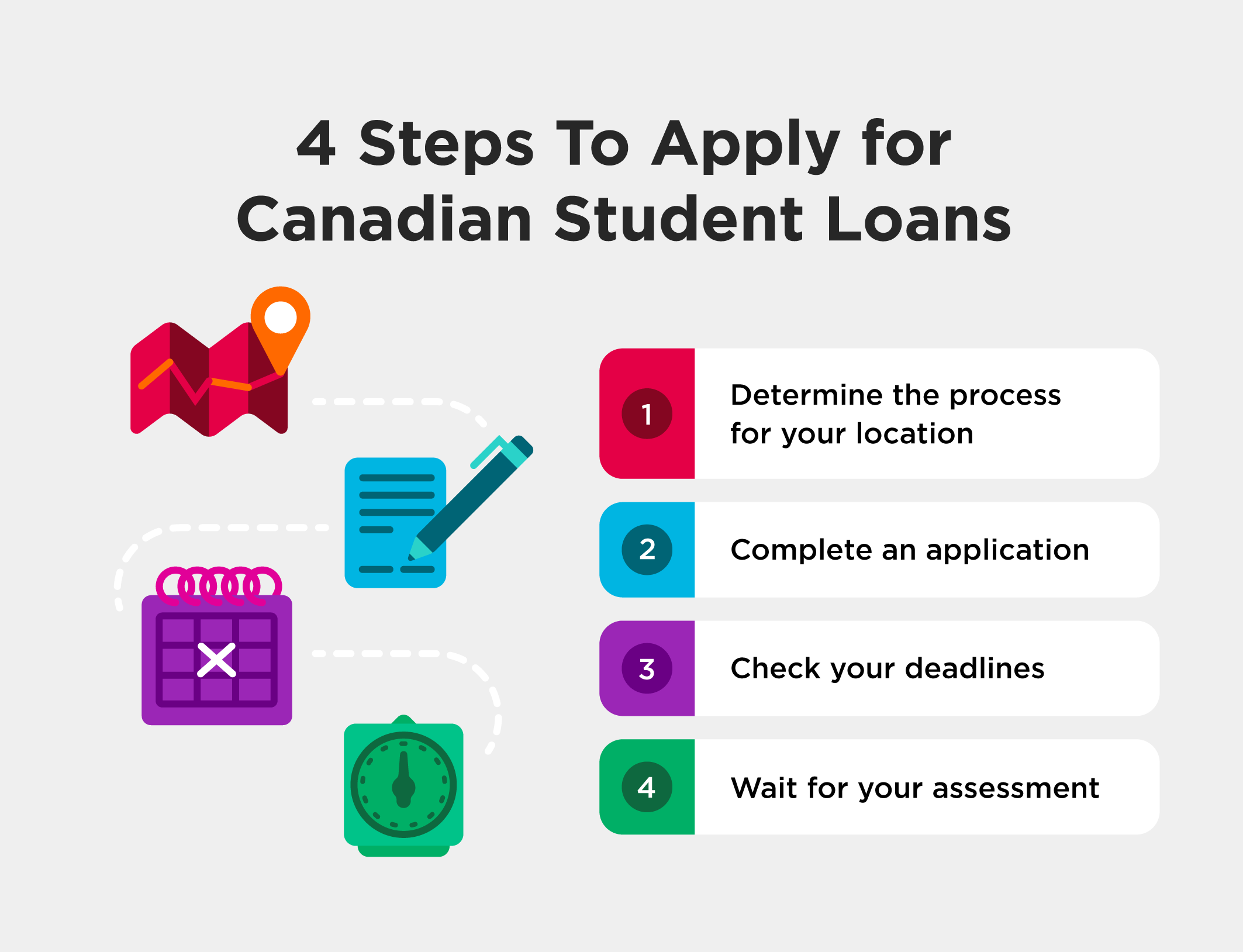
The application process differs between federal and private loans, and understanding these pathways is crucial. Equally important is developing a repayment strategy even before you receive the funds.
The FAFSA: Your Gateway to Federal Aid
To access any federal student aid, including federal student loans, you must complete the Free Application for Federal Student Aid (FAFSA). This form collects financial information about you and your family to determine your eligibility for various federal programs. It’s essential to complete the FAFSA as early as possible each year, as some aid is awarded on a first-come, first-served basis. Your school’s financial aid office will then use the FAFSA data to create a financial aid package, which may include grants, work-study, and federal student loans.
The Private Loan Application Process
Applying for private student loans typically involves a direct application to the lender. This process usually includes:
- Online Application: Most lenders offer an online application that asks for personal, financial, and academic information.
- Credit Check: The lender will perform a hard credit inquiry on you and any co-signer, which can temporarily ding your credit score.
- Income Verification: You may need to provide proof of income (pay stubs, tax returns).
- School Certification: The lender will contact your school to certify your enrollment and the cost of attendance, ensuring you don’t borrow more than necessary.
The approval process for private loans can be quicker than federal aid, but it’s still advisable to apply well in advance of when you need the funds.
Strategic Borrowing: Only What You Need
The temptation to borrow more than necessary can be strong, especially when funds are readily available. However, every dollar borrowed must be repaid with interest. Resist the urge to use loan money for non-essential expenses or lavish living. Stick to your budget and only borrow the amount required to cover your education costs and essential living expenses. This discipline will significantly reduce your debt burden upon graduation.
Preparing for Repayment: Understanding Your Obligations
The moment you sign for a student loan, you commit to its repayment. While repayment typically doesn’t begin until after you graduate or drop below half-time enrollment, understanding your obligations early is vital.
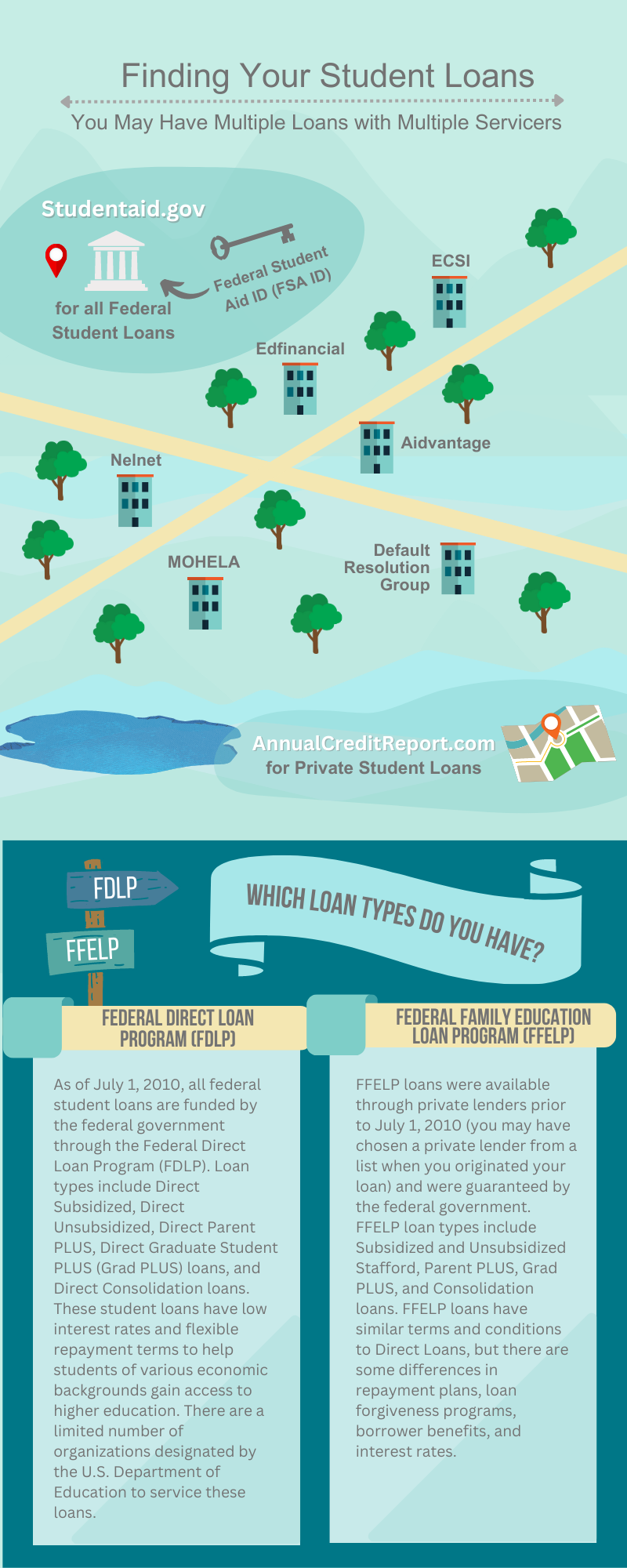
- Know Your Loan Servicer: For federal loans, the Department of Education assigns a loan servicer (e.g., Nelnet, MOHELA) to manage your account. For private loans, your lender is also your servicer. Familiarize yourself with them and keep your contact information updated.
- Understand Your Repayment Plan: Federal loans offer various repayment plans, including standard, graduated, extended, and income-driven options. Private lenders may offer fewer choices. Choose the plan that best fits your financial situation.
- Track Your Loans: Keep a detailed record of all your loans, including the lender, loan amount, interest rate, and servicer. Tools like the National Student Loan Data System (NSLDS) can help track federal loans.
- Build an Emergency Fund: Having some savings can help you manage unexpected expenses or periods of reduced income, preventing you from missing loan payments.
Securing student loans is a critical step for many aspiring students. By understanding the differences between federal and private options, prioritizing federal loans, meticulously calculating your needs, and planning for repayment, you can make informed decisions that support your educational journey without compromising your future financial stability. Remember, your education is an investment, and smart borrowing ensures that investment truly pays off.
aViewFromTheCave is a participant in the Amazon Services LLC Associates Program, an affiliate advertising program designed to provide a means for sites to earn advertising fees by advertising and linking to Amazon.com. Amazon, the Amazon logo, AmazonSupply, and the AmazonSupply logo are trademarks of Amazon.com, Inc. or its affiliates. As an Amazon Associate we earn affiliate commissions from qualifying purchases.