
The purchase of a car often represents one of the most significant financial decisions an individual will make, second only to buying a home. For most, this aspiration is realized not through a lump-sum payment, but through the strategic use of a car loan. Understanding “where can you get a car loan” is not merely about identifying lenders; it’s about navigating a diverse financial landscape to secure the most favorable terms for your unique situation. This guide will unravel the various avenues available for obtaining a car loan, offering insights into each, and equipping you with the knowledge to make an informed, financially sound decision.

A car loan is essentially a secured loan, meaning the vehicle itself acts as collateral. Should you default on your payments, the lender has the right to repossess the car. Because of this inherent risk, lenders meticulously assess your financial stability and creditworthiness before extending credit. Knowing the different types of lenders and what they offer is the first crucial step in your car-buying journey.
Traditional Lenders: Your Familiar Go-To’s
When thinking about loans, certain institutions immediately come to mind. These traditional lenders have long been the bedrock of personal finance, offering stability and a wide range of services, including car loans.
Banks
Banks are arguably the most common starting point for many looking for a car loan. They are established financial institutions with extensive resources and a broad customer base.
- Pros: Banks often offer competitive interest rates, especially for borrowers with excellent credit histories. If you already have an existing relationship with a bank (e.g., checking/savings accounts, mortgage), they might offer preferential rates or a smoother application process. They are generally perceived as secure and reliable, providing peace of mind. Many banks also have user-friendly online platforms for application and loan management.
- Cons: Banks can sometimes have stricter lending criteria compared to other options, meaning those with less-than-perfect credit might find it harder to qualify for the best rates. The application and approval process can also be more time-consuming than with some online lenders, potentially delaying your car purchase. Additionally, their customer service, while professional, might feel less personalized than a credit union’s.
Credit Unions
Credit unions operate under a different philosophy than traditional banks. They are non-profit financial cooperatives owned by their members, rather than by shareholders.
- Pros: Credit unions are renowned for offering some of the most competitive interest rates on car loans, often beating out banks. Because they are member-focused, they tend to provide more personalized service and may be more flexible with loan terms, particularly for members who have established a relationship with them. Their not-for-profit structure means any earnings are typically reinvested into the credit union or returned to members through lower fees and better rates.
- Cons: The primary hurdle for credit unions is their membership requirement. You typically need to meet certain eligibility criteria (e.g., live in a specific geographic area, work for a particular employer, or be part of an associated group) to join. While these requirements are often broad, they can be a barrier for some. They may also have fewer physical branches and sometimes less advanced digital banking infrastructure compared to larger commercial banks.
Dealership Financing
This option involves securing a loan directly through the car dealership where you are purchasing the vehicle. The dealership acts as an intermediary, working with a network of banks, credit unions, and other financial institutions to find a loan for you.
- Pros: The sheer convenience of dealership financing is a major draw. You can complete the entire car-buying and financing process in one location, often on the same day. Dealerships sometimes offer special promotional rates or incentives (e.g., 0% APR for a limited period) from captive finance companies (explained below) to move inventory. They can also be helpful for buyers with challenging credit, as they often have relationships with a wider range of lenders catering to different credit profiles.
- Cons: While convenient, dealership financing isn’t always the most transparent. Dealers may mark up the interest rate they receive from a lender to generate additional profit, meaning you might not be getting the absolute best rate available to you. You also have fewer options to compare on the spot, potentially limiting your ability to shop around effectively. It’s crucial to arrive at the dealership with a pre-approved loan offer from an external lender to use as leverage.
Online & Non-Traditional Avenues: Expanding Your Options
The digital age has revolutionized the way we access financial services, and car loans are no exception. A growing number of online-only lenders and specialized finance companies offer innovative solutions, often providing speed and flexibility.
Online Lenders
Online lenders operate primarily or exclusively through the internet, streamlining the application and approval process.
- Pros: The convenience and speed offered by online lenders are unparalleled. You can apply for a loan from the comfort of your home, often receiving pre-approval within minutes. They typically have lower overhead costs than traditional banks, which can sometimes translate into more competitive interest rates. Online platforms make it easy to compare offers from multiple lenders, fostering a more competitive environment that benefits the borrower. They also tend to have more flexible lending criteria, making them a viable option for a wider range of credit scores.
- Cons: The lack of in-person interaction can be a drawback for those who prefer face-to-face service. While many online lenders are reputable, the digital landscape also harbors less legitimate entities, necessitating careful vetting to avoid scams. Borrowers must be diligent in reading terms and conditions, as the absence of a physical representative means less opportunity for immediate clarification.
Captive Finance Companies (Manufacturer-Specific)
These are finance companies owned by car manufacturers, such as Ford Credit, Toyota Financial Services, or Honda Financial Services. They exist to provide financing specifically for vehicles of their parent brand.
- Pros: Captive finance companies are renowned for offering attractive promotional rates, including 0% APR deals or low-interest financing, especially on new vehicles or specific models they want to sell quickly. These incentives are often tied to excellent credit scores and are a powerful tool for manufacturers to drive sales. They specialize in their brand, often offering a seamless financing experience tailored to that manufacturer’s vehicles.
- Cons: The primary limitation is that you can only get financing for that specific brand of vehicle. If you’re considering multiple brands, you’ll need to explore other lending options. Their best rates are typically reserved for borrowers with pristine credit histories, making them less accessible for those with average or poor credit. Deals often come with strict conditions and shorter terms, which can lead to higher monthly payments.
Peer-to-Peer (P2P) Lending Platforms
P2P lending platforms connect individual borrowers directly with individual investors, bypassing traditional financial institutions. While less common for car loans specifically, some platforms may facilitate personal loans that can then be used to purchase a car.
- Pros: P2P lending can be an alternative for borrowers who might not qualify for traditional bank loans, offering more flexible criteria. Rates can sometimes be competitive, especially for borrowers with good credit seeking a personal loan for a car purchase. The process is often entirely online and relatively quick.
- Cons: The availability of P2P loans specifically for car purchases is less widespread. Interest rates can be higher, particularly for those with lower credit scores, as investors are taking on more risk. The loan terms might not be as structured as traditional car loans, and the platform fees can sometimes add to the overall cost. It’s crucial to ensure any personal loan taken for a car doesn’t have restrictions on its use.
The Application Process: Navigating Your Loan Journey
Regardless of where you choose to apply, understanding the car loan application process is vital. Being prepared can significantly improve your chances of approval and help you secure the best possible terms.
Pre-Approval: Your Strategic First Step
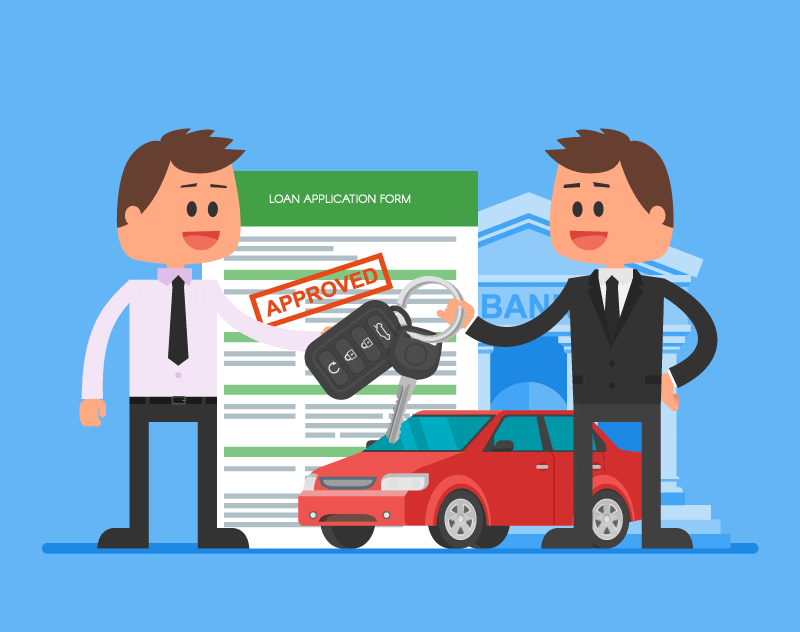
Getting pre-approved for a car loan before you even set foot in a dealership is arguably the most powerful step you can take.
- Benefits: Pre-approval gives you a clear understanding of how much you can afford, empowering you to set a realistic budget. It also lets you know the interest rate you qualify for, transforming you into a cash buyer at the dealership. This provides significant bargaining power, as you can negotiate the car’s price without the added pressure of simultaneously arranging financing. If the dealership offers a better rate, great; if not, you already have a solid offer in hand.
- How to Get Pre-Approved: The process typically involves submitting an application to a lender (bank, credit union, or online lender) with basic personal and financial information. The lender will perform a “soft” credit pull (which doesn’t impact your credit score) to give you an estimated loan amount and interest rate. A full application later will involve a “hard” pull.
Required Documentation
Lenders require specific documents to verify your identity, income, and financial stability. Having these ready will expedite your application.
- Personal Identification: Government-issued ID (driver’s license, passport).
- Proof of Income: Pay stubs (from the last few months), W-2s, tax returns (for self-employed individuals), bank statements.
- Proof of Residence: Utility bill, lease agreement, mortgage statement.
- Credit History: While lenders will pull your credit report, it’s wise to review yours beforehand.
- Vehicle Information: If you’ve already chosen a car, details like make, model, VIN, and price will be needed for the final loan.
Understanding Your Credit Score
Your credit score is a numerical representation of your creditworthiness and is a primary factor lenders use to determine your eligibility and interest rate.
- Importance of Good Credit: A higher credit score signals lower risk to lenders, leading to lower interest rates and more favorable loan terms. Borrowers with excellent credit (typically 700+) can often access the most competitive rates and special promotions.
- How It Affects Rates: Each credit score tier corresponds to different risk levels, and thus, different interest rates. A difference of even 50-100 points in your score can significantly impact the total amount of interest you pay over the life of the loan.
- Tips for Improvement: Paying bills on time, reducing outstanding debt, avoiding new credit applications shortly before applying for a car loan, and regularly checking your credit report for errors are all crucial steps to improve or maintain a strong credit score.
Loan Terms and Conditions
Beyond the interest rate, several other factors make up the loan’s terms and conditions, which you must understand fully.
- Interest Rate (APR): This is the cost of borrowing money, expressed as a percentage of the loan amount. The Annual Percentage Rate (APR) includes the interest rate plus any additional fees, giving you the true annual cost of the loan.
- Loan Term: This is the length of time you have to repay the loan, typically ranging from 36 to 84 months. Longer terms mean lower monthly payments but result in paying more interest over the life of the loan. Shorter terms mean higher monthly payments but less total interest.
- Monthly Payments: This is the fixed amount you pay each month until the loan is fully repaid.
- Fees: Be aware of any origination fees, application fees, or prepayment penalties (though less common for car loans now, always check).
Strategies for Securing the Best Car Loan
Finding the right car loan involves more than just knowing where to look; it requires a strategic approach to ensure you get the most advantageous deal possible.
Shop Around and Compare Offers
This is perhaps the single most important strategy. Don’t settle for the first loan offer you receive, especially from a dealership.
- Importance of Multiple Quotes: Apply for pre-approval from at least 3-5 different lenders (banks, credit unions, online lenders). This allows you to directly compare interest rates, loan terms, and fees, giving you a strong baseline to negotiate from.
- Avoiding Single-Source Bias: Relying solely on dealership financing means you’re only seeing the options they present, which may not be the best available to you. Having external offers creates competition and puts you in control.
Improve Your Credit Score
As discussed, a better credit score translates directly to better loan offers.
- Pay Bills on Time: Payment history is the most significant factor in your credit score.
- Reduce Debt: Lowering your credit utilization ratio (the amount of credit you’re using compared to your total available credit) can positively impact your score.
- Check for Errors: Regularly review your credit report from all three major bureaus (Equifax, Experian, TransUnion) and dispute any inaccuracies.
Consider a Down Payment
Making a down payment, even a modest one, can significantly improve your loan terms.
- Benefits: A down payment reduces the amount you need to borrow, which means lower monthly payments and less interest paid over the loan term. It also demonstrates financial commitment to lenders, potentially qualifying you for a better interest rate. Furthermore, it helps avoid being “upside down” on your loan (owing more than the car is worth) early in the ownership period.
Beware of Add-ons and Hidden Fees
Dealerships often try to sell additional products and services during the financing process. While some may be valuable, others are not.
- Extended Warranties: Decide if an extended warranty is necessary for your specific vehicle and driving habits. Often, third-party warranties can be more cost-effective than those offered by dealerships.
- GAP Insurance: Guaranteed Asset Protection (GAP) insurance is crucial if you make a small down payment or finance a long-term loan, as it covers the difference between what you owe on your loan and the car’s actual cash value if it’s totaled or stolen. However, it might already be covered by your auto insurance, or your loan amount might not necessitate it.
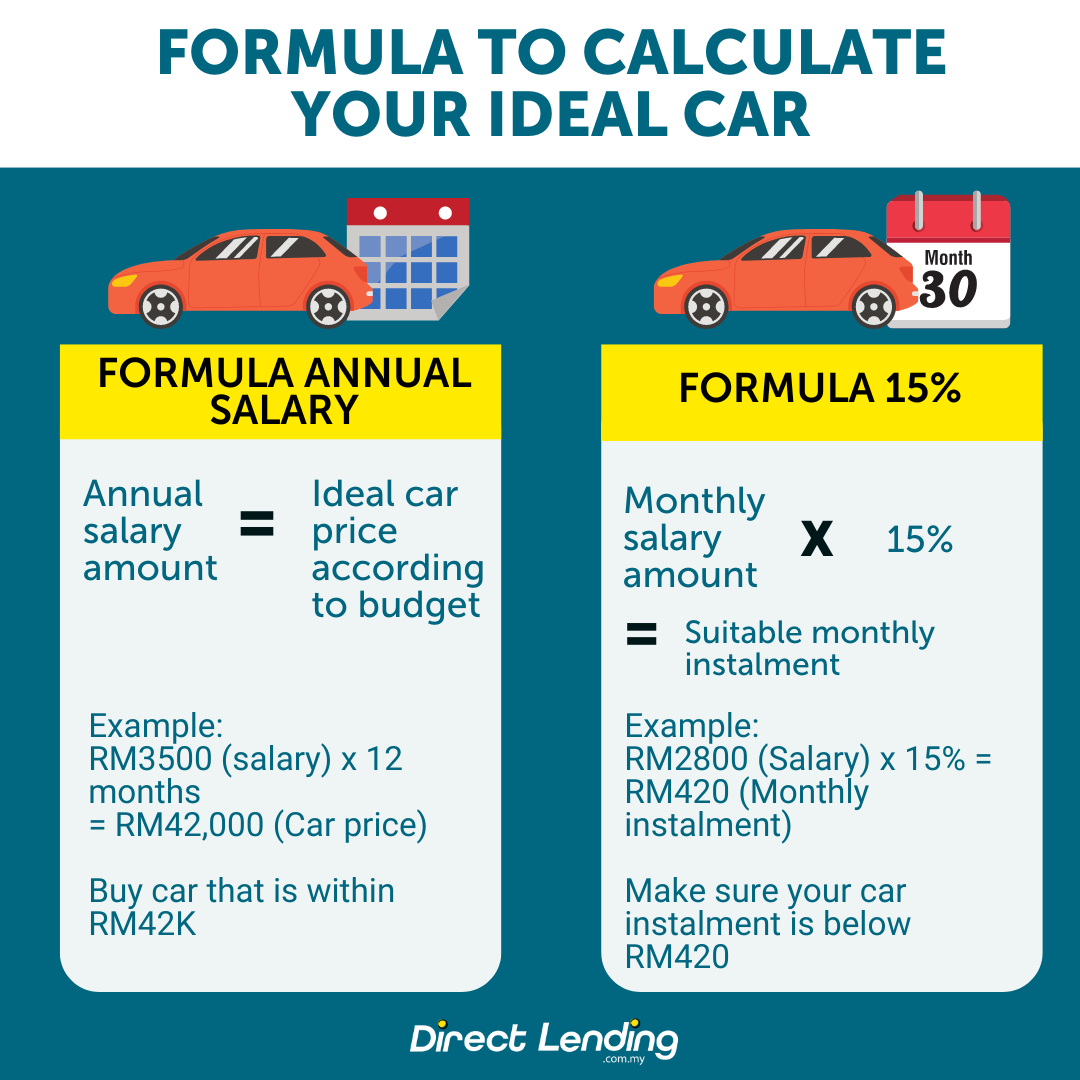
- Understanding the Final Cost: Always focus on the total cost of the loan, including all fees and interest, rather than just the monthly payment.
Read the Fine Print
Before signing any loan agreement, meticulously read every detail.
- Focus on APR and Total Cost: Ensure the APR matches what you were quoted and understand the total amount you will pay over the loan’s lifetime.
- Review All Clauses: Check for any prepayment penalties, late payment fees, or other clauses that could impact you financially. Don’t hesitate to ask questions until you fully comprehend every aspect of the agreement.
In conclusion, securing a car loan is a journey that begins with understanding your options. From traditional banks and credit unions to the agile world of online lenders and manufacturer-specific financing, the choices are numerous. By embracing the power of pre-approval, understanding your credit, meticulously comparing offers, and diligently reading the fine print, you can navigate this process with confidence, securing a loan that not only puts you behind the wheel but also aligns perfectly with your financial well-being.
aViewFromTheCave is a participant in the Amazon Services LLC Associates Program, an affiliate advertising program designed to provide a means for sites to earn advertising fees by advertising and linking to Amazon.com. Amazon, the Amazon logo, AmazonSupply, and the AmazonSupply logo are trademarks of Amazon.com, Inc. or its affiliates. As an Amazon Associate we earn affiliate commissions from qualifying purchases.