
In the intricate theater of legal proceedings, where every word, gesture, and even an inflection can carry significant weight, one often-overlooked yet profoundly impactful element is personal attire. For individuals navigating the judicial system, whether as a plaintiff, defendant, witness, or even an observer with a vested interest, appearance is a powerful, non-verbal communication tool that shapes perception and, by extension, influences the unfolding narrative. This is not merely a matter of fashion; it is a critical component of personal branding and strategic communication in a high-stakes environment. What you choose to wear, or specifically, what not to wear, can inadvertently craft a brand image that either supports or undermines your credibility, professionalism, and respect for the institution of justice.
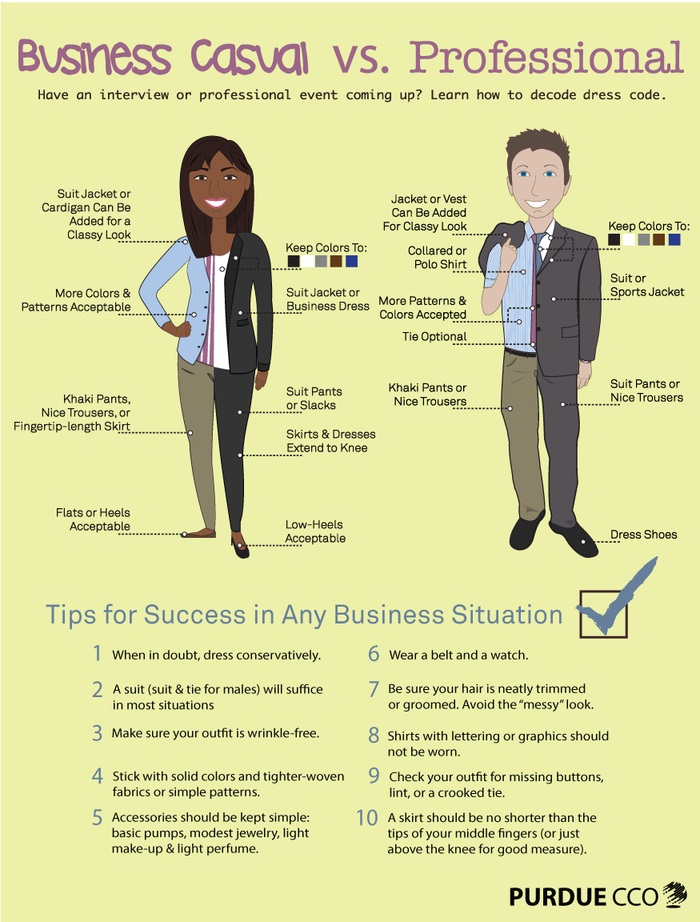
The Unspoken Language of Attire: Shaping Your Personal Brand in Legal Settings
In the court setting, your personal brand is under immediate scrutiny. Judges, juries, and legal counsel form rapid assessments, and your attire plays a significant role in this initial perception. Understanding this silent language is paramount for anyone seeking to project an image of reliability, seriousness, and respect.
First Impressions and Credibility
The human brain processes visual cues instantaneously. Before a single word is uttered, your appearance communicates a wealth of information about you. In court, this first impression is inextricably linked to your credibility. An individual dressed professionally often conveys a sense of responsibility, meticulousness, and a serious approach to the proceedings. Conversely, casual or inappropriate attire can subtly suggest indifference, lack of respect for the court, or even a disregard for the gravity of the situation. This immediate branding can influence how attentively your testimony is received, how seriously your arguments are considered, and ultimately, the perceived weight of your presence. Crafting a brand of credibility begins with presenting oneself as someone who understands and respects the formal nature of the environment.
Respect for the Institution
Courtrooms are designed to embody authority, fairness, and solemnity. The architecture, the rituals, and the decor all contribute to an atmosphere demanding respect. Your attire is an extension of this respect, or a blatant disregard for it. Dressing appropriately signals an acknowledgment of the court’s authority and the seriousness of its function. It communicates that you understand the rules of engagement, both spoken and unspoken. Failing to do so can inadvertently brand you as someone who challenges authority, lacks decorum, or views the proceedings with a casualness that is wholly inappropriate. For corporate representatives or public figures, this extends to their corporate identity; disrespect shown by an individual can tarnish the brand reputation of the entity they represent.
Aligning with Your Narrative
Every individual in court is attempting to convey a specific narrative. A plaintiff might aim to brand themselves as an aggrieved party seeking justice, a defendant might want to project an image of innocence or remorse, and a witness seeks to appear impartial and truthful. Your attire must be strategically aligned with this desired narrative. For instance, an overly opulent or flashy presentation might undermine a claim of financial hardship, just as a dishevelled appearance might cast doubt on a professional’s credibility. It’s about ensuring your visual brand identity supports the story you are trying to tell, rather than creating cognitive dissonance that distracts or confuses the audience. Strategic wardrobe choices become a form of visual rhetoric, reinforcing your verbal message.
Decoding the “Don’ts”: Specific Attire Pitfalls to Avoid
Navigating court attire is less about fashion trends and more about adherence to a universally understood code of professional conduct. The “don’ts” are largely rooted in avoiding anything that distracts, offends, or undermines the solemnity of the judicial process. These are the branding mistakes that can cost you dearly.
Overly Casual or Sloppy Attire
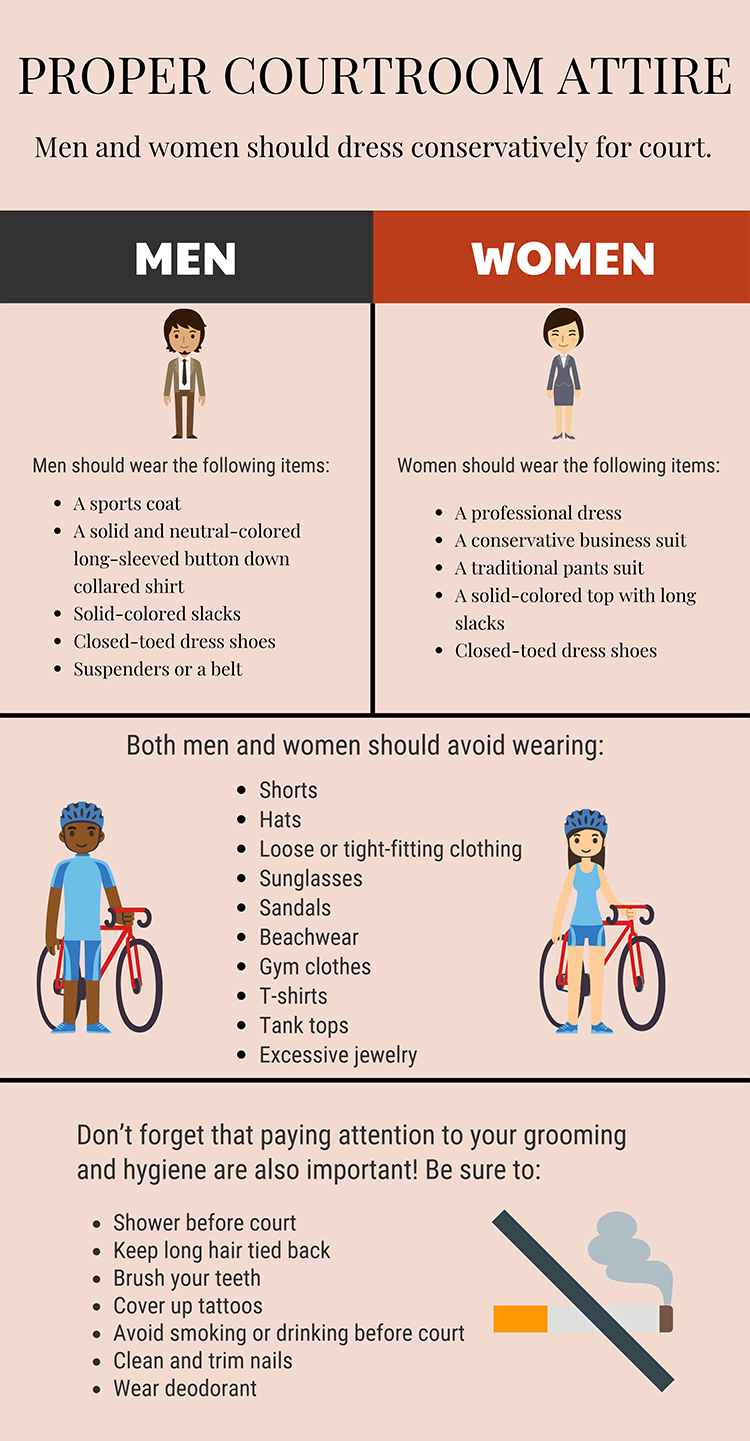
This is perhaps the most common and damaging branding misstep. Items such as jeans, t-shirts (especially those with graphics or slogans), sneakers, shorts, flip-flops, and athletic wear send an unmistakable message of disrespect and informality. They suggest that the wearer does not take the proceedings seriously, or worse, views the court as a casual gathering. This undermines any attempt to project a professional, responsible, or credible personal brand. For individuals representing a corporate entity, such attire can severely damage the corporate identity and reputation, suggesting a lack of professionalism that extends beyond the individual to the organization itself.
Revealing or Provocative Clothing
Clothing that is overly revealing, such as low-cut tops, mini-skirts, sheer fabrics, or overly tight garments, is highly inappropriate for a courtroom. Such attire creates unnecessary distractions and can be perceived as disrespectful or an attempt to manipulate perceptions through non-relevant means. It detracts from the serious nature of the proceedings and can cast the wearer in an unprofessional light, regardless of their actual role or legal position. The focus should be on the facts and the law, not on personal appearance in a distracting manner. This also includes overly casual or suggestive accessories.
Distracting or Loud Elements
Anything that draws undue attention away from the legal proceedings and onto the individual’s attire should be avoided. This includes excessive or flashy jewelry, bright neon colors, clothing with busy or garish patterns, and garments featuring offensive slogans, political statements, or brand logos that might carry controversial connotations. The goal is to project a sober, serious brand image, not to make a fashion statement or a political declaration. Distractions, whether auditory or visual, are detrimental to maintaining focus on the legal arguments and can alienate judges or jurors.
Unkempt Appearance
Beyond the specific garments, the overall presentation of oneself is critical. Wrinkled clothes, untidy hair, poorly maintained hygiene (e.g., dirty nails, strong body odor), and scuffed shoes all contribute to an unkempt brand image. This signals a lack of attention to detail, carelessness, or even disrespect for oneself and others. In a legal context, an unkempt appearance can be interpreted as a lack of seriousness about the outcome of the case or a general inability to manage one’s affairs, which can undermine one’s credibility as a witness or party.
Brand Logos and Statements
While subtle branding might be acceptable in some professional settings, overt display of large brand logos on clothing (unless it’s a uniform explicitly required for a role or part of a corporate identity strategy in a specific context) or any clothing featuring political or controversial statements should be avoided. These can be polarizing and create unconscious biases among those present, detracting from the neutrality and objectivity expected within the court. The personal brand you wish to convey in court should be one of impartiality and focus on the legal matter at hand, not an endorsement of a product or a political ideology.
Strategic Branding Through Subtlety: What to Aim For
While the emphasis is often on what not to wear, understanding the counterpoint—what to wear—is equally crucial for strategic personal branding in court. The aim is to project a brand of professionalism, respect, and trustworthiness through subtle, understated choices.
Professionalism as the Baseline
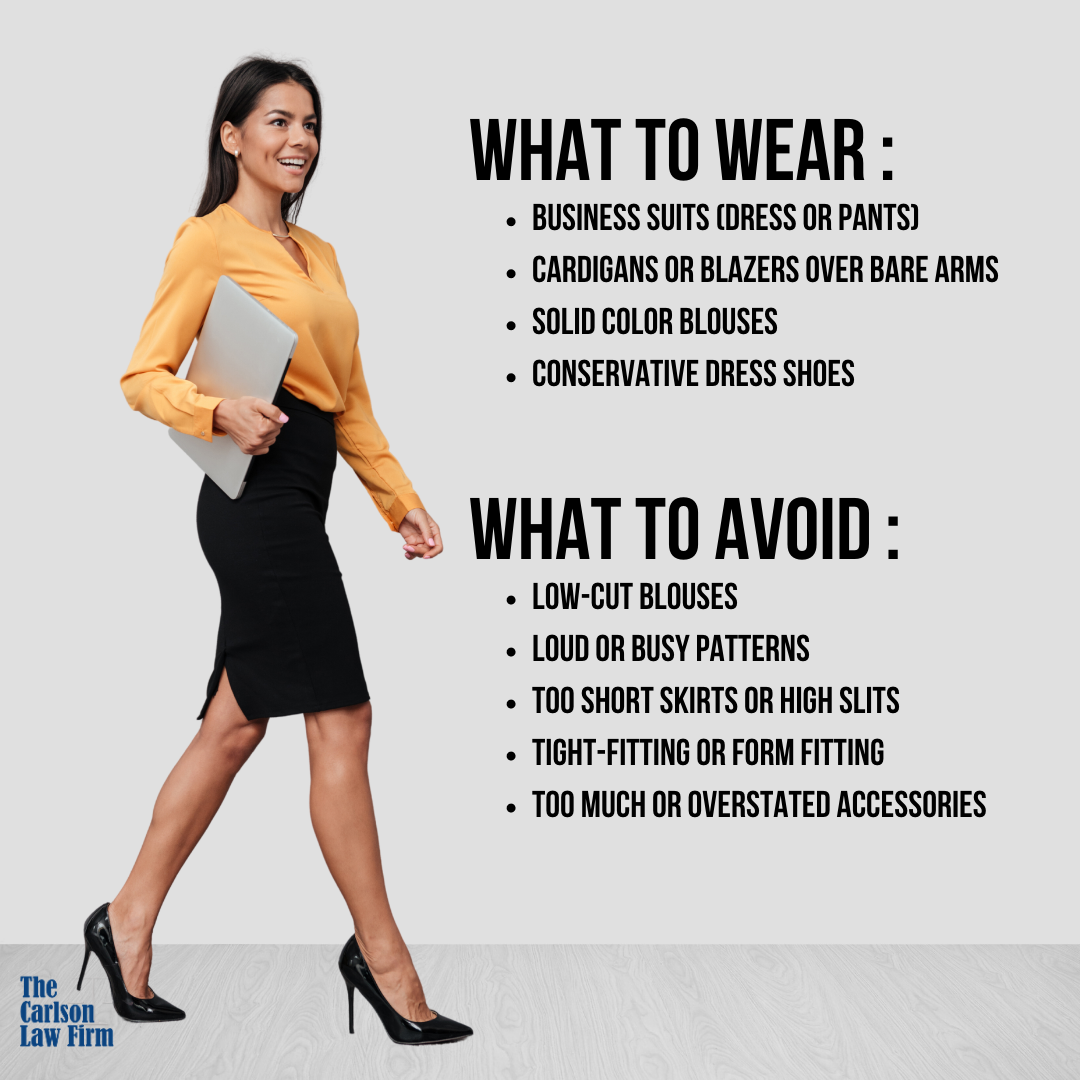
The safest and most effective strategy is to err on the side of formality and conservatism. For men, a dark, conservative suit (navy, charcoal, or black) with a collared shirt and a tasteful tie is the standard. For women, a business suit (skirt suit or pant suit) or a conservative dress paired with a jacket is appropriate. Shoes should be polished and closed-toe. This classic approach establishes an immediate brand of seriousness and respect. It demonstrates that you understand the gravity of the situation and are prepared to present yourself in the most favorable and professional light.
Comfort and Confidence
While formality is key, comfort should not be entirely sacrificed. Clothes should fit well, allowing for ease of movement without being restrictive or baggy. Ill-fitting clothes can be distracting to the wearer, potentially impacting their composure and ability to focus on the proceedings. When you are comfortable in your attire, it contributes to a sense of confidence and composure, which are invaluable assets in the high-stress environment of a courtroom. Your personal brand should convey self-assurance, not discomfort.
Grooming and Presentation
Beyond the clothes themselves, meticulous grooming reinforces a professional brand image. Hair should be neat and conservatively styled, out of the face. Makeup, if worn, should be minimal and natural. Hands and nails should be clean and well-maintained. Accessories should be minimal, understated, and not distracting. A simple watch, a wedding band, or small stud earrings are generally acceptable. These details communicate attention to detail and a disciplined approach to self-presentation, subtly enhancing your perceived credibility and reinforcing a meticulous personal brand.
Contextual Adaptability
While the general rules of conservative professional dress apply across most court settings, minor adaptations might be considered based on the specific context. For instance, a small claims court might be slightly less formal than a high-stakes felony trial, but the principle of professional respect remains paramount. Always aim for the highest level of professionalism required, rather than attempting to gauge the minimum. When in doubt, always choose the more formal option. Your brand should be consistent in its message of respect and seriousness.
The Long-Term Impact: Beyond the Verdict
The way you present yourself in court has implications that extend far beyond the immediate outcome of the case. It contributes to your long-term personal brand and, for business leaders or corporate representatives, to their corporate identity and reputation.
Reputation Management
Every public appearance, particularly in a formal and scrutinized setting like a courtroom, contributes to an individual’s or entity’s overall reputation. A professional and respectful appearance can bolster a reputation for integrity and seriousness, while a careless one can tarnish it. In an age where digital footprints are permanent, images and perceptions from court appearances can persist, influencing future professional opportunities, public perception, and brand equity. Managing your appearance strategically in court is therefore an essential component of long-term reputation management.
Psychological Advantage
The act of dressing professionally can have a powerful psychological impact on the wearer. It often instills a sense of confidence, competence, and preparedness. In a stressful environment like a courtroom, this internal boost can be invaluable, helping individuals maintain composure, think clearly, and present themselves more effectively. This self-assurance contributes positively to the personal brand you project, making you appear more credible and in control.
Setting a Precedent
For individuals in leadership positions, public figures, or those representing organizations, their appearance in court sets a precedent for how they and their associated brands are perceived. It communicates the values and standards of the individual or the organization. A consistent brand message of professionalism and respect, even under duress, can significantly strengthen one’s overall brand narrative and standing in the community or industry. In essence, “what not to wear in court” is a foundational lesson in strategic personal and corporate branding, underscoring that in formal settings, presentation is not merely superficial but a powerful form of communication that shapes destiny.
aViewFromTheCave is a participant in the Amazon Services LLC Associates Program, an affiliate advertising program designed to provide a means for sites to earn advertising fees by advertising and linking to Amazon.com. Amazon, the Amazon logo, AmazonSupply, and the AmazonSupply logo are trademarks of Amazon.com, Inc. or its affiliates. As an Amazon Associate we earn affiliate commissions from qualifying purchases.