
In the intricate landscape of personal finance, your account number serves as a fundamental identifier, a unique sequence of digits that distinguishes your specific financial relationship with an institution. Far more than just a random string, it is the bedrock for nearly every transaction, from direct deposits to bill payments, and crucial for managing your financial life effectively. Whether you’re setting up a new payment, reconciling a statement, or addressing a customer service query, knowing where to quickly and securely locate your various account numbers is an essential skill for sound financial management.
This guide will demystify the process, walking you through the most common places to find these critical identifiers across different types of financial accounts. We’ll also delve into the paramount importance of safeguarding this information and the practical scenarios where you’ll inevitably need it, ensuring you’re prepared to navigate your financial world with confidence and security.
Navigating Common Financial Institutions for Your Account Number
Financial account numbers are ubiquitous, but their precise location can vary significantly depending on the type of institution and the account itself. Understanding where to look for bank accounts, credit cards, investment portfolios, and loans is a cornerstone of effective money management.
Bank Accounts (Checking & Savings)
For most individuals, checking and savings accounts are the most frequently accessed financial instruments, and their account numbers are regularly required.
-
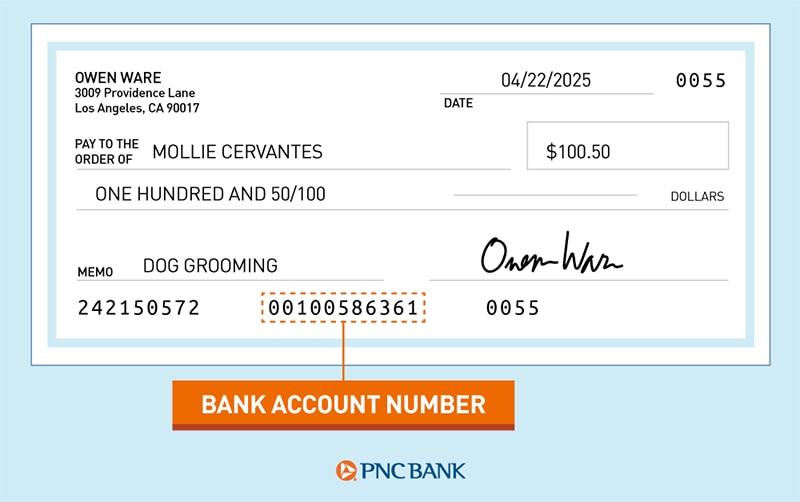
Physical Checks: If you still use a checkbook, the account number is prominently displayed on the bottom of each check. It’s typically the middle set of numbers, positioned between the routing number (first set) and the check number (last set). This is often the quickest way to find both your account and routing numbers for direct deposits or ACH payments.
-
Bank Statements: Whether you receive paper statements in the mail or access electronic statements online, your full account number will be listed. On paper statements, it’s usually near the top, close to your name and address. For e-statements, you’ll find it in a similar position once you’ve logged into your online banking portal and downloaded or viewed the statement PDF.
-
Online Banking Portal: This is arguably the most common and convenient method for modern banking. After logging into your bank’s website, navigate to the specific checking or savings account you’re interested in. Most banks will display a summary of your account details, which often includes the full account number. Sometimes, you might need to click on “Account Details,” “Statement & Documents,” or a similar option to reveal it.
-
Mobile Banking App: Similar to the online portal, your bank’s mobile app typically provides easy access. Log in, select the desired account, and look for an “Account Info,” “Details,” or “Statements” section. Be aware that for security reasons, some apps might only show the last few digits of the account number and require an extra step (like confirming a password or using biometric authentication) to reveal the full number.
-
Contacting Customer Service: If all else fails, or if you prefer direct assistance, contacting your bank’s customer service via phone, secure chat, or an in-person visit is a reliable option. Be prepared to undergo a rigorous identity verification process, which typically involves confirming personal information like your date of birth, address, and recent transaction details.
Credit Card Accounts
Credit card account numbers operate slightly differently than bank account numbers. While the prominent 16-digit number on the front of your card is your primary card number (and often functions as the account identifier for transactions), institutions may also assign a separate internal customer account number for your overall credit line.
-
Credit Card Statements: Your monthly credit card statement, whether paper or electronic, will clearly display your primary card number (often with some digits masked for security) and, if applicable, your specific customer account number for billing and service inquiries.
-
Online Account Portal: Log into your credit card issuer’s website. Your account number(s) will be visible in the account summary, billing details, or profile section. Again, parts of the number might be masked until you specifically click to reveal them.
-
Mobile App: Credit card issuer apps mirror the online portal’s functionality, offering access to your account details and statements.
-
Customer Service: As with banks, direct contact with your credit card issuer’s customer service can help you retrieve your account number after identity verification.
Investment and Brokerage Accounts
Managing investments often involves unique account numbers for each brokerage or investment product.
-
Account Statements: Quarterly or annual statements from your brokerage firm, mutual fund company, or retirement plan administrator will contain your investment account number. These are essential for tax purposes and reconciling your portfolio.
-
Online Brokerage Platform: Your online brokerage portal is the primary digital hub. After logging in, navigate to “Account Summary,” “Portfolio,” or “Profile Settings.” Your unique investment account number(s) should be readily available.
-
Trade Confirmations: When you execute a trade, the confirmation document (physical or digital) often includes the account number associated with that transaction.
-
Customer Service: For specific inquiries or if you’ve misplaced your digital access, contacting your investment firm’s client services team is the way forward, with identity verification naturally required.
Loan Accounts (Mortgage, Auto, Personal)
Loan accounts, like mortgages, auto loans, or personal loans, also come with dedicated account numbers for payment and management.
-
Loan Statements/Coupon Books: Monthly statements or payment coupon books from your lender will prominently display your loan account number. This is crucial for making payments and tracking your loan balance.
-
Online Borrower Portal: Most modern lenders offer an online portal where you can manage your loan, make payments, and access statements. Your loan account number will be a key identifier within this portal.
-
Original Loan Documents: The original loan agreement, promissory note, or closing documents will contain your full loan account number. Keep these vital documents stored securely.
-
Customer Service: Your lender’s customer service department can provide your loan account number after verifying your identity.
Beyond Traditional Banking: Utility and Other Service Accounts
The concept of an “account number” extends beyond core financial institutions to encompass a wide range of services you use daily, playing a critical role in billing and service management.
Utility Bills (Electricity, Gas, Water, Internet, Phone)
Every utility and service provider assigns a unique account number to identify your service address and billing relationship.
-
Physical Bills: The most straightforward place to find these is on your monthly paper bill. The account number is usually prominently displayed near the top, often alongside your name and service address.
-
Online Account Portal: All major utility and service providers offer online portals where you can view bills, manage services, and make payments. Your account number will be a key identifier displayed once you log in.
-
Mobile Apps: Many providers also have dedicated mobile apps that allow quick access to your account details, including your account number.
-
Customer Service: If you can’t find a recent bill or access your online account, contacting the provider’s customer service will allow you to retrieve your account number after identity verification.
Insurance Policies
Insurance policies (auto, home, health, life) also rely on account or policy numbers for identification and claims processing.
-
Policy Documents: Your original insurance policy documents, whether physical or digital, will clearly state your policy number. This is your primary account identifier for all interactions.
-
Statements/Invoices: Premium notices or billing statements will also list your policy number.
-
Online Policy Portal: Log into your insurer’s website, and your policy number(s) will be visible in your policy summary or details section.
-
Customer Service: Your insurance agent or the company’s customer service team can assist in retrieving your policy number, subject to identity verification.
The Importance of Safeguarding Your Account Numbers

While knowing where to find your account numbers is crucial, equally important is understanding how to protect them. These numbers are direct gateways to your financial life, and their compromise can lead to significant issues.
Why Security Matters
Account numbers, especially when combined with routing numbers (for bank accounts) or personal identifying information, can be exploited for fraud, unauthorized transactions, and identity theft. A malicious actor with access to your bank account number and routing number could potentially initiate withdrawals or payments without your consent. Similarly, a compromised credit card or investment account number could lead to unauthorized charges or transfers.
Best Practices for Protection
-
Secure Storage: Avoid writing down full account numbers on easily accessible notes or unsecured digital files. For online logins, utilize a reputable password manager that encrypts your credentials. Physical documents containing account numbers should be stored in a secure location (e.g., a locked drawer or safe).
-
Online Security: Always use strong, unique passwords for all your online financial accounts. Enable two-factor authentication (2FA) wherever possible, adding an extra layer of security. Be cautious of public Wi-Fi networks when accessing sensitive financial information.
-
Phishing Awareness: Be extremely wary of unsolicited emails, texts, or phone calls requesting your account numbers or other personal financial details. Legitimate institutions will rarely ask for full account numbers via unsecure channels. Always verify the sender or caller’s legitimacy independently.
-
Secure Disposal of Documents: When discarding old bank statements, utility bills, or credit card offers, always shred them to prevent dumpster divers from gleaning your sensitive information.
-
Regular Monitoring: Periodically review your bank statements, credit card activity, and investment accounts for any suspicious or unauthorized transactions. Promptly report any discrepancies to your financial institution.
When and Why You’ll Need Your Account Number
Your various account numbers are not just for emergencies; they are integral to routine financial activities. Knowing when and why you’ll need them can streamline your financial tasks and prevent delays.
Setting Up Direct Deposit/Withdrawal
This is one of the most common reasons. To receive your paycheck, government benefits, or tax refunds directly into your bank account, you’ll need to provide your bank account and routing number to your employer or the issuing agency. Similarly, setting up automatic bill payments or investment contributions often requires these details for direct withdrawals.
Initiating Wire Transfers or ACH Payments
Whether you’re sending a large sum to a relative, paying for a significant purchase, or receiving funds from abroad, your bank account and routing numbers are essential for initiating or receiving wire and ACH (Automated Clearing House) transfers.
Contacting Customer Service
When you call your bank, credit card company, utility provider, or insurer, the first thing they’ll often ask for is your account number. Having it readily available, along with other verification details, significantly speeds up the process and allows them to access your specific records.
Resolving Billing Disputes
If you need to dispute a charge on your credit card, question a utility bill, or clarify a payment on your loan, providing your specific account number is crucial for the institution to locate the relevant transaction or billing cycle and resolve the issue efficiently.
Filing Taxes or Applying for Loans
For tax purposes, you might need account numbers to report interest income, investment gains, or to set up direct deposit for your refund. When applying for new loans or lines of credit, lenders often ask for details about existing accounts to assess your financial standing.
What to Do If You Can’t Find Your Account Number
It happens to everyone – sometimes, despite your best efforts, an account number seems elusive. Don’t panic; there’s a clear path forward.
Exhaust All Known Channels First
Before reaching out for help, methodically recheck all the places we’ve discussed: your physical checks, recent bank statements (paper or digital), your online banking portal, and your mobile app. Look through your saved financial documents or a secure password manager if you use one. Often, the number is simply in a less obvious spot than you initially thought.
Contact Customer Support Directly
If you’ve exhausted your personal resources, the next step is to contact the customer service department of the relevant financial institution or service provider. Be prepared for a thorough identity verification process. They will ask a series of security questions to confirm you are the legitimate account holder before providing you with your account number. This might include your full name, address, date of birth, mother’s maiden name, recent transaction amounts, or answers to security questions you’ve set up.
Consider the Impact of a Missing Account Number
Understand that not having your account number readily available can delay critical financial tasks. A missed bill payment due to a lost utility account number could incur late fees, or an inability to set up direct deposit for your paycheck could delay access to your funds. Proactive organization is key to avoiding these inconveniences.

Conclusion
Your account numbers are the unique keys to managing your personal finance accounts across a myriad of institutions. From the daily ebb and flow of your checking account to the long-term growth of your investment portfolio and the consistent payments on your loans, these numbers facilitate virtually every financial interaction. Mastering where to find them and, critically, how to protect them, is not merely a convenience but a cornerstone of robust financial literacy and security. By proactively organizing your financial information, utilizing secure digital tools, and maintaining vigilance against fraud, you empower yourself to navigate your financial journey with confidence, ensuring smooth transactions and safeguarding your hard-earned money.
aViewFromTheCave is a participant in the Amazon Services LLC Associates Program, an affiliate advertising program designed to provide a means for sites to earn advertising fees by advertising and linking to Amazon.com. Amazon, the Amazon logo, AmazonSupply, and the AmazonSupply logo are trademarks of Amazon.com, Inc. or its affiliates. As an Amazon Associate we earn affiliate commissions from qualifying purchases.