
In the complex tapestry of modern commerce, certain brands rise above the din, not merely selling a product but defining an entire category. They become so emblematic of their essence that their name, or the characteristics they embody, sets the standard for everything that follows. Much like “Pilsner Beer” became synonymous with a specific, revolutionary style of lager that forever changed the brewing world, a truly impactful brand carves out its own niche, establishing benchmarks that competitors strive to emulate or differentiate from.
This isn’t about the literal brewing process or the historical origins of a particular beverage; it’s about understanding the profound strategic implications when a brand transcends its physical form to become a cultural, commercial, and conceptual touchstone. To answer “What is the ‘Pilsner Beer’ of branding?” is to explore the anatomy of a brand that innovates, dominates, and endures, facing the unique challenges and opportunities that come with shaping an entire industry segment. It’s about the strategic foresight, relentless execution, and deep understanding of consumer perception that allows a single entity to become the reference point for an entire market.
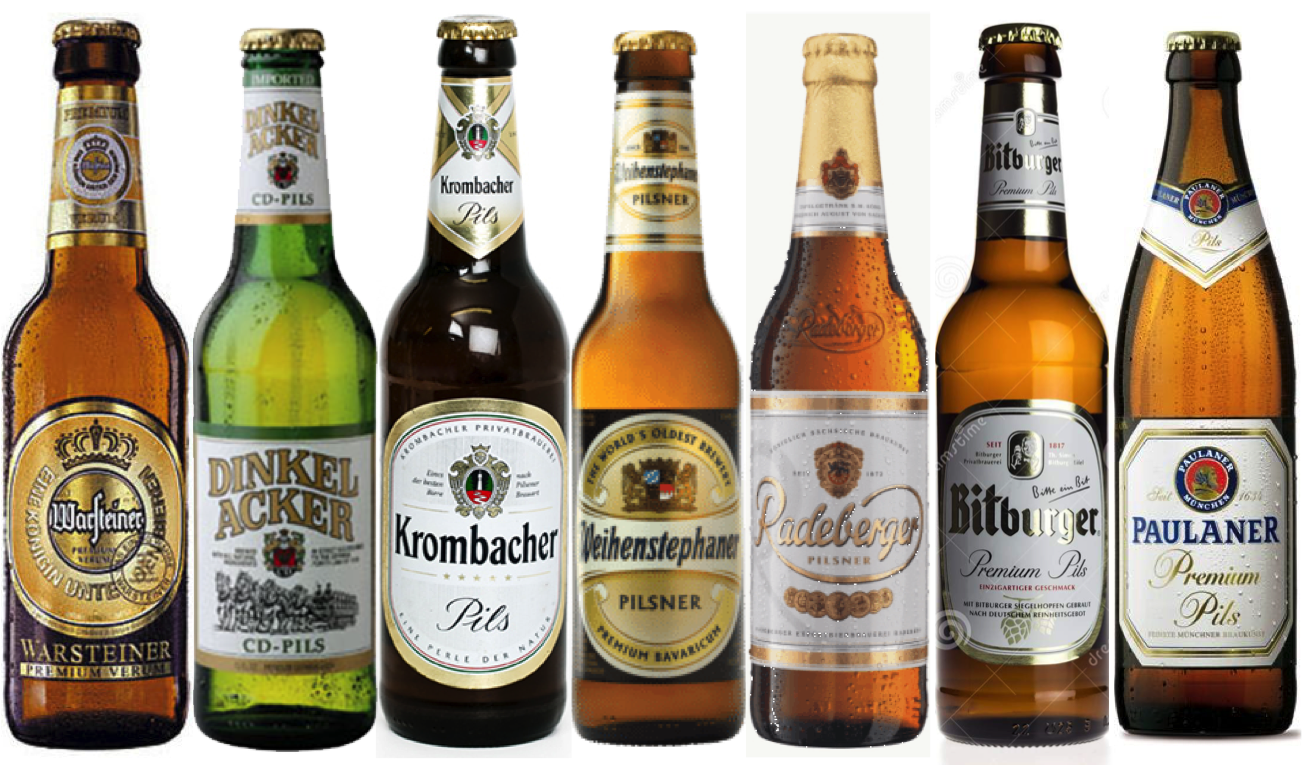
The Genesis of a Category-Defining Identity
Every “Pilsner” moment in branding begins with a spark – an innovation, a unique insight, or a bold vision that challenges the status quo. Before a brand can define a category, it must first create it or radically redefine an existing one. This initial phase is often characterized by a blend of pioneering spirit and meticulous attention to foundational elements.
Innovation as the Catalyst for Brand Birth
A category-defining brand doesn’t just enter a market; it re-engineers it. This often stems from a fundamental innovation, be it in product design, service delivery, or an entirely novel business model. Consider brands that introduced disruptive technologies or radically simplified complex processes. Their initial offering wasn’t just “another option”; it was a paradigm shift. The brand itself becomes inseparable from this innovation, carrying the torch of progress and setting a new expectation for what is possible within that space. This is where the brand identity begins to form, directly tied to its revolutionary nature. Early adopters aren’t just buying a product; they’re investing in a new future, championed by this nascent brand. The strategic imperative here is not just to innovate, but to communicate that innovation in a way that establishes the brand as the sole proprietor of this new frontier.
The Power of Distinctive Attributes in Shaping Perception
Once the innovation is introduced, its success hinges on the articulation and consistent delivery of distinctive attributes. For a brand to define a category, it must possess a set of characteristics that are not only unique but also highly desirable and easily recognizable. These attributes become the brand’s signature, its differentiating DNA. They might relate to quality, user experience, aesthetic design, or a specific functional advantage. The strategic task is to identify these core attributes and embed them deeply into every facet of the brand’s existence – from its messaging and visual identity to its operational processes and customer interactions. When consumers encounter these attributes, they should immediately connect them back to the pioneering brand, reinforcing its position as the original and the gold standard. This consistent perception building is crucial for cementing its categorical leadership.
The Anatomy of a Benchmark Brand
Once established, a category-defining brand possesses a specific anatomy that allows it to maintain its benchmark status. This involves more than just a great product; it encompasses a holistic approach to identity, narrative, and market positioning.
Core Characteristics as Brand Pillars
The foundational elements that initially defined the brand must evolve into immovable pillars. These aren’t just features; they are intrinsic values and qualities that consumers associate exclusively with the brand. For instance, if a brand is known for its unparalleled reliability, this reliability must permeate every new product, service, and interaction. These pillars provide consistency and trustworthiness, allowing the brand to expand and adapt without losing its core identity. Strategic brand management involves meticulously safeguarding these pillars, ensuring that any brand extension or evolution remains true to these fundamental promises. They are the essence that makes the brand immediately recognizable, even in a crowded market.
Crafting a Narrative that Resonates
Beyond its functional attributes, a benchmark brand tells a compelling story. This narrative often encompasses its origin, its mission, its values, and its vision for the future. This story connects with consumers on an emotional level, fostering loyalty and a sense of shared identity. It might highlight the brand’s commitment to craftsmanship, its disruptive spirit, its dedication to sustainability, or its promise of empowerment. The narrative isn’t just marketing copy; it’s a living history that adds depth and meaning to the brand experience. It provides context for the brand’s existence and explains why it matters, creating a deeper bond than mere transactional relationships. Effectively crafting and consistently communicating this narrative is a critical brand strategy, turning customers into advocates and observers into believers.
From Product to Paradigm: Establishing Market Leadership
The ultimate indicator of a category-defining brand is its ability to transition from being merely a product leader to a market paradigm. This means that its approach, design principles, or business model becomes the de facto standard that others must reckon with. Competitors don’t just try to build a better version of the brand’s product; they often build products that fit within the framework or expectations that the benchmark brand has established. This leadership extends beyond market share; it’s about influencing industry trends, setting customer expectations, and shaping the future direction of the entire category. This requires not just initial innovation, but ongoing strategic investment in R&D, market analysis, and a relentless focus on staying ahead of the curve, constantly redefining the paradigm it created.

Navigating the Peril of Genericization
The extraordinary success of a category-defining brand, ironically, can lead to one of its greatest challenges: genericization. When a brand becomes so pervasive and its identity so universally recognized, it risks its name becoming a common noun for the entire product type, potentially eroding its unique brand equity.
The Double-Edged Sword of Widespread Success
When a brand’s name or its defining characteristics become so ubiquitous that they are used interchangeably with the generic product category (think “Kleenex” for tissues or “Google” for searching), it signifies unparalleled market penetration and mindshare. However, this level of success presents a critical branding dilemma. While it demonstrates immense influence, it also blurs the lines between the specific brand and the general category. This can make it harder for the original brand to highlight its unique advantages, justify premium pricing, or differentiate itself from lower-cost imitations that benefit from the established category perception. The brand faces the challenge of celebrating its impact while simultaneously asserting its unique identity.
Strategies for Maintaining Unique Brand Equity
To counteract genericization, brands must employ robust strategies aimed at reasserting their distinctiveness. This often involves:
-
Emphasizing proprietary features: Continuously highlighting unique technologies, superior craftsmanship, or exclusive ingredients that set the original apart.
-
Consistent brand storytelling: Reinforcing the brand’s heritage, values, and vision through compelling narratives that differentiate it from mere functional substitutes.
-
Innovation and evolution: Regularly introducing new products, services, or experiences that push the boundaries of the category, demonstrating ongoing leadership and distinctiveness.
-
Legal protection: Diligently defending trademarks and intellectual property to prevent others from unfairly leveraging the brand’s established identity.
-
Direct communication: Educating consumers about the difference between the brand and the generic category, reminding them of the original’s unique value proposition.
These proactive measures ensure that while the brand may define the category, it never fully loses its own identity within it.
Sustaining Relevance and Differentiation in a Saturated Market
Even after defining a category and fending off genericization, the journey of a benchmark brand is one of continuous adaptation. In an increasingly crowded marketplace, sustained relevance and clear differentiation are paramount.
The Art of Nuance: Evolving Without Losing Essence
For a brand to remain at the forefront, it must master the delicate art of evolution. This means embracing change, responding to new consumer preferences, and incorporating emerging technologies, all while meticulously preserving its core essence. Radical departures can alienate loyal customers, while stagnation renders the brand obsolete. The strategic approach is to introduce nuanced innovations and refinements that enhance the existing brand experience without fundamentally altering the characteristics that define it. This might involve updating visual identities, refining messaging, or introducing variations that broaden appeal while maintaining stylistic integrity. The goal is to demonstrate ongoing vitality and contemporary relevance, proving that the original is not just a relic, but a continuously improving standard.
Building Communities and Experiences Around a Core Identity
In a mature category, differentiation often moves beyond product features to encompass the holistic brand experience and the community it fosters. Benchmark brands invest in creating ecosystems around their core identity, offering unique customer service, engaging content, exclusive events, or platforms for customer interaction. These initiatives transform passive consumption into active participation, building deeper connections and stronger brand loyalty. The brand becomes more than just a product; it becomes a lifestyle, a shared identity, or a badge of belonging. This experiential differentiation makes it significantly harder for competitors to replicate, ensuring that the original brand offers an unparalleled value proposition that transcends mere functionality or price.
The Enduring Legacy of Category Makers
Ultimately, the “Pilsner Beer” of branding leaves an indelible mark, not just on its immediate market but on broader industry standards and cultural perceptions. Its legacy extends far beyond its commercial success.
Inspiring Innovation and Setting Industry Standards
A truly category-defining brand doesn’t just innovate once; it inspires a perpetual cycle of innovation across the entire industry. Its initial success creates a template, encouraging competitors to develop their own unique takes or new advancements within the established framework. This pushes the boundaries of what is possible, leading to better products, services, and experiences for consumers across the board. The benchmark brand’s high standards often become the industry’s default, influencing everything from manufacturing processes to marketing ethics. Its influence is a powerful force for progress, creating a dynamic and competitive environment where excellence is constantly pursued.

Measuring Impact Beyond Market Share: Cultural Resonance
While market share and revenue are crucial metrics, the true legacy of a category-defining brand lies in its cultural resonance. It becomes a part of the collective consciousness, a reference point in conversations, and sometimes even a symbol of an era or an aspiration. Its impact is measured not just in sales figures but in its ability to shape perceptions, influence consumer behavior, and even inspire other creative endeavors. This level of cultural integration signifies a brand that has transcended commerce to become a genuine cultural icon. It’s a testament to its strategic brilliance, consistent quality, and an unwavering commitment to its foundational identity – much like the enduring legacy of a specific type of beer that revolutionized an industry and became a global standard.
aViewFromTheCave is a participant in the Amazon Services LLC Associates Program, an affiliate advertising program designed to provide a means for sites to earn advertising fees by advertising and linking to Amazon.com. Amazon, the Amazon logo, AmazonSupply, and the AmazonSupply logo are trademarks of Amazon.com, Inc. or its affiliates. As an Amazon Associate we earn affiliate commissions from qualifying purchases.