
Navigating the landscape of financial transactions, particularly something as seemingly simple as cashing a check, can sometimes feel more complex than anticipated. While digital payments and direct deposits have become the norm, paper checks still play a significant role in various financial exchanges. If you’re holding a Bank of America check and wondering about the most efficient, cost-effective, and secure way to convert it into usable funds, this guide is designed to clarify your options. Whether you’re a Bank of America customer or not, understanding the available avenues for cashing a check drawn on one of the nation’s largest financial institutions is crucial for effective personal finance management. We’ll explore traditional banking methods, alternative retail services, and essential best practices to help you make an informed decision and access your money confidently.
Understanding Check Cashing Fundamentals
Before delving into specific locations, grasping the basic mechanics of how checks work and what’s required for a successful transaction is paramount. This foundational knowledge ensures a smoother process and safeguards against potential issues.
What is a Check and How Does it Work?
A check is a written order instructing a bank (the “drawee,” in this case, Bank of America) to pay a specific amount of money from an account (the “drawer’s” account) to the person or entity named (the “payee”). For a Bank of America check to be valid, it must be properly filled out, dated, signed by the drawer, and the drawer’s account must possess sufficient funds to cover the amount. The bank acts as the intermediary, verifying funds before processing the transfer.
The Importance of Endorsement
Proper endorsement is a non-negotiable step in cashing any check. It involves signing the back of the check, typically within the designated endorsement area.
- Blank Endorsement: A simple signature makes the check payable to anyone holding it, which carries a security risk if the check is lost.
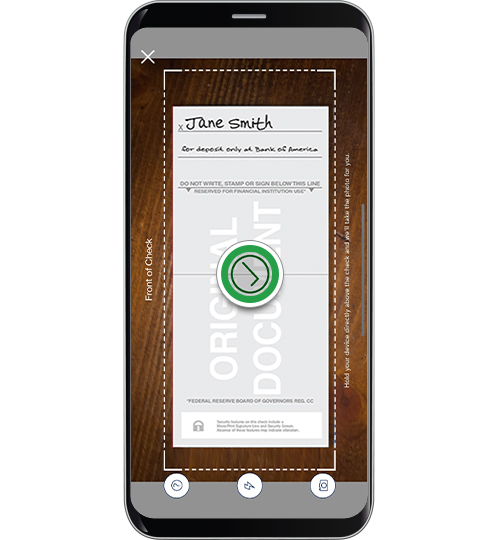
- Restrictive Endorsement: Adding “For Deposit Only” above your signature ensures the check can only be deposited into your account, providing greater security against loss or theft.
For cashing purposes, a blank endorsement is generally sufficient, but always consider the security implications. All banks and check-cashing services will require your endorsement.
Key Information on Your Check
Familiarity with the details printed on a check helps in verifying its legitimacy and understanding the transaction process. A standard Bank of America check includes:
- Drawer’s Information: Name and address of the account holder issuing the check.
- Payee’s Name: Your name, as the recipient of the funds.
- Date: Crucial for ensuring the check isn’t stale-dated (typically over six months old and potentially non-negotiable).
- Amount: Written in both numerals and words, which must match precisely.
- Signature: The drawer’s authorized signature.
- Bank Name & Logo: Clearly identifies Bank of America as the drawee institution.
- Routing & Account Numbers: Unique identifiers for Bank of America and the specific account from which funds are drawn, vital for processing.
- Check Number: For the drawer’s record-keeping.
Knowing these components aids in authentication and understanding the flow of funds.
Your Primary Options: Cashing at Bank of America
The most direct and often most cost-effective method for cashing a Bank of America check is by going directly to Bank of America itself. As the drawee bank, it has immediate access to verify the funds, making the process smoother and often free of charge for account holders.
For Bank of America Account Holders
If you already hold an account with Bank of America, cashing or depositing a check is remarkably convenient, offering several streamlined options:
- In-Branch Service: Visit any Bank of America branch. Present your properly endorsed check and a valid photo ID to a teller. Since you’re an account holder, funds can frequently be immediately credited to your account or cashed out, depending on your account balance and branch policies. This service is typically free for customers.
- ATM Deposit: Most Bank of America ATMs allow for check deposits using your debit card. Insert your card, select “deposit,” and follow the instructions. While convenient for anytime access, funds deposited via ATM may be subject to a hold, meaning they won’t be immediately available for withdrawal.
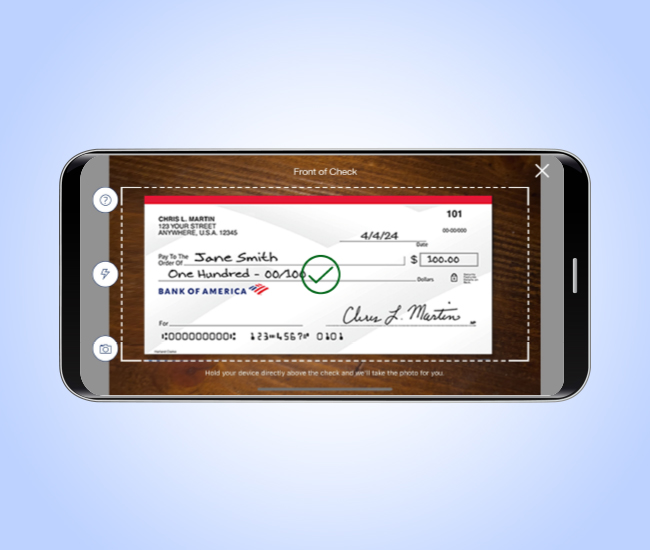
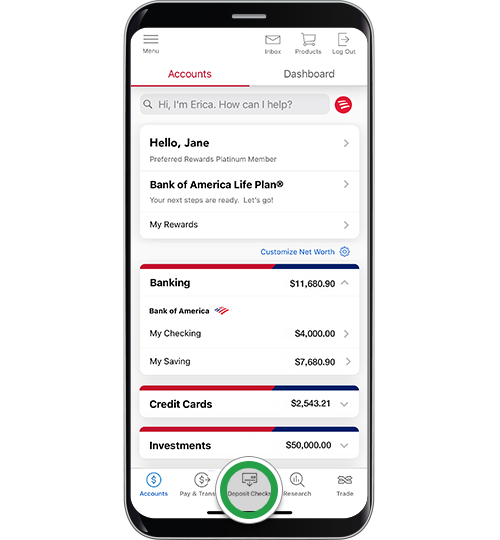
- Mobile Deposit: Bank of America’s mobile banking app offers one of the most convenient ways to deposit checks. Simply log in, select “Deposit Checks,” endorse the check, and capture photos of both the front and back. This method provides immense flexibility, allowing deposits from virtually anywhere. Mobile deposits, like ATM deposits, are subject to daily limits and fund availability schedules, with funds usually available the next business day. It’s advisable to write “MOBILE DEPOSITED” and the date on the check after confirmation and retain it for a short period before shredding.
For Non-Account Holders at Bank of America
Even if you do not have an account with Bank of America, you can generally cash a Bank of America check at one of its branches, provided certain conditions are met.
- ID Requirements: A valid, government-issued photo ID (e.g., driver’s license, state ID, passport) is mandatory. The name on your ID must precisely match the payee’s name on the check for security and verification purposes.
- Potential Fees: While some banks may offer this service as a courtesy, Bank of America, like many financial institutions, typically charges a fee to non-customers for cashing a check drawn on their bank. This fee can vary, often a flat rate (e.g., $8-$15) or a small percentage of the check amount. Always inquire about any fees upfront.
- Fund Verification and Limitations: The teller will verify the availability of funds directly from the drawer’s account. For large amounts, or if there are any suspicious circumstances, Bank of America reserves the right to decline cashing the check for a non-customer, especially if identity cannot be adequately verified or if the check’s legitimacy is in question.
Alternative Venues for Cashing Bank of America Checks
When visiting a Bank of America branch isn’t feasible, or if you prefer other options, several alternative venues can facilitate cashing a Bank of America check, each with its own set of rules, fees, and conveniences.
Other Banks and Credit Unions
If you are a customer of a different bank or credit union, you can typically deposit a Bank of America check into your existing account there.
- Depositing for Customers: Your own financial institution will readily accept the Bank of America check for deposit, then process it through the interbank system to clear with Bank of America. This service is almost always free for account holders.
- Cashing for Non-Customers: Most banks and credit unions will generally not cash a check drawn on another bank for non-customers. Their primary focus is serving their own clientele. If they do, it’s often with significant fees and strict verification protocols.
- Hold Times: Be prepared for potential hold times on funds when depositing a check from another bank. While Regulation CC typically mandates the first $225 (as of 2023) be available the next business day, larger amounts or checks from out-of-network banks might be held for a few days (e.g., 2-5 business days) to ensure the check clears and protect the bank from bounced checks.
Retailers with Check Cashing Services
A growing number of large retailers provide check cashing services, offering a convenient alternative, especially for those without traditional bank accounts or who need immediate cash outside of standard banking hours.
- Popular Chains: Major retailers such as Walmart, Kroger (and its affiliated grocery chains like King Soopers, Fry’s), and some Albertsons often have check cashing facilities.
- Pros: Benefits include extended operating hours, often including weekends and holidays, which can be ideal for immediate cash needs when banks are closed.
- Cons: These services almost invariably charge a fee, which can be a percentage of the check amount (e.g., 0.5% to 3%) or a flat fee, and can accumulate. They also typically impose strict limits on the maximum amount they will cash (e.g., $5,000 for Walmart), and may only accept specific types of checks (e.g., payroll, government, or tax refund checks, often excluding personal checks).
- Requirements: Valid photo identification is always required. Retailers may also use third-party verification systems to confirm the check’s validity.
Check Cashing Stores
Dedicated check cashing stores (e.g., ACE Cash Express, Check ‘n Go) specialize in converting checks into cash quickly and often with minimal hassle, catering to individuals who need immediate access to funds and may not have a traditional banking relationship.
- Speed and Accessibility: These establishments are designed for rapid service and are frequently located in easily accessible areas, often with extended hours.
- High Fees: The convenience and speed come at a significant cost. Check cashing stores typically levy the highest fees among all options, often a substantial percentage of the check’s value. These fees can considerably diminish the amount of money you actually receive.
- Last Resort: Due to these elevated fees, check cashing stores are generally considered a last resort for individuals who cannot utilize more affordable options. While they will cash a legitimate Bank of America check, be prepared for the financial impact. Valid ID is always required, and they will conduct thorough verification.
Navigating Common Challenges and Best Practices
While the act of cashing a check may appear straightforward, certain challenges can arise. Being prepared and understanding how to navigate these situations can save you time, money, and frustration.
Dealing with Insufficient Funds (NSF) or Bounced Checks
The most significant risk when cashing or depositing a check is that it might “bounce” or be returned due to insufficient funds (NSF) in the drawer’s account.
- Implications: If a check you’ve cashed or deposited bounces, the funds will be debited back from your account, and you may incur fees from your bank for the returned item. If you cashed it at a retailer or a check cashing store, they will seek to recover the funds from you.
- Verifying Funds: Banks generally cannot disclose information about another customer’s account balance. However, if you are cashing a Bank of America check at Bank of America, the teller has direct access to verify funds. For large checks, politely asking the drawer to confirm fund availability might be a prudent step.
- Preventive Measures: Exercise caution with checks from unfamiliar individuals or for amounts that seem unusually high or out of context.
Identifying and Avoiding Fraudulent Checks
Unfortunately, check fraud remains a persistent issue. Protecting yourself from scams is paramount.
- Red Flags: Be highly suspicious if a check is for more than an agreed-upon amount, and you’re asked to wire back the difference. Watch for poor-quality printing, unusual fonts, misspellings, or checks with excessive errors.
- Security Features: Legitimate checks often incorporate security features like microprinting (tiny text that appears as a line), watermarks visible when held to light, and security threads. Familiarize yourself with these features.
- Never Rush: Do not be pressured into cashing a check quickly. If anything about the check or the situation feels suspicious, trust your instincts and take time to verify its authenticity.
Understanding Hold Times and Fund Availability
When you deposit a check, particularly at a bank other than the drawee bank, the funds may not be immediately available for withdrawal. This period is known as a “hold.”
- Regulation CC: This federal regulation dictates how quickly banks must make deposited funds available. As of 2023, the first $225 from most consumer deposits must typically be available the next business day. The remainder of local checks are generally available within two business days. Non-local checks or larger amounts may be subject to longer holds (up to 5-7 business days) while the check clears through the banking system.
- Extended Holds: Banks can place extended holds (beyond standard times) for various legitimate reasons, such as new accounts, very large deposits, repeated overdrafts, or if they have reasonable doubt about the collectibility of the check. They are legally required to notify you if an extended hold is placed.
- Planning Ahead: If you have an urgent need for immediate cash, consider cashing the check at the drawee bank (Bank of America, if feasible) or using a check cashing service that offers immediate payouts, understanding that this often comes with higher fees.
Essential Documentation: Always Bring Valid ID
Regardless of where you choose to cash a check, a valid, government-issued photo identification is almost universally required.
- Acceptable IDs: This typically includes a state-issued driver’s license or identification card, a passport, or a military ID. While some places might accept other forms of identification, these are the most common and widely accepted.
- Matching Names: It is crucial that the name on your identification precisely matches the payee’s name as printed on the check. Any discrepancies could lead to the transaction being rejected.
- Security Measure: This requirement serves as a critical security measure to prevent fraud and ensure that the funds are being disbursed only to the rightful payee.
Making Informed Decisions About Check Cashing
With a clear understanding of your available options and potential challenges, you are better positioned to make a choice that aligns with your specific financial needs and priorities. The “best” way to cash a Bank of America check ultimately depends on several individual factors: whether you possess a bank account, how quickly you require the cash, and how much you are willing to pay in service fees.
Comparing Fees and Convenience
The decision-making process often involves a direct trade-off between convenience and cost:
- Lowest Cost (or Free): Your own bank offers the most economical solution. If you’re a Bank of America customer, cashing directly at a branch or depositing via ATM/mobile app is typically free. If you bank elsewhere, depositing the check into your existing account is also usually free.
- Moderate Cost: Retailers that provide check cashing services offer a convenient option, particularly outside traditional banking hours, but they charge a percentage-based or flat fee for their service.
- Highest Cost: Dedicated check cashing stores offer maximum speed and accessibility, but this convenience comes at a premium, with fees often being a significant percentage of the check’s value, making them an expensive choice for routine use.
Carefully weigh how the fee will impact the total amount of money you receive against the urgency of needing the cash and the convenience of the service provider’s location and hours.
The Benefits of a Bank Account
For individuals who frequently receive checks, manage their finances, or simply desire greater financial stability, maintaining a traditional bank account (checking or savings) offers substantial advantages that far outweigh the limited options available to a non-account holder.
- Cost Savings: Bank accounts typically offer free check deposits, often no fees for ATM withdrawals (especially from network ATMs), and many offer easily waivable or no monthly maintenance fees.
- Security: Your money is insured by the Federal Deposit Insurance Corporation (FDIC) up to $250,000 per depositor, protecting your funds against bank failure.
- Financial Tools: Access to a comprehensive suite of financial management tools, including online banking, mobile apps, bill pay services, debit cards, and opportunities for building credit.
- Accessibility: Easier access to your funds through a wider network of ATMs, digital transfers, and direct deposit options.
- Reduced Reliance on High-Fee Services: A bank account significantly reduces or eliminates the need to rely on expensive check cashing stores and other high-fee services. Many banks also offer “second chance” checking accounts, designed for individuals who may have had past banking issues, making an account accessible to more people.
Digital Alternatives to Physical Checks
While this article primarily focuses on methods for cashing physical checks, it’s worth acknowledging the broader industry trend towards digital payment methods, which can often eliminate the need for paper checks altogether.
- Direct Deposit: For regular income sources like payroll, government benefits, or recurring payments, direct deposit is the most efficient, secure, and typically immediate way to receive funds, ensuring they are available on payday.
- Payment Apps: Services such as Zelle, Venmo, PayPal, and Cash App enable instant money transfers between individuals, often without fees for standard transactions. If you are due money, requesting payment via one of these apps can be significantly faster and more convenient than waiting for and then cashing a physical check.
- Wire Transfers: For larger, urgent financial transactions, wire transfers provide a secure and reliable method to move funds directly from one bank account to another, though they typically involve associated fees.
Encouraging and utilizing digital alternatives whenever possible can simplify financial life, enhance security, and reduce the reliance on paper checks and their associated processing complexities.
Conclusion
Cashing a Bank of America check, like any financial transaction, involves a spectrum of choices, each with its unique advantages and considerations. While the most direct and often most cost-effective route for Bank of America checks is through Bank of America itself—especially for account holders leveraging in-branch services, ATMs, or the highly convenient mobile deposit—a robust ecosystem of alternatives exists for various needs. From other traditional banks and credit unions to large retail chains like Walmart and specialized check cashing stores, the options are plentiful, though the associated fees and fund availability can differ significantly.
The overarching principle for making an informed decision revolves around balancing convenience, speed, and cost, all while prioritizing security. Always ensure you have valid identification, remain vigilant against potential fraud, and understand the implications of fund holds and insufficient funds. For those who frequently deal with checks, the benefits of maintaining a traditional bank account—offering security, lower costs, and a suite of comprehensive financial tools—are undeniable. Moreover, exploring modern digital payment alternatives can often bypass the need for physical checks altogether, further streamlining your financial interactions. By empowering yourself with this knowledge, you can navigate the check cashing process efficiently, securely, and in a manner that best serves your personal financial well-being.
aViewFromTheCave is a participant in the Amazon Services LLC Associates Program, an affiliate advertising program designed to provide a means for sites to earn advertising fees by advertising and linking to Amazon.com. Amazon, the Amazon logo, AmazonSupply, and the AmazonSupply logo are trademarks of Amazon.com, Inc. or its affiliates. As an Amazon Associate we earn affiliate commissions from qualifying purchases.