
In the complex landscape of the pharmaceutical industry, few concepts are as misunderstood by the general public as the distinction between brand name drugs and their generic counterparts. To navigate modern healthcare—or the corporate strategies that underpin it—one must understand that a “brand name drug” is not merely a medical necessity; it is a meticulously crafted intellectual property asset designed to dominate a market through rigorous research, legal protection, and strategic positioning.
The Anatomy of Pharmaceutical Branding
A brand name drug is the original medication developed by a pharmaceutical company under a patent. When a company discovers a new chemical entity that shows promise in treating a disease, they embark on a decade-long journey of clinical trials and regulatory scrutiny. The “brand name” is the proprietary title given to this medication, serving as the commercial face of the underlying molecule.
Intellectual Property as a Competitive Moat
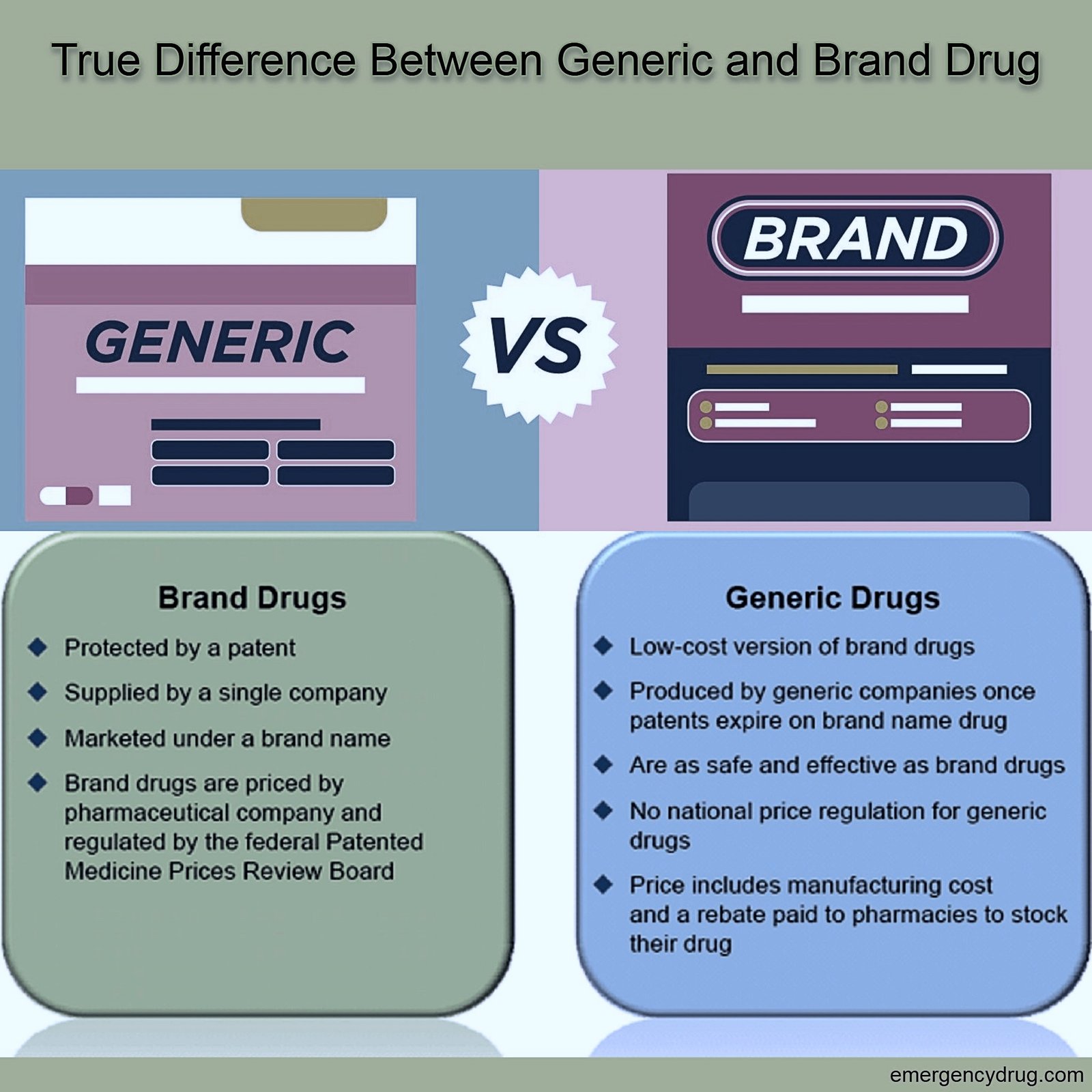
The value of a brand name drug is inextricably linked to its patent protection. Upon the successful approval of a new drug by agencies like the FDA, the developer is granted a period of market exclusivity. During this window, no other company can manufacture or sell a product containing the same active ingredient. This is the cornerstone of the pharmaceutical business model. It provides the developer the opportunity to recoup the astronomical costs associated with research and development (R&D), which can often reach billions of dollars per drug.
The Power of Trademark Identity
Beyond patents, the brand name itself acts as a powerful marketing vehicle. Just as Nike or Apple represents a specific set of perceived values and quality standards, a pharmaceutical brand name is engineered to foster trust among physicians and patients. Companies invest heavily in naming conventions that sound medical yet memorable, ensuring that when a physician prescribes a medication, the specific brand name is at the forefront of their mind. This creates a psychological tether between the product and the healthcare provider, often leading to a “first-mover advantage” that persists even after generic competitors enter the market.
The Economics of Brand Strategy and Market Positioning
From a business perspective, the pharmaceutical industry operates on a high-stakes model where brand equity can dictate a company’s valuation for decades. Managing a brand name drug requires a sophisticated approach to lifecycle management and stakeholder communication.
Lifecycle Management and “Evergreening”
Pharmaceutical firms rarely rest on their laurels once a brand name drug is established. They employ complex lifecycle management strategies to extend the commercial life of their assets. This might include developing extended-release formulations, combining the active ingredient with another drug to create a “fixed-dose combination,” or seeking new indications for the same medication. By iterating on the original brand, companies often attempt to maintain market share, a practice sometimes scrutinized by regulators but essential for maximizing the return on investment (ROI) for shareholders.
Marketing to the Prescriber and the Patient
Unlike traditional consumer goods, the marketing of brand name drugs operates in a unique B2B2C (Business-to-Business-to-Consumer) environment. While Direct-to-Consumer (DTC) advertising has become increasingly prevalent, the primary target remains the physician. Pharmaceutical representatives focus on demonstrating the clinical superiority, safety profiles, and consistency of the brand name drug. This relationship-building is vital. When a physician prescribes a brand name drug, they are not just prescribing a molecule; they are prescribing the reliability and quality control associated with the original manufacturer.
The Financial Impact of Brand vs. Generic
The tension between brand name drugs and generic alternatives is a core theme in the economics of healthcare. Understanding why brand name drugs command premium pricing is essential for any analysis of business finance within the life sciences sector.
The Cost of Research and Development (R&D)
The most common justification for the high price of brand name drugs is the R&D burden. A company might screen thousands of compounds before finding one that is safe and effective for human use. These “sunk costs” must be recovered while the patent is still active. Therefore, the pricing strategy of a brand name drug is rarely based solely on the cost of raw materials or manufacturing; it is based on the value provided to the patient and the necessity of sustaining a pipeline of future innovation.
The Generics Disruption
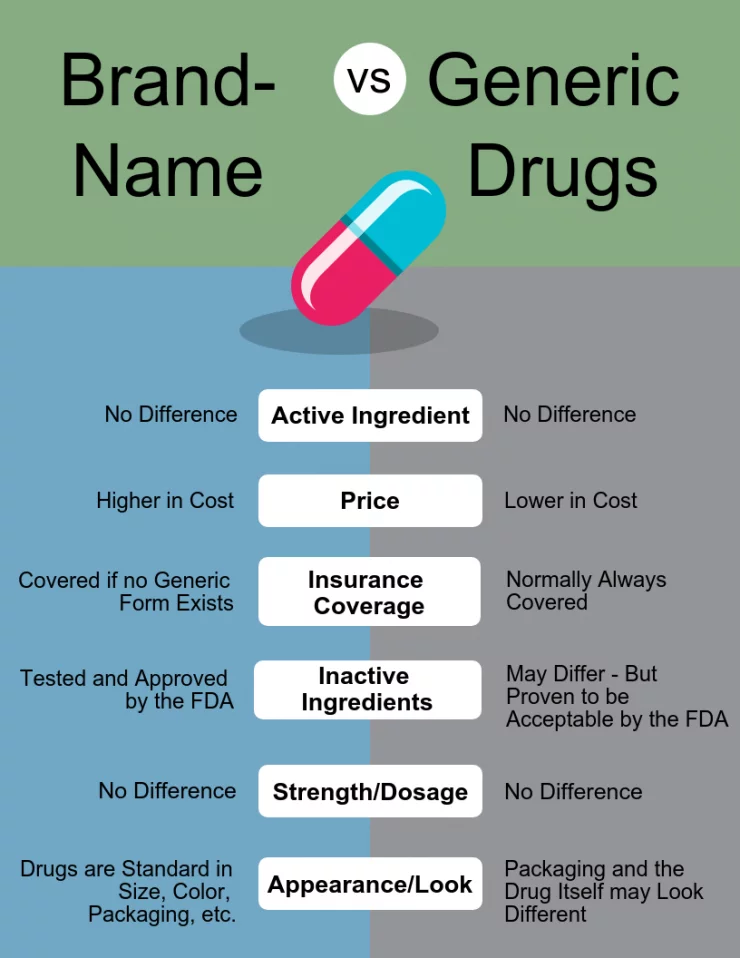
Once a patent expires, the market dynamics shift dramatically. Generic manufacturers, who do not bear the initial cost of discovery and clinical testing, can produce the drug at a significantly lower cost. This leads to a precipitous drop in the brand name drug’s market share. However, brand loyalty is a powerful force. Many patients, and even physicians, prefer to stick with the “original” brand name medication due to perceived concerns over the purity, excipients (inactive ingredients), or the consistency of the manufacturing process of generic alternatives. This “brand premium” allows some original manufacturers to maintain a segment of the market even after generic versions become available.
Challenges and Future Outlook
The future of the brand name drug model is currently being reshaped by digital health, data analytics, and increased scrutiny regarding drug pricing. As healthcare systems globally look for ways to control costs, the pharmaceutical industry must adapt its branding strategies.
The Rise of Specialty Pharmaceuticals
We are currently seeing a shift away from traditional small-molecule drugs toward specialty pharmaceuticals, particularly biologics. Biologics are complex, large-molecule drugs derived from living organisms. Because they are so complex, the generic equivalent—known as a “biosimilar”—is much harder to replicate than a standard pill. This creates a new frontier for brand name drugs, as these complex biologics enjoy longer periods of practical exclusivity and offer significant barriers to entry for competitors.

Ethical Considerations and Corporate Identity
Modern brand strategy in the pharmaceutical sector is increasingly tied to Corporate Social Responsibility (CSR). It is no longer enough to have a effective drug; a company must also manage its brand reputation regarding access and affordability. Companies that are perceived as “price-gouging” can suffer significant damage to their corporate identity, which in turn affects their ability to recruit talent, form partnerships, and navigate regulatory environments. Consequently, the “brand” of the pharmaceutical company is becoming just as critical as the brand name of the drugs they produce.
In summary, a brand name drug represents the culmination of intense intellectual, financial, and strategic efforts. It is a vessel for medical innovation protected by the machinery of patent law and propelled by sophisticated marketing and lifecycle management. While the rise of generic competition and the push for healthcare affordability pose constant challenges, the brand name drug remains a cornerstone of the pharmaceutical industry—a testament to the value placed on proprietary research and the enduring power of brand equity in the healing arts. Understanding this niche requires a keen eye for both the scientific rigor of the drug development process and the strategic acumen required to bring those innovations to the global market.
aViewFromTheCave is a participant in the Amazon Services LLC Associates Program, an affiliate advertising program designed to provide a means for sites to earn advertising fees by advertising and linking to Amazon.com. Amazon, the Amazon logo, AmazonSupply, and the AmazonSupply logo are trademarks of Amazon.com, Inc. or its affiliates. As an Amazon Associate we earn affiliate commissions from qualifying purchases.