
Prepaid credit cards, often misunderstood as “credit” in the traditional sense, are powerful financial tools that operate more like debit cards, allowing users to spend only the money they’ve loaded onto them. They offer a unique blend of convenience, control, and accessibility, making them an attractive option for a diverse range of individuals—from those managing a strict budget to travelers seeking security, and even those navigating the financial landscape without a traditional bank account. Unlike credit cards that rely on your credit history, prepaid cards require no credit check, making them an inclusive option for nearly everyone.
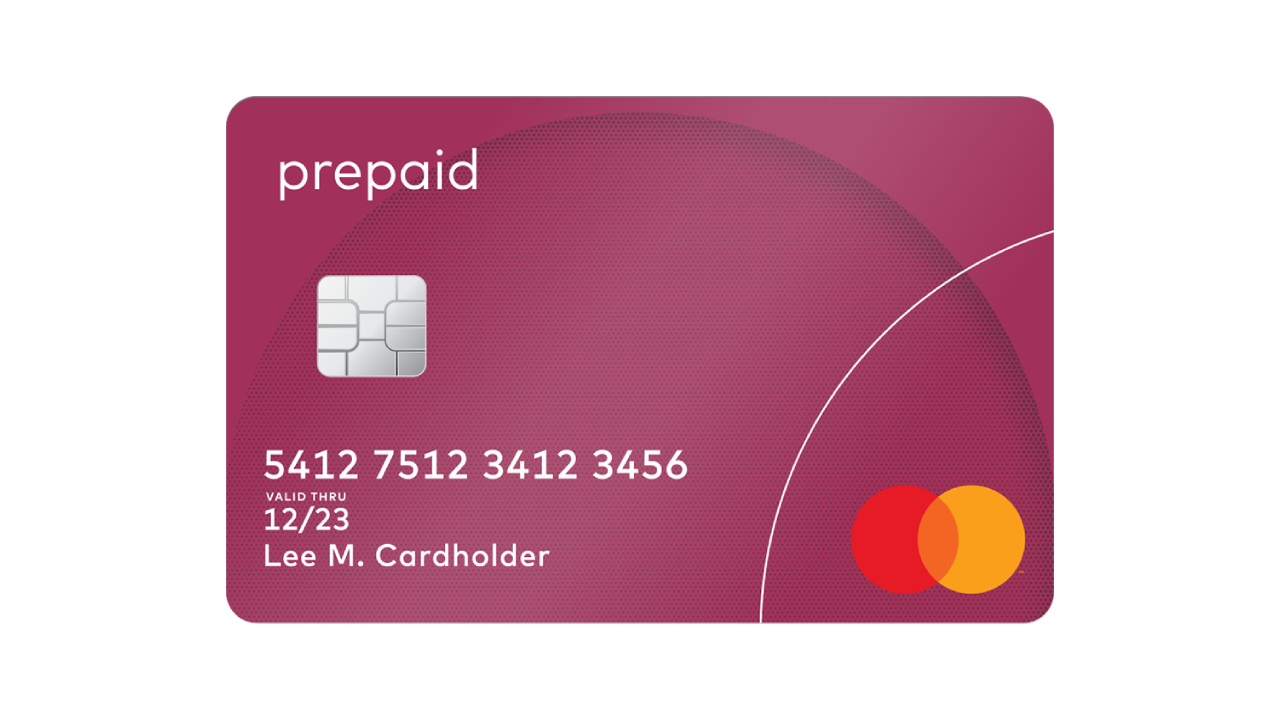
The widespread appeal of prepaid cards has led to their ubiquitous availability across various retail channels and financial platforms. Understanding where to purchase them, along with the nuances of each option, is crucial for making an informed decision that best suits your financial needs. This comprehensive guide will navigate the myriad of purchasing locations, highlight key considerations, and help you unlock the full potential of prepaid cards as a vital component of your personal financial strategy.
Traditional Retailers: Convenience at Your Fingertips
For many, the quickest and most straightforward way to acquire a prepaid card is through familiar retail outlets. These locations offer the advantage of immediate access, allowing you to walk in, purchase a card, and often begin using it within minutes of activation. The sheer volume and accessibility of these stores make them a primary destination for those in need of a prepaid solution.
Major Supermarkets and Drugstores
National and regional chains like Walmart, Target, Kroger, Walgreens, and CVS are among the most common places to find prepaid cards. These stores typically feature dedicated gift card aisles or offer a selection of prepaid options at their customer service desks. You’ll often find a variety of cards from major networks such as Visa, MasterCard, and American Express, providing diverse choices in terms of issuer and features. The convenience of adding a prepaid card to your regular shopping trip is a significant draw, and their widespread presence ensures that an option is usually nearby, no matter where you are. Activation can sometimes be done at the register or through a simple online process, making them an excellent choice for immediate needs.
Convenience Stores
For ultra-fast access, local convenience stores, gas stations, and chains like 7-Eleven or Circle K are reliable options. While the selection might be more limited compared to larger supermarkets, these outlets are ideal for last-minute purchases or when you need a prepaid card outside of typical business hours. They cater to impulse buys and quick transactions, making them a practical choice if you’re in a hurry and just need a basic, reloadable card. Always double-check the fees and reload options, as these can vary even for cards sold in similar retail environments.
Office Supply Stores
Stores such as Staples and Office Depot/Max also carry a selection of prepaid cards. While these stores traditionally cater to business needs, their offerings often extend to general consumer prepaid cards, sometimes including options with higher limits or specific features beneficial for managing small business expenses or even for personal budgeting. These locations might appeal to those who prefer a slightly more organized shopping experience and potentially a broader array of card types designed for various uses, from personal spending to employee incentives.
Financial Institutions: A More Integrated Approach
Beyond retail shelves, traditional banks, credit unions, and modern fintech platforms have embraced prepaid cards as a way to serve a wider demographic, offering more integrated financial solutions. These options often provide enhanced features, better customer support, and the potential for lower fees, especially if you already have an existing relationship with the institution.
Banks and Credit Unions
Many established financial institutions, including major banks like Chase, Wells Fargo, and Bank of America, as well as thousands of local credit unions, offer their own branded prepaid cards. These cards, such as the Chase Liquid Card or Wells Fargo EasyPay Card, are typically reloadable and can often be linked to your existing checking or savings accounts for easy transfers and balance management. The benefits of acquiring a prepaid card directly from a bank or credit union include access to their customer service network, potential FDIC insurance (if registered), and often more transparent fee structures. For those who value the security and reliability of a traditional financial institution but prefer not to use a credit card or a standard debit card linked directly to their primary account, these options provide a robust alternative.
Online Banking Platforms (Fintech)
The rise of financial technology (fintech) has introduced a new generation of digital-first banking platforms that blur the lines between traditional bank accounts and prepaid cards. Companies like Chime, Revolut, and even Cash App (with its linked debit card) offer services that closely resemble a checking account but often start with a prepaid or pre-funded debit card model. These platforms are designed for mobile-first users, offering features like early direct deposit, fee-free ATM access (within networks), and robust budgeting tools. While technically often debit cards linked to digital accounts, their “spend what you load” functionality and lack of credit checks make them highly competitive alternatives to traditional prepaid cards, especially for the unbanked or underbanked looking for a modern financial solution. They offer the convenience of ordering online and managing everything via an app, often with no physical branch to visit.
Online Marketplaces and Card Issuers: Digital Convenience
The internet has opened up a vast landscape for purchasing prepaid cards, offering unparalleled convenience, direct access to card issuers, and often a broader range of specialized options. This avenue is particularly beneficial for those who prefer to shop from home, compare different products, or require specific features not always found in physical retail locations.
Direct from Card Issuers’ Websites
Major payment networks like Visa, MasterCard, American Express, and Discover each have dedicated sections on their websites where you can explore and purchase their branded prepaid cards directly. This method often allows for greater customization, such as selecting specific designs or higher card limits, and ensures you’re dealing directly with the entity behind the card. Purchasing directly from the issuer can also provide access to comprehensive FAQs, customer support resources, and transparent disclosures about fees and terms. While you won’t get the card immediately (it will be mailed to you), this option is excellent for planning ahead, especially for travel or long-term budgeting.
Specialized Prepaid Card Websites
Beyond the major networks, numerous companies specialize exclusively in prepaid card solutions. Brands like Netspend, Green Dot, and PayPal Prepaid are prominent players in this space, offering a diverse portfolio of prepaid products. These websites allow you to compare various card programs, each with its unique fee structure, reload options, and potential benefits like rewards programs or cash-back offers. Often, you can apply for and order these cards directly from their respective websites, which are then mailed to your address. These companies cater specifically to the prepaid market, often providing robust online account management tools, direct deposit capabilities, and extensive reload networks, making them a comprehensive solution for managing your funds.
E-commerce Retailers
While less common for reloadable prepaid cards than the direct issuer websites, e-commerce giants like Amazon and eBay may sometimes feature listings for prepaid cards, particularly gift card versions that are essentially single-load prepaid cards. However, for reloadable prepaid cards designed for ongoing financial management, it’s generally safer and more straightforward to purchase directly from the card issuer’s website or a specialized prepaid card provider to ensure authenticity, proper registration, and access to all features and customer support. Be cautious when buying from third-party sellers on these platforms to avoid scams or cards with hidden issues.
Important Considerations Before You Buy
While the ease of acquiring a prepaid card is undeniable, the true value lies in understanding the terms and conditions associated with it. Not all prepaid cards are created equal, and a little research upfront can save you from unexpected fees and enhance your overall financial experience.
Understanding Fees
Fees are the most critical aspect to scrutinize. Common charges include:
-
Activation Fees: A one-time fee paid when you first purchase the card.
-
Monthly Maintenance Fees: A recurring charge, sometimes waived if you meet certain criteria (e.g., direct deposit).
-
Transaction Fees: Charges for ATM withdrawals, balance inquiries, or foreign transactions.
-
Reload Fees: Costs associated with adding more money to your card.
-
Inactivity Fees: Penalties for not using your card for a certain period.
Always read the cardholder agreement thoroughly, or look for a clear fee schedule, to compare costs across different cards. Some cards offer lower fees but lack certain features, while others might have higher fees but provide benefits like free direct deposit or a wider ATM network.
Activation and Registration
Most prepaid cards require activation, and for full functionality—including FDIC insurance, fraud protection, and the ability to replace a lost or stolen card—registration with your personal details is usually mandatory. This process typically involves providing your name, address, date of birth, and sometimes your Social Security number. While the absence of a credit check is a hallmark of prepaid cards, this registration is for identification purposes and compliance with financial regulations, not for credit assessment. Ensure you complete this step to protect your funds and enjoy all the card’s features.
Reload Options
Consider how you’ll add more money to your card. Common reload methods include:
-
Direct Deposit: Many cards allow you to set up direct deposit from your employer or government benefits.
-
Cash Reload Networks: Services like Green Dot MoneyPak or VanillaDirect allow you to add cash at participating retailers for a fee.
-
Bank Transfers: Some cards allow transfers from a traditional bank account.
-
Mobile Check Deposit: Certain cards offer the convenience of depositing checks using a smartphone app.
The ease, cost, and availability of reload options should align with your lifestyle and how you receive your income or funds.
Limits and Restrictions
Prepaid cards often come with various limits:
-
Maximum Load Amounts: Daily or monthly limits on how much money you can add.
-
Daily Spending Limits: Restrictions on the total amount you can spend in a day.
-
ATM Withdrawal Limits: Caps on how much cash you can withdraw from ATMs.
-
Foreign Transaction Fees: Extra charges for using the card outside your home country.
Be aware of these limitations, especially if you plan to use the card for large purchases, travel, or as your primary financial tool.
Customer Support and Security
Assess the quality and availability of customer support. Can you reach them by phone, email, or chat? Also, inquire about security features. Most reputable prepaid cards offer fraud protection similar to traditional debit cards (e.g., Visa Zero Liability or MasterCard’s similar policies), which can protect you from unauthorized transactions if your card is lost or stolen. FDIC insurance (up to $250,000) is also a crucial safeguard, provided the card is issued by an FDIC-insured bank and registered in your name.
Who Benefits Most from Prepaid Cards?
The versatility of prepaid cards makes them an invaluable financial tool for a wide spectrum of users, each leveraging their unique features to address specific financial challenges or goals.
Budget-Conscious Individuals
Prepaid cards are excellent for managing budgets. By loading a specific amount for categories like groceries, entertainment, or discretionary spending, users can prevent overspending and stick to their financial plans. They act as a digital envelope system, providing a clear visual and functional boundary on how much money is available for a given purpose.
Individuals Without Traditional Bank Accounts
For the millions of unbanked or underbanked individuals, prepaid cards offer a vital gateway to the digital economy. They provide a means to receive direct deposits, pay bills online, shop securely, and manage money without the need for a traditional checking account, making essential financial services accessible.
Travelers
Carrying a prepaid card while traveling offers a secure alternative to cash and a safer option than linking directly to your primary bank account. You can load a set amount for your trip, limiting potential losses if the card is lost or stolen. Many cards also offer competitive exchange rates or lower foreign transaction fees compared to some traditional debit or credit cards.
Teenagers and Young Adults
Prepaid cards are an effective tool for teaching financial responsibility. Parents can load an allowance or specific funds for their children, allowing them to make purchases online or in stores under controlled spending limits. This fosters independence while providing a safe learning environment for money management.
Online Shoppers
For those concerned about online security, a prepaid card offers an extra layer of protection. By using a prepaid card for online transactions, you avoid exposing your primary bank account or credit card details, limiting potential damage in the event of a data breach or fraudulent activity. You only risk the funds loaded onto that specific card.

Conclusion
Prepaid credit cards have firmly established their place in the personal finance landscape, offering flexibility, control, and accessibility to a broad audience. From the convenience of your local supermarket to the specialized services of online financial platforms, the options for purchasing these cards are more diverse than ever.
The key to successfully utilizing a prepaid card lies not just in where you buy it, but in understanding its features, especially its fee structure, reload options, and security measures. By conducting thorough research and aligning the card’s offerings with your specific financial needs and habits, you can transform a simple prepaid card into a powerful tool for budgeting, secure spending, and navigating the complexities of modern finance. In an increasingly digital world, these cards provide a vital bridge, empowering individuals to manage their money effectively and confidently.
aViewFromTheCave is a participant in the Amazon Services LLC Associates Program, an affiliate advertising program designed to provide a means for sites to earn advertising fees by advertising and linking to Amazon.com. Amazon, the Amazon logo, AmazonSupply, and the AmazonSupply logo are trademarks of Amazon.com, Inc. or its affiliates. As an Amazon Associate we earn affiliate commissions from qualifying purchases.