
The evolution of digital assets has transformed from a fringe technological experiment into a cornerstone of modern financial portfolios. As cryptocurrency approaches mainstream adoption, the primary question for prospective investors has shifted from “what is it” to “where can I buy it safely and efficiently?” Navigating the landscape of digital asset acquisition requires an understanding of the various financial gateways available, each offering different levels of security, fee structures, and user experiences.
Selecting the right platform is more than a matter of convenience; it is a fundamental step in a broader investment strategy. Whether you are a retail investor looking to put a small percentage of your savings into Bitcoin or a high-net-worth individual seeking institutional-grade liquidity, the platform you choose will dictate your level of control over your private keys, the costs of your transactions, and the regulatory protections afforded to your capital.

Centralized Exchanges: The Primary Gateway for Modern Investors
Centralized Exchanges (CEXs) represent the most common entry point for individuals entering the cryptocurrency market. These platforms function similarly to traditional stock brokerages, acting as intermediaries between buyers and sellers. They provide a high degree of liquidity, a streamlined user interface, and a sense of familiarity for those accustomed to online banking.
Industry Leaders and Global Platforms
Platforms like Coinbase, Binance, and Kraken have established themselves as the “Big Three” of the crypto exchange world, though their offerings differ significantly. Coinbase is often praised for its user-friendly interface, making it the preferred choice for beginners in the United States and Europe. Binance, by contrast, offers a massive array of altcoins and advanced trading tools, appealing to more active traders. Kraken distinguishes itself through rigorous security protocols and a long-standing reputation for transparency.
When using a centralized exchange, you are essentially trusting a third party to hold your funds. This “custodial” model means that while the exchange manages the technical complexities of the blockchain for you, they technically control the private keys to your assets. For many, this trade-off is worth the convenience of being able to recover a password or access customer support.
The Role of Fiat On-Ramps
The most critical feature of a centralized exchange is its “fiat on-ramp” capability. This allows investors to link their traditional bank accounts, credit cards, or wire transfer services to the platform to purchase digital assets with government-issued currency like USD, EUR, or GBP. The ease of moving money from a savings account into a crypto wallet is the primary reason CEXs dominate the market share of new capital inflows.
Compliance and KYC Requirements
Because centralized exchanges operate as financial institutions, they are subject to various regulatory frameworks, including “Know Your Customer” (KYC) and “Anti-Money Laundering” (AML) laws. To buy cryptocurrency on these platforms, users must provide government-issued identification, proof of residence, and sometimes additional financial disclosures. While this reduces anonymity, it provides a layer of legal recourse and institutional legitimacy that many conservative investors find necessary.
Decentralized Exchanges and Peer-to-Peer Marketplaces
For those who prioritize the original ethos of blockchain—decentralization and self-sovereignty—traditional centralized exchanges may feel antithetical to the technology. This has led to the rise of Decentralized Exchanges (DEXs) and Peer-to-Peer (P2P) marketplaces, which allow for the acquisition of cryptocurrency without a central intermediary.
The Rise of Decentralized Exchanges (DEXs)
DEXs like Uniswap (built on Ethereum) or PancakeSwap (built on Binance Smart Chain) operate using smart contracts rather than a centralized order book. On a DEX, you do not “deposit” funds into an exchange account. Instead, you connect a self-custody wallet (like MetaMask or Ledger) and swap one token for another directly on the blockchain.
The primary advantage of a DEX is that the user retains 100% control over their private keys at all times. There is no central authority that can freeze your account or lose your funds in a hack. However, DEXs generally do not support fiat-to-crypto trades. To use a DEX, you usually need to already own some cryptocurrency (like Ethereum or a stablecoin) to trade for other assets. This makes them a secondary destination for investors rather than a starting point.
Peer-to-Peer (P2P) Platforms
P2P marketplaces like Paxful or the P2P section of Binance connect individual buyers and sellers directly. On these platforms, you can find a seller who is willing to accept a variety of payment methods—ranging from bank transfers and PayPal to gift cards or even cash in person. The platform acts as an escrow service, holding the cryptocurrency until the seller confirms they have received the payment. This method offers the highest level of privacy but carries higher risks of fraud if the user is not diligent in checking the reputation of their counterparty.
Traditional Brokerages and Fintech Applications

In recent years, the line between “crypto companies” and “finance companies” has blurred. Many traditional investment platforms and everyday mobile apps have integrated cryptocurrency buying services, making it possible to manage digital assets alongside stocks, bonds, and everyday spending.
Fintech Apps: Convenience Over Ownership
Apps like PayPal, Venmo, Revolut, and Cash App have democratized access to Bitcoin and Ethereum. For the average person, buying $20 worth of Bitcoin is now as easy as sending a text message. This is perhaps the most accessible way to “buy” cryptocurrency, but it often comes with a significant caveat: many of these platforms do not allow you to withdraw your crypto to an external wallet.
In these “closed-loop” systems, you are essentially buying a price-tracking derivative of the asset. You can profit if the price goes up and sell back to fiat, but you cannot use that Bitcoin to buy an NFT or pay for a service directly from your own wallet. For the pure investor, this may be acceptable; for the crypto enthusiast, it is a deal-breaker.
Legacy Stock Brokerages
Brokerages like Robinhood, Fidelity, and Interactive Brokers have also entered the fray. This allows investors to keep their entire portfolio within a single tax-reporting ecosystem. Fidelity, in particular, has brought a high level of institutional trust to the space, offering Bitcoin and Ethereum to its massive retail client base. Like the fintech apps, these platforms focus on the “investment” side of crypto rather than the “utility” side, providing a secure, regulated environment for capital appreciation.
Physical Access Points and High-Touch Services
While most cryptocurrency transactions happen behind a screen, there are physical and high-touch methods for acquiring digital assets that cater to specific demographics, from the casual cash user to the multi-millionaire investor.
Cryptocurrency ATMs
Bitcoin ATMs (BTMs) are now a common sight in convenience stores and malls across the globe. These machines allow users to insert cash and have Bitcoin sent directly to their mobile wallet. They are incredibly fast and require minimal technical knowledge. However, they are also the most expensive way to buy cryptocurrency, with transaction fees often ranging from 7% to 15% above the market spot price. They are primarily used by those who value privacy or those who do not have access to traditional banking services.
Over-the-Counter (OTC) Desks
For institutional investors or high-net-worth individuals looking to buy millions of dollars worth of cryptocurrency, buying on a standard exchange is impractical. A massive “market buy” order on a public exchange could cause the price to spike, leading to “slippage” and poor execution prices.
Instead, these investors use OTC desks. Companies like Genesis, Cumberland, or the OTC wings of major exchanges (like Kraken OTC) provide a personalized service where a price is negotiated privately, and the trade is settled outside of the public order books. This provides deep liquidity and privacy for large-scale capital deployment.
Strategic Considerations Before Your First Purchase
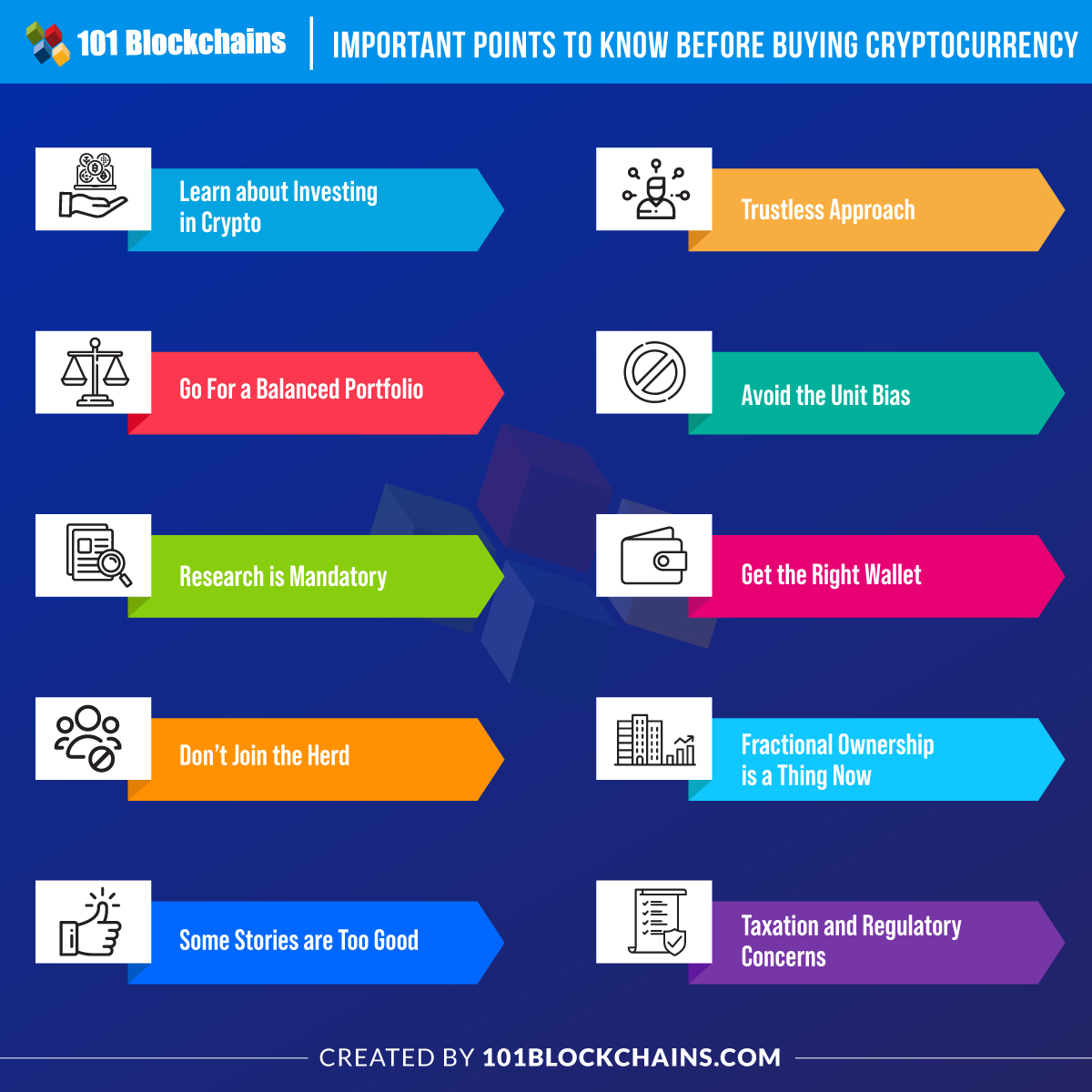
Knowing where to buy is only half the battle; knowing how to evaluate a platform is what separates successful investors from those who lose capital to fees or security breaches. Before committing your funds to any platform, consider the following three pillars:
1. Fee Structure and Total Cost of Acquisition
The “sticker price” of a cryptocurrency is rarely what you actually pay. Centralized exchanges often charge a combination of maker/taker fees, spread (the difference between the buy and sell price), and withdrawal fees. Fintech apps may advertise “zero commission” but hide their profit in a wide spread. Always calculate the total cost of moving your money from your bank account to a secure wallet before choosing a platform.
2. Security and Custody Philosophy
The phrase “Not your keys, not your coins” is a mantra in the crypto world. If you buy on an exchange and leave your assets there, the exchange owns the coins, and you own a claim to them. If the exchange goes bankrupt or is hacked, your assets are at risk. Investors must decide if they are comfortable with “self-custody”—moving their assets to a hardware wallet like a Ledger or Trezor—or if they prefer the institutional security and insurance policies of a platform like Coinbase or Fidelity.
3. Geographic and Regulatory Landscape
Cryptocurrency regulations vary wildly by jurisdiction. A platform that is legal in the European Union may not be available to residents of New York or Hawaii. Furthermore, the level of consumer protection varies. In the United Kingdom, the FCA has strict rules regarding crypto promotions, while in other regions, it is a “buyer beware” market. Always ensure the platform you choose is fully compliant with the laws in your specific region to avoid having your account frozen or facing tax complications.
The diversity of platforms available today means that there is a “right” way to buy cryptocurrency for every type of investor. By matching your financial goals and technical comfort level with the appropriate gateway, you can navigate the digital asset market with confidence and security.
aViewFromTheCave is a participant in the Amazon Services LLC Associates Program, an affiliate advertising program designed to provide a means for sites to earn advertising fees by advertising and linking to Amazon.com. Amazon, the Amazon logo, AmazonSupply, and the AmazonSupply logo are trademarks of Amazon.com, Inc. or its affiliates. As an Amazon Associate we earn affiliate commissions from qualifying purchases.