
The traditional automotive industry has long relied on a sprawling network of franchised dealerships to move inventory. For decades, the process of “where to buy a car” was synonymous with visiting a local lot, navigating the high-pressure environment of a showroom, and engaging in hours of price negotiation. Tesla, Inc. fundamentally disrupted this paradigm by pioneering a direct-to-consumer (D2C) sales model. From a financial perspective, this shift is not merely a change in scenery—it represents a complete overhaul of the economics of car ownership. When you ask where you can buy a Tesla, the answer is less about a physical location and more about a streamlined, transparent financial ecosystem that eliminates the middleman.
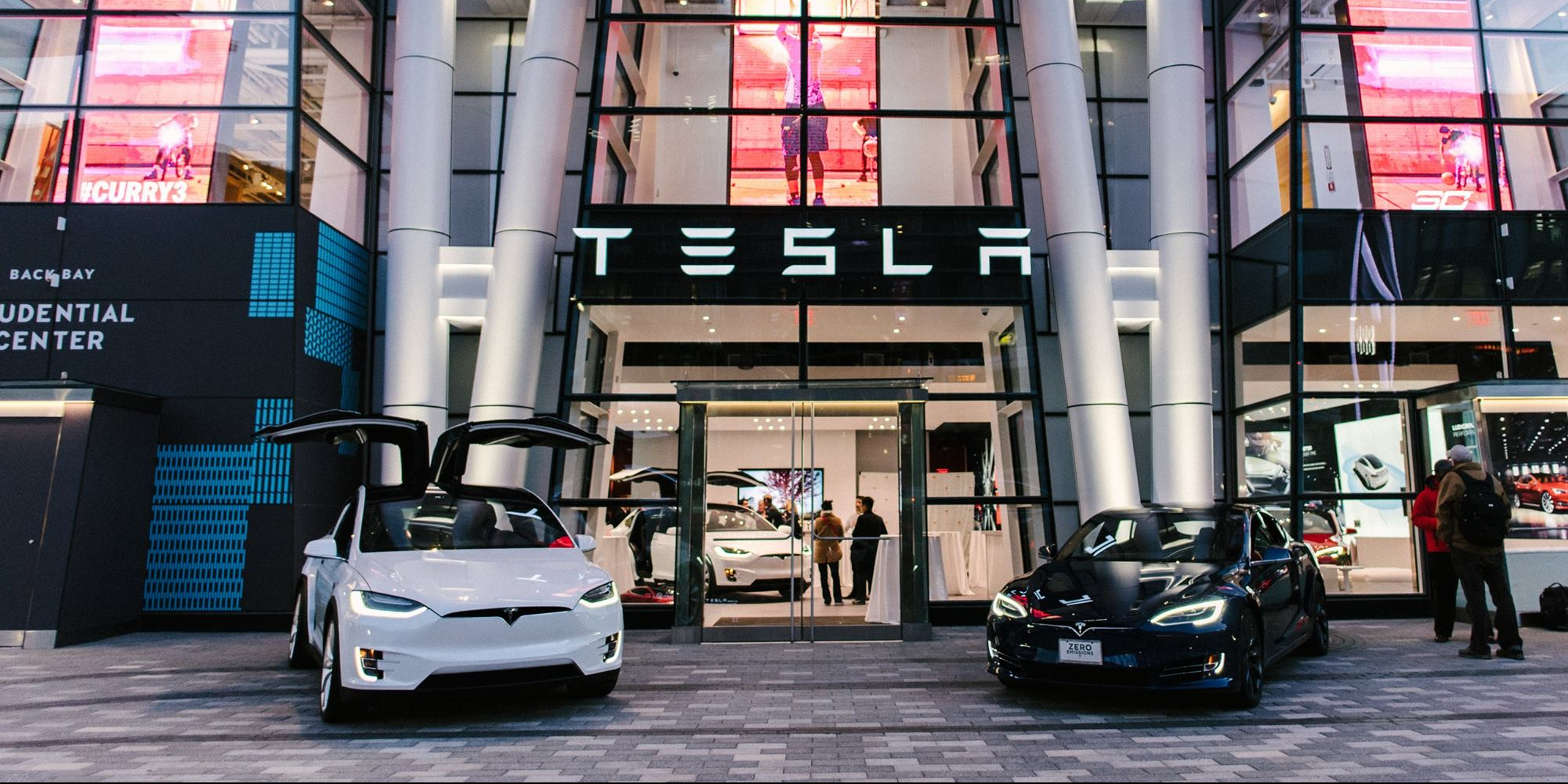
The Direct-to-Consumer Model: Financial Transparency and the End of the Middleman
The most significant financial distinction when buying a Tesla is the total absence of the traditional dealership. In a conventional purchase, the dealer acts as a third party that must generate profit on top of the manufacturer’s price. This often leads to “market adjustments” and hidden fees that obscure the true cost of the asset. Tesla’s model removes this layer, creating a direct financial relationship between the manufacturer and the buyer.
Eliminating the Haggling Tax
In the world of personal finance, time is money. Traditional car buying often involves “haggling,” a process that rewards those with the most patience or the best negotiation skills. However, for the average consumer, this often results in paying a “haggling tax”—an invisible premium added by the dealer to maximize their commission. Tesla’s direct sales model utilizes fixed pricing. Whether you purchase through their website or at a physical Tesla Gallery, the price is the price. This transparency allows for more accurate financial planning and ensures that capital is allocated efficiently without the fear of overpaying relative to another consumer.
Price Transparency vs. Traditional Dealership Games
One of the greatest frustrations in business finance is the lack of predictable pricing. Traditional dealerships often advertise one price online only to add “destination fees,” “documentation fees,” and “dealer-installed options” once the buyer is in the office. Tesla’s digital-first approach provides a comprehensive breakdown of the “cash price” versus the “price after estimated savings.” While buyers should focus on the actual cash price for their balance sheets, the transparency of the checkout process—including taxes and registration fees—provides a level of fiscal clarity that is rare in the automotive sector.
Navigating the Digital Showroom: The Economics of Online Ordering
When considering where to buy a Tesla, the primary “location” is the Tesla smartphone app or website. This digital-centric approach has significant implications for how a consumer manages their liquid assets during the acquisition phase. Unlike a traditional lot where you might drive away the same day, a Tesla purchase is often a phased financial commitment.
The “Order to Delivery” Financial Pipeline
The journey begins with a non-refundable order fee, typically around $250. From a personal finance standpoint, this acts as a commitment of capital that starts the manufacturing or allocation process. Unlike a refundable deposit at a dealership, this is a sunk cost. Once the order is placed, the buyer enters a “financial waiting room.” During this period, savvy investors and buyers monitor interest rates and loan terms, as the final financial contract is usually not signed until the Vehicle Identification Number (VIN) is assigned and the delivery date is set. This window allows for strategic movement of funds from high-yield savings accounts or brokerage accounts to cover the down payment.
Managing the Initial Capital Outlay
Because Tesla does not have “salespeople” in the traditional sense, the burden of financial preparation shifts to the buyer. There is no finance manager trying to upsell you on GAP insurance or VIN etching at the last minute. This means the buyer must be disciplined in managing their initial capital outlay. Tesla requires the down payment and the signing of all financial documents to be completed through the app before the vehicle is even seen in person. This “touchless” financial transaction requires a high degree of trust and digital literacy, but it also minimizes the emotional spending that often occurs in a high-pressure showroom environment.
Incentives and Tax Credits: Leveraging Policy for Maximum ROI
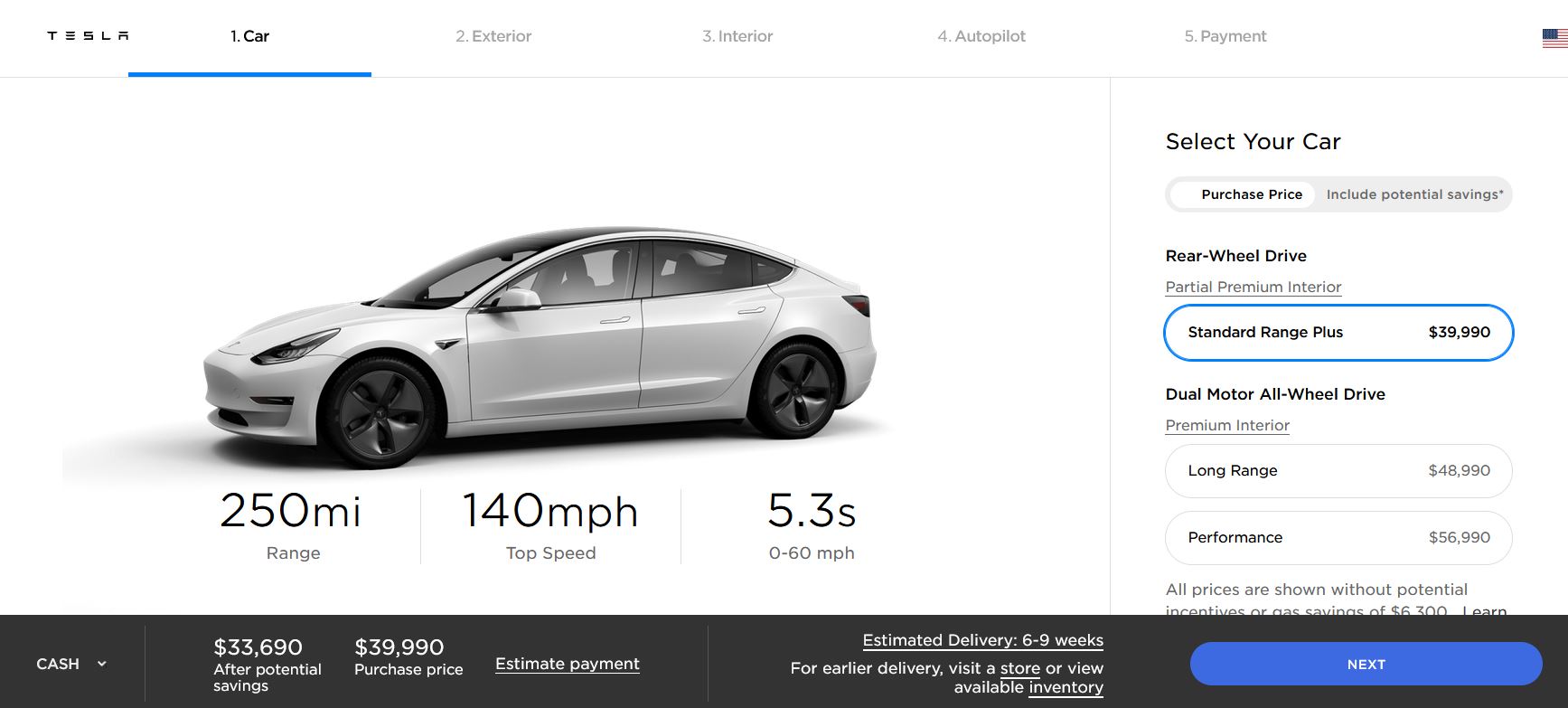
A crucial part of the “where and how” of buying a Tesla involves understanding the geography of financial incentives. The effective price of a Tesla can vary by thousands of dollars depending on the buyer’s tax jurisdiction and the specific timing of the purchase. To maximize the Return on Investment (ROI) of this asset, one must view the purchase through the lens of tax strategy.
Understanding the Clean Vehicle Tax Credit
In the United States, the Inflation Reduction Act has transformed the financial landscape for EV buyers. Under Section 30D of the Internal Revenue Code, certain Tesla models (specifically the Model 3 and Model Y) may qualify for a federal tax credit of up to $7,500. For many buyers, this credit can now be applied as a “point-of-sale” discount, effectively reducing the amount financed or the cash required at delivery. This is a massive financial advantage, but it requires the buyer to meet specific Modified Adjusted Gross Income (MAGI) limits. Integrating this credit into the purchase strategy is essential for optimizing the transaction’s net present value.
Regional Rebates and Utility Savings
The financial benefits of choosing a Tesla often extend beyond federal incentives. Many states, such as California, New York, and Colorado, offer additional rebates or tax credits that can be stacked with federal benefits. Furthermore, many utility companies offer “time-of-use” (TOU) rates or cash-back incentives for installing home charging stations. When calculating the total cost of ownership (TCO), these regional financial perks can turn a premium vehicle purchase into a highly logical budgetary move. Identifying “where” these incentives are strongest can even influence where a business might choose to register a fleet of Teslas.
Financing and Leasing Strategies for the Modern EV
Tesla offers its own in-house financing and leasing options, which are integrated directly into the buying platform. However, the decision to use Tesla Financial Services versus a third-party lender is a classic exercise in cost-benefit analysis.
Tesla Financial Services vs. Traditional Credit Unions
Tesla’s in-house financing is designed for speed and convenience, often providing approval within minutes inside the app. However, from a strictly financial perspective, it may not always offer the lowest Annual Percentage Rate (APR). In many cases, local credit unions offer “green auto loans” with subsidized rates specifically for electric vehicles. A diligent buyer should treat the Tesla purchase as two separate transactions: the acquisition of the vehicle and the acquisition of the capital. Shopping for the best interest rate independently of the Tesla app can save thousands of dollars over the life of a 60- or 72-month loan.
The Lease vs. Buy Dilemma in a Fast-Evolving Market
The Tesla Model 3 and Model Y are frequently leased, but Tesla’s leasing structure is unique. In many cases, Tesla does not allow lessees to purchase the vehicle at the end of the lease term. This is a critical financial detail. For those who view a car as a long-term asset, leasing a Tesla might be a poor move because it prevents the accumulation of equity. However, for a business or an individual who wants to hedge against the rapid pace of technological depreciation, a lease provides a fixed cost of operation and an easy exit strategy to upgrade to the latest model every three years.
Long-term Financial Planning: Resale Value and Operational Cost Savings
The final stage of buying a Tesla involves looking past the initial transaction and focusing on the long-term balance sheet. Where you buy a Tesla—directly from the source—ensures you are getting the most current hardware, which plays a pivotal role in the vehicle’s future resale value and maintenance costs.
The Low-Maintenance Dividend
One of the most compelling “Money” arguments for a Tesla is the dramatic reduction in operating expenses. With no oil changes, spark plugs, or timing belts to replace, the maintenance schedule is sparse. For a business owner or a family on a strict budget, this “low-maintenance dividend” frees up monthly cash flow that would otherwise be reserved for mechanical repairs. When these savings are compounded over five to ten years, the true cost of the vehicle often falls below that of a much cheaper internal combustion engine (ICE) car.

Analyzing Residual Value in the EV Sector
While Teslas historically held their value better than almost any other vehicle on the road, the market has become more volatile as production has scaled. Strategic buyers must account for depreciation, especially considering Tesla’s history of sudden price cuts to the MSRP of new vehicles. To protect one’s investment, it is often wise to purchase during periods of price stability or when inventory discounts are available at the end of a fiscal quarter. By treating the Tesla purchase not just as a lifestyle choice but as a strategic capital expenditure, owners can navigate the complexities of the modern automotive market and come out ahead financially.
In conclusion, “where” you buy a Tesla is a digital storefront that represents a revolution in personal and business finance. By removing the dealership, offering transparent pricing, and integrating with federal tax policy, Tesla has created a purchasing process that rewards financial literacy and strategic planning. Whether you are leveraging tax credits, optimizing your financing, or calculating long-term TCO, buying a Tesla is as much a financial decision as it is a technological one.
aViewFromTheCave is a participant in the Amazon Services LLC Associates Program, an affiliate advertising program designed to provide a means for sites to earn advertising fees by advertising and linking to Amazon.com. Amazon, the Amazon logo, AmazonSupply, and the AmazonSupply logo are trademarks of Amazon.com, Inc. or its affiliates. As an Amazon Associate we earn affiliate commissions from qualifying purchases.