
For millions of Americans navigating periods of financial hardship, Electronic Benefits Transfer (EBT) cards serve as a critical lifeline, providing access to essential support. While many people associate EBT solely with food assistance through the Supplemental Nutrition Assistance Program (SNAP), the EBT system also facilitates the distribution of cash benefits. These cash benefits, often disbursed through programs like Temporary Assistance for Needy Families (TANF) or state-specific General Assistance (GA) programs, offer a broader scope of utility than their food-only counterparts. Understanding where and how to use these EBT cash benefits effectively is paramount for recipients seeking to manage their household finances with greater flexibility and dignity.
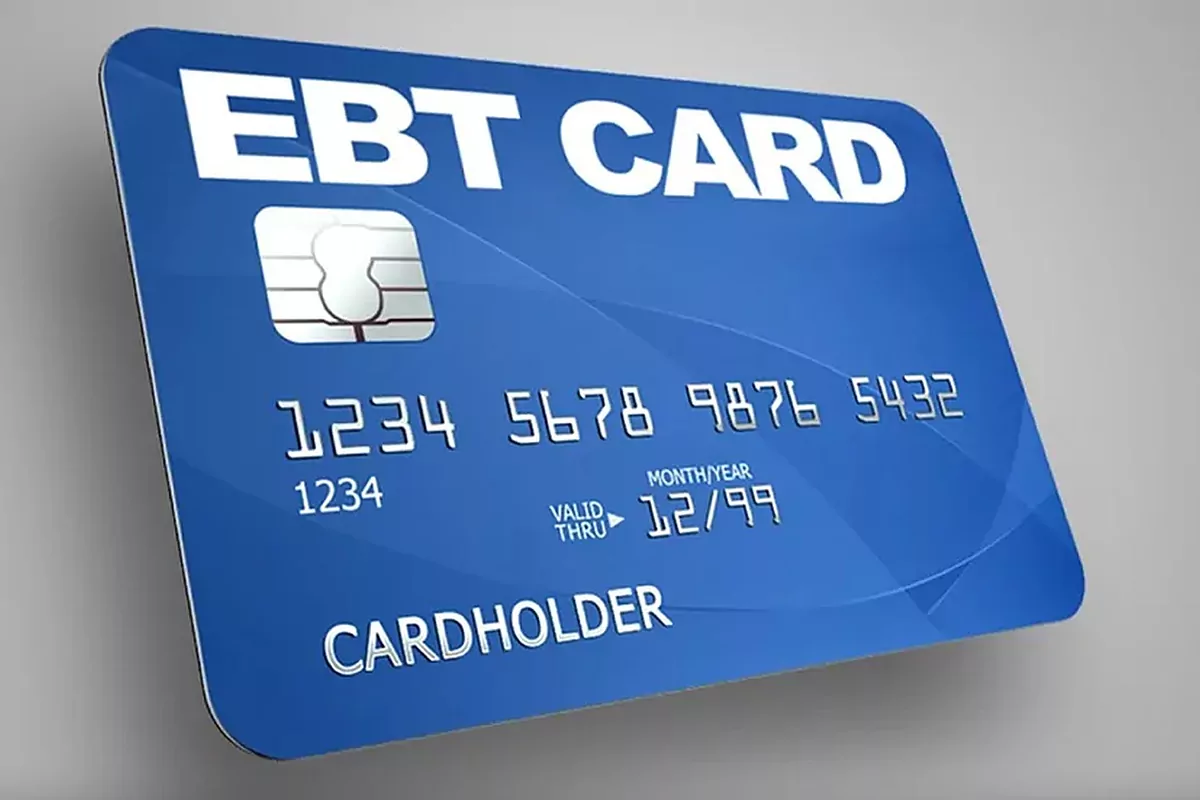
Unlike SNAP benefits, which are strictly limited to eligible food items, EBT cash benefits are designed to help cover a wider array of a household’s needs, from rent and utilities to transportation and personal care items. This distinction is crucial, as it empowers recipients to address various pressing financial challenges that extend far beyond the grocery store aisle. However, the exact rules and acceptable uses can sometimes feel complex and opaque, leading to confusion and missed opportunities. This comprehensive guide will demystify the usage of EBT cash, detailing the types of purchases allowed, the venues where transactions can occur, and crucial tips for managing these valuable funds responsibly. By clarifying the scope and limitations of EBT cash, we aim to empower recipients to leverage their benefits optimally, fostering greater financial stability and peace of mind.
Understanding Your EBT Cash Benefits
Before delving into the specifics of where EBT cash can be used, it’s vital to clearly understand what these benefits entail and how they differ from other forms of assistance delivered via the EBT system. A common misconception conflates all EBT benefits, but a clear distinction exists that impacts usage.
Distinguishing EBT Cash from SNAP Food Benefits
The EBT card is a single plastic card that typically holds two distinct types of benefits, each with its own set of rules:
-
SNAP Food Benefits (Food Stamps): These funds are strictly for purchasing eligible food items at authorized retailers. When you swipe your EBT card and select “food,” only the SNAP portion of your balance is accessed. Permitted items include most groceries, fruits, vegetables, meat, poultry, fish, dairy products, breads, cereals, and non-alcoholic beverages. Hot foods prepared for immediate consumption, vitamins, medicines, pet food, and household supplies are generally not allowed.
-
EBT Cash Benefits (Cash Assistance): These funds are typically from programs like TANF or state General Assistance. When you swipe your EBT card and select “cash” or use it at an ATM, you are accessing this portion of your balance. EBT cash is far more flexible, designed to help cover a broad range of a household’s needs beyond food. Think of it much like a debit card loaded with your own money, albeit with some specific federal and state restrictions on certain categories of vendors.
It’s common for an EBT card to hold both types of benefits simultaneously. Most EBT systems allow you to check your balance for both food and cash benefits separately, often through a customer service line, online portal, or by requesting a balance at a point-of-sale terminal. Understanding which balance you’re accessing for which purpose is the first step toward effective use.
Eligibility and Purpose of Cash Benefits
EBT cash benefits are generally provided to families with dependent children or individuals facing severe financial hardship, often with specific income and resource limits. The primary purpose of these cash assistance programs is to provide temporary support to help families meet their most basic needs, promoting self-sufficiency and stability. This broader scope acknowledges that families need more than just food to thrive; they need a roof over their heads, clothes, transportation to work or school, and the ability to cover unexpected expenses. The flexibility of EBT cash is intended to empower recipients to prioritize their most pressing needs, whether that’s paying a utility bill, buying school supplies, or covering a medical co-pay. While the overarching goal is comprehensive support, specific state regulations might further refine what constitutes an “allowable” expense, making it crucial for recipients to be aware of their local program guidelines.
How EBT Cash is Delivered and Accessed
EBT cash benefits are loaded directly onto your EBT card, which functions much like a standard debit card. Each card is protected by a Personal Identification Number (PIN) that you select, ensuring secure access to your funds. To access your benefits, you will:
-
Swipe your card: At a point-of-sale terminal at an authorized retailer.
-
Select “Cash”: When prompted, distinguishing it from a “Food” transaction.
-
Enter your PIN: To authorize the transaction.
-
Complete the purchase: The funds are debited directly from your cash balance.
Additionally, EBT cash benefits can be withdrawn directly from ATMs that accept EBT cards, allowing you to obtain physical currency for purchases at locations that do not accept EBT directly or for needs like paying rent or utilities with cash. This ATM functionality provides a significant degree of financial flexibility, mirroring the use of a traditional bank debit card.
Navigating Where to Spend Your EBT Cash
The flexibility of EBT cash benefits means they can be used in a wide array of locations, significantly broadening the options available to recipients beyond just grocery stores. However, there are still specific guidelines and restrictions that beneficiaries need to be aware of to ensure proper usage.
Authorized Retailers and Service Providers
The beauty of EBT cash lies in its versatility. You can use your EBT card for cash purchases at most businesses that accept debit cards, as long as they are not specifically prohibited by federal or state law. This includes:
-
Grocery Stores and Supermarkets: Beyond food items, you can purchase household essentials like cleaning supplies, toiletries, diapers, and pet food.
-
Department Stores and Discount Retailers: Stores like Walmart, Target, Kmart, and other general merchandise retailers allow you to buy clothing, household goods, small appliances, school supplies, and more.
-
Drugstores and Pharmacies: For over-the-counter medications, personal care items, and other general merchandise.
-
Gas Stations: You can use EBT cash to pay for gasoline, allowing for essential transportation needs.
-
Convenience Stores: For items beyond basic groceries, within the usual limits.
-
Utility Payments (indirectly): While you typically can’t swipe your EBT card directly at a utility company, you can withdraw cash at an ATM and then use that cash to pay your electricity, gas, or water bills.
-
Rent Payments (indirectly): Similar to utilities, cash can be withdrawn and used to pay rent or mortgage payments to landlords or housing authorities.
-
Transportation: For bus fares, subway tokens, or even car repairs, by withdrawing cash first.
-
Other Essential Needs: This can encompass a broad category, from car repairs to school uniforms, depending on the recipient’s specific needs.
The key is that for most non-prohibited goods and services, if a business has a point-of-sale system that processes debit card transactions, it is generally capable of processing an EBT cash transaction.
ATM Withdrawals for Greater Flexibility
One of the most powerful features of EBT cash benefits is the ability to withdraw physical cash from ATMs. This functionality is crucial for several reasons:
-
Paying for Services: Many services, like a barber, laundromat, or certain medical co-pays, may not have an EBT-compatible POS system or might prefer cash.
-
Non-EBT Accepting Vendors: For small businesses or individual service providers who do not accept card payments, having cash is essential.
-
Rent and Utilities: As mentioned, cash withdrawals enable you to pay for housing and utility costs directly.
-
Emergency Funds: Having physical cash available can be vital for unforeseen emergencies or small purchases.
To use an ATM, look for machines that display the EBT logo or the logos of major networks like Quest, NYCE, Pulse, or Cirrus. You will insert your EBT card, enter your PIN, and select the “cash withdrawal” option. Be aware that some ATMs, particularly privately owned ones, may charge a transaction fee. Federal law prohibits EBT programs from charging ATM fees, but the ATM owner may impose a surcharge. To avoid fees, look for “fee-free” ATMs or inquire with your state EBT customer service for a list of participating banks or credit unions. It’s also important to check your cash balance regularly to avoid attempting withdrawals that exceed your available funds, which can sometimes incur additional fees.
Places Where EBT Cash Cannot Be Used
While EBT cash offers significant flexibility, both federal and state laws impose strict prohibitions on its use at certain types of establishments. These restrictions are primarily in place to ensure that taxpayer-funded benefits are used responsibly and for essential needs, not for activities deemed non-essential or harmful. Federally, EBT cash cannot be used at:
-
Liquor Stores/Retailers: Any establishment that primarily sells alcoholic beverages.
-
Casinos, Gaming Establishments, or Strip Clubs: Venues primarily dedicated to gambling or adult entertainment.
-
Tobacco Stores: Stores primarily selling tobacco products.
-
Adult Entertainment Venues: Businesses offering adult performances or services.
-
Lottery Tickets: EBT cash cannot be used to purchase lottery tickets or participate in gambling.
-
Spa/Massage Parlors: While some general merchandise stores may sell beauty products, the service itself in a spa is generally prohibited.

Some states may expand these prohibitions to include other specific types of retailers or services, such as tattoo parlors, gun shops, or cruise ships. It is crucial for recipients to consult their state’s EBT program guidelines to ensure full compliance. Attempting to use EBT cash at a prohibited location will result in the transaction being declined and, in some cases, could lead to an investigation or sanctions if misuse is suspected. The goal is always to use these benefits transparently and appropriately to support a household’s well-being.
Maximizing Your EBT Cash Benefits: Smart Financial Management
Receiving EBT cash benefits provides a vital resource, but effectively managing these funds is key to stretching their value and ensuring they cover your most pressing needs. Strategic financial planning can make a significant difference in maximizing their impact.
Budgeting and Prioritization
Effective budgeting is the cornerstone of responsible financial management, especially when working with limited resources. Treat your EBT cash benefits like any other income stream and create a detailed budget that outlines your anticipated expenses.
-
Identify Essentials First: Prioritize fundamental needs such as rent/housing, utilities (electricity, gas, water), transportation, clothing, and essential household supplies.
-
Track Spending: Keep a record of where your EBT cash is spent. This can be as simple as a notebook or using a basic budgeting app. Understanding your spending patterns helps identify areas where you might be able to save.
-
Allocate Funds: Decide how much of your EBT cash will go towards each category of expense. For example, if your rent is $X and your utility bill is $Y, ensure you set aside those amounts first.
-
Plan for Irregular Expenses: Think about quarterly or annual expenses (like school supplies at the start of the year or a larger clothing purchase) and try to set aside a small amount each month.
By meticulously planning and prioritizing, you can avoid running out of funds before your next benefit cycle and ensure that the most critical needs are always met.
Avoiding Fees and Overdrafts
While EBT cards function similarly to debit cards, being mindful of fees and potential overdrafts is crucial for preserving your benefits.
-
ATM Fees: As mentioned, privately owned ATMs often charge a surcharge for withdrawals. To avoid these fees, use ATMs at major banks or credit unions that participate in your state’s EBT network, or those clearly marked as “fee-free.” Some states offer one or two free ATM withdrawals per month, after which fees may apply even at network ATMs. Always check your state’s specific policy.
-
Balance Inquiries: Check your EBT cash balance regularly through the customer service number, online portal, or by asking for a balance inquiry at a store checkout. This prevents attempting transactions that exceed your available funds, which can sometimes lead to declined transactions or, in rare cases, associated fees if linked to a bank account (though EBT cash doesn’t typically “overdraft” in the same way a checking account does).
-
Point-of-Sale Transactions: When making a purchase, ensure you know your available balance. If the purchase amount exceeds your cash balance, the transaction will be declined. Some stores allow split tenders (paying part with EBT cash and part with another payment method), which can be useful if your balance is low.
Vigilance regarding your balance and choosing fee-friendly options can help your EBT cash go further.
Understanding State-Specific Rules
While federal guidelines provide a baseline for EBT cash usage, individual states have the authority to implement additional regulations and restrictions. These can include:
-
Specific Prohibited Vendors: Some states may add to the federal list of prohibited establishments.
-
ATM Fee Policies: Variations in how many free ATM withdrawals are permitted each month, or which ATM networks are fee-free.
-
Cash Back at POS: While many stores offer cash back with debit card purchases, the ability to get cash back with an EBT cash purchase at a point-of-sale terminal can vary by state and retailer.
-
Benefit Expiration: Although EBT cash benefits generally don’t “expire” if they remain active on the card, there might be state rules about how long benefits can remain unused on a card before they are considered inactive or potentially removed if no activity occurs for an extended period (e.g., 6-12 months).
It is imperative for recipients to familiarize themselves with their specific state’s EBT cash program rules. This information can typically be found on the state EBT website, through their customer service hotline, or by contacting your local social services agency. Staying informed prevents unintended misuse and ensures maximum benefit from the program.
Complementary Resources and Support
EBT cash benefits are designed to provide a foundational layer of support, but they may not cover all of a household’s needs. It’s beneficial to explore other complementary resources:
-
Community Food Banks and Pantries: Can supplement food needs beyond what SNAP covers.
-
Utility Assistance Programs: Many states and local non-profits offer programs to help with energy and heating costs (e.g., LIHEAP).
-
Housing Assistance: Local housing authorities or non-profits may offer rental assistance or help with emergency housing.
-
Workforce Development Programs: To help enhance skills and find employment, potentially reducing reliance on cash assistance over time.
-
Financial Literacy Workshops: Many community organizations offer free workshops on budgeting, saving, and managing debt, which can be invaluable for long-term financial health.
By integrating EBT cash with other available support systems, individuals and families can build a more robust safety net and move towards greater financial independence.
The Broader Impact of EBT Cash on Financial Well-being
Beyond the transactional aspect of where EBT cash can be used, it’s vital to recognize the profound and multifaceted impact these benefits have on the overall financial well-being of individuals and families. EBT cash is not just a payment method; it’s a tool for stability, economic engagement, and stress reduction.
Supporting Household Stability
The flexibility of EBT cash benefits means they can address a wide spectrum of household needs that extend far beyond the basic provision of food. This comprehensive support is critical for maintaining overall household stability. When a family can use benefits to pay a portion of their rent, cover a utility bill, purchase essential clothing, or ensure transportation to a job interview, it directly alleviates immediate financial pressures. This ability to cover diverse expenses prevents small financial setbacks from spiraling into larger crises, such as eviction, utility shut-offs, or job loss due to lack of transport. By providing a safety net for these varied costs, EBT cash plays a pivotal role in preventing homelessness, ensuring children can attend school properly clothed, and maintaining a basic standard of living that supports family cohesion and well-being. It empowers families to meet their fundamental obligations, thereby strengthening their foundation during challenging times.
Promoting Economic Engagement
EBT cash benefits also play an understated yet significant role in promoting economic engagement within local communities. When recipients use their EBT cards at local grocery stores, department stores, or gas stations, they are directly contributing to the local economy. These transactions support local businesses, which in turn helps to sustain jobs and generate tax revenue. The ability to purchase essential goods and services means that individuals are participating in the marketplace, rather than being completely marginalized by financial constraints. Furthermore, by covering costs like transportation or work-related expenses, EBT cash can indirectly facilitate employment. For instance, funds used for gas or bus fare enable a recipient to travel to work, attend job training, or search for employment, all of which are crucial steps towards self-sufficiency and greater economic participation. This ripple effect helps integrate beneficiaries more fully into the economic fabric of their communities.
Reducing Financial Stress
The constant burden of financial insecurity can take a severe toll on mental and emotional health. EBT cash benefits offer a tangible form of relief, significantly reducing the chronic stress associated with poverty. Knowing that there are funds available to cover essential bills, make necessary purchases, or even handle a small unexpected expense can provide a crucial sense of security and control. This reduction in financial anxiety allows individuals and families to focus on other aspects of their lives, such as health, education, and personal development, rather than being consumed by the daily struggle to make ends meet. It empowers recipients to make proactive financial decisions rather than being constantly in a reactive, crisis management mode. By alleviating a portion of the financial strain, EBT cash contributes to improved overall well-being, fostering a more stable and hopeful environment for families striving to improve their circumstances. The peace of mind offered by these benefits is an invaluable, though often unquantified, aspect of their impact.

Conclusion
EBT cash benefits represent a vital component of the social safety net, offering a degree of financial flexibility that extends far beyond the more restrictive SNAP food benefits. By understanding the distinction between food and cash benefits, knowing where authorized transactions can occur, and leveraging the convenience of ATM withdrawals, recipients can maximize the utility of their EBT card. From covering rent and utilities to purchasing essential household items and transportation, EBT cash empowers individuals and families to address a broad spectrum of their most pressing needs, fostering greater stability and dignity.
However, responsible management is key. Adhering to state-specific rules, budgeting wisely, and avoiding unnecessary fees ensures that these valuable resources are stretched as far as possible. Moreover, integrating EBT cash with other available community and financial literacy resources can further enhance a household’s long-term financial well-being. Ultimately, EBT cash is more than just a means of payment; it’s a powerful tool that supports household stability, promotes economic engagement, and significantly reduces the debilitating stress of financial insecurity. By navigating the system effectively, recipients can harness the full potential of these benefits to build a more secure future.
aViewFromTheCave is a participant in the Amazon Services LLC Associates Program, an affiliate advertising program designed to provide a means for sites to earn advertising fees by advertising and linking to Amazon.com. Amazon, the Amazon logo, AmazonSupply, and the AmazonSupply logo are trademarks of Amazon.com, Inc. or its affiliates. As an Amazon Associate we earn affiliate commissions from qualifying purchases.