
In an increasingly dynamic economy, finding efficient and profitable channels to sell personal items, services, or handcrafted goods is a critical skill for anyone looking to generate additional income, declutter, or build a side hustle. Whether you’re aiming to offload unused household items, monetize a specific skill, or turn a hobby into a revenue stream, the landscape of selling platforms offers a multitude of options. The key to maximizing your income lies in understanding your product, selecting the right marketplace, and optimizing your sales approach.
Understanding Your Inventory: What Do You Have to Sell?
Before diving into platforms, a clear understanding of what you intend to sell is paramount. Different types of items or services appeal to different markets and perform better on specific platforms. A strategic inventory assessment will guide your subsequent choices, ensuring you don’t waste time on unsuitable channels.

Household Goods and Decluttering
Most people have a trove of items around their home that are no longer used but retain value: furniture, electronics, clothing, books, tools, and kitchenware. These items represent readily accessible capital waiting to be unlocked. The appeal here is often practicality and affordability for the buyer, making local pick-up or lower shipping costs a significant factor. Categorize these items by condition, original value, and potential buyer interest to help determine the best sales channel. For instance, high-value electronics might warrant a different approach than a used coffee maker.
Specialized Skills and Services
Beyond tangible goods, your expertise, time, and specific skills are highly marketable assets. This could range from graphic design, writing, coding, and translation to tutoring, pet sitting, personal training, or home repairs. The “product” here is an intangible service, and the “platform” is often a connection point between you and potential clients seeking solutions. Understanding your unique value proposition and target audience is crucial for successful monetization.
Handcrafted and Unique Creations
For artisans, crafters, and creators, the “what” is often a passion project turned potential business. This includes custom jewelry, handmade clothing, personalized gifts, original artwork, unique home decor, and specialty food items. The market for these items values uniqueness, quality, and the story behind the creation. Platforms that emphasize aesthetics, community, and direct seller-buyer interaction tend to be most effective for this category.
Digital Products and Information
The digital realm offers expansive opportunities to sell items that require no physical inventory or shipping. This can encompass e-books, online courses, stock photos, graphic design templates, software presets, music, podcasts, and even digital art. Once created, digital products can be sold repeatedly with minimal additional effort, offering significant scalability. The focus here is on delivering value through information or creative assets that solve a problem or fulfill a need for a digital audience.
Online Marketplaces: Reaching a Global Audience
The internet has revolutionized selling, providing access to millions of potential buyers worldwide. Online marketplaces are diverse, each with its own strengths, fee structures, and user base.
General-Purpose Platforms
These platforms cater to a broad range of products, making them excellent starting points for many sellers.
-
eBay: A colossal marketplace for nearly anything, from collectibles and electronics to clothing and auto parts. It offers both auction-style listings and “Buy It Now” fixed-price options. eBay excels for unique, vintage, and high-demand items, as well as bulk sales. Understanding its fee structure (insertion fees, final value fees, shipping fees) is vital for profitability.
-
Facebook Marketplace: Integrated within Facebook, this platform is ideal for selling items locally, usually for pick-up. It’s free to list and connect directly with buyers through Messenger. It’s particularly effective for furniture, large items, and general household goods due to its local focus and ease of use. While predominantly local, it also supports shipping for a broader reach.
-
Craigslist: One of the original online classifieds sites, Craigslist remains popular for local sales of everything from vehicles and apartments to services and general merchandise. It’s known for its simplicity and direct buyer-seller interaction. Safety precautions are important when arranging in-person transactions.
Niche-Specific Platforms
For certain categories, specialized marketplaces offer a more targeted audience, potentially leading to faster sales and better prices.
-
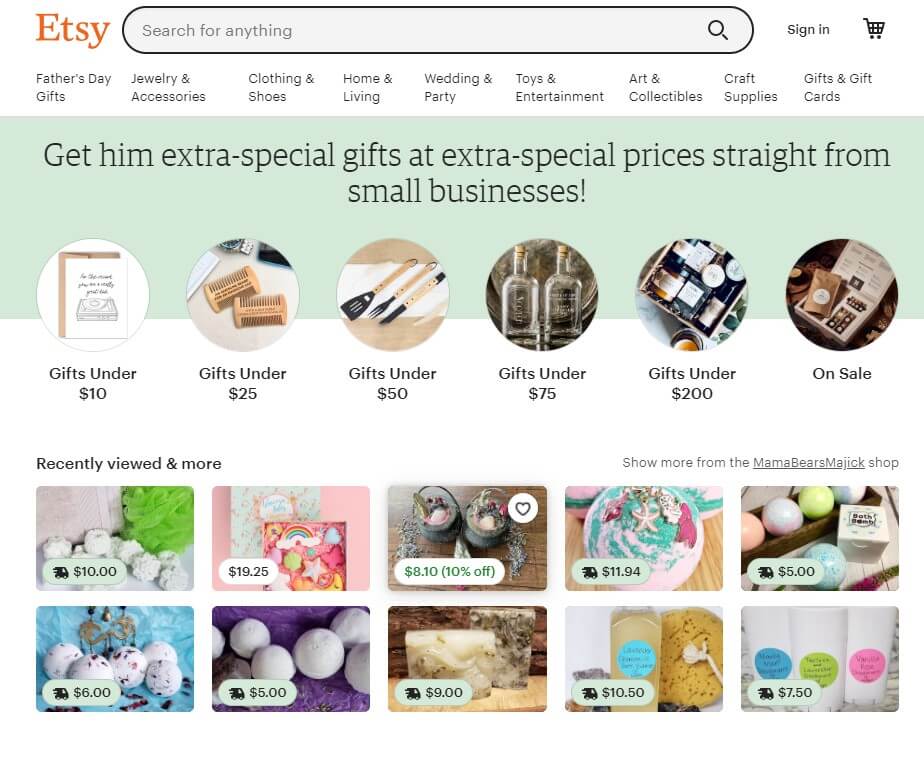
Etsy: The go-to platform for handmade, vintage, and craft supplies. If you create unique items, Etsy provides a community-driven marketplace with an audience specifically looking for handcrafted quality and individuality. Branding, high-quality photography, and compelling descriptions are crucial for success here.
-
Poshmark: Specializes in fashion—clothing, shoes, and accessories for women, men, and children. It operates like a social marketplace where users follow each other, share listings, and attend virtual “Posh Parties.” It’s excellent for clearing out your closet and selling designer or gently used apparel.
-
StockX / GOAT: For high-demand sneakers, streetwear, watches, and collectibles. These platforms act as a stock market for goods, authenticating items and facilitating secure transactions between buyers and sellers. Ideal for limited-edition or high-value fashion items.
-
Reverb: A dedicated marketplace for musical instruments and gear. From guitars and keyboards to pedals and recording equipment, Reverb connects musicians with the specific equipment they need.
-
Other Niche Sites: There are countless others, such as Decluttr for electronics, textbooks, and media; The RealReal for luxury consignment; and specialized forums or communities for hobbies like model trains or rare books.
Digital Product Marketplaces
Selling digital goods offers a unique advantage: once created, they can be sold repeatedly with minimal overhead.
-
Gumroad: A simple platform for creators to sell digital products directly to their audience, including e-books, software, music, and courses. It handles payment processing and delivery, making it user-friendly for individual creators.
-
Shopify (with a digital product app): While primarily an e-commerce platform for physical goods, Shopify can be configured to sell digital products through various apps. This offers more control over branding and the customer experience, making it suitable for those looking to build a dedicated online store for their digital offerings.
-
ClickBank / Digistore24: These platforms specialize in affiliate marketing for digital products, primarily information products like e-books and online courses. While you can sell your own products here, they are often used by affiliates to promote others’ products.
-
Creative Market / Envato Market: Excellent for designers, photographers, and developers to sell digital assets like fonts, templates, stock photos, themes, and plugins.
Local Selling Strategies: Connecting with Your Community

Sometimes, the most efficient way to sell items, especially large or fragile ones, is within your local community. This avoids shipping costs and complexities and allows for direct inspection.
Consignment Stores and Thrift Shops
For clothing, furniture, and unique household items, local consignment stores can be a convenient option. They take a percentage of the sale price when your item sells, handling all the marketing and customer interaction. Thrift shops might offer a lower payout or only accept donations, but they provide an immediate way to offload items.
Garage Sales and Flea Markets
Classic methods for a reason, garage sales and flea markets allow you to sell multiple items quickly, often at lower price points. They require preparation (pricing, display) and time commitment, but the immediate cash payment can be appealing. Flea markets offer a broader reach and often attract buyers looking for specific types of goods or collectibles.
Local Classifieds and Community Groups
Beyond online classifieds like Craigslist and Facebook Marketplace, local newspapers, community notice boards, and neighborhood-specific social media groups (e.g., Nextdoor) can be effective for reaching nearby buyers. These channels are particularly useful for services, larger items, or niche goods that resonate within a specific geographic area.
Monetizing Skills and Services: The Gig Economy
The rise of the gig economy has made it easier than ever to turn your skills into a source of income.
Freelance Platforms
These platforms connect skilled individuals with clients seeking specific services.
-
Upwork / Fiverr: These are leading platforms for a wide range of freelance services, from writing and graphic design to web development and virtual assistance. Upwork is known for project-based work and hourly contracts, while Fiverr emphasizes “gigs”—pre-packaged services at set prices.
-
Toptal / Freelancer.com: Toptal focuses on top-tier freelance talent, particularly in tech and finance, offering higher-paying opportunities. Freelancer.com is another broad marketplace with various projects available.
-
Specialized Platforms: Many niche platforms exist, such as Contently for writers, 99designs for graphic designers, or Care.com for caregiving services.
Professional Networking and Direct Outreach
For professional services, leveraging your existing network through LinkedIn, professional organizations, and direct proposals to potential clients can be highly effective. Building a strong personal brand and portfolio is crucial here to attract and secure high-value clients. Word-of-mouth referrals remain a powerful tool for service-based businesses.
Optimizing Your Sales Strategy for Profit
Regardless of what you’re selling or where, a few universal principles can significantly impact your success and profitability.
Effective Pricing Strategies
Research comparable items or services to understand market value. Consider the item’s condition, rarity, brand, and demand. For goods, factor in your time, listing fees, shipping costs, and potential for negotiation. For services, price based on your expertise, time commitment, and the value you deliver to the client. Don’t undersell yourself, but also be competitive.
Compelling Product Descriptions and Photography
High-quality visuals are non-negotiable, especially online. Clear, well-lit photos from multiple angles (including any imperfections) build trust. For descriptions, be honest, detailed, and persuasive. Highlight key features, benefits, and specifications. Use keywords that potential buyers might search for. For services, clearly articulate the scope of work, deliverables, and your unique qualifications.
Building Trust and Reputation
Positive reviews and a strong seller rating are invaluable. Respond promptly to inquiries, provide excellent customer service, ship items quickly and securely, and accurately represent your goods or services. A good reputation encourages repeat business and attracts new buyers.
Understanding Fees and Payouts
Every platform has a different fee structure, which can include listing fees, final value fees, transaction fees, payment processing fees, and withdrawal fees. Read the fine print carefully. Factor these costs into your pricing to ensure you achieve your desired profit margin. Also, understand the payout schedule—how long it takes for funds to clear and become available to you.
By thoughtfully approaching what you have to sell and strategically choosing where to sell it, you can effectively unlock value from your possessions, skills, and creations, turning them into a robust source of income.
aViewFromTheCave is a participant in the Amazon Services LLC Associates Program, an affiliate advertising program designed to provide a means for sites to earn advertising fees by advertising and linking to Amazon.com. Amazon, the Amazon logo, AmazonSupply, and the AmazonSupply logo are trademarks of Amazon.com, Inc. or its affiliates. As an Amazon Associate we earn affiliate commissions from qualifying purchases.