
For most individuals and families, a mortgage represents the single largest financial commitment of their lives. The interest rate attached to that mortgage dictates not only the size of their monthly payments but also the total cost of their home over decades. Far from being an arbitrary figure, mortgage interest rates are a complex interplay of macroeconomic forces, financial market dynamics, individual borrower characteristics, and even global events. Understanding the underlying factors that shape these rates is crucial for anyone looking to buy a home, refinance an existing loan, or simply comprehend the broader economic landscape. This article will demystify the foundations of mortgage interest rates, exploring the intricate web of influences that cause them to fluctuate daily.
The Federal Reserve’s Influence and Monetary Policy
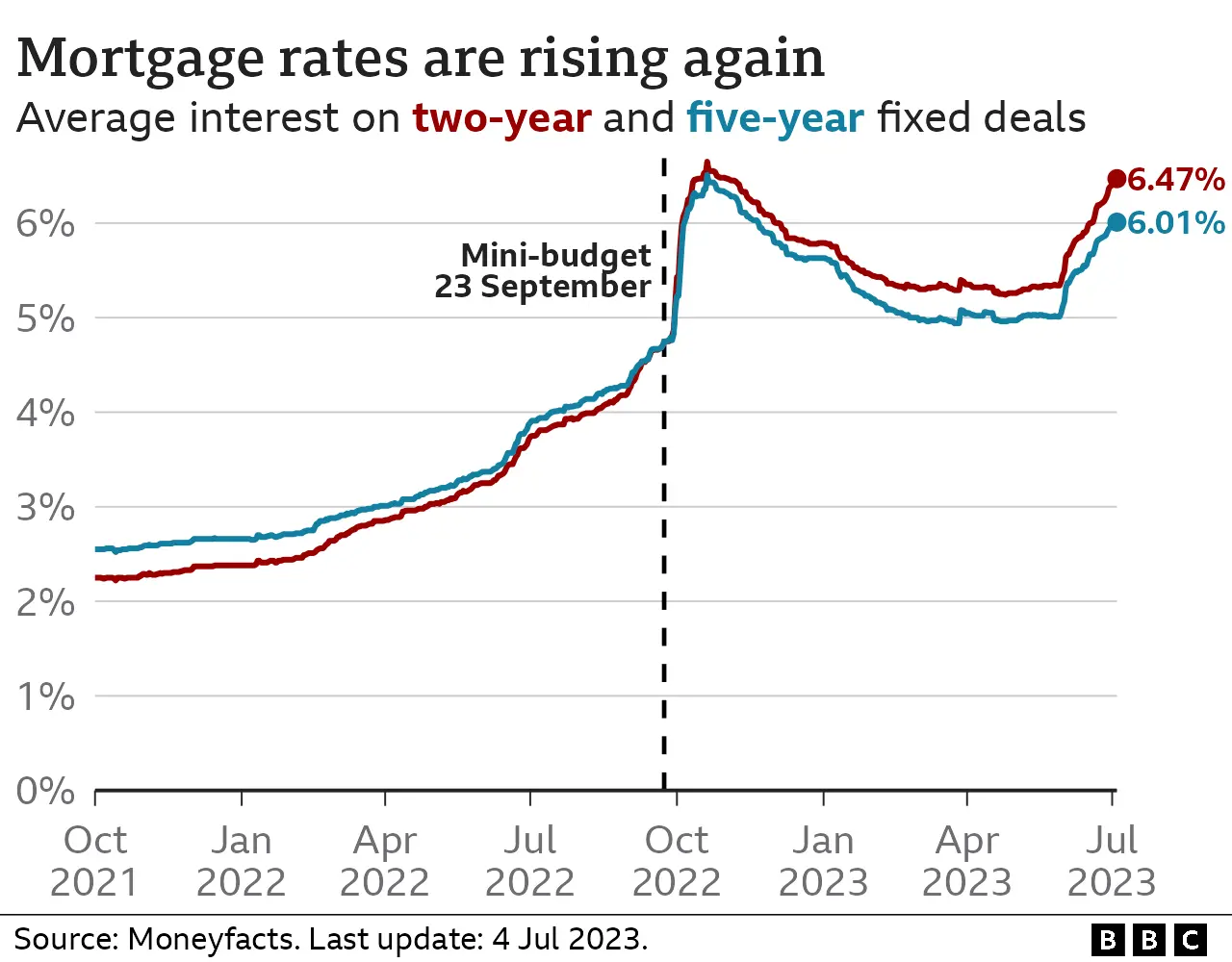
At the highest level, the actions of the U.S. central bank, the Federal Reserve, exert a profound and far-reaching influence on all interest rates, including mortgages. The Fed’s primary mandate is to maintain maximum employment and stable prices (low inflation), and it uses various tools of monetary policy to achieve these goals.
The Federal Funds Rate
The most direct and frequently discussed tool is the federal funds rate. This is the target rate that commercial banks charge each other for overnight borrowing of excess reserves. While the Fed doesn’t directly set the federal funds rate (it’s determined by market forces), it influences it by setting a target range and conducting open market operations to add or withdraw liquidity from the banking system. When the Fed raises the federal funds rate, it becomes more expensive for banks to borrow money, which in turn leads them to charge higher interest rates to consumers and businesses for all sorts of loans, including mortgages. Conversely, a reduction in the federal funds rate makes borrowing cheaper, often translating to lower mortgage rates. Though the federal funds rate primarily impacts short-term borrowing, its changes ripple through the financial system, influencing longer-term rates like those on 30-year mortgages.
Quantitative Easing and Tightening
Beyond the federal funds rate, the Fed employs less conventional tools such as quantitative easing (QE) and quantitative tightening (QT). During QE, the Fed buys large quantities of government bonds and mortgage-backed securities (MBS) from the open market. This increases demand for these assets, driving up their prices and, importantly, driving down their yields. Since mortgage rates are closely tied to the yield on long-term Treasury bonds and MBS, QE effectively pushes mortgage rates lower. Conversely, quantitative tightening involves the Fed allowing its bond holdings to mature without reinvesting the proceeds, or even actively selling them. This reduces demand, increases yields, and generally puts upward pressure on mortgage rates. These policies are typically deployed during periods of significant economic stress or recovery, aiming to either stimulate or cool down the economy.
Inflation Expectations
The Federal Reserve also pays close attention to inflation expectations. If the market anticipates future inflation, lenders will demand higher interest rates to compensate for the erosion of their money’s purchasing power over time. The Fed’s commitment to controlling inflation, and its credibility in doing so, plays a significant role in anchoring these expectations. Should the Fed signal that it may allow inflation to run hotter, or if economic data suggests inflation is accelerating, mortgage rates are likely to rise as lenders price in that increased risk. The inverse is also true: when inflation is subdued or expected to decline, the pressure on rates tends to ease.
Economic Indicators and Market Forces
While the Federal Reserve sets a crucial backdrop, a host of dynamic economic indicators and market forces constantly shape and refine mortgage interest rates. These factors reflect the overall health and future outlook of the economy, influencing both lender behavior and investor demand.
Inflation
Inflation is perhaps the most critical economic factor influencing mortgage rates. When inflation is high or expected to rise, the purchasing power of money decreases over time. Lenders, who are essentially renting out money for a prolonged period, demand a higher interest rate to ensure that the future payments they receive retain a similar or greater real value. This “inflation premium” is built into interest rates. Conversely, a low inflation environment often allows interest rates, including mortgage rates, to remain lower. This is why the Consumer Price Index (CPI) and other inflation gauges are closely watched by mortgage lenders and potential borrowers alike.
Employment Data
Robust employment figures, such as low unemployment rates and strong job growth, typically signal a healthy and expanding economy. A strong job market generally leads to increased consumer spending, which can fuel economic growth but also potentially contribute to inflationary pressures. As discussed, rising inflation expectations tend to push interest rates higher. Conversely, a weak job market can signal economic contraction, potentially leading to lower inflation and subsequently lower interest rates as the Fed may opt for more accommodative policies. Key employment reports, like the monthly non-farm payrolls, are major market movers.
Economic Growth (GDP)
Gross Domestic Product (GDP) growth is a primary measure of economic activity. A strong and growing economy generally translates to increased demand for credit from businesses and consumers, including mortgage loans. This heightened demand, coupled with the potential for higher inflation in a booming economy, can lead to upward pressure on interest rates. Conversely, a slowing or contracting economy (recession) typically sees reduced demand for credit and often leads to falling interest rates as central banks try to stimulate activity.
Bond Market (10-Year Treasury Yield)
The yield on the 10-year U.S. Treasury bond is a particularly powerful benchmark for mortgage rates. While mortgages are private loans, they are heavily influenced by the government bond market. The 10-year Treasury yield is seen as a proxy for long-term borrowing costs and a gauge of investor sentiment about the economy’s future. Mortgage-backed securities (MBS), which are packaged mortgages bought and sold by investors, compete with Treasury bonds for investment dollars. When 10-year Treasury yields rise, MBS yields must also rise to remain competitive, which translates to higher mortgage rates. Changes in the bond market are often a forward-looking indicator, reacting to expectations about future economic conditions, inflation, and Fed policy.
Housing Market Conditions
The dynamics within the housing market itself can also indirectly influence mortgage rates. A highly competitive housing market with low inventory and high demand might encourage some lenders to offer slightly more attractive rates to capture market share. Conversely, a sluggish housing market could lead to a tightening of lending standards and potentially higher rates for certain borrower profiles, as lenders perceive increased risk. However, it’s important to note that the broader macroeconomic factors generally have a more significant and direct impact than housing-specific supply and demand.
Lender-Specific and Borrower-Specific Factors
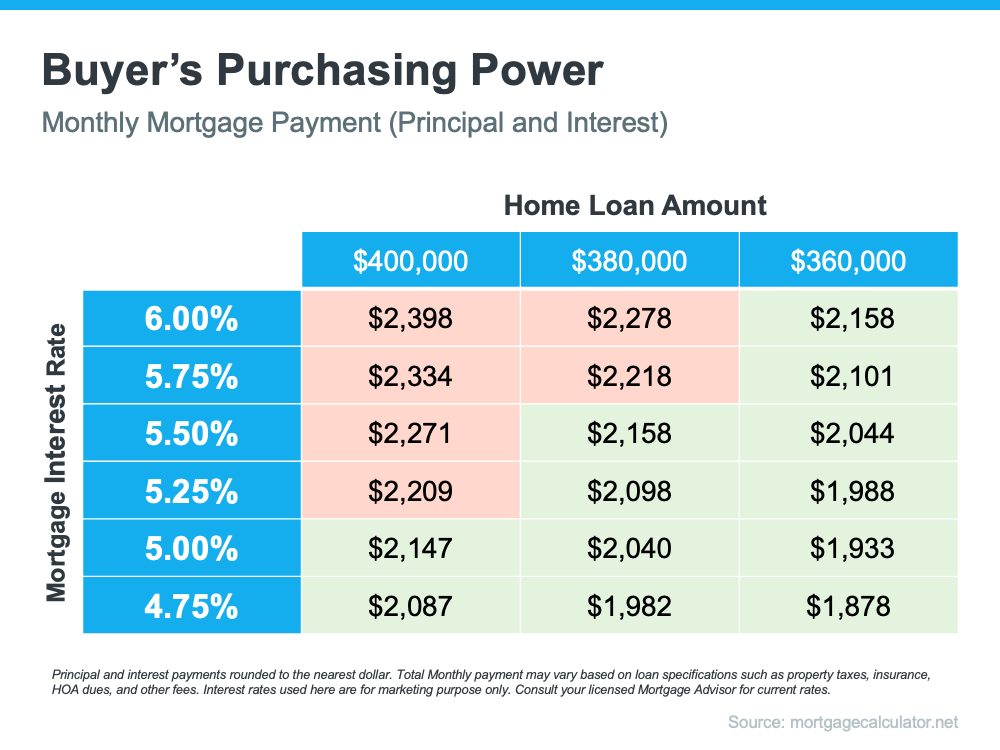
Beyond the sweeping macroeconomic and market forces, the specific characteristics of the lender and the individual borrower play a crucial role in determining the final mortgage interest rate offered. No two borrowers are exactly alike, and lenders assess risk on a case-by-case basis.
Lender’s Cost of Funds
Mortgage lenders, whether banks, credit unions, or non-bank originators, need to acquire the capital they lend out. This capital comes from various sources, including customer deposits, lines of credit from other financial institutions, or selling loans on the secondary market. The cost associated with obtaining these funds, plus the lender’s desired profit margin and operational expenses, is built into the interest rate they offer. Lenders with lower costs of funds or slimmer profit margins may be able to offer more competitive rates.
Loan-to-Value (LTV) Ratio
The Loan-to-Value (LTV) ratio is the percentage of the home’s value that is financed through the mortgage. It’s calculated by dividing the loan amount by the appraised value or purchase price of the home, whichever is lower. A lower LTV (meaning a larger down payment) indicates less risk for the lender, as the borrower has more equity in the property from the outset. Consequently, borrowers with lower LTVs often qualify for lower interest rates. Conversely, higher LTVs (smaller down payments) are considered riskier and may result in higher rates or require private mortgage insurance (PMI).
Borrower’s Creditworthiness (FICO Score)
A borrower’s credit score, most notably the FICO score, is a paramount factor. This three-digit number is a statistical assessment of a borrower’s credit risk, based on their payment history, amounts owed, length of credit history, new credit, and credit mix. A higher FICO score (generally above 740-760) signifies a responsible borrower with a strong history of repaying debts, presenting less risk to the lender. This translates directly into lower interest rates. Borrowers with lower credit scores are perceived as higher risk and will typically be offered higher rates to compensate the lender for that increased likelihood of default.
Debt-to-Income (DTI) Ratio
The Debt-to-Income (DTI) ratio compares a borrower’s total monthly debt payments (including the proposed mortgage payment) to their gross monthly income. Lenders use DTI to assess a borrower’s ability to manage monthly payments. A lower DTI (generally below 36-43%) indicates that a borrower has sufficient disposable income to handle their new mortgage obligation, reducing the lender’s risk. A higher DTI suggests a borrower might be overextended, leading to a higher perceived risk and potentially a higher interest rate or even loan denial.
Loan Type and Term
The type of mortgage chosen significantly impacts the rate. Fixed-rate mortgages offer a constant interest rate for the life of the loan, providing payment predictability. Adjustable-rate mortgages (ARMs), conversely, have an initial fixed-rate period, after which the rate can adjust periodically based on a market index. ARMs typically start with lower interest rates than comparable fixed-rate mortgages, but carry the risk of future payment increases. The loan term also matters: a 15-year mortgage generally has a lower interest rate than a 30-year mortgage because the lender is exposed to interest rate risk for a shorter period, and the borrower builds equity faster.
Discount Points and Closing Costs
Borrowers often have the option to “buy down” their interest rate by paying discount points at closing. A discount point is typically 1% of the loan amount and reduces the interest rate over the life of the loan. This upfront cost can lead to significant savings over the long term, especially for borrowers who plan to stay in their home for many years. Conversely, some lenders may offer a “lender credit” which reduces closing costs in exchange for a slightly higher interest rate. The choice between paying points, accepting a credit, or taking the par rate depends on a borrower’s financial situation and their expected tenure in the home.
Global Economic Landscape and Geopolitical Events
While the immediate focus is often on domestic factors, mortgage interest rates are not entirely insulated from the broader global economic and political environment. The interconnectedness of global financial markets means that events far from home can send ripples that ultimately impact borrowing costs in the United States.
Global Capital Flows
The global hunt for yield means that international investors regularly buy U.S. government bonds and mortgage-backed securities. If global economic uncertainty drives investors to seek the perceived safety of U.S. assets, increased demand for these securities can push their prices up and their yields down. Since mortgage rates are tied to these yields, an influx of foreign capital can put downward pressure on rates. Conversely, if other economies offer more attractive returns or if there’s a flight of capital away from the U.S., yields could rise, leading to higher mortgage rates.
Geopolitical Instability
Major geopolitical events, such as wars, trade disputes, or political crises in significant global regions, can introduce significant uncertainty into financial markets. In times of crisis, investors often flock to “safe haven” assets, typically U.S. Treasury bonds, due to the perceived stability of the U.S. government. This increased demand for Treasuries can drive their yields down, potentially leading to a temporary dip in mortgage rates. However, prolonged instability can also lead to increased risk premiums across all asset classes, potentially offsetting the safe-haven effect or even pushing rates higher if the crisis threatens global economic growth and stability, or the perceived creditworthiness of nations.
Commodity Prices
Fluctuations in global commodity prices, particularly oil, can indirectly influence mortgage rates by impacting inflation expectations. A sharp rise in oil prices, for instance, can lead to higher transportation and production costs, which then feed into consumer prices. If this trend is sustained, it can fuel inflation expectations, prompting the Federal Reserve to consider tightening monetary policy and lenders to demand higher interest rates to account for future inflation. Conversely, falling commodity prices can alleviate inflationary pressures, potentially creating an environment conducive to lower rates.
Conclusion
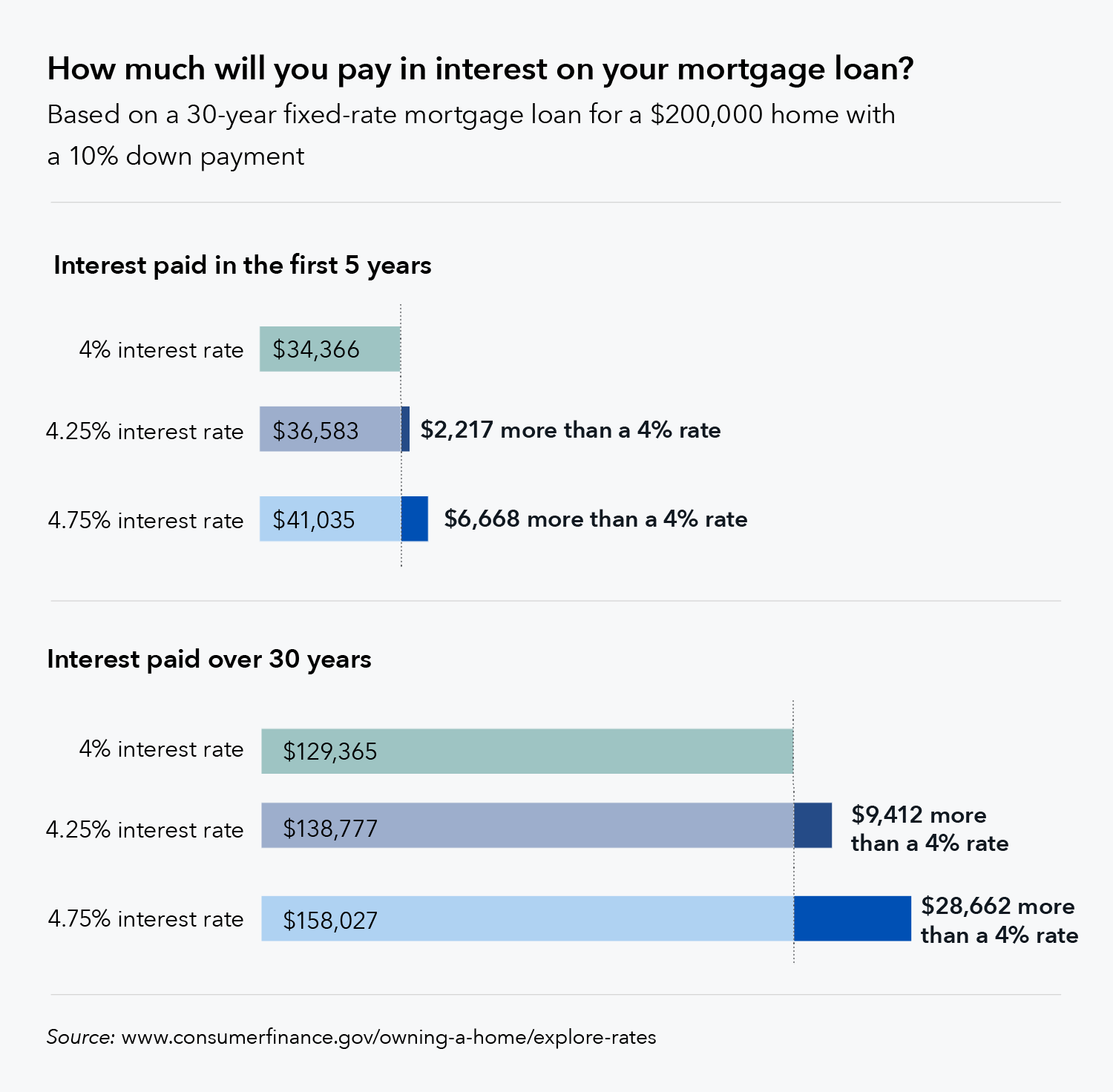
Mortgage interest rates are a dynamic and complex reflection of a multitude of factors, ranging from the deliberate policy decisions of the Federal Reserve to the individual credit profile of a borrower, and even the ebb and flow of global economics. They are not static figures but rather a constantly recalibrated price for borrowing money, designed to compensate lenders for the time value of money, the risk of inflation, and the risk of borrower default.
For prospective homeowners and those considering refinancing, understanding these underlying drivers is empowering. It allows for a more informed perspective on rate fluctuations, helps in anticipating future movements, and ultimately assists in making strategic financial decisions. While some factors are beyond individual control, focusing on aspects like improving creditworthiness and managing debt can significantly impact the specific rate one receives. In essence, mortgage interest rates are a barometer of the economy, a mirror reflecting both the grand scale of global finance and the granular details of personal financial health.
aViewFromTheCave is a participant in the Amazon Services LLC Associates Program, an affiliate advertising program designed to provide a means for sites to earn advertising fees by advertising and linking to Amazon.com. Amazon, the Amazon logo, AmazonSupply, and the AmazonSupply logo are trademarks of Amazon.com, Inc. or its affiliates. As an Amazon Associate we earn affiliate commissions from qualifying purchases.