
For millions of individuals, student loans represent a significant financial commitment, often spanning decades. While the initial excitement of higher education or the relief of securing funds can overshadow the long-term implications, a fundamental question eventually arises: “Where can I see my student loans?” This seemingly simple query underpins effective financial management, strategic repayment planning, and ultimately, the path to financial freedom. Without a clear understanding of your outstanding debt – its origin, current balance, interest rates, and servicing details – navigating repayment can become a complex and often stressful endeavor.
This guide aims to demystify the process of locating and understanding your student loans. We’ll explore the official federal and private channels, discuss the utility of third-party financial tools, and emphasize why proactive tracking is not just a recommendation but a financial imperative. By the end, you’ll be equipped with the knowledge and resources to gain full transparency into your education debt, empowering you to make informed decisions about your financial future.
The Imperative of Knowing Your Student Loan Landscape
Ignoring your student loans is akin to driving a car without a dashboard – you might be moving forward, but you have no idea of your speed, fuel level, or any potential mechanical issues. Understanding your student loan landscape is not merely about curiosity; it’s a critical component of sound personal finance.
Why Tracking Your Loans Matters
Proactive tracking offers a multitude of benefits that directly impact your financial well-being. Firstly, it allows you to avoid default, one of the most severe consequences of loan mismanagement. Missing payments, often due to a lack of awareness about due dates or outstanding balances, can lead to devastating credit score damage, wage garnishment, and even loss of professional licenses. Secondly, knowing your loans empowers you to optimize your repayment strategy. Different loans come with varying interest rates, terms, and repayment plan eligibility. By understanding these nuances, you can prioritize payments, explore refinancing opportunities, or consolidate high-interest debt, potentially saving thousands over the life of your loans.
Furthermore, tracking helps you understand the true cost of your education. Seeing the principal balance grow with interest can be a sobering reminder, but it also provides a clear picture of your total obligation and motivates you to pay it down faster. Finally, having a consolidated view of your student debt is crucial for long-term financial planning. Whether you’re saving for a down payment on a house, planning for retirement, or starting a family, your student loan obligations will factor into your budget and capacity for other financial goals. Ignoring them puts these aspirations at risk.
Common Pitfalls of Ignorance
The consequences of not knowing where to see your student loans are numerous and can be financially debilitating. One of the most common pitfalls is accruing hidden fees and escalating interest. Late payment fees can quickly compound your debt, and interest often continues to accrue even during periods of deferment or forbearance, leading to a much larger principal than you initially borrowed. Another significant risk is damage to your credit score. Student loans are reported to credit bureaus, and consistent late or missed payments can severely impact your creditworthiness, affecting your ability to secure future loans, rent an apartment, or even get certain jobs.
Beyond the financial repercussions, there is a considerable psychological burden. The stress and anxiety of not knowing the full extent of one’s debt can be overwhelming, impacting mental health and overall quality of life. Without a clear picture, it’s impossible to create an effective budget or forecast future expenses, leaving individuals in a constant state of financial uncertainty. Ultimately, ignorance can lead to missed opportunities for forgiveness programs, income-driven repayment plans, or advantageous refinancing terms that could significantly lighten the load.
Official Avenues for Federal Student Loan Information
For the vast majority of student loan borrowers in the United States, federal loans constitute a significant portion of their educational debt. Fortunately, there are clear, centralized resources specifically designed to provide comprehensive information about these loans.
The National Student Loan Data System (NSLDS) – Now StudentAid.gov
For many years, the primary repository for federal student loan information was the National Student Loan Data System (NSLDS). While the underlying system remains, its public-facing interface has been integrated into StudentAid.gov, the official website of Federal Student Aid (FSA), an office of the U.S. Department of Education. This website is the single most authoritative source for details on your federal student loans.
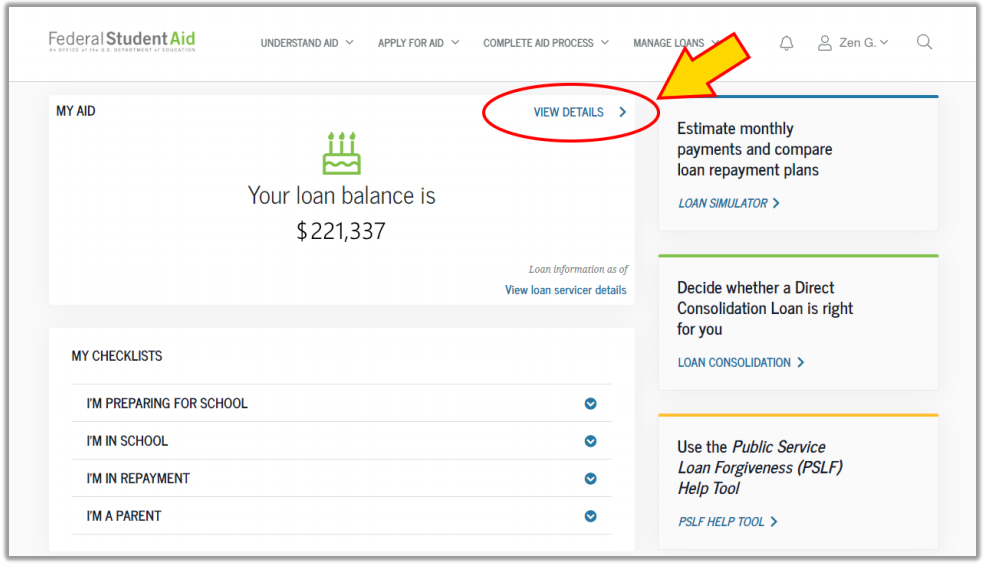
To access your information, you will need your FSA ID, which serves as your electronic signature and allows you to access your federal student aid records. If you don’t have one, you can create it on the StudentAid.gov website. Once logged in, navigate to your “Dashboard.” Here, you’ll find a wealth of information, including:
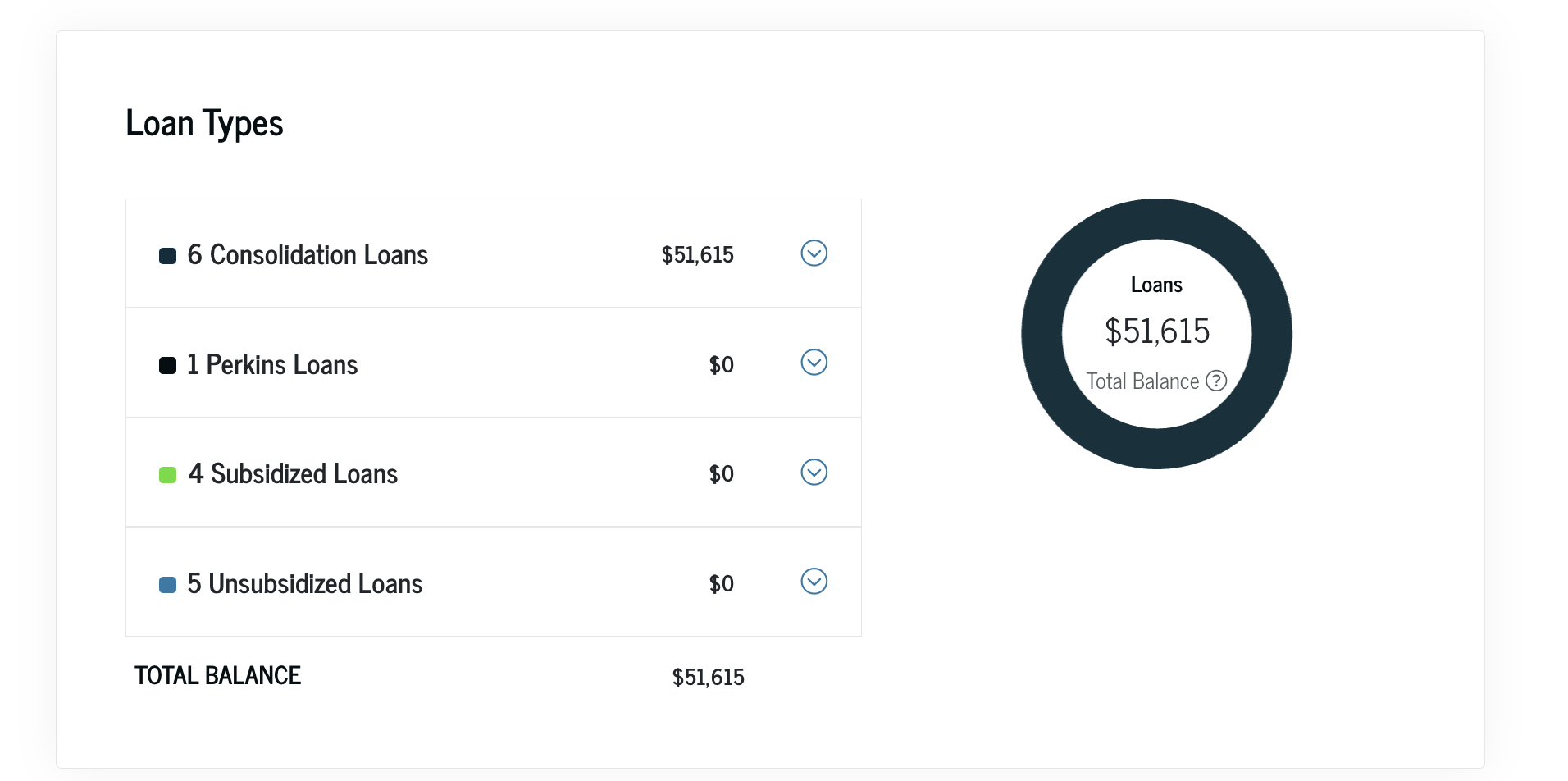
- Loan Type: Whether your loans are Stafford (Direct Subsidized/Unsubsidized), PLUS (Graduate PLUS, Parent PLUS), Perkins, or consolidated loans.
- Loan Servicer: The company responsible for billing, collecting payments, and managing your loan account (e.g., Nelnet, MOHELA, Edfinancial, Aidvantage).
- Original Balance: The initial amount borrowed for each loan.
- Current Balance: The outstanding principal and accrued interest.
- Interest Rates: The specific interest rate for each individual loan.
- Disbursement Dates: When the loan funds were released.
- Loan Status: Whether the loan is in repayment, deferment, forbearance, or grace period.
- Repayment Plan: Details on your chosen repayment plan.
StudentAid.gov provides an overarching view of all your federal student loans, even if they’ve been consolidated or are managed by different servicers. It’s the essential starting point for any federal loan inquiry.
Your Loan Servicer’s Portal
While StudentAid.gov offers a summary of all your federal loans, your loan servicer’s online portal provides the day-to-day granular detail and functionality you’ll need for active management. Once loans are disbursed, the Department of Education assigns them to one of several loan servicers. These companies act as the administrative hub for your loans, handling everything from billing to customer service.
Common federal loan servicers include:
- Nelnet
- MOHELA
- Edfinancial Services
- Aidvantage (formerly Navient)
- Great Lakes (now often serviced by Nelnet)
You’ll receive communication directly from your assigned servicer, usually via mail or email, after your loans are disbursed. To access your account, you’ll need to create an online login with your specific servicer. Once logged in, you can typically find:
- Exact Current Balance: The most up-to-date figure, including accrued interest.
- Payment History: A detailed record of all payments made, when they were applied, and how much went to principal versus interest.
- Billing Statements: Access to past and current statements.
- Due Dates: Clearly marked upcoming payment due dates.
- Repayment Options: Information and applications for various income-driven repayment plans, deferment, or forbearance.
- Contact Information: Direct ways to reach customer service for specific questions.
- Tax Information: Access to forms like 1098-E for student loan interest deduction.
It’s crucial to familiarize yourself with your servicer’s portal, as this is where you’ll manage payments, update contact information, and explore different repayment strategies.
Navigating Private Student Loan Information
Unlike federal student loans, private student loans are not backed by the U.S. government and do not appear on StudentAid.gov or the NSLDS. These loans are issued by private banks, credit unions, and other financial institutions, making their tracking a separate, albeit equally important, endeavor.
Direct from Your Lender
The most straightforward way to see your private student loans is to go directly to the lender that issued them. If you took out private loans, you would have applied for them through a specific bank or financial institution. Common private lenders include:
- Sallie Mae
- Discover Student Loans
- Wells Fargo
- Citizens Bank
- PNC Bank
- Various local banks and credit unions
Each of these lenders will have its own online portal where you can create an account and access your loan details. Similar to federal loan servicers, these portals will provide information such as:
- Your current loan balance
- Interest rate
- Payment history
- Upcoming due dates
- Available repayment plans or deferment/forbearance options (which are typically less flexible than federal options)
If you’re unsure who your private lender is, think back to where you applied for the loan or check any old loan documents or statements you might have. You may also be able to find their contact information on your credit report.
Credit Reports as a Secondary Source
While not as detailed as going directly to your lender, your credit report serves as an excellent secondary source for identifying all types of debt, including private student loans. Lenders report account activity to the three major credit bureaus: Experian, Equifax, and TransUnion.
You are entitled to a free copy of your credit report from each of these bureaus once every 12 months through AnnualCreditReport.com. This is the only federally authorized website for free credit reports. When you access your reports, look for a section dedicated to “installment loans” or “student loans.” Here, you should find entries for all your private student loans, including:
- The name of the lender
- The original loan amount
- The current balance
- The date the account was opened
- Your payment history (which helps identify late payments)
While your credit report won’t provide details like specific interest rates or current repayment plan options, it’s invaluable for identifying all your private lenders, especially if you’ve forgotten some or lost track over time. Once you know the lender’s name, you can then proceed to their website to create an online account and gather more comprehensive details. Regularly reviewing your credit report is a wise financial practice, not just for student loans, but for monitoring all your credit accounts for accuracy and potential fraud.
Consolidating Your View: Third-Party Financial Tools and Strategies
Keeping track of multiple loans, from various federal servicers and private lenders, can be cumbersome. Fortunately, a range of financial tools and personal strategies exist to help you consolidate all your student loan information into one cohesive view.
Aggregation Apps and Websites
In the digital age, numerous personal finance apps and websites have emerged to help users get a holistic view of their financial life. Many of these tools allow you to link all your financial accounts, including bank accounts, credit cards, investment portfolios, and most importantly for this discussion, student loans (both federal and private).
Popular aggregation tools include:
- Mint (Intuit): A long-standing leader in personal finance, Mint allows users to connect virtually any financial account. It provides an overview of your net worth, spending habits, and often lists your student loans with their current balances and basic details.
- Personal Capital (now Empower Personal Wealth): Geared towards wealth management, Personal Capital offers a dashboard that tracks investments, cash flow, and debts, including student loans. It provides a more sophisticated view, often with insights into interest accumulation.
- You Need A Budget (YNAB): While primarily a budgeting tool, YNAB can be linked to debt accounts, helping you incorporate student loan payments into your overall budget and track your progress toward repayment.
- Credit Karma: Known for free credit scores and reports, Credit Karma also allows users to link accounts and can display student loan information, often providing insights into how these loans impact your credit.
- Fidelity Full View / Schwab Intelligent Portfolios: Many large financial institutions offer their own aggregation tools for clients, which can be useful if you already have other accounts with them.
The pros of using these apps include a convenient, single dashboard view of all your loans, often with real-time updates and budgeting features. This can significantly reduce the mental load of tracking multiple accounts. The cons, however, primarily revolve around security and accuracy. While reputable apps employ strong encryption, sharing your financial login credentials always carries a minor risk. Additionally, the accuracy of the displayed information depends on how frequently and effectively the app syncs with the original lenders’ portals. It’s always wise to cross-reference with your official servicer/lender sites before making critical financial decisions based solely on app data.
The Power of a Personal Spreadsheet
For those who prefer a more hands-on, secure, and customizable approach, creating a personal spreadsheet is an incredibly powerful strategy. This method eliminates the need to share login credentials and allows you to tailor the information precisely to your needs.
Here’s a breakdown of what to include in your student loan tracking spreadsheet:
- Loan Identifier: A unique name or number for each specific loan.
- Loan Type: Federal (Subsidized, Unsubsidized, PLUS, Perkins) or Private.
- Lender/Servicer: The specific company managing the loan.
- Account Number: Your account number with that lender/servicer.
- Original Principal Balance: The amount initially borrowed for that loan.
- Current Principal Balance: The most up-to-date outstanding principal.
- Current Total Balance: Principal + accrued interest.
- Interest Rate: The fixed or variable interest rate for that loan.
- Loan Term: The original length of the repayment period (e.g., 10 years).
- Minimum Monthly Payment: The required payment amount.
- Next Due Date: When the next payment is due.
- Repayment Plan: Your current repayment plan (e.g., Standard, PAYE, REPAYE).
- Notes/Goals: Space for additional information, such as extra payments made, dates of refinancing inquiries, or specific repayment goals.
Update your spreadsheet regularly (e.g., monthly) by pulling the latest data directly from your servicer/lender portals. This proactive manual tracking fosters a deeper understanding of each loan, highlights discrepancies, and empowers you to make targeted repayment decisions. It’s an old-school method that remains highly effective for maintaining complete control and transparency.
Taking Action: Beyond Just “Seeing” Your Loans
Locating and understanding your student loans is a crucial first step, but it’s only the beginning. The real value comes from leveraging this knowledge to actively manage your debt and align it with your broader financial goals. Knowing where your loans are allows you to transition from passive awareness to proactive financial stewardship.
Understanding Repayment Options
With a clear picture of your federal and private loans, you are now in a position to explore and choose the most suitable repayment strategy. Federal loans offer a wider array of options designed to accommodate various financial situations:
- Standard Repayment Plan: A fixed monthly payment over 10 years (or up to 30 years for consolidated loans).
- Graduated Repayment Plan: Payments start low and increase every two years.
- Extended Repayment Plan: Lower fixed or graduated payments over up to 25 years (for borrowers with more than $30,000 in federal loans).
- Income-Driven Repayment (IDR) Plans: Such as PAYE (Pay As You Earn), REPAYE (Revised Pay As You Earn), IBR (Income-Based Repayment), and ICR (Income-Contingent Repayment). These plans base your monthly payment on your income and family size, often resulting in lower payments, with any remaining balance forgiven after 20 or 25 years (though potentially taxable).
- Public Service Loan Forgiveness (PSLF): Forgiveness after 120 qualifying payments for those working full-time for qualifying government or non-profit organizations.
Private loans, while less flexible, may still offer options like temporary forbearance or modified payment plans depending on the lender and your circumstances. Knowing which loans qualify for which programs is critical for strategic decision-making.
Proactive Management and Planning
Once you understand your loans and available repayment options, you can implement proactive management strategies:
- Set Up Auto-Pay: Most servicers offer an interest rate reduction (typically 0.25%) for setting up automatic payments, ensuring you never miss a due date.
- Make Extra Payments: Directing additional funds towards the loan with the highest interest rate (the “debt avalanche” method) can save you substantial money over time. Even small, consistent extra payments can make a big difference.
- Explore Refinancing/Consolidation:
- Federal Loan Consolidation: This combines multiple federal loans into one new federal Direct Consolidation Loan, potentially simplifying payments and unlocking eligibility for certain IDR plans or PSLF. It generally doesn’t lower interest rates.
- Private Loan Refinancing: This involves taking out a new private loan to pay off existing federal and/or private student loans. It can potentially secure a lower interest rate, especially if your credit score has improved, but you would lose federal loan benefits if you refinance federal loans into a private one.
- Budgeting Around Loan Payments: Integrate your student loan payments into your monthly budget, ensuring they are a priority alongside other essential expenses.
Seeking Professional Guidance
For individuals with complex loan portfolios, unique financial circumstances, or uncertainty about the best path forward, seeking professional guidance can be invaluable.
- Non-profit Credit Counselors: Organizations like those affiliated with the National Foundation for Credit Counseling (NFCC) can provide unbiased advice on budgeting, debt management, and repayment options.
- Financial Advisors: A certified financial planner (CFP) can integrate your student loan strategy into your broader financial plan, considering retirement, investments, and other long-term goals.
- Student Loan Specific Advisors: Some firms specialize solely in student loan advising, offering deep expertise in navigating federal programs, private loan options, and forgiveness opportunities.
These professionals can help you understand the long-term implications of various choices, potentially saving you stress and significant amounts of money.

Conclusion
The question “Where can I see my student loans?” is far more than a simple inquiry; it’s the gateway to financial clarity and empowerment. By diligently utilizing official federal resources like StudentAid.gov, regularly checking your loan servicer’s and private lender’s portals, and leveraging aggregation tools or a personal spreadsheet, you can achieve a comprehensive and accurate understanding of your education debt.
This transparency isn’t just about knowing the numbers; it’s about gaining control. It enables you to select the most advantageous repayment plans, make informed decisions about refinancing, effectively budget for your future, and ultimately, embark on a strategic path toward debt freedom. Don’t let uncertainty dictate your financial destiny. Take the initiative to locate, understand, and actively manage your student loans – it’s an investment in your financial peace of mind and long-term prosperity.
aViewFromTheCave is a participant in the Amazon Services LLC Associates Program, an affiliate advertising program designed to provide a means for sites to earn advertising fees by advertising and linking to Amazon.com. Amazon, the Amazon logo, AmazonSupply, and the AmazonSupply logo are trademarks of Amazon.com, Inc. or its affiliates. As an Amazon Associate we earn affiliate commissions from qualifying purchases.