
Establishing Your Financial Foundation on Cash App
Cash App has become an integral tool for many navigating the modern financial landscape, offering a streamlined approach to managing funds, sending money, and making payments. As a digital wallet and peer-to-peer payment service, it serves as a critical entry point for individuals seeking to transition from traditional banking methods to more agile, app-based financial interactions. Understanding how to effectively fund your Cash App account is the fundamental first step in leveraging its full potential for personal finance. It positions Cash App not merely as a transaction tool, but as a component of your broader financial strategy, facilitating everything from routine bill splitting to receiving income and even dabbling in micro-investments. For millions, Cash App functions as a primary means to access their money quickly, manage daily spending, and engage with the digital economy without the complexities often associated with conventional banking infrastructure. Integrating Cash App into your personal finance toolkit requires a clear understanding of its funding mechanisms, allowing you to seamlessly move money into your account and maintain control over your digital finances.

Key Methods for Funding Your Cash App Balance
Effectively utilizing Cash App for your financial needs begins with knowing the various reliable methods available for depositing money into your account. Each method caters to different user preferences and financial situations, offering flexibility in how you manage your funds digitally.
Linking External Bank Accounts and Debit Cards
The most common and arguably the most convenient way to put money into your Cash App is by linking an external bank account or a debit card. This process typically involves connecting your bank account directly through your bank’s online portal or by manually entering your debit card details. Once linked, you can initiate transfers directly from your bank or card to your Cash App balance. Transfers from a linked debit card are often instant, providing immediate access to funds, though some banks may incur a small fee for this expedited service. Standard transfers from a bank account usually take 1-3 business days to clear but are typically free. This method offers unparalleled control, allowing users to move funds as needed, whether for routine spending, emergency transfers, or funding specific app features.
Harnessing Direct Deposit for Regular Income
For those seeking a more permanent and automated solution, Cash App offers direct deposit capabilities. By providing employers or benefit providers with your unique Cash App routing and account numbers, you can have paychecks, government benefits (like unemployment or tax refunds), or other regular income deposited directly into your Cash App balance. This transforms Cash App into a primary account for receiving income, much like a traditional bank. Direct deposit through Cash App is often faster than traditional banks, with funds potentially available up to two days earlier. This feature is particularly beneficial for individuals who rely on Cash App as their main financial hub, offering consistency and speed in accessing their earnings. Setting up direct deposit helps streamline financial inflow, making it easier to manage recurring income and budget effectively.
Converting Physical Cash at Retail Locations
Recognizing that not all users solely operate within the digital realm, Cash App also provides an option to add physical cash to your account. This can be done at various participating retail locations, including major grocery stores and pharmacies. Users simply generate a barcode within the Cash App, present it to the cashier along with the cash they wish to deposit, and the funds are typically added to their Cash App balance instantly. This method is invaluable for individuals who receive income in cash, prefer to deal with physical currency, or simply need a quick way to convert cash into digital funds for online payments or transfers. While convenient, it’s important to be aware that some retailers may charge a small fee for this service, and there might be daily or weekly limits on the amount of cash you can deposit.
Receiving Peer-to-Peer Transfers
One of Cash App’s core functionalities is its seamless peer-to-peer (P2P) payment system. Money can be effortlessly put into your account by receiving transfers from other Cash App users. This is ideal for splitting bills with friends, receiving money from family members, or getting paid for small services. Users simply request money or provide their unique Cashtag (their Cash App username) to another user, who can then send funds directly. These P2P transfers are typically instant and free, making Cash App an excellent tool for managing shared expenses and facilitating quick, informal transactions. The ease and speed of P2P transfers highlight Cash App’s utility as a dynamic tool for everyday financial interactions.
Strategic Management of Funds Within Cash App
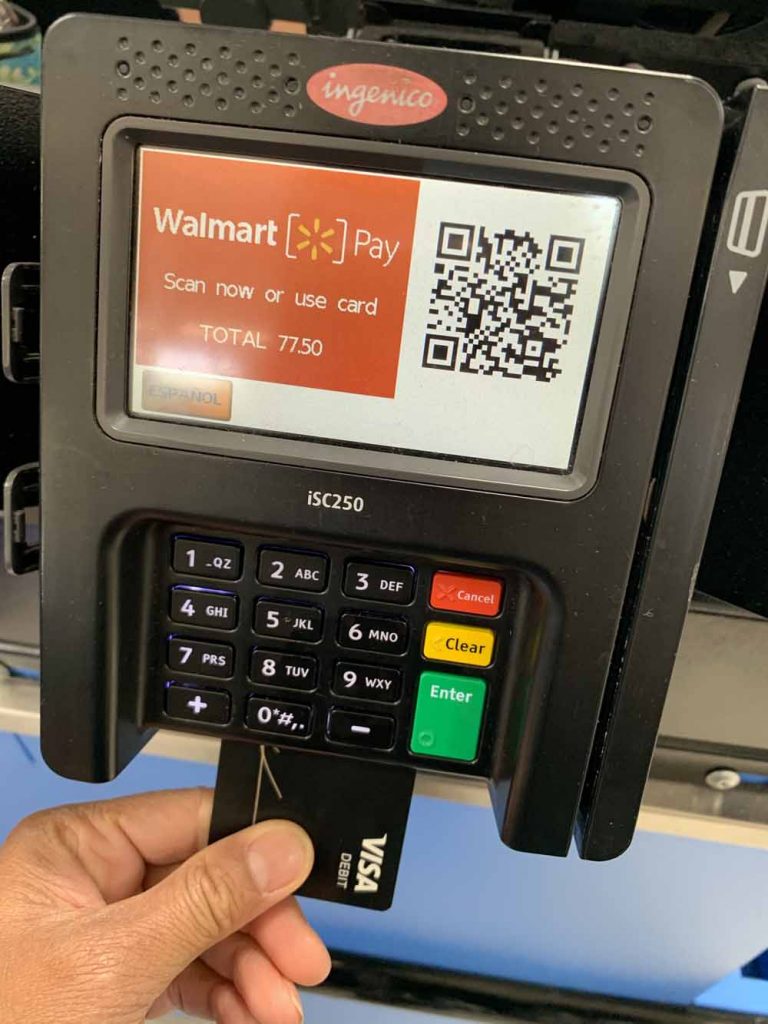
Beyond the mechanics of depositing funds, a strategic approach to managing your money within Cash App is essential for sound personal finance. This involves understanding the platform’s operational parameters, prioritizing security, and integrating it into your broader financial planning.
Understanding Funding Limits and Transaction Fees
While Cash App offers immense convenience, it’s crucial for users to be aware of the funding limits and potential transaction fees that may apply. Unverified accounts typically have lower limits on how much money can be sent or received over a given period. Verifying your identity by providing personal information (like your full name, date of birth, and the last four digits of your Social Security Number) significantly increases these limits, unlocking greater financial flexibility. Additionally, while most standard transfers and P2P payments are free, instant transfers from a linked debit card or adding cash at certain retailers might incur small service fees. Strategic users always review these limits and fees to avoid unexpected charges and ensure their transactions proceed without interruption, aligning their use of the app with their financial capacity and needs.
Safeguarding Your Financial Assets on the Platform
Security is paramount when dealing with any financial tool, and Cash App is no exception. Protecting the money you put into your account requires vigilance. Users should always enable two-factor authentication (2FA) for an added layer of security, ensuring that even if credentials are compromised, unauthorized access is prevented. Regularly monitoring transaction history for any suspicious activity is also vital. Be wary of phishing attempts, unsolicited requests for personal information, or scams promising unrealistic returns. Cash App’s support channels are the only legitimate points of contact for assistance. By adhering to best security practices and exercising caution, users can significantly reduce the risk of financial fraud and protect their digital assets within the app.
Integrating Cash App into Your Budgeting Strategy
Cash App can be a powerful ally in your personal budgeting strategy when used intentionally. By centralizing certain categories of spending or income within the app, users can gain clearer insights into their financial habits. For instance, designating Cash App for all shared expenses or for a specific spending category (like entertainment or dining out) allows for easy tracking and allocation of funds. The app’s transaction history provides a simple ledger, helping users review where their money is going. While it may not offer advanced budgeting features like dedicated budgeting apps, its straightforward interface makes it easy to see inflows and outflows. Integrating Cash App thoughtfully into a broader financial plan can enhance financial discipline, making it easier to stick to spending limits and manage discretionary income.
Expanding Your Financial Capabilities with Cash App
Cash App’s utility extends beyond simple money transfers, offering avenues to grow and manage your money in more sophisticated ways, further cementing its role in a holistic personal finance strategy.
Utilizing Cash App for Targeted Spending and Savings Goals
While not a traditional savings account, Cash App can be effectively used for micro-savings or managing funds for specific, short-term spending goals. By consistently directing small amounts of money into your Cash App balance, separate from your main bank account, you can create dedicated pools for things like an upcoming purchase, a small personal project, or a specific discretionary fund. This method encourages discipline and provides a quick-access fund for these goals, without commingling them with your everyday banking. The ease of transferring money into the app makes it convenient to set aside funds regularly, fostering a practical approach to achieving minor financial objectives.
Navigating Cash App’s Investment Features (Stocks & Bitcoin)
For those looking to explore avenues beyond traditional banking, Cash App also offers features to invest in stocks and Bitcoin. Users can use their Cash App balance to purchase fractions of stocks in publicly traded companies, making investing accessible even with small amounts of capital. Similarly, the platform facilitates buying and selling Bitcoin, providing an entry point into the world of cryptocurrency. This capability transforms Cash App from a mere payment app into a micro-investment platform, allowing users to potentially grow their wealth directly within the app. From a financial perspective, it’s essential to understand the inherent risks associated with investing in both the stock market and volatile assets like Bitcoin. Using these features requires careful consideration of personal financial goals, risk tolerance, and the potential for both gains and losses. It’s an avenue to put money that carries a different risk profile than simply holding a balance.

The Role of Cash App in Your Overall Financial Ecosystem
Ultimately, how you put money into and use Cash App should align with your broader financial ecosystem. For some, it may serve as a primary banking alternative, especially for those who appreciate its simplicity and speed. For others, it might be a supplementary tool, used for specific purposes like P2P payments, managing a small budget, or making targeted investments while relying on traditional banks for larger financial needs like savings, loans, or more complex investment portfolios. Understanding its strengths and limitations within your unique financial context allows you to maximize its benefits. Integrating Cash App thoughtfully ensures it supports, rather than complicates, your journey toward financial stability and growth, making it a valuable component in the diverse toolkit of modern personal finance.
aViewFromTheCave is a participant in the Amazon Services LLC Associates Program, an affiliate advertising program designed to provide a means for sites to earn advertising fees by advertising and linking to Amazon.com. Amazon, the Amazon logo, AmazonSupply, and the AmazonSupply logo are trademarks of Amazon.com, Inc. or its affiliates. As an Amazon Associate we earn affiliate commissions from qualifying purchases.