
In the evolving landscape of personal finance, the bridge between physical currency and digital liquidity has become increasingly vital. Cash App, developed by Block, Inc., has emerged as a powerhouse in the fintech sector, providing users with a seamless way to send, receive, and spend money. However, the true utility of the service is often tied to the physical “Cash Card”—a Visa debit card linked directly to a user’s Cash App balance. To maximize the benefits of this financial tool, users must understand the various avenues available for loading funds. Whether you are holding a stack of cash or looking to move money from a traditional bank, knowing exactly where and how to load your Cash App card is a fundamental skill for modern financial management.
Understanding the Ecosystem of the Cash App Card
The Cash App card is more than just a piece of plastic; it represents a shift toward a more inclusive financial ecosystem. For many individuals, particularly those in the “underbanked” or “unbanked” categories, the Cash App card serves as their primary checking account. Because it is a prepaid debit card, it does not require a traditional credit check, making it an accessible entry point for managing personal finances.
The Intersection of Digital Banking and Physical Spending
The modern economy operates on a hybrid model. While e-commerce dominates, physical retail transactions still account for a massive portion of daily spending. The Cash App card allows users to take their digital balance into the real world, using it at grocery stores, gas stations, and restaurants. However, this utility is predicated on the user’s ability to maintain a positive balance. Unlike traditional credit cards, the Cash App card is strictly a “pay-as-you-go” instrument. This necessitates a clear understanding of the “loading” infrastructure that supports the app, ensuring that you are never left at a checkout counter with insufficient funds.
Why Funding Your Card Matters for Financial Agility
Financial agility refers to the ability to move money quickly and efficiently to meet immediate needs. By mastering the various ways to fund a Cash App card, users can better manage their cash flow. For instance, if you receive a cash payment for a side hustle, depositing that cash onto your card allows you to immediately pay digital bills or make online purchases. This connectivity reduces the friction between different types of assets—moving from physical cash to digital currency in a matter of minutes.
Physical Retail Locations for Cash Deposits
One of the most significant hurdles for digital-first apps has historically been the “cash-in” problem. How does a user get physical paper bills into a digital cloud? Cash App solved this through a robust network of retail partnerships. This feature, often referred to in the app as “Paper Money” deposits, allows users to visit a brick-and-mortar store and hand cash to a cashier, who then digitally adds it to the user’s Cash App balance.
Major Retailers That Support Cash App Reloads
Cash App has partnered with a wide array of national and regional retailers to serve as “reload stations.” While the list is constantly evolving, the most prominent participants include:
- Walmart: As the world’s largest retailer, Walmart provides high accessibility for Cash App users.
- Walgreens and Duane Reade: These pharmacies offer convenient urban and suburban locations.
- 7-Eleven: Ideal for quick, 24/7 deposits in many regions.
- Dollar General and Family Dollar: Essential for users in rural areas where large banks or high-end retailers might be scarce.
- Rite Aid and CVS: Common pharmacy options for those on the East and West coasts.
- Sheetz and Kum & Go: Regional gas station chains that often support these transactions.
It is important to note that while these brands generally support the service, individual franchise locations may occasionally have technical limitations. Always check the “Paper Money” map within the Cash App interface to confirm that a specific store is currently active.
How the Process Works at the Register
Depositing money is a straightforward process, but it requires the app to be open. You cannot simply swipe your card to deposit cash; you must use a specific barcode generated by the app.
- Open Cash App and tap the Banking tab (the bank icon or balance amount).
- Select “Paper Money.”
- Use the map to find a location and tap “Show Barcode.”
- Present this barcode to the cashier. They will scan it, take your cash, and the funds will usually appear in your account within minutes.
This process is designed for security, ensuring that the cash is tied to your specific account via a one-time-use digital token rather than relying on magnetic stripe technology, which is more prone to failure or fraud.
Fees and Limits to Keep in Mind
Loading cash at a retail location is not free. Most retailers charge a standard $1 fee per transaction. While this is significantly lower than the fees associated with some traditional prepaid cards or wire transfers, it is a factor to consider when budgeting. Furthermore, Cash App imposes limits on paper money deposits to prevent money laundering and fraud. Currently, these limits are typically:
- $500 per transaction.
- $1,000 per rolling 7-day period.
- $4,000 per rolling 30-day period.
For users dealing with larger sums, these limits require a strategic approach to depositing funds over time.
Digital Funding Strategies for Instant Liquidity
While physical deposits are essential for some, the majority of Cash App funding occurs digitally. This is where the app’s efficiency truly shines, allowing for the movement of money across the digital landscape with minimal latency.
Linking Your Traditional Bank Account
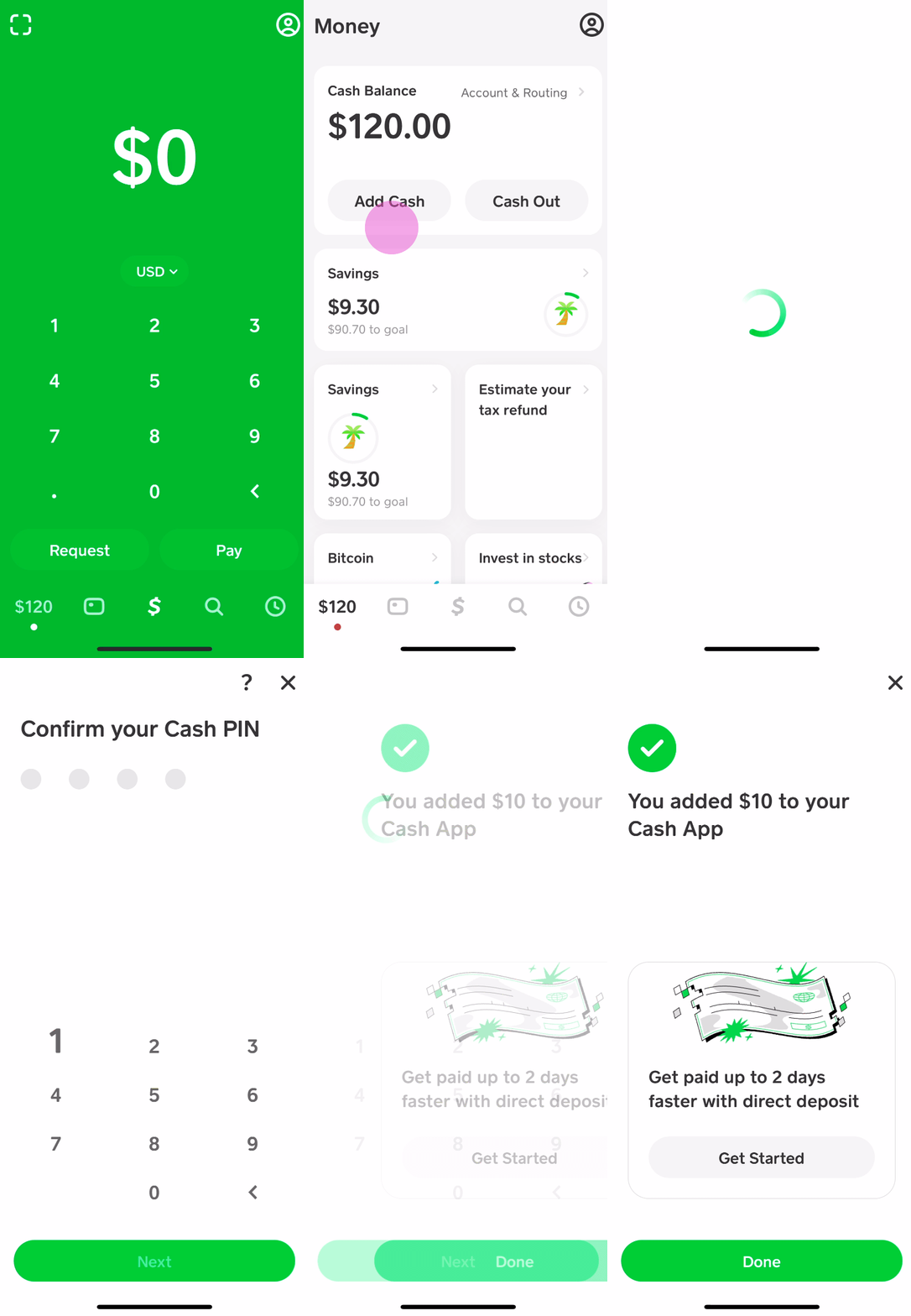
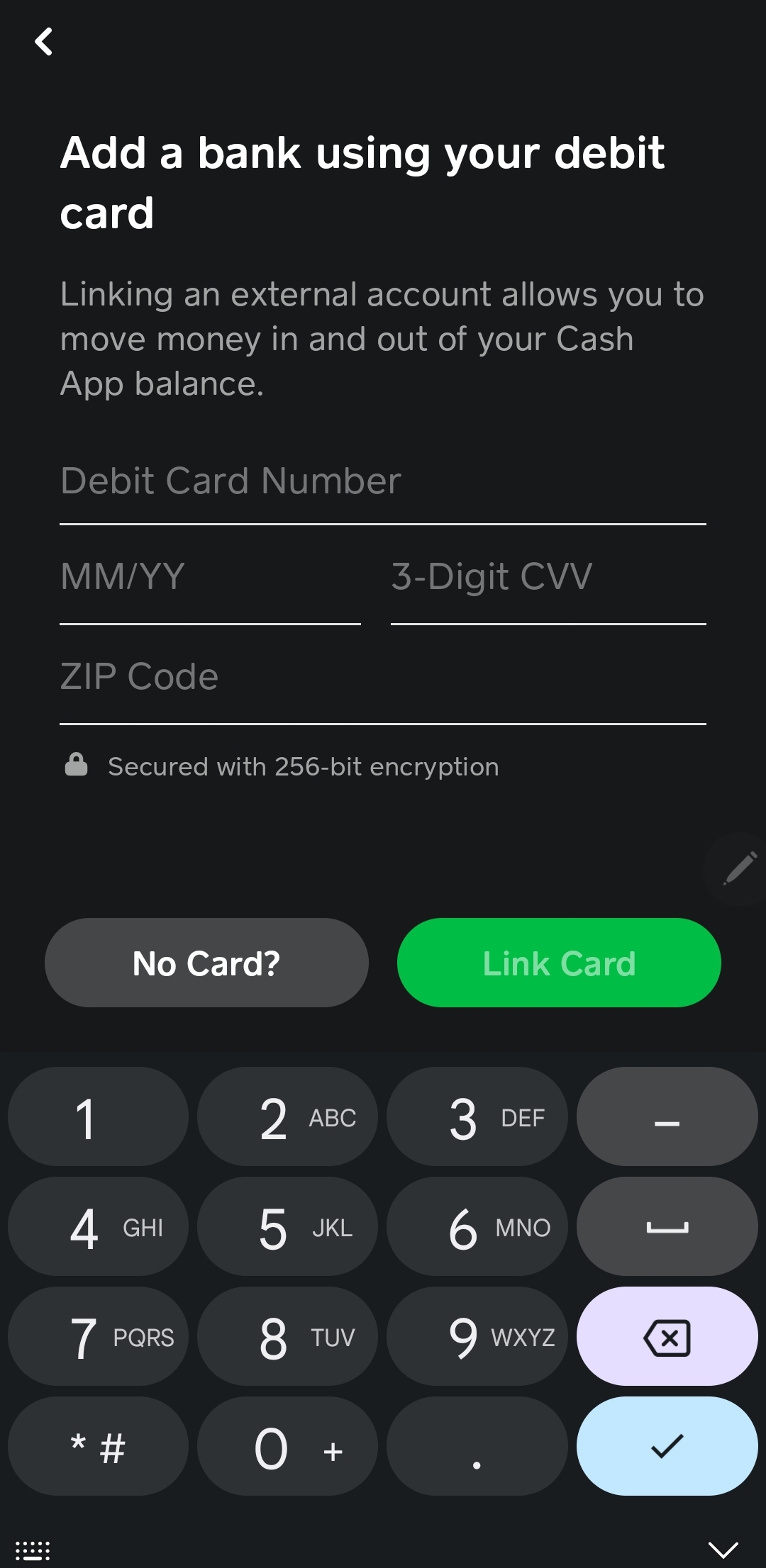
The most common way to fund a Cash App card is by linking a traditional bank account or a debit card from another institution. By using the “Add Cash” feature, you can pull money directly from your checking account into your Cash App balance. This is an excellent way to consolidate funds. If you use a standard ACH transfer, the process is free, though it may take 1–3 business days. For those who need funds immediately, linking a debit card allows for “Instant” transfers, which are typically processed in seconds.
Recurring Deposits and Direct Deposit Setup
To turn Cash App into a primary financial hub, many professionals utilize the Direct Deposit feature. By providing your Cash App routing and account numbers to your employer, your paycheck can be deposited directly into your Cash App balance.
This method offers several financial benefits:
- Speed: Cash App often makes funds available up to two days earlier than traditional banks.
- Consistency: It eliminates the need to manually load the card every month.
- No Fees: Direct deposits are free of charge, making them the most cost-effective way to fund the card.
Peer-to-Peer Transfers as a Funding Source
The “social” aspect of Cash App is its foundation. Receiving money from friends, family, or clients is an immediate way to load your card. Whether you are splitting a dinner bill or getting paid for freelance work, any money sent to your $Cashtag is instantly available on your Cash Card. From a personal finance perspective, this makes the Cash App card an excellent tool for managing “fun money” or side-earnings separately from your main savings account.
Security and Best Practices for Handling Funds
In the digital age, financial security is paramount. When you are loading money onto your Cash App card—especially at physical locations—you must remain vigilant to protect your assets.
Verifying Transactions at the Point of Sale
When depositing cash at a retailer, always ask for a physical receipt. This receipt is your only proof of transaction if a technical glitch occurs and the money does not appear in your digital balance. Once the cashier confirms the deposit, you should receive a push notification from Cash App almost immediately. If you do not see the update within ten minutes, the receipt becomes your primary tool for dispute resolution with Cash App support.
Protecting Your Account During the Reload Process
Never share your login credentials or PIN with a cashier or anyone claiming to be “Cash App Support” over the phone. Cash App will never ask you to send them money to “verify” your account or to “unlock” a higher deposit limit. If a retail employee asks for anything other than your cash and the barcode on your screen, decline the transaction. By sticking to the official “Paper Money” tool within the app, you ensure that your transaction is encrypted and recorded within the Block, Inc. ecosystem.
Maximizing the Value of Your Loaded Cash App Card
Once your card is successfully funded, the focus shifts from liquidity to optimization. Cash App offers unique financial incentives that are not commonly found with traditional bank-issued debit cards.
Utilizing Cash Boosts for Smart Spending
One of the most powerful personal finance tools within the app is the “Cash Boost” program. These are instant discounts at specific merchants (such as Starbucks, DoorDash, or grocery stores). To use a Boost, you must have money loaded onto your card. By strategically loading your card before a big purchase and activating a Boost, you can save anywhere from 5% to 15% instantly. This turns your Cash App card from a simple spending tool into a savings instrument.

Integrating Cash App into Your Monthly Budgeting
For those looking to improve their financial discipline, the Cash App card can function as a “budgeting envelope.” By loading a specific amount of “discretionary spending” money onto the card at the beginning of the month—and only using that card for non-essential purchases—you create a hard limit for yourself. Once the loaded balance is gone, the spending stops. This physical and digital separation of funds is a proven strategy for reducing debt and increasing monthly savings.
By understanding the diverse range of locations and methods available to fund your Cash App card, you gain greater control over your financial life. From the convenience of a neighborhood 7-Eleven to the automated efficiency of direct deposit, the ability to move money onto your card ensures that your digital wallet is always ready for the demands of the modern world.
aViewFromTheCave is a participant in the Amazon Services LLC Associates Program, an affiliate advertising program designed to provide a means for sites to earn advertising fees by advertising and linking to Amazon.com. Amazon, the Amazon logo, AmazonSupply, and the AmazonSupply logo are trademarks of Amazon.com, Inc. or its affiliates. As an Amazon Associate we earn affiliate commissions from qualifying purchases.