
The conversation around death and dying is often shrouded in discomfort, making the practicalities of funeral arrangements and their associated costs a topic many prefer to avoid. However, for individuals and families planning for the future, understanding the financial implications of a funeral is a crucial aspect of responsible personal finance. The average cost of a funeral can be a significant expense, and being informed allows for better budgeting, decision-making, and potentially the alleviation of considerable financial strain on loved ones during a difficult time. This article delves into the various components that contribute to funeral expenses, providing a comprehensive overview of what to expect and how to approach this sensitive financial planning.
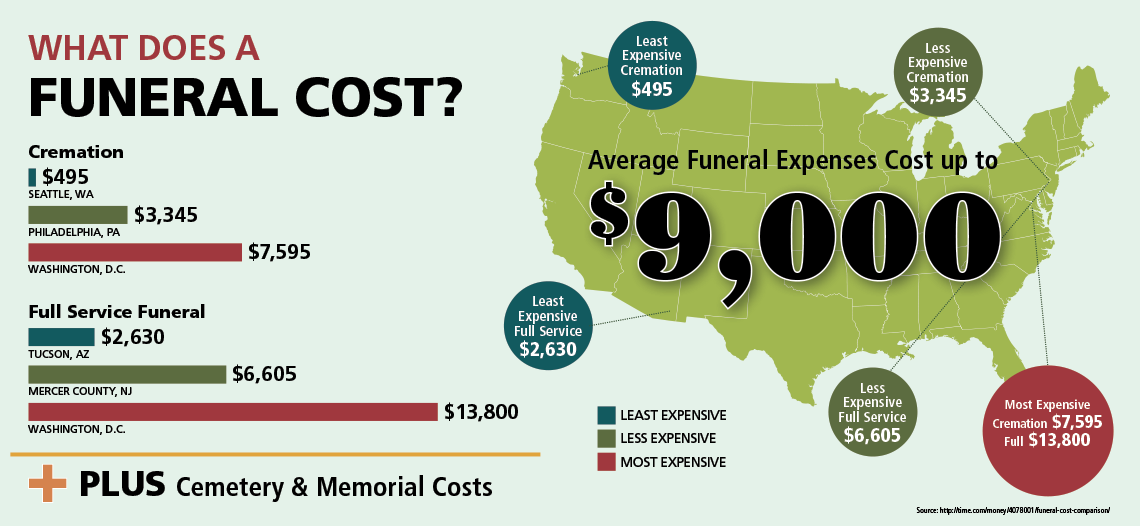
Understanding the Components of Funeral Costs
A funeral is not a monolithic expense; rather, it’s a sum of many individual services and products, each carrying its own price tag. The perceived “average cost” is a broad generalization that can obscure the wide variability influenced by personal choices, geographical location, and the specific wishes of the deceased or their family. To truly grasp the financial landscape of funeral planning, it’s essential to break down these costs into their constituent parts.
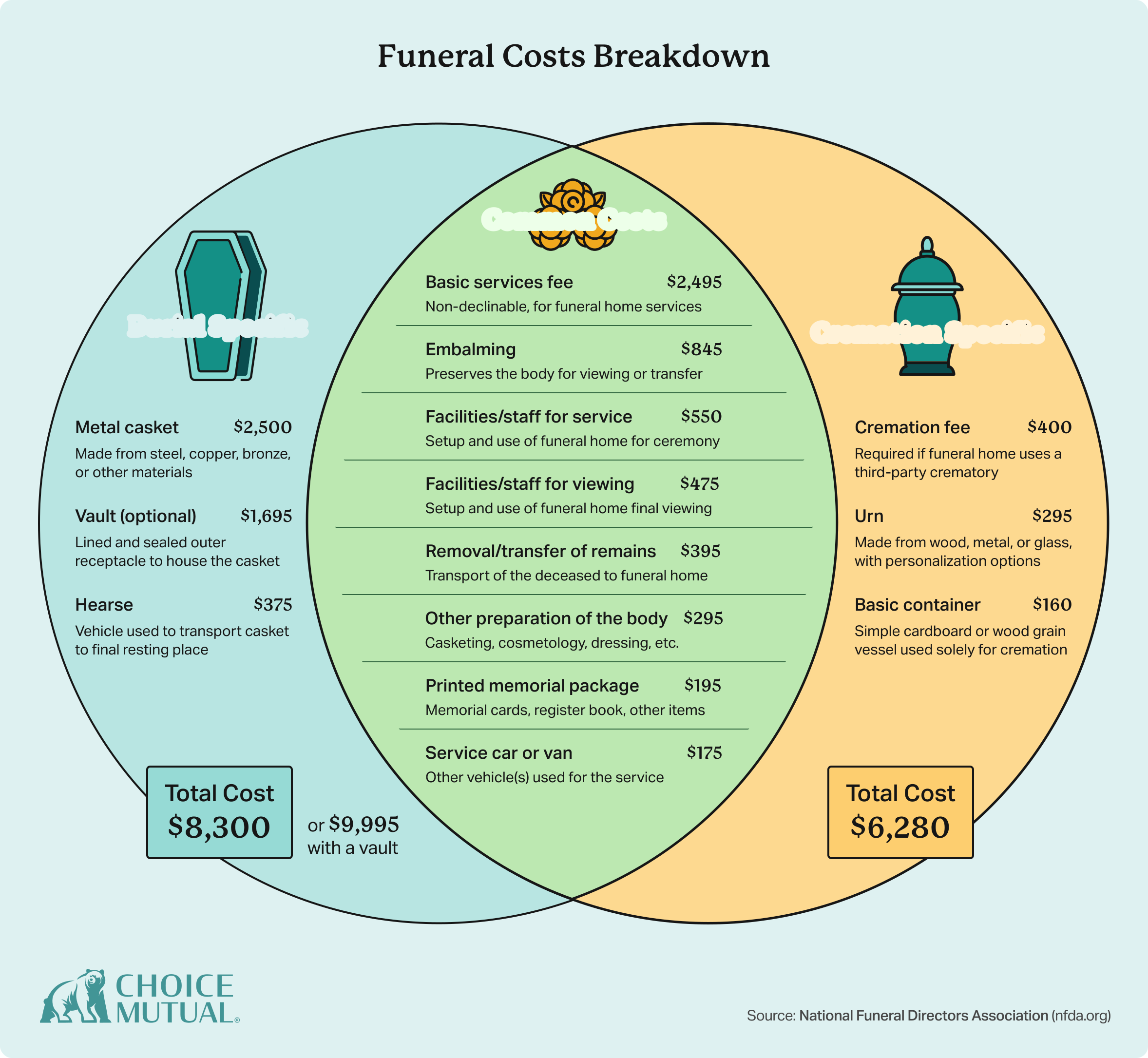
Basic Service Fees and Professional Staff
At the core of most funeral arrangements lies the basic service fee charged by the funeral home. This fee typically covers the funeral director’s time and expertise in coordinating all aspects of the service, including:
- Initial Consultation and Arrangement Conference: Meeting with the family to discuss options, gather information, and guide them through the planning process. This is a vital but often overlooked service that requires significant time and emotional support from the funeral director.
- Administrative and Clerical Support: Handling all necessary paperwork, such as death certificates, permits, and obituaries. This can involve liaising with various government agencies and publications, a task that can be complex and time-consuming.
- Transportation of the Deceased: This includes the initial removal of the body from the place of death to the funeral home. The distance and the time of day can sometimes influence this cost.
- Staff for Funeral Services: The funeral home staff are present to oversee and manage the funeral or memorial service itself, ensuring everything runs smoothly and according to the family’s wishes. This includes setting up the venue, ushering guests, and coordinating with other service providers.
- Embalming and Preparation: While not always legally required, embalming is a common practice, especially for viewings or services where the body will be present. This process involves preserving the body and preparing it for presentation, which can be a detailed and technical procedure. The cost of embalming can vary based on the complexity and the funeral home’s pricing structure.
- Cosmetology and Restorative Art: This involves preparing the deceased’s appearance for viewing, which may include dressing, hair styling, and makeup. The goal is to provide a peaceful and natural appearance for the family and friends.
Casket and Urn Selection
The choice of a casket for burial or an urn for cremation is one of the most significant cost drivers in funeral arrangements. These items are not only functional but also serve as a final resting place and a tribute to the deceased.
- Caskets: Casket prices can range from a few hundred dollars for basic metal or particleboard options to several thousand dollars for ornate hardwood or specialized metal designs. Factors influencing cost include the material (e.g., oak, cherry, mahogany, stainless steel, bronze), the interior lining (e.g., velvet, crepe), and any decorative features. It’s important to note that a casket is not required for cremation; however, a simple container is typically needed.
- Urns: For cremation, an urn is chosen to hold the ashes. The cost of urns varies widely, from simple and inexpensive plastic or composite containers to elaborate urns crafted from ceramic, marble, metal, or wood, often featuring intricate designs or personalization. The price can range from under $100 to several hundred or even thousands of dollars for highly artistic or bespoke pieces.
Burial vs. Cremation: A Financial Divide
The decision between burial and cremation fundamentally impacts the overall cost of a funeral. Each option involves a distinct set of services and associated expenses.
Burial Costs
Burial typically incurs higher costs due to the requirement of a burial plot, a grave liner or outer burial container, and the ongoing costs associated with cemetery maintenance.
- Cemetery Plot: The purchase of a burial plot can be a substantial expense, with prices varying significantly based on location, cemetery prestige, and lot size. Prime locations or plots in well-established cemeteries can command higher prices. Some cemeteries also charge additional fees for the right of interment.
- Grave Liner or Outer Burial Container: Most cemeteries require a grave liner or outer burial container to prevent the grave from collapsing and to support the weight of the soil. These can be made of concrete, steel, or plastic and add a considerable cost to the burial.
- Opening and Closing of the Grave: The cemetery charges a fee for the labor involved in digging and then filling in the grave. This fee is separate from the cost of the plot and the liner.
- Headstone or Marker: While not always an immediate funeral expense, a headstone or marker is typically purchased after the burial to identify the grave. Costs can range from a few hundred dollars for a simple bronze plaque to thousands for granite monuments with extensive engraving.
- Interment Service: The funeral home often charges for the staff and vehicle to transport the casket to the cemetery and oversee the burial process.
Cremation Costs
Cremation is often perceived as a more economical option, and in many cases, it is. However, there are still several costs to consider.
- Cremation Fee: This is the primary cost associated with the cremation process itself, performed by a licensed crematory.
- Alternative Container or Casket (if applicable): As mentioned, a simple alternative container is often required for the cremation process if a casket is not used.
- Urn or Keepsake: The cost of the urn or other keepsakes to hold the cremated remains.
- Memorial Service: A memorial service can be held before or after cremation. If held at a funeral home, traditional service fees may apply. However, many families opt for simpler gatherings, which can significantly reduce costs.
- Scattering or Interment of Ashes: While many families choose to keep urns at home, others opt for scattering ashes in a meaningful location or interring them in a cemetery niche or plot, which incurs additional fees.
Additional Funeral Expenses

Beyond the core services and chosen items, several other expenses can arise, depending on the family’s preferences and circumstances.
- Obituary Notices: The cost of publishing an obituary in newspapers can vary widely based on the publication’s reach and the length of the notice. Many online platforms offer free or low-cost obituary services.
- Flowers: Floral arrangements for the service can range from modest bouquets to elaborate wreaths and standing sprays, with costs escalating based on the type and quantity of flowers.
- Limousines or Transportation: Some families opt for limousines or other vehicles for funeral directors, pallbearers, or the immediate family, adding to the transportation costs.
- Catering or Reception: Hosting a reception or wake after the service is common and can involve costs for food, beverages, and venue rental if not held at home.
- Clergy or Officiant Fees: While often based on donations, some religious or secular officiants may charge a fee for their services.
- Music and Entertainment: Hiring musicians or a vocalist for the service can add to the overall expense.
- Printing of Programs: Professionally printed service programs for attendees can be an additional cost.
- Death Certificates: Obtaining certified copies of death certificates from the vital records office is necessary for legal and administrative purposes, and there is a fee associated with each copy.
Strategies for Managing Funeral Costs
While the cost of funerals can be daunting, proactive financial planning and informed decision-making can help mitigate these expenses. Understanding available options and taking advantage of resources can make a significant difference.
Pre-Need Planning and Funeral Insurance
One of the most effective ways to manage future funeral costs is through pre-need planning. This involves making arrangements and often pre-paying for funeral services in advance.
- Funeral Homes’ Pre-Arrangement Plans: Many funeral homes offer pre-arrangement services, allowing individuals to select their desired services, casket or urn, and other preferences. These plans can be paid for upfront, through installments, or by assigning existing life insurance policies. Pre-funding can lock in current prices, protecting against future inflation.
- Funeral Insurance Policies: These are specialized life insurance policies designed to cover funeral and burial expenses. They typically offer guaranteed acceptance and smaller death benefits, specifically intended to pay for end-of-life costs. Unlike traditional life insurance, the death benefit may not grow significantly over time, but it ensures funds are readily available for funeral expenses. It’s important to compare different policy options and providers to find the best fit.
- Assigning Existing Life Insurance: A portion of a traditional life insurance policy can often be assigned to a funeral home to cover expenses. This can be a viable option if you already have a policy in place that will provide a death benefit to your beneficiaries.
Exploring Affordable Alternatives and DIY Options
Not all funeral arrangements need to be elaborate or expensive. Several alternatives can significantly reduce costs without compromising on dignity or personalization.
- Direct Cremation: This is often the most affordable option, involving the cremation of the body without a formal viewing, embalming, or service. The funeral home handles the transportation and cremation, and the family receives the cremated remains. A memorial service or gathering can then be held at a later date in a less formal setting.
- Homegoing Services or Celebrations of Life: Focusing on celebrating the life of the deceased rather than a traditional funeral can lead to more personalized and cost-effective gatherings. These can be held in community centers, private homes, or other non-traditional venues.
- Green Burials: These eco-friendly burial practices forgo embalming, traditional caskets (using biodegradable shrouds or simple wooden boxes), and concrete grave liners. They are often conducted in natural burial grounds, minimizing environmental impact and typically reducing costs associated with traditional burials.
- DIY Elements: Families can take on certain tasks themselves to reduce funeral home fees. This might include writing and distributing obituaries, arranging for personal music or readings, or handling the reception arrangements themselves.
The Impact of Location and Personal Preferences on Funeral Costs
It’s crucial to recognize that the “average cost” is a statistical figure and the actual expenses can deviate significantly based on two primary factors: geographical location and individual preferences.
Geographical Variations
The cost of living and doing business varies considerably from one region to another, and this directly impacts funeral expenses.
- Urban vs. Rural Areas: Funeral homes in major metropolitan areas generally have higher overhead costs (rent, utilities, staffing) compared to those in rural communities. This often translates into higher service fees.
- Regional Cost of Living: States or regions with a higher overall cost of living will typically see more expensive funeral services. For instance, funeral costs in parts of California or New York may be considerably higher than in more affordable regions of the Midwest.
- Cemetery Costs: The price of cemetery plots, opening and closing fees, and maintenance charges can also differ dramatically by location. Prime real estate for cemeteries in desirable areas will command premium prices.
Personal Preferences and Customization
The most significant factor influencing funeral costs is the array of choices an individual or family makes regarding the type of service, merchandise, and additional elements.
- Type of Service: A simple graveside service will be less expensive than a full traditional funeral with a viewing, a church service, and a catered reception. Similarly, a direct cremation is generally less costly than a cremation followed by a memorial service at a funeral home.
- Choice of Merchandise: As discussed, the selection of a casket or urn is a major cost differentiator. Opting for a higher-end, custom-made, or elaborately designed product will significantly increase the total expense.
- Level of Embellishment: The inclusion of extensive floral arrangements, personalized stationery, live music, limousine services, and elaborate catering all contribute to a higher overall funeral cost. Conversely, simplifying these elements can lead to substantial savings.
- Urgency and Last-Minute Decisions: Making funeral arrangements under extreme duress or with little time for comparison shopping can sometimes lead to less optimal financial decisions. Pre-planning allows for thoughtful consideration and the opportunity to research various providers and options.
By understanding these variables and engaging in open communication about wishes and financial capabilities, families can navigate the complex landscape of funeral costs with greater confidence and ensure that final arrangements are a fitting tribute without imposing undue financial hardship.
aViewFromTheCave is a participant in the Amazon Services LLC Associates Program, an affiliate advertising program designed to provide a means for sites to earn advertising fees by advertising and linking to Amazon.com. Amazon, the Amazon logo, AmazonSupply, and the AmazonSupply logo are trademarks of Amazon.com, Inc. or its affiliates. As an Amazon Associate we earn affiliate commissions from qualifying purchases.