
Entering the stock market can seem like a daunting prospect, a complex labyrinth reserved for financial wizards and seasoned investors. However, in today’s digital age, the barriers to entry have significantly lowered, making stock ownership more accessible than ever before. Whether you’re looking to build long-term wealth, generate passive income, or simply understand how to put your money to work, knowing where to buy stocks is the crucial first step.
This guide will demystify the various avenues available for purchasing stocks, from traditional brokerage firms to cutting-edge digital platforms. We’ll explore the pros and cons of each, helping you identify the best fit for your financial goals, risk tolerance, and preferred level of involvement. By the end, you’ll have a clear roadmap to begin your investment journey with confidence.
Traditional Brokerage Firms: The Established Path
For decades, traditional brokerage firms have been the cornerstone of the investment world. These institutions offer a range of services, catering to different investor needs and preferences. They represent a more established and often more hands-on approach compared to their modern digital counterparts.
Full-Service Brokers: For the Hands-Off Investor
Full-service brokers are designed for individuals who desire comprehensive financial guidance and personalized attention. Firms like Merrill Lynch, Morgan Stanley, and Edward Jones fall into this category. When you work with a full-service broker, you gain access to a dedicated financial advisor who will help you define your financial goals, assess your risk tolerance, and construct a diversified investment portfolio tailored to your specific situation. This often includes not just stock buying, but also retirement planning, estate planning, tax optimization, and insurance. They provide in-depth research, market insights, and will execute trades on your behalf.
The primary advantage of a full-service broker is the expert guidance and peace of mind they offer. They are ideal for beginners who feel overwhelmed by the market, high-net-worth individuals with complex financial needs, or anyone who prefers to delegate investment decisions to a professional. However, this high level of service comes at a cost. Full-service brokers typically charge higher fees, which can include annual advisory fees (often a percentage of assets under management), commissions on trades, and other administrative charges. While these fees can erode returns, the value of personalized advice and holistic financial planning can be substantial for the right investor.
Discount Brokers: The DIY Approach
Discount brokers emerged as a more cost-effective alternative to full-service firms, offering a more self-directed investment experience. Companies like Fidelity, Charles Schwab, and Vanguard have strong discount brokerage arms, alongside online-only players such as E*TRADE and TD Ameritrade (now part of Schwab). These platforms primarily focus on executing trades and providing access to a wide array of investment products, including individual stocks, exchange-traded funds (ETFs), mutual funds, and bonds.
The main draw of discount brokers is their significantly lower fees compared to full-service options. Many now offer commission-free trading for stocks and ETFs, making it extremely affordable to buy and sell. While they don’t typically provide personalized financial advisory services, they often offer extensive research tools, educational resources, market analysis, and customer support to assist investors in making their own decisions.
Discount brokers are best suited for investors who are comfortable doing their own research, making their own investment choices, and managing their own portfolios. They require a greater degree of self-reliance and financial literacy. For those who are willing to put in the time to learn and manage their investments, discount brokers provide an excellent balance of accessibility, robust tools, and low costs.
Modern Investment Platforms: Digital-First Solutions
The rise of technology has revolutionized how people invest, giving birth to a new generation of digital-first platforms that prioritize ease of use, automation, and accessibility. These solutions have dramatically lowered the entry barrier for new investors and appeal to those comfortable with technology.
Robo-Advisors: Automated Investing Made Simple
Robo-advisors are automated, algorithm-driven financial advisors that manage investment portfolios with minimal human intervention. Platforms like Betterment, Wealthfront, and Vanguard Digital Advisor exemplify this model. You typically start by answering a series of questions about your financial goals, time horizon, and risk tolerance. Based on your responses, the robo-advisor constructs a diversified portfolio of low-cost ETFs and automatically rebalances it over time to maintain your target asset allocation.
The key benefits of robo-advisors include their simplicity, low management fees (often a fraction of what traditional advisors charge), and disciplined investing approach. They remove the emotional aspect of investing, ensuring your portfolio stays aligned with your long-term strategy. Robo-advisors are an excellent choice for new investors, those with smaller account balances, or individuals who prefer a hands-off, automated approach to investing without needing personalized advice on individual stock picks. While they offer less customization than a human advisor, their diversified, low-cost portfolios are often very effective for long-term wealth building.
Commission-Free Trading Apps: Investing on Your Mobile
Mobile-first trading apps have democratized stock trading, making it as simple as ordering food online. Companies like Robinhood, Webull, and Public (now charging for some services) rose to prominence by offering commission-free trading on stocks, ETFs, and cryptocurrencies, often with user-friendly interfaces and fractional share capabilities. Fractional shares allow you to buy a portion of a high-priced stock, meaning you can invest with as little as a few dollars.
These apps are incredibly accessible and have attracted a new generation of investors. They are ideal for those who want to start investing with small amounts of money, experiment with individual stock picks, or simply enjoy the convenience of trading from their smartphone. The allure of commission-free trading and gamified interfaces can, however, be a double-edged sword. While it encourages participation, it can also lead to overtrading, speculative behavior, and a lack of focus on long-term investment strategies. It’s crucial for users of these apps to educate themselves and approach investing with a disciplined mindset, rather than treating it like a game.
Micro-Investing Apps: Starting Small, Thinking Big
Micro-investing apps take the concept of accessible investing a step further, allowing you to invest tiny amounts of money regularly. Acorns is a prime example, famous for its “round-up” feature where it rounds up your debit/credit card purchases to the nearest dollar and invests the spare change into a diversified portfolio. Other apps like Stash also facilitate small, recurring investments.
These apps are fantastic for building an investing habit and for individuals who feel they don’t have enough money to start investing in traditional ways. They make investing effortless and automatic, leveraging small, consistent contributions that can add up significantly over time due to the power of compounding. Micro-investing apps are perfect for students, young professionals, or anyone looking to dip their toes into the market without committing large sums upfront. While the fees are typically low (often a few dollars per month), it’s important to be mindful of how these fixed fees can impact returns on very small balances.
Alternative Avenues and Direct Investment
Beyond the mainstream brokerage and app-based platforms, there are a few other specialized ways to acquire stocks, often bypassing traditional intermediaries or offering unique advantages.
Direct Stock Purchase Plans (DSPPs) / Dividend Reinvestment Plans (DRIPs)
Some companies offer Direct Stock Purchase Plans (DSPPs), which allow you to buy shares directly from the company itself, often bypassing a broker entirely or with minimal fees. Similarly, Dividend Reinvestment Plans (DRIPs) enable shareholders to automatically reinvest their cash dividends into buying more shares of the company’s stock, often at a discount and without brokerage commissions. These plans are usually offered by larger, well-established companies.
These direct investment methods are particularly attractive for long-term investors focused on a specific company and for those looking to compound their returns through dividend reinvestment without incurring transaction costs. They simplify the process of owning a specific company’s stock and are excellent for building a position over time. However, DSPPs and DRIPs limit your investment choices to companies that offer them, and you might not have the same level of diversification or access to research tools available through a brokerage account.
Employee Stock Purchase Plans (ESPPs)
If you’re employed by a public company, you might have access to an Employee Stock Purchase Plan (ESPP). These plans allow employees to purchase company stock, often at a discount (typically 5% to 15%) from the market price. Contributions are usually made through payroll deductions over a specific offering period.
ESPPs are a fantastic employee benefit and can be a virtually risk-free way to make money, especially if you sell the shares immediately after purchasing them at a discount. They provide an opportunity to build wealth and align your financial interests with your employer’s success. However, it’s crucial to avoid over-concentrating your wealth in a single company’s stock, particularly your employer’s. While the discount is attractive, having both your employment income and a significant portion of your investments tied to one company can expose you to undue risk. Diversification remains key.
Registered Investment Advisors (RIAs) / Financial Planners
While full-service brokers offer advice, Registered Investment Advisors (RIAs) and independent financial planners operate under a fiduciary duty, meaning they are legally obligated to act in your best interest. They often provide comprehensive financial planning that extends beyond just buying stocks, encompassing retirement, taxes, insurance, and estate planning. They typically charge a flat fee or a percentage of assets under management (AUM), rather than commissions on trades, which can reduce conflicts of interest.
Working with an RIA or financial planner is ideal for individuals seeking truly objective, holistic financial guidance. They can help you integrate your stock investments into a broader financial strategy and provide ongoing support. This option is generally more expensive than discount brokers or robo-advisors but offers the highest level of personalized and unbiased expertise.
Key Considerations Before You Buy
Choosing where to buy stocks is just one piece of the puzzle. Before you commit your capital, it’s vital to consider several overarching factors that will shape your investment strategy and success.
Your Investment Goals and Risk Tolerance
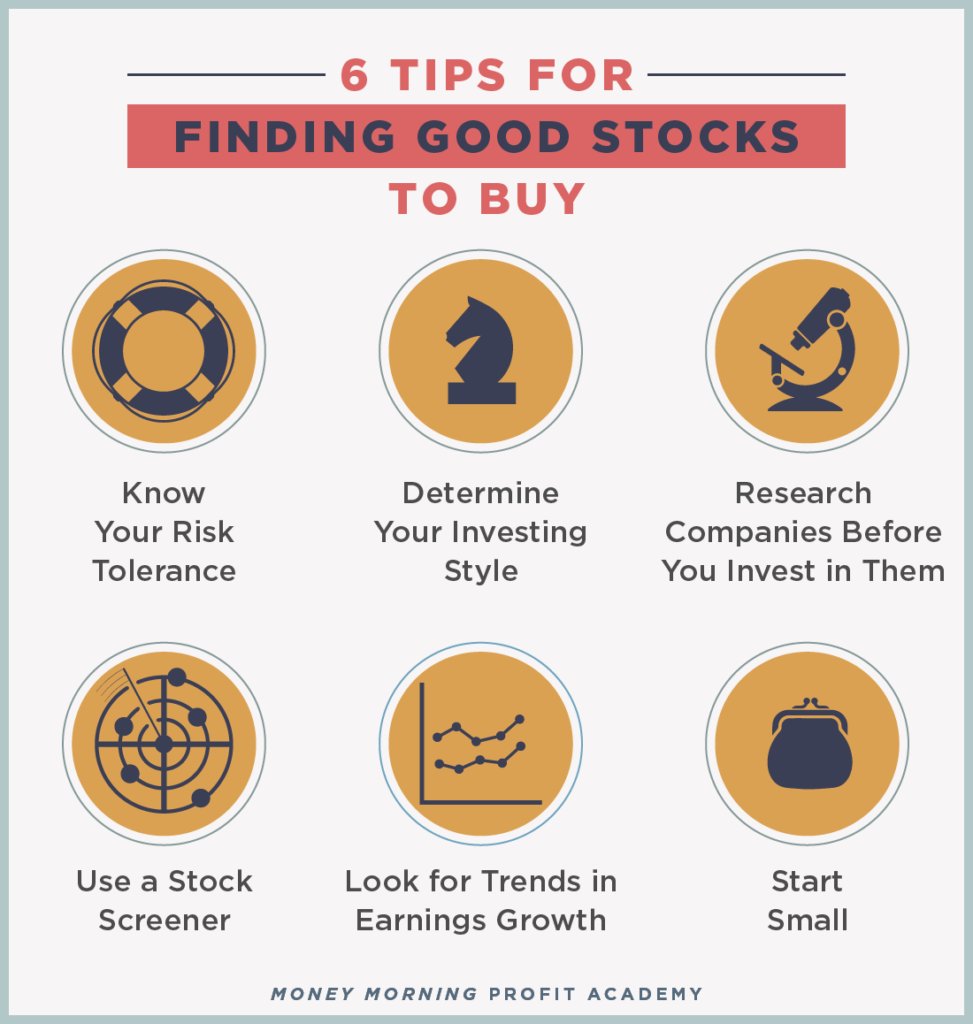
Before opening any account, ask yourself: Why am I investing? Am I saving for a down payment on a house in five years (short-term) or for retirement in 30 years (long-term)? Do I aim for aggressive growth, or am I more concerned with preserving capital and generating income? Your goals will dictate the types of investments you choose and the level of risk you should take. Equally important is understanding your risk tolerance—how comfortable are you with the potential for your investments to fluctuate in value, including significant declines? A younger investor with a long time horizon might tolerate more risk for potentially higher returns, while someone nearing retirement might prioritize stability.
Fees and Commissions
Fees, even seemingly small ones, can significantly erode your investment returns over time. These can include:
-
Trading commissions: Per-trade fees for buying or selling stocks (though many platforms now offer commission-free trading for stocks/ETFs).
-
Advisory fees: A percentage of your assets under management, common with full-service brokers and robo-advisors.
-
Account maintenance fees: Annual or monthly fees for keeping an account open.
-
Expense ratios: Fees charged by mutual funds and ETFs to cover management and operating costs.
-
Other miscellaneous fees: For things like wire transfers, paper statements, or inactivity.
Always read the fine print and understand the fee structure of any platform or service before you commit.
Research Tools and Educational Resources
Successful investing requires informed decision-making. The quality and availability of research tools and educational resources vary widely among platforms. Look for brokers that offer:
-
Stock screeners: Tools to filter stocks based on specific criteria (e.g., market cap, industry, P/E ratio).
-
Analyst reports: Professional opinions and ratings on individual stocks.
-
News feeds and real-time quotes: To stay updated on market developments.
-
Educational articles, webinars, and tutorials: To enhance your investment knowledge.
Even if you use a full-service broker, understanding the basics yourself will empower you to ask better questions and feel more confident in your investments.
Account Types: Taxable vs. Tax-Advantaged
The type of account you use to buy stocks has significant tax implications.
-
Taxable Brokerage Accounts: Standard investment accounts where capital gains and dividends are taxed in the year they are realized. They offer flexibility but no special tax breaks.
-
Tax-Advantaged Retirement Accounts: These accounts offer tax benefits designed to encourage saving for retirement:
-
IRAs (Individual Retirement Accounts): Traditional IRAs offer tax-deductible contributions and tax-deferred growth, with taxes paid upon withdrawal in retirement. Roth IRAs use after-tax contributions, but qualified withdrawals in retirement are tax-free.
-
401(k)s/403(b)s: Employer-sponsored plans, often with matching contributions, offering tax-deferred growth.
-
Other specialized accounts: Such as 529 plans for education savings or HSAs (Health Savings Accounts) with a triple tax advantage.
-
Choosing the right account type can greatly impact your long-term returns by reducing your tax burden. It’s often advisable to maximize contributions to tax-advantaged accounts before funding a taxable brokerage account.
Conclusion: Taking the First Step
The world of stock investing is more accessible than ever, offering a diverse range of platforms and services to suit every investor’s needs. Whether you prefer the personalized guidance of a full-service broker, the cost-effectiveness and control of a discount brokerage, the automated simplicity of a robo-advisor, or the mobile convenience of a trading app, there’s an option for you. Even direct investment plans and employer-sponsored programs offer unique benefits.
The most important step is to start. Begin by assessing your financial goals, understanding your risk tolerance, and educating yourself on the basics of investing. Then, carefully research the platforms that align with your preferences for fees, tools, and service level. Remember, successful investing is a journey, not a sprint. By choosing the right place to buy stocks and maintaining a disciplined approach, you can build a robust financial future. Don’t let paralysis by analysis hold you back—take that first informed step into the market.
aViewFromTheCave is a participant in the Amazon Services LLC Associates Program, an affiliate advertising program designed to provide a means for sites to earn advertising fees by advertising and linking to Amazon.com. Amazon, the Amazon logo, AmazonSupply, and the AmazonSupply logo are trademarks of Amazon.com, Inc. or its affiliates. As an Amazon Associate we earn affiliate commissions from qualifying purchases.