
Understanding and accurately calculating your daily caloric needs is a cornerstone of effective health, fitness, and weight management strategies. In today’s digital age, technology has revolutionized how we approach this complex task, transforming it from tedious manual calculations into an accessible, data-driven process. From sophisticated online algorithms to intuitive mobile applications and advanced wearable devices, tech tools now offer unparalleled precision and convenience in determining, tracking, and adjusting your caloric intake. This guide delves into the methods and, critically, the digital solutions that empower individuals to precisely ascertain their energy requirements.
Understanding the Core Calculations: BMR and TDEE through a Digital Lens
At the heart of any calorie calculation are two fundamental metrics: Basal Metabolic Rate (BMR) and Total Daily Energy Expenditure (TDEE). While these concepts are rooted in human physiology, the ease and accuracy with which we can derive them have been significantly enhanced by digital technologies.
Basal Metabolic Rate (BMR) – The Foundation Digitized
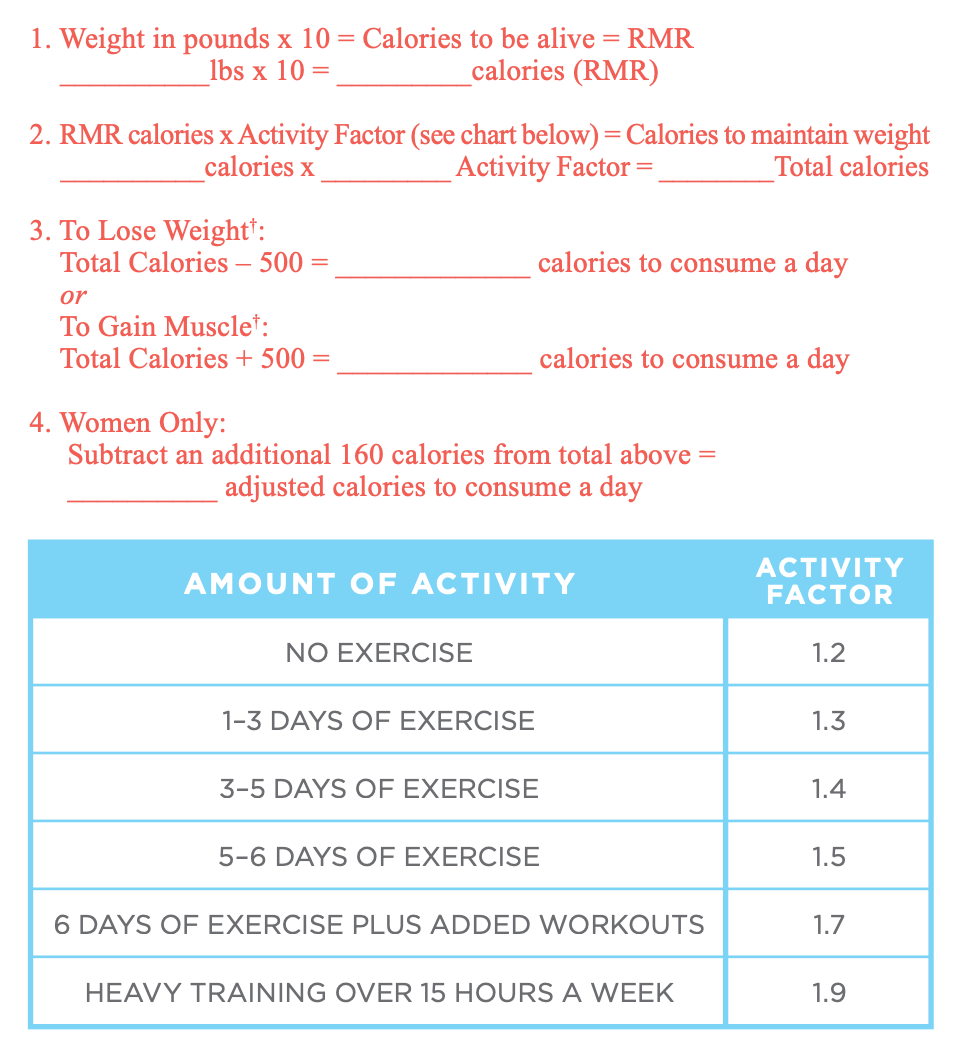
Your Basal Metabolic Rate (BMR) represents the number of calories your body burns at rest to maintain basic physiological functions—breathing, circulation, cell production, and nutrient processing. It’s the minimum energy required to keep you alive and functioning, excluding any activity. Historically, BMR was measured in controlled laboratory settings, a highly impractical method for most.
Today, BMR estimation is predominantly handled by digital calculators and health applications that integrate established scientific formulas. The most widely used equations include the Mifflin-St Jeor equation and the revised Harris-Benedict equation, both of which require inputs such as your age, gender, height, and weight. For example, a typical online BMR calculator will prompt you to enter these data points into a user-friendly interface. Behind the scenes, the calculator’s algorithm processes these inputs using the chosen formula (e.g., Mifflin-St Jeor: For men: (10 × weight in kg) + (6.25 × height in cm) – (5 × age in years) + 5; For women: (10 × weight in kg) + (6.25 × height in cm) – (5 × age in years) – 161) to instantly provide your estimated BMR. This automation removes the potential for human error in calculation and provides immediate, actionable data. Many advanced health apps even allow you to track changes in your weight over time, automatically recalculating your BMR to ensure the baseline remains current.
Total Daily Energy Expenditure (TDEE) – Accounting for Digital Activity Tracking
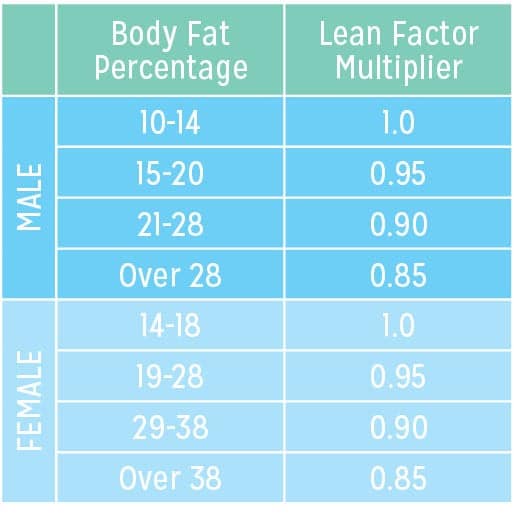
While BMR provides your baseline, your Total Daily Energy Expenditure (TDEE) accounts for all the calories you burn throughout the day, including physical activity, digestion, and non-exercise activity thermogenesis (NEAT). TDEE is a more accurate representation of your actual daily caloric needs for maintaining your current weight.
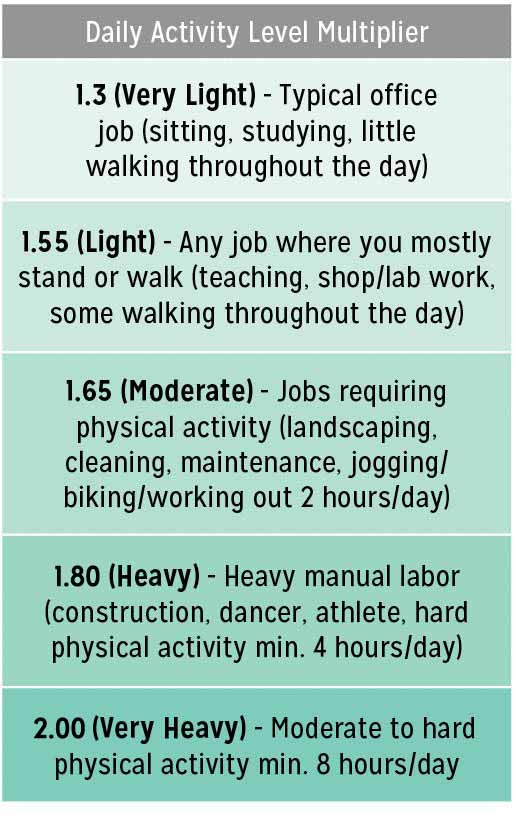
Calculating TDEE involves multiplying your BMR by an activity factor. This factor varies significantly based on your lifestyle, ranging from sedentary to extremely active. Here’s where digital tools truly shine. Instead of vague self-assessments, modern technology offers more precise methods for determining this multiplier:
-
Online TDEE Calculators: Similar to BMR calculators, these tools prompt you to select an activity level from predefined options (e.g., “little to no exercise,” “light exercise 1-3 days/week,” “moderate exercise 3-5 days/week,” “heavy exercise 6-7 days/week,” “very heavy exercise daily, plus physical job”). The underlying algorithm then applies the corresponding activity multiplier to your calculated BMR.
-
Fitness Trackers and Smartwatches: These wearable devices are game-changers. They continuously monitor your heart rate, movement (steps, distance), and even sleep patterns. Algorithms within the device or its companion app use this real-time data to estimate your actual energy expenditure with remarkable accuracy. By integrating directly with your body’s activity, these devices provide a much more dynamic and personalized activity factor than a static questionnaire. Many even incorporate metabolic equivalents (METs) to estimate calorie burn from various exercises based on intensity and duration.
-
Nutrition Tracking Apps: Many comprehensive nutrition apps allow you to log your workouts and daily activities. They then use this logged data, combined with your profile information, to dynamically adjust your estimated TDEE. Some apps can even integrate directly with wearable data to provide a seamless and highly personalized TDEE calculation.
The digital ecosystem surrounding calorie calculation means that instead of relying on a single, static TDEE estimate, users can now benefit from continuously updated figures that reflect their actual daily energy expenditure, making weight management strategies far more responsive and effective.
Leveraging Digital Tools for Precise Calorie Tracking
Beyond calculating your initial caloric needs, technology provides indispensable tools for tracking intake, monitoring progress, and making informed adjustments. This ecosystem of apps and devices offers varying levels of detail and functionality, catering to diverse user preferences and goals.
Online Calculators: Quick Estimates and Formulas
For a rapid, initial estimate, online BMR and TDEE calculators remain invaluable. These web-based tools are typically free and easy to use, requiring minimal personal data input to generate a quick calorie target. They are excellent starting points for individuals new to calorie tracking or those seeking a baseline figure without committing to a dedicated app. Many websites also provide detailed explanations of the formulas used, offering transparency into the calculation process. While convenient, their main limitation is that they often use static activity factors and do not adapt to daily variations in energy expenditure or food intake. They serve primarily as a guide, rather than a dynamic tracking solution.
Nutrition Tracking Apps: Beyond Simple Calculation
Dedicated nutrition tracking apps represent a significant leap forward in personal calorie management. Applications like MyFitnessPal, Cronometer, Lose It!, and MyPlate offer comprehensive features that go far beyond a simple calculation:
-
Extensive Food Databases: These apps boast vast, searchable databases of foods, including brand-name products, restaurant items, and generic ingredients, often with barcode scanning capabilities for quick logging. This dramatically simplifies the process of recording every meal and snack.
-
Macronutrient Breakdown: Beyond total calories, these apps break down your intake into macronutrients (proteins, carbohydrates, and fats), allowing users to adhere to specific dietary ratios (e.g., ketogenic, high-protein).
-
Recipe Builders: Many apps allow users to input their own recipes, which are then automatically analyzed for caloric and macronutrient content per serving.
-
Meal Planning Features: Some apps offer meal planning tools, helping users pre-log meals to ensure they stay within their caloric and macronutrient targets.
-
Progress Tracking: Users can log weight, body measurements, and even exercise, generating graphs and reports that visualize progress over time. This data-driven feedback loop is crucial for motivation and making informed adjustments.
-
Community and Support: Many apps include social features, allowing users to connect with friends, share progress, and participate in forums for encouragement and advice.
The sophisticated algorithms within these apps continuously compare your logged food intake against your personalized TDEE, providing real-time feedback on your caloric balance.
Wearable Technology: Real-time Data Integration
Wearable devices, such as smartwatches (e.g., Apple Watch, Garmin, Fitbit) and dedicated fitness trackers, have become integral to accurate calorie calculation and management. Their ability to collect continuous physiological data offers an unprecedented level of personalization:
-
Activity Monitoring: Accelerometers and gyroscopes track steps, distance, and intensity of movement, contributing to a more accurate estimation of calories burned through daily activities.
-
Heart Rate Tracking: Continuous heart rate monitoring, especially during exercise, provides a precise indicator of exertion level, leading to more accurate calorie burn estimates for workouts than generic formulas.
-
Sleep Analysis: While not directly related to calories burned during sleep, good sleep quality impacts hormone regulation (e.g., ghrelin and leptin), which in turn influences appetite and metabolism. Some wearables track sleep patterns, offering insights into overall well-being.
-
Integration with Nutrition Apps: The true power lies in the seamless integration between wearables and nutrition tracking apps. Your wearable can automatically feed activity and calorie burn data directly into your chosen nutrition app, which then adjusts your caloric needs or remaining caloric budget for the day. This dynamic adjustment based on actual output makes your calorie tracking far more responsive and accurate than manual estimations.
The synergy between robust tracking apps and intelligent wearables creates a powerful ecosystem for highly personalized and precise calorie management.
Optimizing Your Calorie Goals with Technology
Calculating your calories is merely the first step. The real art of calorie management lies in optimizing your intake to achieve specific goals, and technology provides the tools to do this effectively.
Setting Your Objective: Maintenance, Deficit, or Surplus
Once your TDEE is established, digital tools allow you to easily define your objective:
-
Maintenance: If your goal is to maintain your current weight, your caloric intake should ideally match your TDEE. Most apps will set this as a default.
-
Deficit (Weight Loss): To lose weight, you need to consume fewer calories than your TDEE, creating a caloric deficit. Apps allow you to specify a target weight loss rate (e.g., 0.5 kg/week), and the software will automatically calculate the required daily caloric deficit (e.g., 500 calories for approximately 1 pound/0.45 kg of fat loss per week) and adjust your daily calorie target accordingly.
-
Surplus (Weight Gain/Muscle Building): For weight gain or muscle building, a caloric surplus is needed. Apps enable you to set a target weight gain rate, and they will recommend a daily caloric surplus above your TDEE.
These digital tools simplify the complex math, providing clear, actionable daily calorie targets tailored to your aspirations.
Adjusting for Progress and Plateaus
The human body is adaptable. As you lose weight, your BMR and TDEE naturally decrease. Similarly, your metabolism can adapt to consistent caloric intake, potentially leading to plateaus. Technology is crucial for navigating these adjustments:
-
Automated Recalculations: As you log your weight in apps, many will automatically recalculate your BMR and TDEE, ensuring your calorie targets remain relevant to your current body composition. This prevents the need for manual recalibration and ensures your deficit or surplus remains effective.
-
Performance Tracking: By logging workouts and monitoring performance metrics (e.g., lifts, running times) in fitness apps, you can track changes in your energy output. If your performance is dropping significantly while on a deficit, it might indicate that your calorie target is too low, prompting an adjustment.
-
Data Visualization: Graphs and charts within apps clearly show weight trends, caloric intake vs. expenditure, and macronutrient distribution over time. This visual data helps identify plateaus early and provides the insights needed to make informed adjustments to your diet or exercise regimen. For instance, if your weight loss stalls despite adhering to your target, the app’s data might reveal a slight creep in portion sizes or a decrease in activity that went unnoticed.
The continuous feedback loop provided by technology allows for iterative adjustments, preventing frustration and optimizing your path towards your health goals.
The Future of Personalized Calorie Management
The integration of technology into calorie calculation is constantly evolving, promising even more personalized and intelligent solutions.
AI-Driven Insights and Adaptive Algorithms
The next frontier involves artificial intelligence and machine learning. Future nutrition apps will likely go beyond simply calculating and tracking. AI algorithms will analyze vast amounts of user data – food preferences, activity patterns, sleep quality, stress levels, and even genetic predispositions – to offer highly personalized and dynamic calorie and macronutrient recommendations. These systems could predict how certain foods impact your energy levels, suggest optimal meal timings, and even adapt your calorie goals in real-time based on subtle changes in your body’s response, detected by advanced sensors. This means calorie targets will become less static and more responsive to individual physiological nuances and daily fluctuations.
Integrating Health Data Ecosystems
The ultimate vision involves a holistic health data ecosystem. Imagine your smart home devices, health records, wearable sensors, and nutrition apps all communicating to provide a unified picture of your well-being. Your smart scale could upload your weight, your continuous glucose monitor could track your blood sugar responses to different foods, and your smartwatch could provide advanced metrics on heart rate variability and recovery. All this data, analyzed by AI, would then inform precise, adaptive calorie and macro recommendations, potentially even integrating with smart kitchen appliances to suggest recipes or generate grocery lists. This level of integration promises to make calorie calculation and management seamlessly woven into the fabric of daily life, offering truly proactive and preventative health management.
By embracing and understanding the digital tools available, calculating and managing your caloric needs transforms from a complex chore into an empowering, data-driven journey toward optimal health.
aViewFromTheCave is a participant in the Amazon Services LLC Associates Program, an affiliate advertising program designed to provide a means for sites to earn advertising fees by advertising and linking to Amazon.com. Amazon, the Amazon logo, AmazonSupply, and the AmazonSupply logo are trademarks of Amazon.com, Inc. or its affiliates. As an Amazon Associate we earn affiliate commissions from qualifying purchases.