
In the contemporary retail environment, the question “where can I get jeans?” has evolved from a simple logistical inquiry into a complex exploration of brand identity, values, and market positioning. For the modern consumer, a pair of jeans is rarely just a garment; it is a semiotic marker that communicates their social standing, environmental ethics, and aesthetic preferences. From a branding perspective, the denim market represents one of the most competitive and saturated sectors in the global fashion industry. To answer the consumer’s question effectively, one must look past the physical storefront and examine the strategic brand narratives that define where people choose to invest their loyalty and capital.
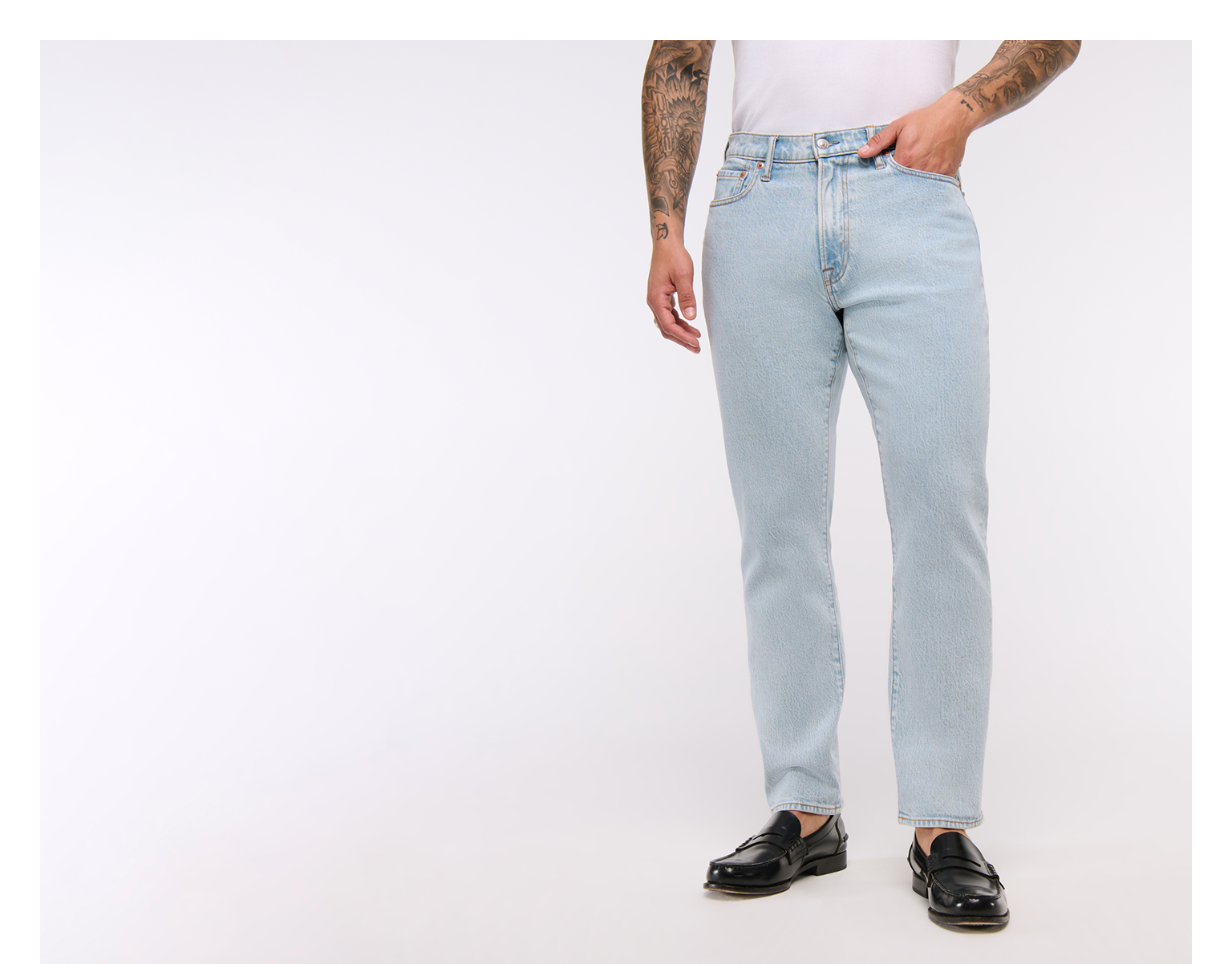
The global denim market is a multi-billion dollar ecosystem characterized by a distinct trifecta of brand strategies: the heritage giants, the premium niche players, and the disruptive sustainable upstarts. Understanding these categories is essential for any brand strategist or business leader looking to comprehend how corporate identity dictates consumer behavior in a crowded marketplace.
The Heritage Pillars: How Legacy Brands Maintain Dominance
When a consumer asks where to get jeans, the first names that typically arise are the “Big Three” of American heritage: Levi Strauss & Co., Lee, and Wrangler. These brands have successfully navigated over a century of cultural shifts by leaning into a “legacy” brand strategy. This approach relies on the concept of authenticity—a powerful psychological tool in marketing that suggests a product is timeless, reliable, and fundamentally “original.”
The Power of the Origin Story
Levi’s, specifically, serves as a masterclass in heritage branding. Their strategy is rooted in the narrative of the California Gold Rush and the invention of the copper-riveted waist overall. By anchoring their identity in 1873, they create a brand moat that newer competitors cannot replicate. When a consumer buys a pair of Levi’s 501s, they are not just buying denim; they are buying into a piece of cultural history. This “Foundational Branding” allows the company to maintain a massive market share by appealing to both the utilitarian worker and the fashion-conscious youth through various sub-brands like Levi’s Premium or Levi’s Vintage Clothing (LVC).
Evolving the Heritage Identity
Maintaining dominance for over 150 years requires more than just looking backward. Heritage brands have mastered the art of “Strategic Rejuvenation.” This involves collaborating with high-fashion designers or streetwear icons (such as Off-White or Supreme) to keep the brand relevant to Gen Z and Alpha. By blending their historical credibility with modern exclusivity, heritage brands ensure they remain the default answer for consumers seeking a balance between tradition and trend.
The Premium Paradox: Building Luxury through Scarcity and Craft
For a specific segment of the market, the answer to “where can I get jeans” is found in the world of premium and “selvedge” denim. Brands like A.P.C., Nudie Jeans, and Japanese powerhouses like Iron Heart or Momotaro operate on a brand strategy centered on scarcity, craftsmanship, and the “enthusiast” identity.
The Cult of the Maker
In the premium sector, the brand identity is often inextricably linked to the manufacturing process. Branding here shifts from “lifestyle” to “technical excellence.” These companies focus their marketing on the provenance of the fabric (often sourced from the Kuroki or Kaihara mills in Japan) and the specific machinery used, such as vintage shuttle looms. This “Process-Based Branding” justifies a higher price point—often three to five times that of a mass-market brand—by positioning the product as an investment piece rather than a disposable commodity.
The “Naked” Brand Aesthetic
A.P.C. (Atelier de Production et de Création) pioneered a specific brand strategy known as “Minimalist Rigidity.” By offering unwashed, stiff, raw denim with virtually no visible branding or “arcuate” stitching on the pockets, they created a secret handshake for the fashion elite. This strategy relies on the consumer’s desire for “Inconspicuous Consumption.” The brand is recognized not by a logo, but by the fit and the way the denim fades over time. This creates a deep emotional bond between the user and the brand, as the “wear patterns” become a personalized record of the owner’s life.
The Ethical Frontier: Sustainability as the New Brand Standard
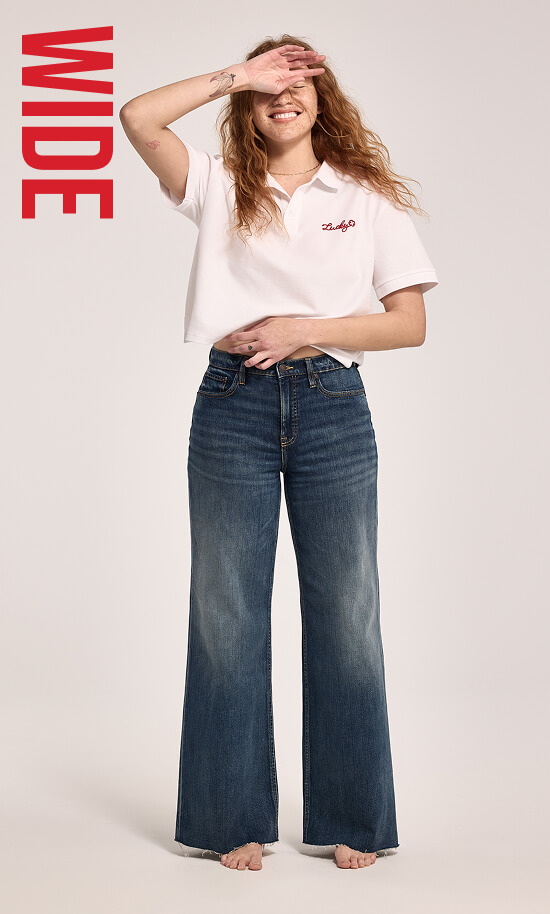
In the last decade, a new category has emerged to answer the consumer’s call: the “Values-Driven” brand. As public awareness of the fashion industry’s environmental impact grows, brands that center their identity on sustainability, transparency, and ethical labor have seen explosive growth. For many consumers, the question of “where can I get jeans” is now filtered through an ethical lens.
Radical Transparency as a Brand Pillar
Everlane is perhaps the most prominent example of a brand built on the strategy of “Radical Transparency.” By breaking down the cost of materials, labor, and transport for every pair of jeans, they challenge the traditional retail markup model. Their brand identity is built on the idea of being the “honest alternative” to traditional fashion. This strategy builds high levels of trust and positions the consumer as an “informed advocate” rather than just a customer.
Circular Branding and the End of Ownership
European brands like Mud Jeans have taken the sustainable brand strategy a step further by introducing “Lease A Jeans” programs. This is a shift from a product-centric brand to a service-centric brand. By branding themselves as part of the “Circular Economy,” they appeal to the “Conscious Consumer” who is wary of waste. Their brand narrative is not about the jeans themselves, but about the regenerative system they represent. This level of innovation allows them to stand out in a sea of “Greenwashing” by offering tangible proof of their environmental commitment.
The Digital Disruption: DTC Strategies and the Personalization Wave
The rise of Direct-to-Consumer (DTC) brands has fundamentally changed the geography of where one gets jeans. Digital-first brands like Madewell, Revive, and various bespoke AI-driven startups have leveraged data to carve out a niche that bypasses traditional department stores.
Data-Driven Community Building
Madewell (a subsidiary of J.Crew Group) successfully pivoted from a heritage-style name to a modern community-focused brand. Their strategy focuses heavily on “Inclusive Branding,” offering an extensive range of fits and sizes that were historically ignored by premium denim labels. By using social media data to understand their customer’s pain points—specifically regarding fit and “body positivity”—they have created a loyal following that feels “seen” by the brand. Their “Insider” loyalty program is a masterclass in using data to drive repeat purchases and brand advocacy.
The Rise of Bespoke Branding
Newer entrants in the market are using technology to offer custom-made denim, answering the “where” with a “made specifically for you” value proposition. Brands like Sene or Unspun use 3D body scanning and algorithmic tailoring to promise the perfect fit. Their brand strategy is rooted in “Mass Customization.” By removing the frustration of the fitting room, they position their brand as the ultimate solution to a universal problem. The branding here is less about the “cool factor” and more about “functional perfection.”
Strategic Positioning: Choosing Your Place in the Denim Hierarchy
When evaluating the denim landscape, it becomes clear that “where” a consumer buys jeans is determined by how well a brand communicates its “Why.” Brand strategy in this space requires a rigorous focus on one of three core value propositions:
-
Reliability and Heritage: For brands that want to be the “safe” and “timeless” choice. Success here depends on maintaining a consistent visual identity and leveraging historical milestones.
-
Innovation and Ethics: For brands targeting the progressive, younger demographic. Success depends on third-party certifications (like B-Corp status) and transparent supply chains.
-
Exclusivity and Craft: For brands targeting the luxury or enthusiast market. Success depends on maintaining high barriers to entry, whether through price, technical knowledge, or limited production runs.
The denim industry proves that even a basic commodity can be elevated through sophisticated branding. Whether a consumer finds their jeans at a legacy retailer, a high-end boutique, or an online custom-tailor, their choice is a direct result of a calculated brand narrative that resonated with their personal identity. In the end, the question “where can I get jeans” is less about geography and more about the alignment of the brand’s values with the consumer’s lifestyle. As the market continues to evolve, the brands that win will be those that can successfully navigate the intersection of tradition, technology, and social responsibility.
aViewFromTheCave is a participant in the Amazon Services LLC Associates Program, an affiliate advertising program designed to provide a means for sites to earn advertising fees by advertising and linking to Amazon.com. Amazon, the Amazon logo, AmazonSupply, and the AmazonSupply logo are trademarks of Amazon.com, Inc. or its affiliates. As an Amazon Associate we earn affiliate commissions from qualifying purchases.