
For many, the question “where can I get free food today?” arises not from curiosity, but from a pressing, immediate need. It’s a question rooted in the realities of personal finance, budget constraints, unexpected life events, or persistent economic hardship. In an ideal world, access to nourishing food would be a given, yet for millions, ensuring the next meal can be a daily struggle. This article delves into the various avenues available for accessing free food resources, framing it not as a hand-out, but as a critical component of personal financial management, emergency preparedness, and community support. Understanding these resources is crucial for anyone seeking to stretch their budget, navigate a temporary crisis, or secure long-term food security within the broader landscape of personal finance.

Understanding the Landscape of Food Assistance
Accessing free food today involves understanding a complex but robust network of support systems designed to alleviate hunger and food insecurity. These systems typically fall into two main categories: government-backed initiatives and community-driven non-profit efforts, both playing a vital role in the personal financial resilience of individuals and families.
Government Programs and Public Initiatives
Federal, state, and local governments operate a range of programs aimed at providing nutritional assistance. These programs are often designed with specific eligibility criteria based on income, family size, and other factors, making them a foundational element of public welfare and personal financial safety nets.
SNAP (Supplemental Nutrition Assistance Program)
Commonly known as food stamps, SNAP is the largest federal nutrition assistance program. It provides eligible low-income individuals and families with financial benefits loaded onto an Electronic Benefits Transfer (EBT) card, which can be used like a debit card to purchase groceries at authorized retailers. SNAP is a crucial resource for millions, directly freeing up personal income that would otherwise be spent on food, allowing it to be reallocated to other essential expenses like housing, utilities, or healthcare. Eligibility requirements vary slightly by state but generally consider gross and net income, assets, and household size. Applying usually involves submitting an application through your state’s social services agency, followed by an interview and verification of information.
WIC (Special Supplemental Nutrition Program for Women, Infants, and Children)
WIC is a targeted program offering nutritious foods, nutrition education, and breastfeeding support to pregnant women, new mothers, infants, and young children (up to age five) who are at nutritional risk and meet income eligibility guidelines. While not as broad as SNAP, WIC provides specific food packages tailored to the dietary needs of its recipients, including items like milk, cereal, eggs, fruit juice, and infant formula. For eligible families, WIC significantly reduces grocery costs for crucial items during critical developmental stages, directly impacting household budgets.
School Meal Programs
For families with school-aged children, free and reduced-price school meal programs (National School Lunch Program and School Breakfast Program) are indispensable. These programs ensure that children from low-income households receive nutritious meals during the school day, regardless of their family’s ability to pay. This not only supports children’s health and academic performance but also provides significant financial relief to parents, who can save hundreds of dollars a month by not having to budget for school lunches or breakfasts. Eligibility is typically based on household income relative to federal poverty guidelines.
Non-Profit Organizations and Community Support
Beyond government programs, a vast network of non-profit organizations, charities, and community groups operate at local levels, providing immediate and direct food assistance with varying eligibility requirements, from strict income verification to no-questions-asked services. These organizations are often the first line of defense against hunger in a community.
Food Banks and Food Pantries
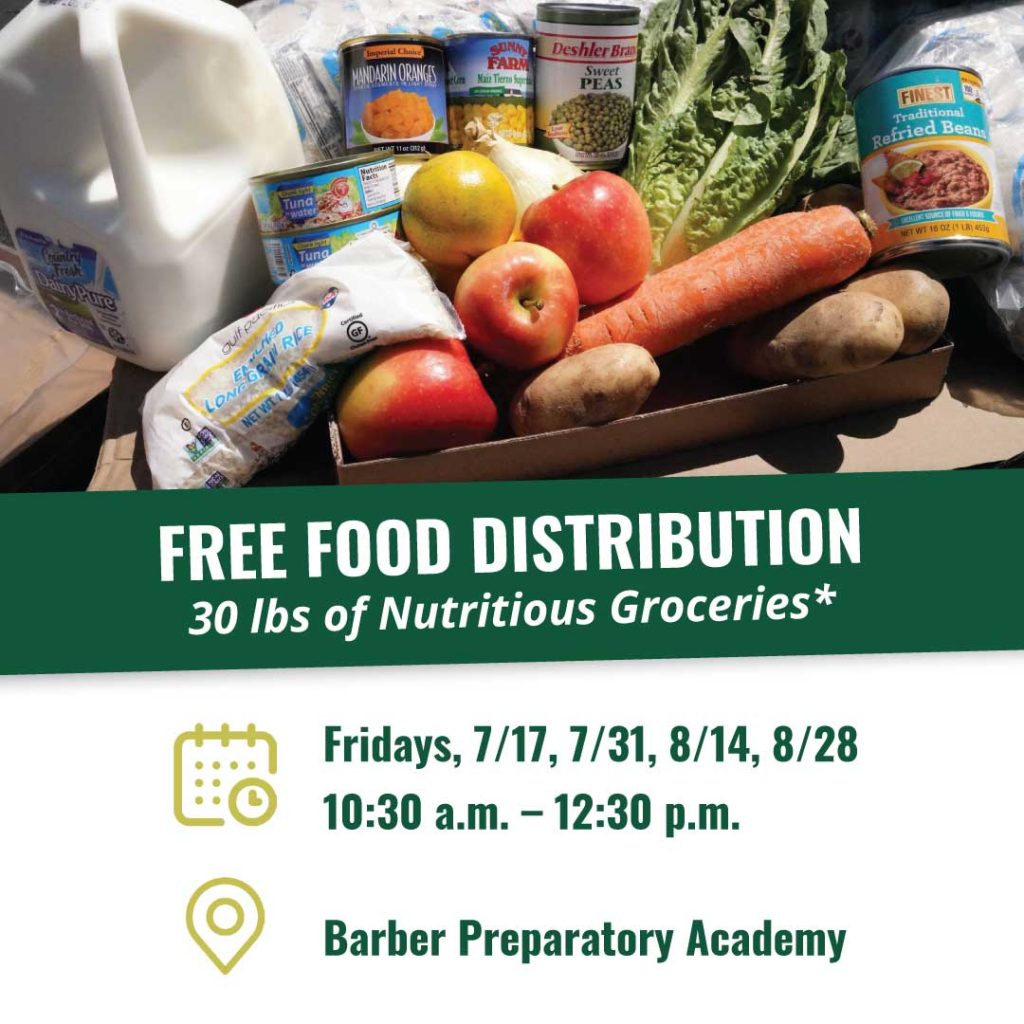
Food banks are large, charitable organizations that collect and store donated food from various sources (manufacturers, retailers, farmers) and then distribute it to smaller food pantries, soup kitchens, and other community programs. Food pantries are the direct access points for individuals and families, operating out of churches, community centers, or dedicated facilities. They provide bags or boxes of groceries, often a mix of non-perishable staples and fresh produce, to those in need. Finding a local food bank or pantry can be done through national networks like Feeding America or by searching local directories. These services are vital for managing personal food expenses, especially during lean financial periods.
Soup Kitchens and Community Meals
Soup kitchens and community meal programs offer prepared hot meals in a communal setting. They provide immediate sustenance, warmth, and often a sense of community. These services are particularly crucial for individuals experiencing homelessness, those with limited cooking facilities, or anyone needing an immediate meal without any prerequisites. Many operate on a drop-in basis, making them highly accessible for urgent needs. The dignity and reliability of these meals are a profound financial and social support.
Local Churches and Religious Charities
Many religious organizations operate their own food assistance programs, ranging from small pantries to regular community meal services. Often, these programs are run by volunteers and are deeply integrated into the local community, offering personalized support and additional resources beyond food. They can be a flexible and less formal option for those seeking help, often with a strong emphasis on compassionate service.
Practical Strategies for Accessing Immediate Food Aid
When the need for free food is immediate, knowing how to navigate the system efficiently can make a significant difference. Practical steps range from utilizing digital tools to direct community engagement and understanding the necessary documentation.
Utilizing Online Resources and Apps
The digital age has brought new tools to help individuals locate food assistance quickly and discreetly. These resources can save time and reduce the stress of searching for help.
“Find a Food Bank” Locators
National and regional food assistance networks, such as Feeding America, provide online search tools that allow you to enter your zip code and find the nearest food banks and pantries. These locators often include operating hours, contact information, and sometimes even details about eligibility or what to bring. Utilizing these tools is often the fastest way to identify local resources. Similarly, local government websites for social services often list food assistance programs available in the area.
Emergency Hotlines and Community Information Services
In many regions, dialing 211 connects you to a comprehensive information and referral service that can provide details on local food pantries, soup kitchens, and other social services, including utility assistance or housing support. These services are staffed by trained specialists who can help you understand your options and guide you through the process, serving as a critical financial navigation tool during times of crisis.
Direct Community Engagement
Sometimes, the most effective way to find immediate food aid is through direct interaction within your community. These methods rely on established networks and trusted points of contact.
Visiting Community Centers and Libraries
Local community centers, public libraries, and even schools often have information about local food assistance programs. They may have flyers, brochures, or staff members who can direct you to nearby resources. These institutions are usually accessible and serve as hubs for community information. Social workers, school counselors, or trusted community leaders can also be invaluable resources, offering discreet guidance and connections to local support networks.
Neighborhood Groups and Mutual Aid Networks
In some communities, informal mutual aid networks or neighborhood Facebook groups exist where residents share resources, including surplus food. While less formal, these can provide immediate, localized assistance. Caution should always be exercised regarding personal safety and privacy when engaging with informal groups online, but they can be a legitimate avenue for short-term help.
Understanding Eligibility and Documentation
While many programs aim to remove barriers to access, some forms of assistance, particularly government programs, require specific documentation. Being prepared can expedite the process.
Required Documentation
For programs like SNAP or WIC, you will typically need to provide proof of identity (driver’s license, state ID), proof of residence (utility bill, lease agreement), proof of income (pay stubs, tax returns), and sometimes proof of household members (birth certificates, social security cards). Food pantries often have simpler requirements, perhaps just an ID and proof of address, while soup kitchens generally require no documentation at all. Understanding these varying requirements helps manage expectations and prepares you for what to bring when seeking help, making the process smoother and less stressful.
Dignity and Discretion
It’s important to remember that seeking food assistance is a legitimate act of financial management and self-care. Organizations are there to help, and their staff are generally empathetic and professional. Many programs are designed to offer assistance with dignity and discretion, recognizing that unforeseen circumstances or persistent economic challenges can affect anyone.
Beyond Immediate Needs: Long-Term Food Security and Financial Resilience
While immediate food aid is crucial for crisis management, a holistic approach to personal finance involves building long-term food security and overall financial resilience. This extends beyond simply finding free meals to proactive strategies for managing food costs and addressing underlying financial vulnerabilities.
Budgeting for Groceries and Meal Planning
Leveraging free food resources can be a smart part of your personal finance strategy, freeing up money that can then be allocated to other essential expenses or savings. However, even when not relying on external aid, effective grocery budgeting is key.
Maximizing Your Food Dollar
When you do need to buy food, employ strategies to make your money go further. This includes meal planning to avoid impulse purchases, creating shopping lists, cooking at home more often than eating out, buying generic brands, purchasing seasonal produce, and utilizing sales and coupons. Learning to cook inexpensive, nutritious meals from scratch can significantly reduce your monthly food budget, contributing directly to your financial stability. Resources like community cooking classes or online tutorials can equip you with these valuable skills.
Integrating Free Resources into Your Budget
Think of free food assistance as another line item in your income, or rather, a reduction in your expenditure. By utilizing food pantries for staples, or school meal programs for your children, you effectively reduce your grocery bill, freeing up funds that can then be used for debt repayment, emergency savings, or investment in skill development to increase future income. This is a direct application of prudent personal financial management.
Exploring Other Financial Assistance
Food insecurity often doesn’t exist in isolation; it can be a symptom of broader financial challenges. Addressing these underlying issues is critical for long-term stability.
Connecting Food Aid to Broader Support Systems
When seeking food assistance, inquire about other support services. Many organizations that provide food also have connections to resources for housing assistance, utility bill help, employment services, or financial counseling. Addressing these interconnected issues comprehensively is vital for breaking cycles of hardship. For instance, securing housing assistance can free up significant funds that were previously allocated to housing, easing the burden on food budgets.
Addressing Root Causes of Food Insecurity
For some, recurring food insecurity points to a need for more fundamental financial planning, career development, or income support. Exploring options like job training programs, educational opportunities, or applying for other benefit programs (e.g., unemployment, disability) can help address the root causes of financial instability, leading to more sustainable food security in the long run.
Community Gardens and Food Shares
Beyond receiving aid, active participation in food-related community initiatives can foster self-sufficiency and build resilience.
Growing Your Own Food
Community gardens offer plots where individuals can grow their own produce, often with shared resources and knowledge from fellow gardeners. This not only provides fresh, healthy food but also reduces grocery expenses and offers opportunities for skill development and community building. For those with access to even a small outdoor space, container gardening can also provide a supplemental source of fresh herbs and vegetables.
Participating in Food Sharing Networks
Some communities have initiatives like “free fridges” or food sharing apps (e.g., Olio, Too Good To Go, although the latter often involves a small cost for rescued food) where individuals or businesses can donate surplus food for others to take. These initiatives reduce food waste and provide accessible food options, contributing to a more sustainable and equitable food system. While not always strictly “free food today” in the crisis sense, they build a resilient local food economy.
The Dignity of Seeking Help and Giving Back
The act of seeking help, particularly for basic needs like food, can sometimes be accompanied by feelings of shame or embarrassment. However, it’s crucial to reframe this perspective, recognizing it as a practical step in managing personal finances and leveraging community resources.
Overcoming Stigma
Needing assistance is a sign of humanity, not failure. Life presents unexpected challenges—job loss, illness, natural disasters, economic downturns—that can push anyone into financial hardship. Utilizing food assistance programs is not about accepting charity in a diminishing sense; it is about accessing a vital resource that your community or government has put in place to ensure basic welfare. Recognizing this helps normalize the experience and empowers individuals to seek help without unnecessary emotional burden. Framing it as a smart financial decision, akin to using a tax credit or a discount, can help shift perspective.
Paying It Forward (When Able)
For those who have navigated periods of food insecurity and found stability, or for anyone in a position to help, contributing back to the system strengthens the entire community.
Volunteering and Donations
Volunteering time at a local food pantry, soup kitchen, or community garden is an invaluable way to give back. Donating non-perishable food items or making monetary contributions to food banks helps sustain their operations and reach more people. Financial donations are often preferred by food banks, as they can leverage bulk purchasing power to acquire more food than an individual can typically buy with the same amount of money.
Advocacy for Food Security Initiatives
Beyond direct contributions, advocating for policies and programs that address food insecurity and poverty plays a critical role. This can involve contacting elected officials, participating in awareness campaigns, or supporting organizations that work on systemic solutions. Strengthening these systems ensures that the answer to “where can I get free food today” remains accessible and robust for future generations.
In conclusion, the question “where can I get free food today?” is far more than a simple query; it’s a gateway into understanding the intricate relationship between personal finance, community support, and societal welfare. Whether facing an immediate crisis or striving for long-term financial resilience, a wealth of resources exists. By understanding these options, leveraging them strategically, and ultimately contributing back when possible, individuals can not only overcome food insecurity but also build stronger, more empathetic communities and robust personal financial futures. Seeking help is a sign of strength, and knowing where to look is the first crucial step towards stability and dignity.
aViewFromTheCave is a participant in the Amazon Services LLC Associates Program, an affiliate advertising program designed to provide a means for sites to earn advertising fees by advertising and linking to Amazon.com. Amazon, the Amazon logo, AmazonSupply, and the AmazonSupply logo are trademarks of Amazon.com, Inc. or its affiliates. As an Amazon Associate we earn affiliate commissions from qualifying purchases.