
In an increasingly cashless society, the need for flexible, secure, and widely accepted payment methods has never been more pronounced. For many, a traditional credit card isn’t an option, and even a standard debit card might not align with specific financial goals or needs. This is where the reloadable Visa card steps in, offering a versatile financial tool that bridges the gap for a diverse range of consumers. Whether you’re looking to manage your budget more effectively, provide a secure payment option for a family member, or simply navigate the digital economy without a traditional bank account, understanding where and how to acquire a reloadable Visa card is a fundamental step in modern personal finance.

This article delves into the landscape of reloadable Visa cards, guiding you through their definition, the myriad places you can obtain them, critical factors for selection, and best practices for their management. By the end, you’ll have a comprehensive understanding, empowering you to make an informed decision that aligns with your financial lifestyle and objectives.
Understanding Reloadable Visa Cards: A Financial Lifeline
Before embarking on the quest to find a reloadable Visa card, it’s essential to grasp what they are, how they function, and the distinct advantages they offer. This foundational knowledge will not only demystify the product but also highlight its potential as a strategic component of your personal financial toolkit.
What Exactly is a Reloadable Visa Card?
A reloadable Visa card is a type of prepaid debit card that carries the universally recognized Visa brand mark, meaning it can be used anywhere Visa is accepted – millions of locations worldwide, both online and in physical stores. Unlike a credit card, it doesn’t extend credit, so there’s no debt involved, and unlike a traditional debit card, it’s not directly linked to a bank account. Instead, you load funds onto the card beforehand, and you can only spend the amount that has been loaded. The “reloadable” aspect signifies that once your funds are depleted, you can add more money to the card, making it a sustainable and long-term payment solution. This key feature differentiates it from one-time use prepaid gift cards, which cannot be reloaded.
Reloadable Visa cards function on a “pay-as-you-go” principle, making them a powerful tool for expenditure control. They provide the convenience and security of a major credit card network without the eligibility requirements or the risk of accruing interest and debt. They come with a 16-digit card number, an expiration date, and a security code (CVV), just like any other Visa card, facilitating seamless transactions globally.
Why Consider a Reloadable Visa Card?
The utility of reloadable Visa cards extends across various financial scenarios and consumer profiles. One of their primary benefits is budgeting and spending control. By loading a specific amount, users are naturally limited to that sum, preventing overspending and helping stick to financial plans. This makes them ideal for managing discretionary spending, allocating funds for specific purposes (like groceries or entertainment), or teaching younger family members about financial responsibility.
For individuals who are unbanked or underbanked, reloadable Visa cards offer a crucial gateway to the digital economy. They enable online shopping, bill payments, and access to services that typically require a card, without the need for a traditional checking account. Similarly, those with limited or no credit history can leverage these cards without a credit check, providing a widely accepted payment method where credit cards might be unattainable.
Enhanced security is another compelling reason. When making online purchases or traveling, using a reloadable card can mitigate risk by limiting potential losses to only the amount loaded on the card, rather than exposing your primary bank account or credit line. If the card number is compromised, the damage is contained. Furthermore, many reloadable cards are covered by Visa’s Zero Liability Policy, offering protection against unauthorized use. They are also excellent for travel, providing a secure way to carry funds internationally without the risks associated with cash, and often offering competitive exchange rates.
Types of Reloadable Cards: A Quick Overview
While the core functionality remains consistent, reloadable Visa cards can be broadly categorized based on their intended use and acquisition channels:
-
General Purpose Reloadable (GPR) Cards: These are the most common type, designed for everyday spending, bill payments, and ATM withdrawals. They are flexible and widely available, serving as a substitute for a checking account for many users.
-
Travel Cards: Specifically designed for international use, these cards often come with lower foreign transaction fees, better exchange rates, and features like multi-currency support. They provide a secure alternative to cash and traditional credit/debit cards when abroad.
-
Payroll Cards: Employers sometimes issue these to employees as an alternative to direct deposit or paper checks. Employees’ wages are loaded directly onto the card, which can then be used like a GPR card.
-
Teen/Family Cards: Designed for younger users or family members, these often come with parental controls, spending limits, and monitoring features, making them excellent tools for financial education.
Understanding these distinctions helps narrow down your search based on your specific needs and intended use case.
Key Providers: Where to Find Your Reloadable Visa
The accessibility of reloadable Visa cards is one of their greatest strengths. They are not confined to traditional banking institutions but can be found through various channels, each offering distinct advantages in terms of convenience, features, and fee structures. Knowing where to look is the first step in acquiring the right card for you.
Major Retailers and Grocery Stores
One of the most convenient places to acquire a reloadable Visa card is directly from the shelves of major retailers, pharmacies, and grocery stores. Chains like Walmart, Target, CVS, Walgreens, and various supermarket brands often have dedicated gift card racks where you can find general purpose reloadable Visa cards. Popular brands available through these channels include:
-
Vanilla Visa Prepaid Cards: Widely available and easy to purchase.
-
Netspend Visa Prepaid Cards: Known for their extensive reload network and various fee plans.
-
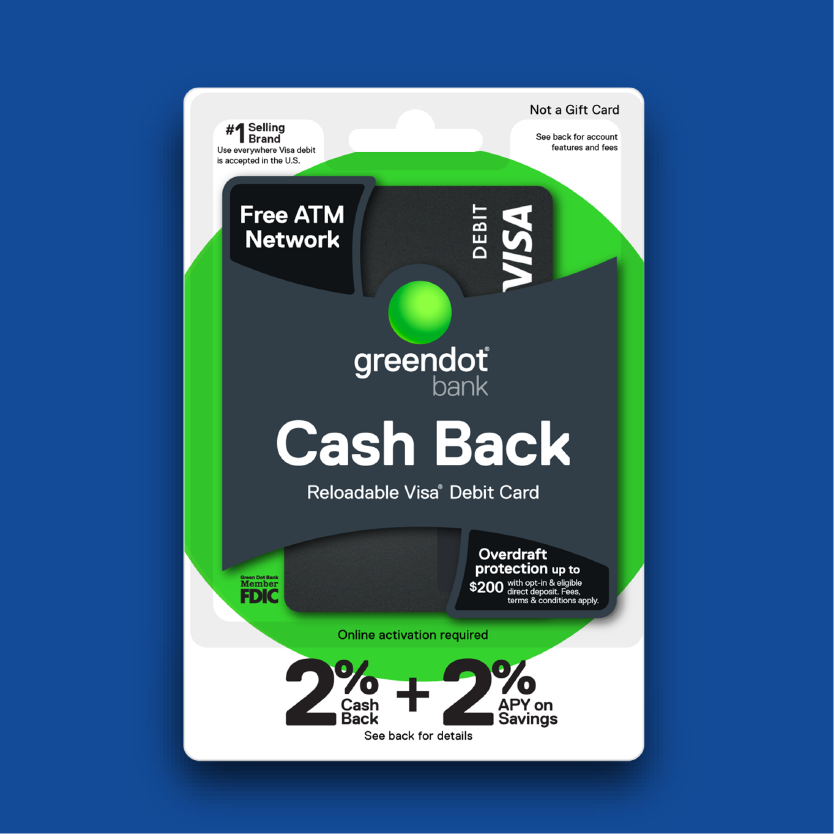
Green Dot Prepaid Visa Cards: Offers a range of cards with different features, often associated with a “Green Dot MoneyPak” for cash reloading.
-
Bluebird by American Express (often issued with Visa functionality): While primarily Amex, some versions or related products might offer Visa functionality, and they are typically found in similar retail environments, targeting the unbanked.
These cards are typically activated at the point of sale, and you can load an initial amount onto them right there. Their immediate availability makes them an excellent option for urgent needs or for those who prefer an in-person purchasing experience.
Online Prepaid Card Providers
The digital realm offers an even broader selection of reloadable Visa cards, often with more sophisticated features and direct-to-consumer services. Many fintech companies and dedicated prepaid card providers operate exclusively online, allowing you to apply, receive, and manage your card digitally. Examples include:
-
PayPal Prepaid Mastercard (though often used interchangeably with Visa in common parlance for general prepaid cards): While this specific one is a Mastercard, many services offer Visa options with similar functionality. PayPal’s strong online presence makes it a popular choice for managing funds digitally.
-
Chime Visa Debit Card: While technically a challenger bank offering a checking account, Chime’s model resembles a reloadable prepaid card in its accessibility (no credit check, easy sign-up) and focus on mobile banking, often serving similar demographics.
-
Brinks Prepaid Mastercard (again, similar functionality often exists for Visa branded cards): Offers direct deposit, bill pay, and a mobile app for management.
-
Various smaller, specialized online providers: A quick search for “online reloadable Visa cards” will reveal numerous options, many offering unique benefits such as rewards programs, budgeting tools, or specific international features.
Applying online often involves a simple application form, and the card is then mailed to your address. This method often provides access to more detailed account management tools via web portals or mobile apps.
Banks and Credit Unions
While less common for purely prepaid, reloadable Visa cards, some traditional banks and credit unions do offer branded prepaid options, particularly for specific use cases like travel or for customers who don’t qualify for traditional accounts. These might be marketed as travel money cards or specific debit card alternatives.
-
Major Banks (e.g., Chase, Wells Fargo, Bank of America): While they predominantly offer credit and debit cards linked to checking accounts, some may have specific prepaid travel cards or youth-oriented cards that are reloadable. These often come with the added assurance of being backed by a well-established financial institution.
-
Local Credit Unions: Often more flexible and community-focused, credit unions might offer a wider range of financial products, including reloadable prepaid cards, to cater to their diverse membership needs.
Obtaining a card from a bank or credit union might involve visiting a branch or applying through their website. The advantage here often lies in integrated customer service and the potential for easier fund transfers if you already have an account with them.
Digital Wallet and Fintech Companies
The rise of financial technology (fintech) has blurred the lines between traditional banking and digital payment solutions. Many digital wallets and fintech platforms now offer reloadable virtual or physical Visa cards as part of their ecosystem.
-
Revolut, Wise (formerly TransferWise): These platforms are renowned for their multi-currency accounts and international money transfers. They often provide physical or virtual reloadable Visa (or Mastercard) debit cards that are excellent for travel, offering competitive exchange rates and easy fund management through their apps.
-
Cash App, Venmo, Google Pay: While primarily peer-to-peer payment platforms, some offer associated physical or virtual debit cards (often Visa) that can be loaded and used for everyday purchases. These are particularly popular among younger demographics due to their seamless integration with mobile payment ecosystems.
These options are usually app-centric, offering real-time transaction tracking, budgeting features, and convenient mobile reloading. They represent the cutting edge of accessible digital finance.
Choosing the Right Card: Factors to Consider
With a multitude of options available, selecting the ideal reloadable Visa card requires careful consideration. It’s not just about where you can get one, but which one best suits your financial habits and avoids unnecessary costs. The key lies in scrutinizing the terms and conditions, particularly the fee structure and convenience features.
Fee Structures: The Hidden Costs
One of the most critical aspects to evaluate is the card’s fee structure. Unlike traditional debit cards, reloadable prepaid cards often come with various fees that can quickly erode your balance if not managed carefully. Common fees include:
-
Activation Fee: A one-time charge incurred when you purchase or activate the card.
-
Monthly Maintenance Fee: A recurring fee charged simply for having an active card. Some cards waive this if you meet certain criteria, such as direct depositing a minimum amount each month.
-
Transaction Fees: While less common for point-of-sale purchases, some cards might charge a fee for certain types of transactions, like signature-based or PIN-based purchases, especially if you opt for a basic plan.
-
Reload Fees: Charges for adding money to your card. These can vary significantly depending on the reload method (e.g., cash loads at retailers might be more expensive than direct deposit).
-
ATM Withdrawal Fees: Charges for withdrawing cash. You might face a fee from both the card issuer and the ATM operator. Look for cards with extensive fee-free ATM networks.
-
Foreign Transaction Fees: A percentage charged on purchases made in a foreign currency or outside your home country. Crucial for travelers.
-
Inactivity Fees: If you don’t use your card for a certain period, some issuers might charge a fee.
-
Balance Inquiry Fees: Some cards charge a small fee for checking your balance at an ATM.
Always read the cardholder agreement carefully to understand all potential charges. Prioritize cards with transparent and manageable fee structures, or those that offer ways to waive fees based on your usage patterns.
Reloading Options and Convenience
The ease and cost of reloading funds onto your card are paramount, as this directly impacts its practicality. Consider the following:
-
Direct Deposit: Many reloadable cards allow you to set up direct deposit for paychecks, government benefits, or tax refunds, often free of charge. This is typically the most convenient and cost-effective method.
-
Cash Reload Networks: For those who handle cash, look for cards that are part of extensive reload networks like Green Dot MoneyPak, VanillaDirect, or Netspend Reload Network. Be aware that these services usually come with a reload fee charged by the retailer.
-
Bank Transfers: Some cards allow you to link an external bank account for electronic transfers, which can be convenient but might have transfer limits or delays.
-
Mobile Check Deposit: A feature offered by some cards, allowing you to deposit checks using your smartphone camera.
-
Peer-to-Peer Transfers: If using a digital wallet card, you might be able to receive funds from other users of the same platform.
Choose a card that offers reload options that are easily accessible and affordable for your personal financial habits.

Card Features and Benefits
Beyond the core functionality, many reloadable Visa cards offer additional features that can enhance their value:
-
FDIC Insurance: While not all prepaid cards are FDIC-insured, many are, especially if they are associated with a bank. This protects your funds up to $250,000 in case the issuing bank fails. Always look for this critical protection.
-
Online Account Management and Mobile App: A robust online portal or mobile app allows you to check your balance, review transactions, set up alerts, and manage your card on the go.
-
Budgeting Tools: Some cards come with integrated budgeting features, categorizing spending or allowing you to set financial goals.
-
Rewards Programs: A select few reloadable cards offer cashback, points, or other rewards on purchases, though these are generally less common than with credit cards.
-
Bill Pay Service: The ability to pay bills directly from your card’s balance, often a crucial feature for the unbanked.
-
International Use: For travelers, confirm the card’s acceptance abroad and its foreign transaction fee policy.
Security and Consumer Protection
Security is paramount for any financial tool. Reloadable Visa cards generally offer good protection:
-
Visa’s Zero Liability Policy: This policy protects cardholders from unauthorized charges if their card is lost, stolen, or used fraudulently, provided they report the incident promptly. This offers significant peace of mind.
-
PIN Protection: Most cards allow you to set a PIN for secure transactions and ATM withdrawals.
-
Fraud Monitoring: Issuers typically employ sophisticated fraud detection systems to monitor unusual activity.
-
Customer Support: Evaluate the availability and quality of customer support. Accessible help is invaluable if you encounter issues with your card.
By weighing these factors, you can select a reloadable Visa card that not only meets your immediate needs but also provides long-term value and peace of mind.
Managing and Reloading Your Card: Best Practices
Once you’ve acquired your reloadable Visa card, effective management is key to maximizing its benefits and avoiding pitfalls. Adopting smart habits around loading, spending, and monitoring will ensure it remains a valuable financial tool.
Budgeting with Your Reloadable Card
One of the most potent uses of a reloadable card is as a budgeting tool. To leverage this effectively:
-
Allocate Specific Funds: Use your card for a particular spending category, such as groceries, entertainment, or online shopping. Load only the amount you’ve budgeted for that category.
-
Avoid Overspending: Since you can only spend what’s on the card, it naturally enforces spending limits, preventing impulse purchases and helping you stick to your financial plan.
-
Track Your Spending: Utilize the card’s online portal or mobile app to regularly review transactions. This provides real-time insight into where your money is going, helping you identify areas for adjustment.
-
Set Aside for Specific Goals: If you’re saving for a specific item or event, you can load funds onto a dedicated reloadable card to prevent accidental spending from your main account.
This disciplined approach can significantly improve your financial control and awareness.
Efficient Reloading Strategies
Minimizing fees and maximizing convenience during reloads is crucial. Consider these strategies:
-
Prioritize Direct Deposit: If possible, set up direct deposit for paychecks or benefits. This is almost always free and ensures your funds are available consistently.
-
Bundle Cash Loads: If you rely on cash reloads, try to do fewer, larger reloads rather than many small ones, as most retail reload services charge a flat fee per transaction.
-
Utilize Free Online Transfers: If your card allows linking to an external bank account, use free online transfers whenever feasible, planning ahead for processing times.
-
Automate if Possible: Some cards offer options for automatic reloads from a linked bank account once the balance falls below a certain threshold. Use this cautiously to ensure you always have funds while avoiding accidental overdrafts from your linked account.
-
Check for Promotional Offers: Occasionally, card providers or retailers might offer promotions for fee-free reloads or bonus amounts.
Staying informed about the best reloading methods for your specific card can lead to significant savings over time.
Monitoring Your Balance and Transactions
Vigilant monitoring is essential for security and financial management:
-
Regularly Check Your Balance: Use the card’s mobile app, online portal, or ATM balance inquiry (if free) to keep track of your remaining funds. This prevents declined transactions and helps you manage your spending.
-
Review Transaction History: Scrutinize your transaction history frequently for any unauthorized or incorrect charges. Early detection of fraud can save you time and money.
-
Set Up Alerts: Many cards offer email or SMS alerts for low balances, large transactions, or every transaction. These real-time notifications are invaluable for security and staying within your budget.
Proactive monitoring protects your funds and helps you maintain control over your finances.
What to Do if Your Card is Lost or Stolen
In the unfortunate event that your reloadable Visa card is lost or stolen, immediate action is paramount to protect your funds:
-
Report It Immediately: Contact your card issuer’s customer service line as soon as you realize the card is missing. Most issuers have a 24/7 fraud or lost/stolen card hotline.
-
Provide Necessary Information: Be prepared to provide your card number (if you have it recorded separately), your name, and any other identifying information.
-
Understand Liability: Under Visa’s Zero Liability Policy, you are generally not responsible for unauthorized charges if you report the loss promptly. However, reporting quickly is key.
-
Request a Replacement Card: The issuer will typically cancel the lost card and issue a new one, which will be mailed to you.
-
Update Recurring Payments: If you had any recurring payments set up with the lost card number, remember to update them with your new card details once it arrives.
Acting swiftly minimizes your exposure to fraudulent activity and ensures a smoother recovery process.
The Broader Financial Picture: Who Benefits Most?
Reloadable Visa cards serve a diverse demographic, providing tailored solutions for various financial challenges and preferences. Understanding who benefits most from these cards highlights their strategic role in personal finance.
For the Unbanked or Underbanked
Perhaps the most significant beneficiaries of reloadable Visa cards are individuals who do not have a traditional bank account or have limited access to banking services. For the unbanked, these cards provide:
-
Access to Digital Payments: Enabling online shopping, bill payments, and subscriptions that typically require a card, thereby integrating them into the digital economy.
-
Direct Deposit: A safe and convenient way to receive wages, government benefits, or tax refunds without needing a checking account, often avoiding check-cashing fees.
-
Financial Inclusion: Offering a widely accepted payment method that can act as a bridge to other financial services and tools.
-
Security: Replacing the need to carry large amounts of cash, which is susceptible to loss or theft.
For millions, reloadable cards are an essential tool for managing their day-to-day finances without the barriers of traditional banking.
Budget-Conscious Consumers
Individuals committed to disciplined budgeting find reloadable Visa cards invaluable. They are an excellent mechanism for:
-
Spending Limits: Enforcing strict spending caps for specific categories or overall discretionary expenses, preventing overspending.
-
Avoiding Debt: By operating on a prepaid basis, these cards eliminate the possibility of accruing debt, interest charges, or overdraft fees that can plague credit or traditional debit cards.
-
Financial Segmentation: Creating “envelopes” for different budget categories by loading separate cards or distinct amounts onto one card, simplifying tracking.
-
Mindful Spending: The act of loading funds reinforces a conscious approach to money management, promoting greater awareness of expenditures.
For those striving for financial discipline, a reloadable card can be a powerful ally in achieving budgetary goals.
Travelers and Online Shoppers
The security and convenience offered by reloadable Visa cards make them particularly appealing to frequent travelers and avid online shoppers:
-
Enhanced Travel Security: When traveling, a reloadable card limits your financial exposure if it’s lost or stolen, as only the loaded amount is at risk, not your entire bank account or credit line. It’s safer than carrying large sums of cash.
-
Global Acceptance: Visa’s extensive global network ensures the card is accepted in most countries, providing a reliable payment method abroad.
-
Foreign Transaction Fee Management: Some travel-specific reloadable cards offer lower or no foreign transaction fees, making international spending more cost-effective than with many traditional bank cards.
-
Online Shopping Security: For online purchases, using a reloadable card adds a layer of protection. If a website’s security is compromised, or you fall victim to a phishing scam, your primary banking details remain secure. You can load just the amount needed for a specific purchase, minimizing risk.
-
Subscription Management: Ideal for managing recurring online subscriptions without exposing your primary financial accounts to multiple vendors.
These benefits make reloadable cards a smart choice for securing transactions both near and far.
Building Financial Literacy (Responsibly)
For parents or guardians looking to introduce financial responsibility to younger family members, reloadable Visa cards offer a safe and controlled environment:
-
Practical Money Management: Teens can learn about budgeting, spending limits, and the consequences of running out of funds in a real-world context.
-
Controlled Spending: Parents can load an allowance onto the card and monitor spending, providing guidance without the risks associated with credit cards.
-
Safe Online Transactions: Teaches responsible online shopping habits within a defined financial boundary.
-
Preparation for Future Financial Tools: Familiarizes them with card usage, transaction tracking, and the concept of digital payments, laying a foundation for managing more complex financial tools in adulthood.
When used responsibly and with guidance, reloadable cards can be an excellent educational tool, fostering good financial habits from a young age.
In conclusion, the reloadable Visa card is far more than just a payment method; it’s a versatile financial instrument that caters to a wide spectrum of needs within the personal finance landscape. From offering a gateway to digital commerce for the unbanked to providing a robust budgeting tool for the fiscally disciplined, and from ensuring secure travel to fostering financial literacy, its utility is undeniable. By understanding where to acquire these cards and meticulously evaluating their features and fee structures, consumers can harness their power to enhance their financial security, control, and convenience. As the financial world continues to evolve, reloadable Visa cards remain a steadfast and accessible choice for managing money effectively in a modern economy.
aViewFromTheCave is a participant in the Amazon Services LLC Associates Program, an affiliate advertising program designed to provide a means for sites to earn advertising fees by advertising and linking to Amazon.com. Amazon, the Amazon logo, AmazonSupply, and the AmazonSupply logo are trademarks of Amazon.com, Inc. or its affiliates. As an Amazon Associate we earn affiliate commissions from qualifying purchases.