
In the intricate world of personal finance and business operations, certain pieces of information act as crucial identifiers, enabling the seamless flow of money. Among these, the bank routing number stands out as a fundamental, albeit sometimes overlooked, component. Whether you’re setting up direct deposit, paying bills online, or sending a wire transfer, knowing precisely where to locate this nine-digit code is indispensable for managing your finances efficiently and securely. This guide will demystify the bank routing number, explain its importance, and provide a comprehensive roadmap to finding it reliably every time you need it.

Understanding the Bank Routing Number: What It Is and Why It Matters
At its core, a bank routing number, also known as an ABA (American Bankers Association) routing transit number, is a nine-digit code used to identify a specific financial institution in the United States. It’s essentially an address for your bank, ensuring that money transfers reach the correct destination. Unlike your account number, which identifies your individual account within that bank, the routing number points to the bank itself.
The Anatomy of a Routing Number
Every nine-digit routing number is structured to convey specific information:
- Digits 1-2: Identify the Federal Reserve Bank district where the financial institution is located.
- Digits 3-4: Identify the specific Federal Reserve Bank processing center responsible for the transaction.
- Digits 5-8: Identify the individual financial institution.
- Digit 9: A check digit used to validate the accuracy of the preceding eight digits, preventing common errors during manual entry.
This standardized structure ensures a high degree of accuracy and efficiency in the nation’s financial transfer systems.
Why You Need It
The routing number is not merely a formality; it’s a critical piece of information required for a myriad of financial activities. Its importance spans both personal and business finance, facilitating transactions that are central to modern economic life:
- Direct Deposits: For receiving your paycheck, government benefits, or tax refunds directly into your bank account.
- Automated Clearing House (ACH) Payments: Used for recurring bill payments (utilities, mortgages, loans) and direct debits.
- Wire Transfers: Both domestic and, with additional information, international money transfers.
- Online Bill Pay: Setting up payments to various merchants and service providers from your bank’s platform.
- Sending Money via Payment Apps: Although many apps obscure the routing number for simplicity, it’s often used in the background for linked bank accounts.
- Ordering New Checks: Your bank will pre-print your routing number on your checks.
Without the correct routing number, your transactions could be delayed, sent to the wrong institution, or even rejected, leading to inconveniences and potential financial penalties.
Routing Number vs. Account Number: Clarifying the Distinction
A common point of confusion arises between the routing number and the account number. While both are essential for financial transactions, they serve distinct purposes:
- Routing Number: Identifies which bank the money should go to. It’s a general identifier for the financial institution.
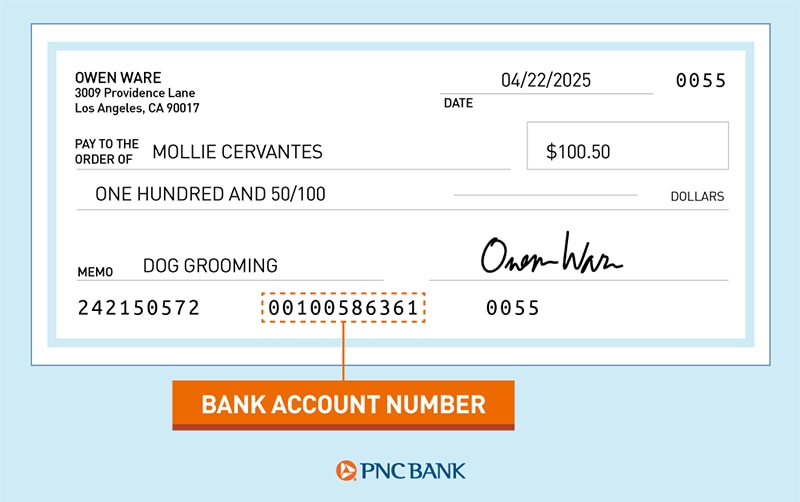
- Account Number: Identifies which specific account within that bank the money should be deposited into or withdrawn from. It’s unique to your individual account.
Both numbers are almost always required together to complete a transaction accurately. Think of the routing number as the street address and the account number as the specific apartment number within that building.
Primary Sources for Locating Your Bank Routing Number
Fortunately, finding your bank’s routing number is typically straightforward, as it’s prominently displayed on several key financial documents and platforms.
On Your Checks
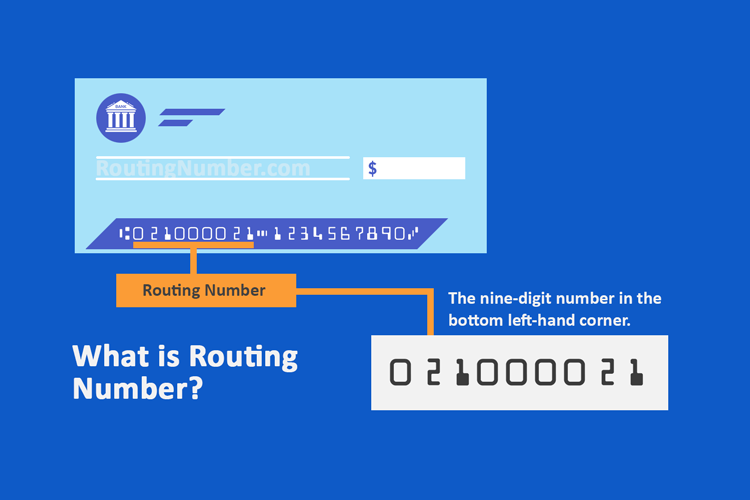
For most individuals and businesses that still use paper checks, this is the most common and reliable place to find the routing number. Look at the bottom edge of any personal or business check:
- Personal Checks: You will typically see three sets of numbers. From left to right, they are usually the routing number (nine digits), your account number, and the check number. The routing number is almost always the first set of nine digits on the bottom left.
- Business Checks: The layout is generally similar to personal checks.
It’s crucial to ensure you’re looking at a check from the correct account, especially if you have multiple accounts with the same bank or accounts with different institutions.
Through Your Online Banking Portal
In our increasingly digital world, online banking platforms offer a convenient and secure way to access your routing number.
- Website Navigation: Log in to your bank’s official website. Navigate to your specific account details. Look for sections labeled “Account Summary,” “Account Details,” “Direct Deposit Information,” or “Statements.” Most banks will display your routing number clearly on this page.
- Mobile App: Similar to the website, your bank’s mobile app will typically have a section under “Account Info” or “Direct Deposit” where you can view your routing number. Some apps might require you to tap on a specific account to see its details.
This method is particularly useful for those who don’t use paper checks or need to quickly access the number on the go. Always ensure you are on your bank’s official website or using their legitimate app to avoid phishing scams.
Bank Statements
Both paper statements mailed to your home and electronic statements (e-statements) accessible through your online banking portal will usually list your bank’s routing number.
- Locating on Statement: Review your monthly or quarterly bank statement. The routing number is often found near your account number, bank address, or in a dedicated section for “Account Information.”
While slightly less immediate than online banking, bank statements serve as a reliable physical or digital record of this crucial information.
Contacting Your Bank Directly
When all else fails, or if you prefer direct confirmation, contacting your bank is always a viable option.
- Phone Support: Call your bank’s customer service number (usually found on their website, statements, or the back of your debit card). After verifying your identity, a representative can provide you with the correct routing number for your account.
- In-Person Visit: Visiting a local branch and speaking with a teller or customer service representative is another secure way to obtain the information. Bring identification to facilitate the process.
- Secure Messaging: Many online banking platforms offer a secure messaging service, allowing you to inquire about your routing number within a protected environment.
This method ensures you receive the most accurate information directly from the source.
Alternative and Specific Situational Methods
Beyond the primary sources, there are a few other scenarios where you might encounter or need to find a routing number.
Using Bank Locator Tools Online
Several legitimate online tools can help you find a routing number, especially if you only know the bank’s name and location.
- American Bankers Association (ABA) Website: The ABA maintains a database of all routing numbers. While not directly accessible to the public for lookup, many banks link to their own routing number information, often sourced from the ABA.
- Bank’s Official Website Search: Many banks have a “Find My Routing Number” or “FAQ” section on their website, often with a search bar where you can input your state or account type to get the correct number.
Caution: Be extremely wary of third-party websites that claim to provide routing numbers without official affiliation. Always cross-reference any information obtained from unofficial sources with your bank’s official channels.
Pre-filled Direct Deposit Forms
When setting up direct deposit with an employer or a government agency (like for Social Security benefits or tax refunds), you might encounter pre-filled forms.
- Employer Provided Forms: Some employers provide direct deposit forms where your bank’s name and routing number might already be partially filled, or there will be a clear section to input it.
- Government Forms: Agencies like the IRS or Social Security Administration often have clear instructions and forms that guide you on where to find and input your bank details for electronic payments.
For Wire Transfers (Domestic vs. International)
It’s crucial to understand that the standard routing number on your checks or online banking may not always be the correct one for wire transfers.
- Domestic Wire Transfers: Some banks use a different routing number specifically for incoming wire transfers. Always confirm the correct wire transfer routing number directly with your bank before initiating or receiving a wire.
- International Wire Transfers: For international transfers, you will almost certainly need a SWIFT code (Society for Worldwide Interbank Financial Telecommunication) or BIC code (Bank Identifier Code) instead of or in addition to a standard routing number. Your bank will provide this international code, which identifies your bank globally. Never assume your standard domestic routing number will work for an international wire.
Essential Security and Best Practices When Using Routing Numbers
While routing numbers are not as sensitive as your full account number or Social Security number, they are still part of your financial identity. Responsible handling is key.
Protecting Your Financial Information
Treat your routing number with care, just as you would any other sensitive financial data.
- Be Vigilant Against Scams: Phishing attempts, where fraudsters try to trick you into revealing financial information, are common. Legitimate institutions will rarely ask for your full banking details, including routing numbers, via unsolicited emails or texts.
- Secure Online Access: Always ensure your online banking sessions are secure (look for “https://” and a padlock icon in your browser). Use strong, unique passwords and enable two-factor authentication whenever possible.
- Shred Old Documents: When disposing of old checks, statements, or any document containing your routing number, shred them to prevent information theft.
Double-Checking for Accuracy
Mistakes happen, but with banking details, they can be costly.
- Verify Before Confirming: Before submitting any form or transaction with your routing number, take a moment to double-check the digits against a reliable source (your check, online banking, or a recent statement).
- Consequences of Errors: An incorrect routing number can lead to delayed transactions, funds being sent to the wrong bank (and potentially lost), or fees for failed transactions. Correcting such errors can be a time-consuming and frustrating process.
Bank-Specific Routing Numbers
Be aware that larger banks, particularly those operating across multiple states, may have several routing numbers.
- Geographic Variations: A bank might have different routing numbers for different regions or states. The number on your check is specific to the branch where your account was opened or processed.
- Purpose-Specific Numbers: As mentioned with wire transfers, some institutions use distinct routing numbers for different types of transactions (e.g., checks, ACH, wires). Always confirm with your bank if you are unsure, especially for high-value or critical transactions.
When to Be Cautious
While sharing your routing number for legitimate purposes is necessary, exercise caution.
- Unsolicited Requests: Be suspicious of anyone asking for your routing number without a clear, verifiable reason.
- Public Display: Avoid writing your routing number in public places or sharing it on insecure platforms.
Common Misconceptions and Troubleshooting
Despite its widespread use, some aspects of routing numbers can still be confusing.
One Bank, Many Routing Numbers
It’s a common misconception that a bank has only one routing number. Large national banks, particularly, often have multiple routing numbers due to mergers, acquisitions, or simply having different processing centers for various regions or transaction types. The routing number printed on your personal checks will almost always be the correct one for typical transactions like direct deposit and bill pay for that specific account.
Lost or Stolen Checks
If your checks are lost or stolen, your routing number (and account number) could be compromised. While a routing number alone isn’t enough to drain your account, it’s a piece of the puzzle. It’s prudent to:
- Contact Your Bank: Inform them immediately about the lost or stolen checks.
- Monitor Your Account: Keep a close eye on your account activity for any suspicious transactions.
If You Don’t Have Checks
Many people no longer use paper checks. This is perfectly fine, as online banking and bank statements provide equally reliable access to your routing number. Simply refer back to the “Online Banking Portal” or “Bank Statements” sections of this guide.
Conclusion
The bank routing number is a silent workhorse of the financial system, enabling countless transactions to occur smoothly and accurately every day. Understanding what it is, why it’s important, and crucially, where to find it, is a fundamental aspect of effective personal and business financial management. By utilizing your physical checks, leveraging the power of online banking, consulting your bank statements, or directly contacting your financial institution, you can reliably access this essential nine-digit code. Always prioritize security, double-check for accuracy, and stay informed about your bank’s specific routing number policies to ensure your financial transactions are always on target.
aViewFromTheCave is a participant in the Amazon Services LLC Associates Program, an affiliate advertising program designed to provide a means for sites to earn advertising fees by advertising and linking to Amazon.com. Amazon, the Amazon logo, AmazonSupply, and the AmazonSupply logo are trademarks of Amazon.com, Inc. or its affiliates. As an Amazon Associate we earn affiliate commissions from qualifying purchases.