
For many Americans, Social Security represents a cornerstone of their financial future, a vital income stream that complements personal savings and pensions in retirement. Yet, despite its widespread importance, understanding precisely how much Social Security you’ll receive can feel like navigating a complex maze. Many factors influence your ultimate benefit amount, from your lifetime earnings to the age at which you choose to claim.
This guide aims to demystify the process, providing you with clear insights and actionable steps to accurately estimate and, potentially, maximize your Social Security benefits. Knowing what to expect allows you to plan more effectively, making informed decisions that can significantly impact your financial well-being throughout your retirement years. Empower yourself by understanding the mechanics behind this essential government program.
The Core Formula: Understanding Your Benefit Calculation
Your Social Security benefit isn’t a one-size-fits-all figure; it’s a highly personalized calculation based on specific elements of your work history and personal circumstances. Unpacking these foundational components is the first step toward grasping your potential payout.
Your Earnings History: The Foundation of Benefits
The primary determinant of your Social Security benefit is your lifetime earnings. The Social Security Administration (SSA) calculates your average indexed monthly earnings (AIME) based on your 35 highest-earning years. “Indexed” means your past wages are adjusted to reflect changes in the national average wage level over time, ensuring that older earnings have a comparable value to more recent ones. If you have fewer than 35 years of earnings, zero-income years will be factored into the average, which can reduce your overall benefit. The higher your average indexed monthly earnings, the higher your “primary insurance amount” (PIA) will be. Your PIA is the benefit you would receive if you claim at your full retirement age. This intricate process underscores the importance of consistent, documented earnings throughout your career.
Full Retirement Age (FRA) and Claiming Decisions
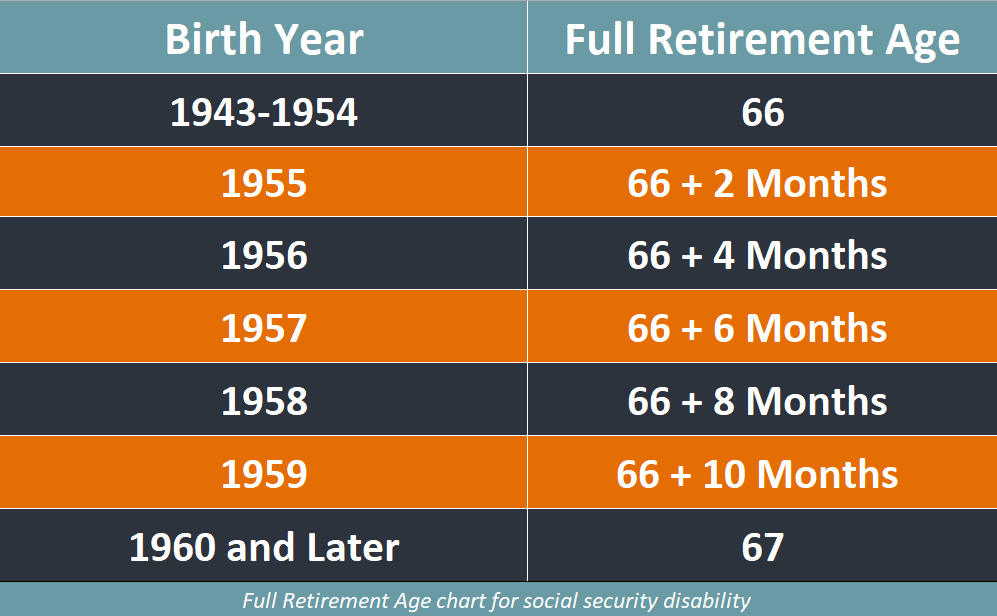
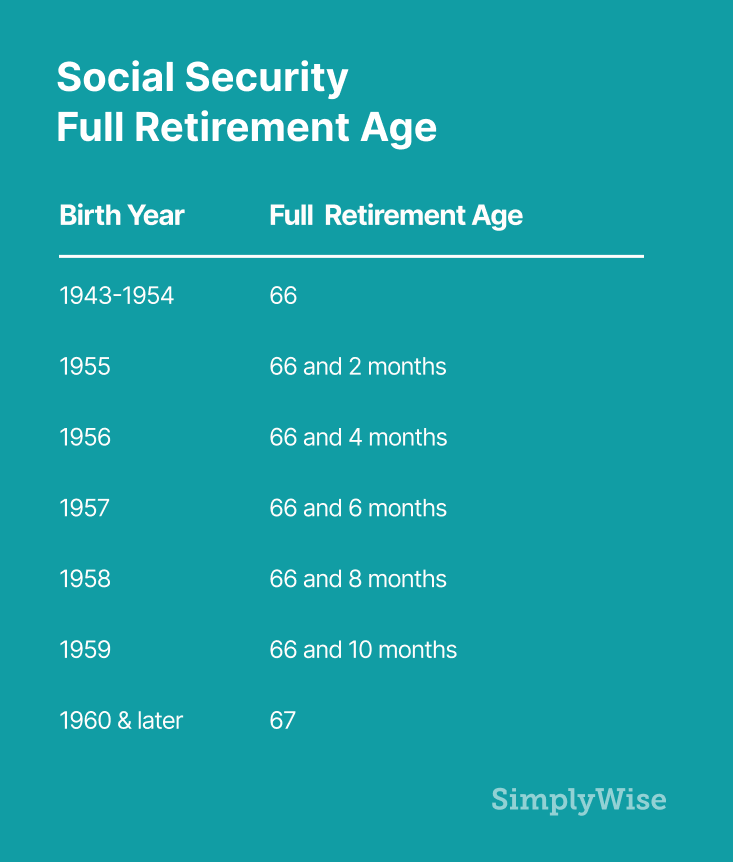
Your Full Retirement Age (FRA) is a pivotal benchmark in Social Security planning. It’s the age at which you are entitled to receive 100% of your primary insurance amount (PIA). Your FRA is determined by your birth year:
- Born 1943-1954: FRA is 66
- Born 1955: FRA is 66 and 2 months
- Born 1956: FRA is 66 and 4 months
- Born 1957: FRA is 66 and 6 months
- Born 1958: FRA is 66 and 8 months
- Born 1959: FRA is 66 and 10 months
- Born 1960 or later: FRA is 67
The age at which you choose to start receiving benefits directly impacts your monthly payment. You can claim benefits as early as age 62, but doing so will result in a permanent reduction of your monthly benefit (up to 30% for those with an FRA of 67). Conversely, delaying benefits past your FRA, up to age 70, can significantly increase your monthly payment through delayed retirement credits, boosting your benefit by 8% for each year you defer. This claiming decision is one of the most critical you’ll make regarding your Social Security income.
Accessing Your Personalized Social Security Estimates
While understanding the calculation methodology is helpful, getting a personalized estimate is crucial. The SSA provides several powerful tools to help you do just that, offering projections tailored to your unique earnings record.
Your My Social Security Online Account: The Digital Hub
The single most valuable resource for determining your Social Security benefits is your “My Social Security” online account. Creating an account (or logging in if you already have one) provides immediate access to your personalized Social Security Statement. This statement outlines your complete earnings history as recorded by the SSA, estimates your benefits at different claiming ages (early, full, and delayed retirement), and provides information on potential disability and survivor benefits. It’s essential to regularly review your earnings history for accuracy, as any discrepancies could negatively impact your future benefits. Identifying and correcting errors promptly ensures that your benefit calculations are based on a complete and correct record. This online portal empowers you with real-time access to critical financial information about your future.
Deciphering Your Annual Social Security Statement
Even if you have an online account, the annual Social Security Statement remains an important document. The SSA typically mails these statements to workers aged 60 and over who are not yet receiving benefits, or you can access it through your “My Social Security” account. This concise, personalized report details your earnings history, provides estimates of your retirement, disability, and survivor benefits, and includes important information about Medicare. Think of it as a snapshot of your Social Security standing. Pay close attention to the estimated benefit amounts at different claiming ages, as these numbers are based on your actual earnings record up to the statement date and projections for future earnings. Understanding this statement is key to building a realistic picture of your future Social Security income.
Utilizing SSA’s Online Calculators for Projections
Beyond your personalized statement, the SSA offers various online calculators that allow you to model different scenarios. These calculators are particularly useful for those who want to explore how various factors might impact their benefits. For instance, you can use the “Retirement Estimator” to see how claiming at different ages would affect your monthly payment, or how changes in your future earnings might alter your benefit. There are also specific calculators for spousal, survivor, and disability benefits. While these tools offer projections, remember they are estimates based on the information you input and the SSA’s current rules. They provide valuable guidance for planning but should be used in conjunction with your personal statement for the most accurate view.
Key Factors That Can Adjust Your Payout Amount
Beyond your earnings history and claiming age, several other factors can influence the final amount of Social Security you receive. Being aware of these elements is crucial for comprehensive financial planning.
The Impact of Working While Receiving Benefits
If you decide to claim Social Security benefits before your Full Retirement Age (FRA) and continue to work, your benefits may be temporarily reduced or withheld due to the earnings test. For 2024, if you are under FRA, the SSA will deduct $1 from your benefits for every $2 you earn above $22,320. In the year you reach your FRA, the deduction is $1 for every $3 earned above a higher limit ($59,520 in 2024), but only for earnings before the month you reach FRA. Once you reach your FRA, the earnings test no longer applies, and you can earn any amount without your Social Security benefits being reduced. Importantly, any benefits withheld due to the earnings test are not lost; your monthly benefit will be recalculated at your FRA to account for the withheld amounts, effectively increasing your future payments.
Spousal and Survivor Benefits: Expanding Your Horizons
Social Security isn’t just about your individual earnings record; it also provides benefits for spouses, ex-spouses, and survivors. A spouse can typically receive up to 50% of their partner’s primary insurance amount (PIA) if they claim at their own FRA, provided their spouse is already receiving benefits. If claiming early, this amount will be reduced. Divorced spouses may also be eligible if the marriage lasted at least 10 years and they meet other criteria. Survivor benefits are paid to eligible family members upon the death of a worker, and these can sometimes be a higher benefit than what the survivor would receive based on their own work record. Understanding these provisions is vital for married couples and those planning for the unexpected, as they can significantly impact household income.
Cost-of-Living Adjustments (COLAs) and Taxation
Once you start receiving Social Security benefits, they are generally adjusted annually to keep pace with inflation through Cost-of-Living Adjustments (COLAs). COLAs are determined by changes in the Consumer Price Index (CPI-W) and aim to maintain the purchasing power of your benefits over time. While COLAs are a positive feature, it’s also important to be aware that Social Security benefits can be subject to federal income tax. If your “provisional income” (which includes your adjusted gross income, tax-exempt interest, and 50% of your Social Security benefits) exceeds certain thresholds, up to 50% or even 85% of your benefits may be taxable. Understanding these tax implications is crucial for accurate retirement income planning and tax management.
Strategic Planning to Optimize Your Social Security
Knowing your estimated benefit is one thing; strategizing to make the most of it is another. Proactive planning can significantly enhance your financial security in retirement.
Coordinated Claiming Strategies for Couples
For married couples, Social Security claiming becomes a strategic decision, not just an individual one. The goal is often to maximize the combined lifetime benefits for both spouses. This typically involves analyzing factors such as each spouse’s earnings history, health, and anticipated longevity. A common strategy involves the higher-earning spouse delaying their benefits until age 70 to maximize their monthly payout, which then forms the basis for the survivor benefit should they pass away first. The lower-earning spouse might claim earlier, or at their FRA, to provide some income while the higher earner defers. While some advanced strategies like “file and suspend” have been phased out, thoughtful coordination remains critical. Consulting with a financial advisor specializing in Social Security can help couples navigate these complexities and identify the optimal claiming strategy for their unique situation.
Integrating Social Security into Your Comprehensive Retirement Portfolio
Social Security should be viewed as one component of your overall retirement income strategy, not the sole source. It acts as a reliable base layer, providing inflation-adjusted income for life. However, it’s typically not enough to sustain a comfortable retirement on its own. It’s crucial to integrate your estimated Social Security benefits with other retirement savings vehicles, such as 401(k)s, IRAs, pensions, and personal investments. Understand how your expected Social Security income complements withdrawals from these other accounts. For instance, if you anticipate a robust Social Security benefit, you might feel more comfortable taking slightly less risk with your personal investments. Conversely, a lower Social Security projection might prompt you to boost your personal savings efforts. A holistic approach ensures a more secure and predictable retirement.
Conclusion
Understanding how much Social Security you will get is an indispensable part of comprehensive retirement planning. It moves Social Security from a mysterious government program to a quantifiable asset within your financial portfolio. By leveraging your My Social Security online account, carefully reviewing your annual statements, and utilizing the SSA’s online calculators, you can gain a clear picture of your future benefits. Furthermore, recognizing the impact of your claiming age, considering spousal and survivor benefits, and understanding potential taxation and COLAs empowers you to make informed decisions.
Social Security is a dynamic system, and taking the time to educate yourself and strategically plan your claiming strategy can significantly impact your financial well-being throughout your retirement years. Don’t leave this critical piece of your retirement puzzle to chance; take proactive steps today to uncover your Social Security potential and build a more secure financial future.
aViewFromTheCave is a participant in the Amazon Services LLC Associates Program, an affiliate advertising program designed to provide a means for sites to earn advertising fees by advertising and linking to Amazon.com. Amazon, the Amazon logo, AmazonSupply, and the AmazonSupply logo are trademarks of Amazon.com, Inc. or its affiliates. As an Amazon Associate we earn affiliate commissions from qualifying purchases.