
Finding affordable car insurance is more than just a quest for the lowest monthly premium; it is a critical component of a comprehensive personal finance strategy. For most households, transportation is the second-largest expense after housing, and insurance premiums can consume a significant portion of that budget. However, the insurance market is notoriously opaque, with prices fluctuating based on complex algorithms, geographic shifts, and individual risk profiles. To secure the most cost-effective coverage without sacrificing protection, one must understand the mechanics of insurance pricing and leverage specific financial tactics to tilt the scales in their favor.
Decoding the Factors Behind Insurance Pricing
Before you can find the cheapest rates, you must understand how insurance companies perceive you as a financial risk. Car insurance is essentially an exercise in actuarial science—the statistical calculation of risk. Companies look at a wide array of data points to determine the likelihood that you will file a claim and how expensive that claim might be.
Personal Financial Indicators and Credit Scores
In many jurisdictions, your credit-based insurance score is one of the most powerful predictors of your premium. Statistically, individuals with higher credit scores are less likely to file claims, leading insurers to offer them significantly lower rates. From a personal finance perspective, this means that improving your credit health—by paying down revolving debt and ensuring on-time payments—is one of the most effective long-term strategies for lowering insurance costs. If your credit has improved since you last signed a policy, you are likely overpaying and should immediately seek a re-evaluation or new quotes.
Demographic and Geographic Variables
Where you live and who you are plays a massive role in your “sticker price.” Zip codes with high rates of accidents, theft, or litigation typically see higher premiums. Similarly, age and gender are traditional metrics; younger drivers generally face higher costs due to a lack of driving history and statistical risk. While you cannot change your age, understanding that these factors are at play allows you to look for insurers that specialize in your specific demographic. For example, some companies focus on providing competitive rates for mature drivers, while others use technology to offer better deals to younger drivers who demonstrate safe habits.
Vehicle Selection and Risk Profiles
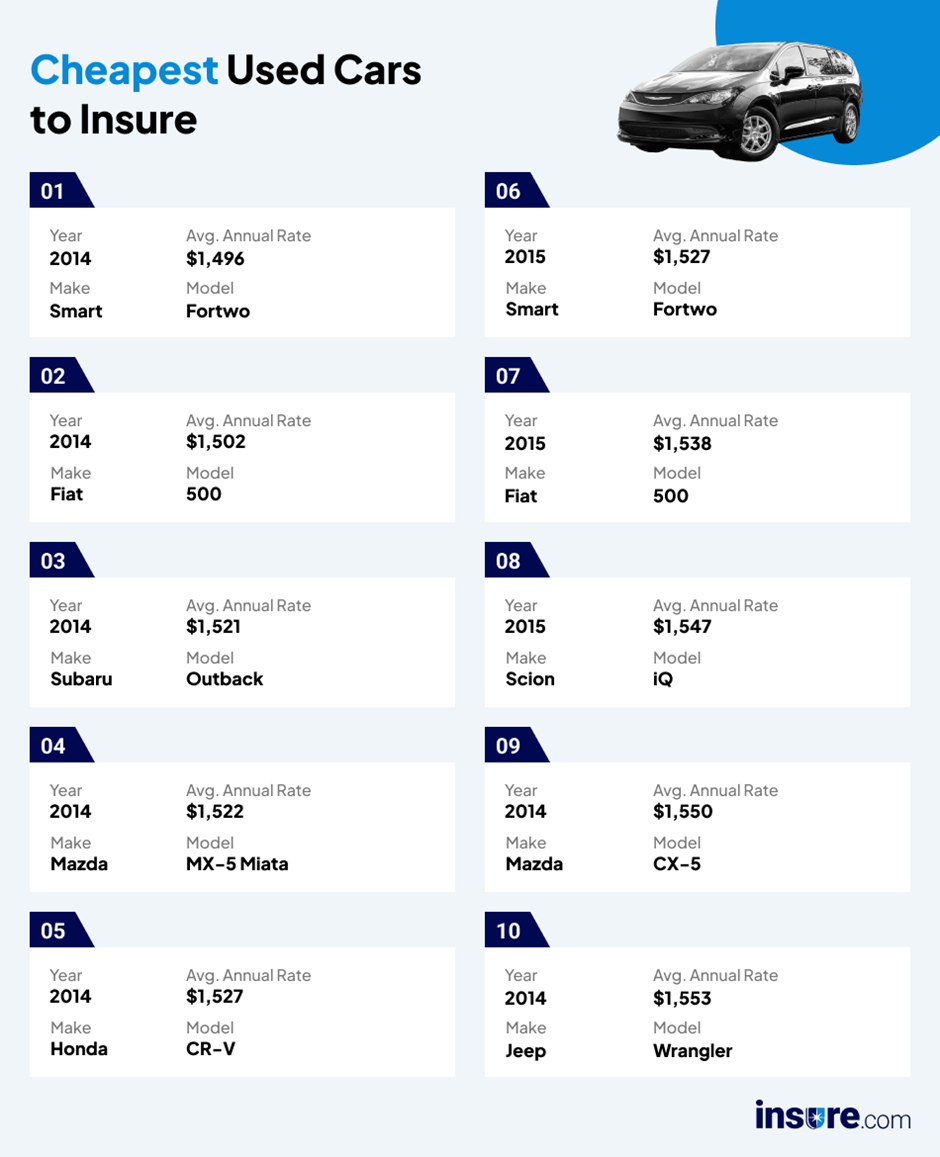
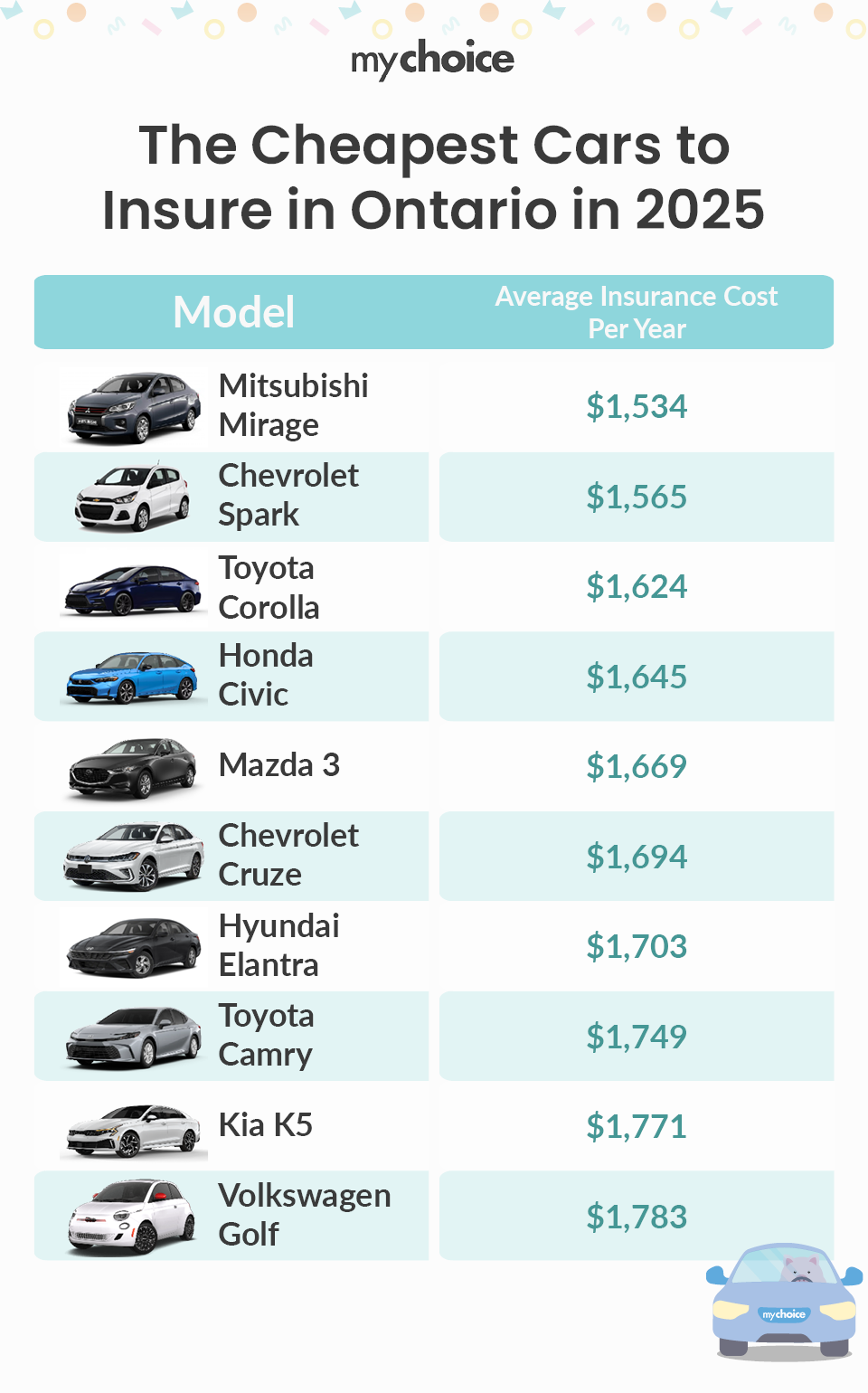
The car itself is a primary driver of cost. It is a common misconception that only “expensive” cars are expensive to insure. In reality, insurers look at repair costs, safety ratings, and the likelihood of the vehicle being stolen. A mid-sized sedan with high-end safety features may be cheaper to insure than a smaller, older vehicle that lacks modern collision-avoidance technology. Before purchasing a vehicle, it is financially prudent to run insurance quotes on the specific VIN or model to ensure that a “cheap” car purchase doesn’t result in an expensive insurance nightmare.
Strategic Comparison and Procurement Tactics
The most common mistake consumers make is “setting and forgetting” their insurance policy. The insurance market is highly competitive, and “loyalty penalties” are a real phenomenon where long-term customers are charged more than new customers because the company assumes they are unlikely to shop around.
The Power of Multi-Quote Comparisons
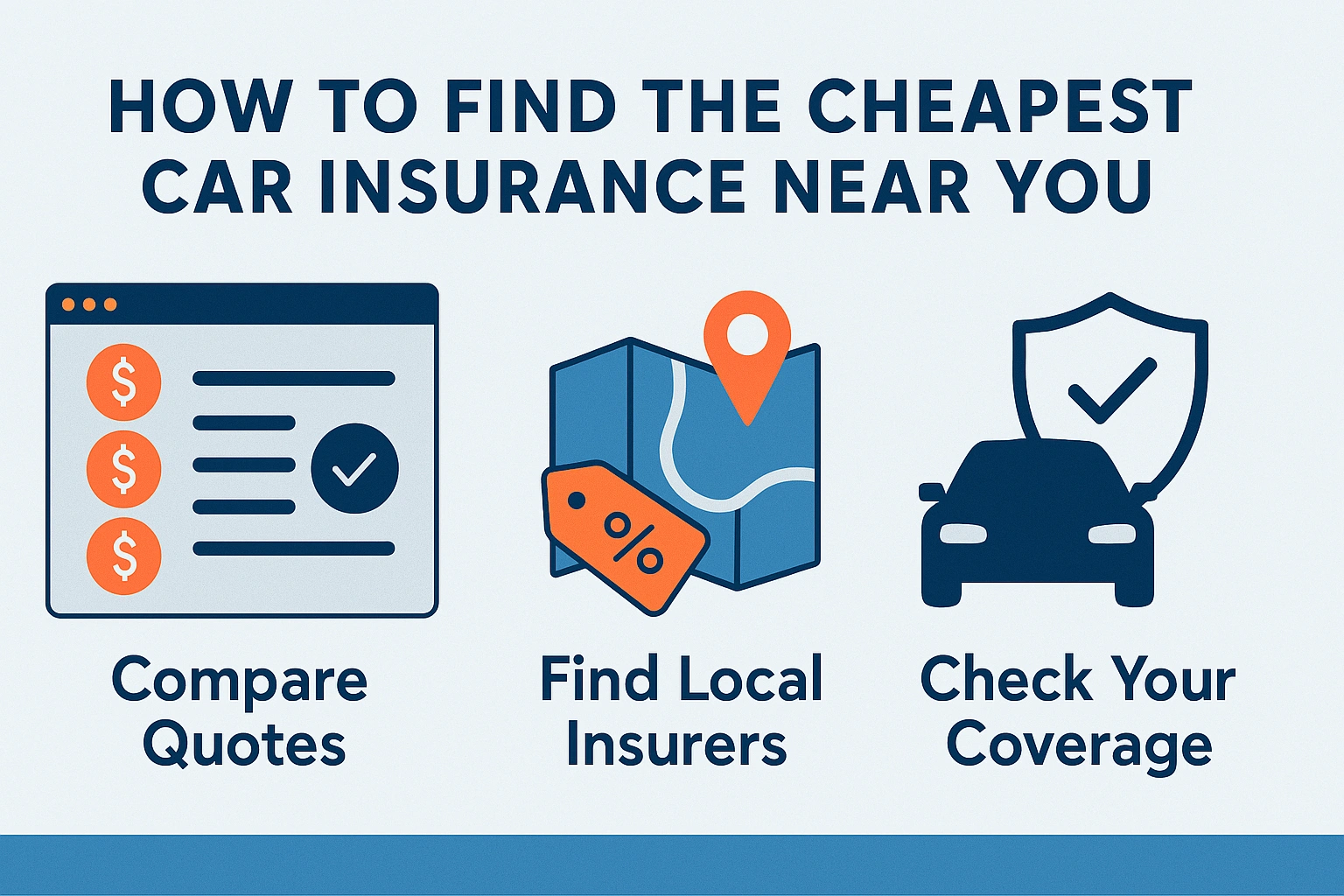
To find the cheapest car insurance, you must compare at least three to five different providers. This includes national giants, which often have the largest marketing budgets, and regional carriers, which may offer more personalized pricing for specific states or territories. Utilizing online comparison tools is a baseline requirement, but speaking with an independent insurance agent can also yield results. Unlike “captive” agents who work for one company, independent agents represent multiple carriers and can find niche discounts that are not always advertised on major web portals.
Bundling and Multi-Policy Discounts
One of the most effective ways to slash premiums is through “bundling” or multi-policy discounts. By placing your auto, homeowners, or renters insurance under one roof, you create a more valuable relationship for the insurer. Companies are often willing to offer discounts ranging from 10% to 25% across all policies to secure your entire portfolio of risk. From a wealth-management perspective, this not only saves money but also simplifies your financial life by consolidating your monthly or annual bills.
Adjusting Deductibles and Coverage Limits
A fundamental rule of insurance is that you should only insure against losses that you cannot afford to pay out of pocket. If you have a robust emergency fund, you can afford to take on a higher deductible. Increasing your deductible from $500 to $1,000 can reduce your comprehensive and collision premiums by a significant margin. However, this must be a calculated decision; the money you save on premiums should ideally be reinvested or kept in a high-yield savings account so that it is available if an accident does occur. Furthermore, if you are driving an older vehicle with a low market value, you might consider dropping collision and comprehensive coverage entirely, as the cost of the insurance may eventually exceed the potential payout in the event of a total loss.
Leveraging Modern Financial Tools and Programs
The digital transformation of the financial services industry has introduced new ways to find “cheap” insurance that didn’t exist a decade ago. These tools allow for more granular pricing based on actual behavior rather than just broad demographics.
Usage-Based Insurance (UBI) and Telematics
If you are a safe driver or someone who does not drive often, usage-based insurance (UBI) is often the fastest route to lower rates. Programs that use telematics—either via a plug-in device or a smartphone app—track your braking, acceleration, speed, and mileage. For individuals who commute via public transit or work from home, “pay-per-mile” insurance models can result in savings of 40% or more compared to traditional flat-rate policies. This aligns your insurance costs directly with your actual risk exposure, a move that is highly efficient for any budget.
Affinity Groups and Professional Discounts
Many insurers offer deep discounts to members of specific organizations. This includes alumni associations, professional organizations (such as those for teachers, engineers, or healthcare workers), and military groups. For example, USAA is consistently ranked as one of the cheapest and highest-quality providers, but it is exclusively available to military members and their families. Always check if your employer or any professional group you belong to has a “preferred provider” relationship with an insurance company. These negotiated rates are often lower than anything available to the general public.
Defensive Driving and Educational Credits
From a time-versus-money perspective, taking a certified defensive driving course can be one of the highest-ROI activities you can perform. Many states mandate that insurers provide a discount (often 5% to 10%) for three years to drivers who complete an approved safety course. These courses can often be completed online in a few hours for a nominal fee, paying for themselves many times over through the resulting premium reductions.
Maintaining Long-Term Affordability
Finding a cheap rate is only half the battle; maintaining that rate requires ongoing financial diligence and a proactive approach to risk management.
The Impact of Continuous Coverage
In the eyes of an insurer, a lapse in coverage is a major red flag. Even if you don’t own a car for a short period, maintaining a “non-owner” policy can be beneficial. Drivers who show a continuous history of being insured are viewed as more stable and responsible, which translates to lower rates when they eventually purchase a new vehicle or switch carriers. If you are looking for the cheapest insurance, ensure you never let your current policy expire before the new one is in place.
Periodic Policy Audits
Your life is not static, and your insurance shouldn’t be either. Major life events—getting married, moving house, a child moving away for college, or a change in your daily commute—all impact your risk profile. An annual audit of your insurance policies ensures that you are not paying for coverage you no longer need and that you are receiving all the discounts for which you are currently eligible. For instance, if you have recently moved your car into a garage or installed a new anti-theft system, your insurer should be notified immediately to adjust your rate.
Managing Your Driving Record as a Financial Asset
In the context of personal finance, your driving record is a financial asset. A single speeding ticket or an at-fault accident can cause your premiums to spike for three to five years. By practicing defensive driving and avoiding infractions, you protect yourself from the “hidden tax” of increased insurance premiums. If you do receive a citation, investigate whether your jurisdiction allows for “traffic school” to keep the point off your record, as the cost of the school is almost always less than the cumulative cost of increased insurance rates over several years.
Finding cheap car insurance is not a matter of luck; it is a result of meticulous research, strategic financial positioning, and the utilization of modern analytical tools. By viewing insurance as a variable expense that can be optimized—rather than a fixed cost to be endured—you can free up significant capital for other financial goals, such as investing, debt reduction, or building long-term wealth. The market is designed to reward the informed and proactive consumer; by following these steps, you ensure that you are paying the absolute minimum required to protect your assets and your future.
aViewFromTheCave is a participant in the Amazon Services LLC Associates Program, an affiliate advertising program designed to provide a means for sites to earn advertising fees by advertising and linking to Amazon.com. Amazon, the Amazon logo, AmazonSupply, and the AmazonSupply logo are trademarks of Amazon.com, Inc. or its affiliates. As an Amazon Associate we earn affiliate commissions from qualifying purchases.