
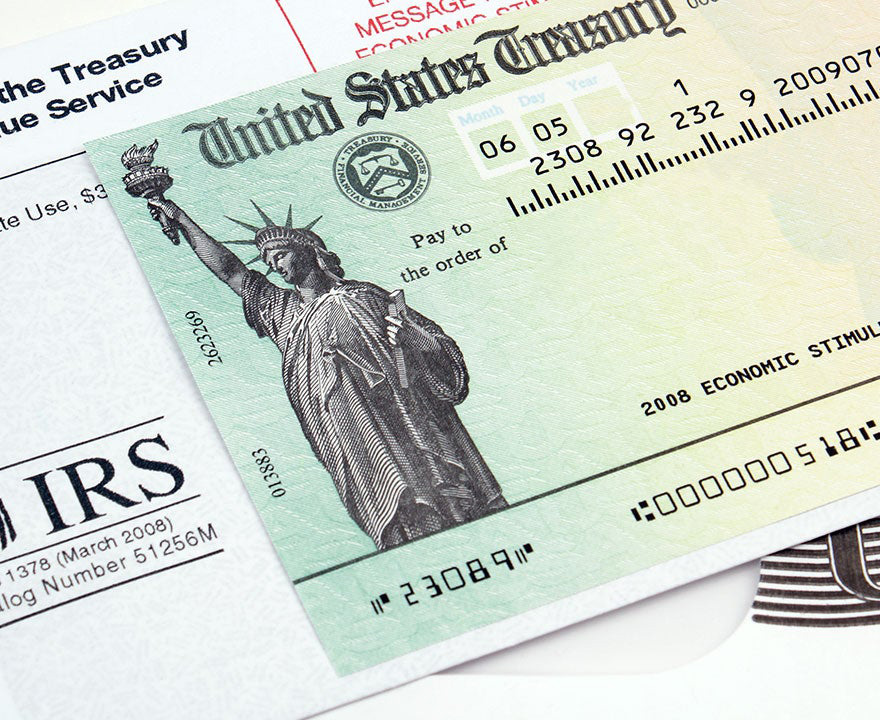
Receiving your tax refund check is often a welcome event, but knowing the most efficient and cost-effective way to cash it can be crucial. While seemingly straightforward, various options come with different benefits, fees, and requirements. Understanding these distinctions is key to maximizing your refund and avoiding unnecessary costs.
Traditional Banking Institutions: Your Safest and Most Affordable Option
For most people, a traditional bank or credit union is the ideal place to cash a tax return check. These institutions offer the highest level of security and often the lowest (or no) fees.

Your Own Bank or Credit Union
If you have an existing checking or savings account, cashing your tax return check there is typically the best route.
- No Fees: Most banks and credit unions will cash checks for their account holders without charging a fee. This ensures you receive the full amount of your refund.
- Convenience and Security: Your bank already has your information, making the process smooth. It’s also the most secure method, as the funds are deposited directly into your insured account.
- Funds Availability: Depending on your bank’s policy and your account history, funds may be available immediately or within a day or two. Some banks might place a hold on larger checks, but tax refunds from the U.S. Treasury are generally considered low-risk, speeding up availability.
- Requirements: You will need to endorse the back of the check by signing your name exactly as it appears on the front. You’ll also need a valid, government-issued photo identification (such as a driver’s license, state ID, or passport).
Cashing a Check at the Issuing Bank (Without an Account)
Even if you don’t have an account at a particular bank, you might be able to cash a tax return check if it is drawn on that bank. For example, if your tax refund check has “U.S. Treasury” printed on it, any major bank (like Chase, Bank of America, Wells Fargo, etc.) will likely be able to cash it, as these are typically drawn on the U.S. Treasury.
- Fees for Non-Account Holders: Be prepared for a fee. Banks often charge a flat fee (e.g., $5-$10) or a percentage of the check amount to cash a check for a non-customer. This covers their risk and processing costs.
- Strict Verification: Expect thorough verification. You will need strong identification, possibly two forms, and the bank will likely verify the check’s legitimacy with the Treasury. This process can take longer than cashing it at your own bank.
- Not Guaranteed: While often possible, banks are not obligated to cash checks for non-customers. Their policy might vary, especially if the check is for a very large amount.
Retailers and Check Cashing Services: Convenience with Higher Costs
For individuals who don’t have a bank account or need immediate cash and can’t wait for bank holds, various retailers and dedicated check cashing services offer an alternative. However, convenience often comes at a higher price.
Major Retail Chains with Check Cashing Services
Many large retail chains, such as Walmart, Kroger, and some grocery stores, offer check cashing services. These can be a convenient option due to their extended hours and numerous locations.
- Accessibility: Open late, on weekends, and often found in most communities, making them highly accessible.
- Lower Fees than Dedicated Services: While not free, the fees at major retailers are generally lower than those at standalone check cashing stores. Walmart, for instance, typically charges a flat fee or a small percentage, often capping the fee at a reasonable amount.
- Check Limits: Be aware that these retailers often have limits on the maximum amount of a check they will cash (e.g., $5,000 or less). If your tax refund is substantial, you might need to find another option.
- Requirements: You will need to endorse the check and present a valid government-issued photo ID. Some stores might also require you to have a loyalty card or sign up for their services.
Dedicated Check Cashing Stores
These businesses specialize in cashing checks for a fee and are often located in areas where traditional banking services are less prevalent. They cater to individuals who need immediate access to cash, regardless of banking relationships.
- Highest Fees: This is generally the most expensive option. Check cashing stores typically charge a percentage of the check’s value, which can range from 1% to 10% or even higher, plus sometimes a small flat fee. For a substantial tax refund, these fees can significantly erode the amount you receive.
- Immediate Cash: The primary benefit is instant access to cash, without any holds.
- Less Stringent Requirements: While still requiring identification and endorsement, these services might be more lenient on certain aspects compared to banks, though they still adhere to legal requirements.
- Financial Impact: Due to the high fees, using these services regularly for tax refunds or other checks can be detrimental to your personal finances over time. It’s often viewed as a last resort for those without other banking options.
Digital and Prepaid Card Solutions: Modern Alternatives
In an increasingly digital world, several tech-enabled solutions offer ways to access your tax refund, sometimes with added benefits or unique features.
Mobile Deposit via Banking Apps
If you have a smartphone and a bank account, mobile deposit is a highly convenient and usually free way to deposit your tax refund check.
- Convenience: Simply use your bank’s mobile app to take photos of the front and back of your endorsed check. You can do this from anywhere, at any time.
- Free: This service is typically free for account holders.
- Funds Availability: Similar to in-person deposits, funds availability depends on your bank’s policies. Most U.S. Treasury checks deposited via mobile are processed quickly.
- Proper Endorsement: Make sure to endorse the check correctly. Many banks require you to write “For Mobile Deposit Only” below your signature to prevent fraud.
Prepaid Debit Cards
Many prepaid debit cards offer options to deposit checks, including tax refunds. These cards can function much like a bank account for spending purposes, even if you don’t have a traditional checking account.
- Direct Deposit: The most efficient way to use a prepaid card for your tax refund is to have the IRS directly deposit your refund onto the card when you file your taxes. This is often free and the fastest way to get your funds.
- Mobile Check Deposit to Card: Some prepaid card providers (e.g., Netspend, Chime, Green Dot) offer mobile check deposit features through their apps. This often involves taking a photo of your check, similar to a bank app. Be aware that these services may come with fees, and the processing time for funds to become available can vary, sometimes taking several days.
- Card Fees: While a prepaid card can be a useful financial tool, be mindful of potential fees, including activation fees, monthly maintenance fees, ATM withdrawal fees, and transaction fees.
Peer-to-Peer Payment Apps
Some peer-to-peer (P2P) payment apps, like PayPal and Cash App, have expanded their services to include mobile check deposit features.
- Niche Service: While primarily used for sending and receiving money between individuals, their check-cashing features are growing.
- Fees and Speed: These services often charge a fee for instant access to funds (e.g., 1% to 5% of the check amount), with a free option that takes several days.
- Requirements: You’ll typically need to have a verified account and link a debit card or bank account.
Essential Considerations Before Cashing Your Check
Regardless of where you choose to cash your tax refund check, a few universal best practices will help ensure a smooth, secure, and financially sound transaction.
Proper Endorsement and Identification
- Sign It Correctly: Always sign the back of your check exactly as your name appears on the front. If there’s a discrepancy (e.g., a maiden name vs. married name), consult your bank for guidance on how to endorse it properly, possibly requiring both signatures.
- Wait to Sign: Never sign your check until you are physically at the institution where you intend to cash or deposit it. An unendorsed check is harder for a thief to cash if lost or stolen.
- Valid ID is Paramount: Always bring a current, government-issued photo identification. Most places will require at least one, and some may ask for a second form of ID for verification purposes.
Understanding Fees and Limits
- Always Ask: Before handing over your check, ask explicitly about any fees associated with cashing it. This is especially critical at check cashing services or if you’re a non-customer at a bank.
- Calculate the Net Amount: Subtract any fees from your refund amount to understand the true value you will receive. This helps you compare options and choose the most cost-effective one.
- Be Aware of Limits: Some retailers and check cashing services have daily or per-transaction limits on how much they will cash. Ensure your refund falls within these limits.
Security and Fraud Prevention
- Keep It Safe: Treat your tax refund check like cash. Keep it in a secure location until you are ready to cash or deposit it.
- Be Wary of Offers: Never trust individuals or informal services offering to cash your check for a small fee, especially those outside of established financial institutions. These are often scams.
- Lost or Stolen Checks: If your tax refund check is lost or stolen, contact the IRS immediately (IRS Taxpayer Assistance: 1-800-829-1040) to report it and initiate a trace or request a replacement.
Optimizing Future Tax Returns: The Benefits of Direct Deposit
For future tax refunds, consider opting for direct deposit. It is by far the most secure, fastest, and most cost-effective method to receive your refund.
The Benefits of Direct Deposit
- Safety: Eliminates the risk of a physical check being lost, stolen, or damaged in the mail.
- Speed: Refunds deposited directly into your bank account are typically available much faster than paper checks, often within 8-14 days of the IRS processing your return.
- No Fees: There are no check-cashing fees when your refund is directly deposited. You receive the full amount you are owed.
- Convenience: The money is automatically in your account, ready for use without any trip to a bank or store.

How to Set Up Direct Deposit
When filing your tax return (whether through tax software, a tax professional, or on paper), you will be asked to provide your bank’s routing number and your account number. You can even split your refund into multiple accounts if desired. This simple step ensures a hassle-free experience for years to come, making the question “where can I cash my tax return check?” a relic of the past.
aViewFromTheCave is a participant in the Amazon Services LLC Associates Program, an affiliate advertising program designed to provide a means for sites to earn advertising fees by advertising and linking to Amazon.com. Amazon, the Amazon logo, AmazonSupply, and the AmazonSupply logo are trademarks of Amazon.com, Inc. or its affiliates. As an Amazon Associate we earn affiliate commissions from qualifying purchases.