
The allure of building an online business is more potent today than ever before. With the digital landscape providing unprecedented access to global markets and diverse income streams, aspiring entrepreneurs are increasingly asking, “How do I start my own online business?” This isn’t just a question about technology or branding; at its core, it’s a fundamental inquiry into creating financial independence, generating sustainable income, and building wealth. Understanding the monetary aspects – from initial investment to profit generation and scaling – is paramount to transforming an idea into a thriving digital enterprise. This guide will navigate the financial landscape of online entrepreneurship, providing a clear roadmap to establishing and growing your digital income.
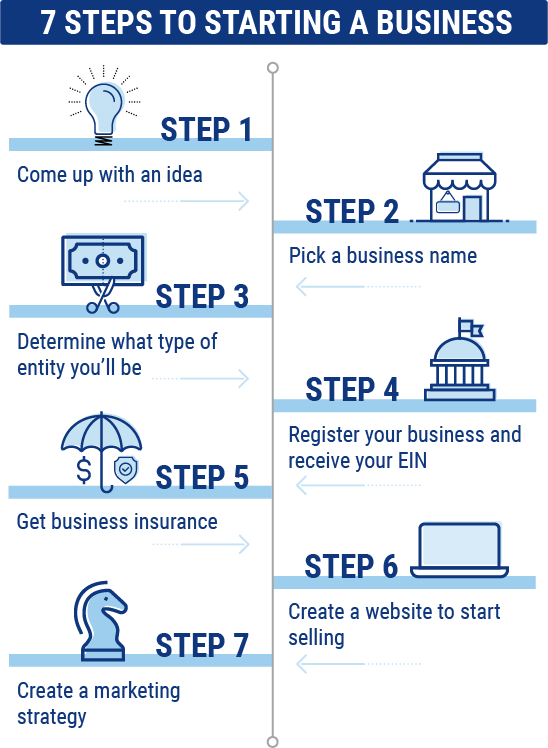
Laying the Financial Foundation: Mindset and Initial Planning
Before diving into business ideas or marketing strategies, a robust financial mindset and clear initial planning are essential. An online business, despite its lower overhead compared to traditional ventures, still requires shrewd financial thinking from day one.
Shifting Your Financial Mindset for Entrepreneurship
Transitioning from an employee mindset to that of a business owner involves a significant psychological shift regarding money. As an employee, income is typically fixed and stable, with risks primarily shouldered by the employer. As an entrepreneur, you become directly responsible for generating revenue, managing expenses, and accepting financial uncertainty. This requires cultivating resilience, a tolerance for calculated risk, and a long-term financial vision. It’s about understanding that initial investments might not yield immediate returns, and patience coupled with persistent effort is a financial asset in itself. Embracing continuous learning about financial management and market dynamics is crucial for sustainable growth.
Assessing Your Capital and Funding Needs
One of the first practical financial steps is to honestly assess how much capital you have, or need, to start. While many online businesses boast “low startup costs,” very few require no investment. Consider the costs of:
- Website/Platform: Domain registration, hosting, e-commerce platform subscriptions (Shopify, WooCommerce), or website builder fees.
- Tools & Software: Email marketing services, accounting software, project management tools, graphic design subscriptions.
- Product/Service Development: Inventory if selling physical goods, content creation costs for digital products, or initial marketing spend for service-based businesses.
- Legal & Administrative: Business registration fees, legal advice, initial accounting setup.
Can you bootstrap your business using personal savings, or will you need external funding? Options range from personal loans, business grants, or even small business loans, each with its own financial implications. Understanding your break-even point – the sales volume needed to cover all your costs – is a critical early calculation.
Crafting a Basic Business Plan with a Financial Lens
Even a simple business plan should have a strong financial section. This isn’t just for investors; it’s for your clarity. Key financial components include:
- Revenue Models: How will you make money? (e.g., direct sales, subscriptions, advertising, affiliate commissions, service fees).
- Pricing Strategy: How will you price your products or services to cover costs and generate profit, while remaining competitive?
- Financial Projections: Realistic forecasts for sales, expenses, and profitability for the first 1-3 years. This helps in budgeting and measuring performance.
- Cash Flow Analysis: Understanding when money comes in and goes out to avoid liquidity issues.
This initial planning provides a financial roadmap, guiding your decisions and allowing you to track your monetary progress against set goals.
Identifying Profitable Online Niches and Business Models
The internet offers an expansive marketplace, but profitability hinges on strategically selecting a niche and a viable business model. This requires combining market demand with a sound financial strategy.
Researching High-Demand, Low-Cost Niches
A successful online business often starts with identifying a specific problem that a defined group of people is willing to pay to solve. High-demand niches mean more potential customers, while low-cost niches minimize initial financial risk. Consider:
- Market Gaps: Are there underserved segments with specific needs?
- Evergreen Problems: Problems that consistently exist (e.g., health, wealth, relationships, personal development).
- Passion Meets Profit: While passion is great, ensure there’s a paying audience. Can you monetize your expertise or interests?
Tools like Google Trends, keyword research platforms (Ahrefs, SEMrush), and competitor analysis can reveal market interest and potential profitability. Focus on niches where your unique value proposition can stand out and attract paying customers.
Exploring Diverse Online Income Streams
The beauty of online business is the sheer variety of ways to generate income. Each model has different financial requirements and profit margins:
- E-commerce (Physical Products):
- Drop-shipping: Low initial inventory cost as you don’t hold stock, but smaller profit margins and reliance on suppliers.
- Print-on-Demand: Similar to drop-shipping, minimal upfront cost, focus on design and marketing.
- Handmade Goods: Higher control, potentially higher margins, but inventory and production time are factors.
- Private Labeling/White Labeling: Sourcing existing products and branding them as your own, requiring some inventory investment.
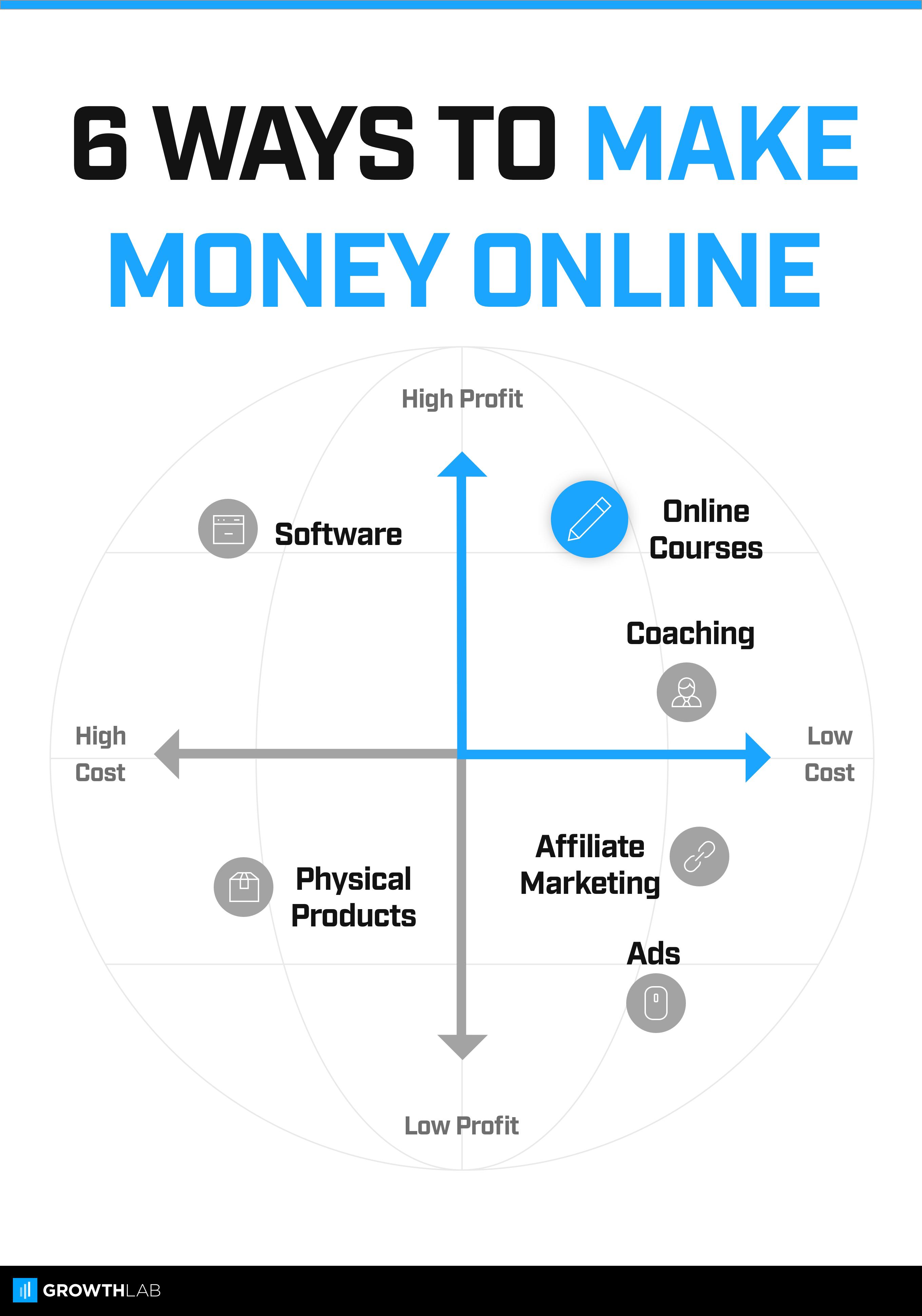
- Digital Products: High-profit margins once created, as replication costs are minimal. Examples include e-books, online courses, templates, software-as-a-service (SaaS), and stock photography/videos. Initial investment is primarily time and expertise.
- Service-Based Businesses: Leveraging your skills directly. This includes freelancing (writing, graphic design, web development, virtual assistance), consulting, or coaching. Minimal startup costs, often just a portfolio and outreach. Your time is your inventory.
- Affiliate Marketing & Content Monetization: Earning commissions by promoting others’ products (affiliate marketing) or generating revenue through advertising on blogs, YouTube channels, or podcasts. Requires building an audience, which can be a slow initial process with low immediate financial return but significant long-term potential.
Validating Your Business Idea for Financial Viability
Before investing significant time or money, validate your idea. This means proving there’s a genuine demand and that people are willing to pay.
- Market Research: Talk to potential customers, run surveys, analyze competitor offerings and pricing.
- Minimum Viable Product (MVP): Create the simplest version of your product or service to test with a small group of early adopters. This allows for feedback and proof of concept without extensive financial outlay.
- Pre-sales/Pilot Programs: Gauge interest by offering a limited-time pre-sale or a pilot version of your service at a reduced rate. This generates early cash flow and validation.
- Competitor Analysis: Understand what your competitors are charging, their value proposition, and how you can differentiate yours to command your desired price point.
Financial viability is not just about making sales, but making profitable sales that cover your costs and contribute to your desired income.
Setting Up Your Online Business for Financial Success
Once your idea is validated and your financial plan is taking shape, the next step is to formally establish your business and put the right financial infrastructure in place.
Legal and Financial Structuring
Choosing the correct legal structure is crucial for tax purposes, liability protection, and potential future growth. Common options for online businesses include:
- Sole Proprietorship: Simplest, lowest cost, but no legal distinction between you and your business (personal assets at risk). Taxes are straightforward.
- Limited Liability Company (LLC): Offers personal liability protection, more credible, and flexible taxation options. Higher setup and ongoing costs.
- Partnership: If you have co-founders, this defines financial responsibilities and profit-sharing.
Consult with an accountant or legal professional to understand the tax implications and compliance requirements for your chosen structure in your jurisdiction. Registering your business and obtaining necessary licenses or permits are critical steps that prevent future financial penalties.
Essential Financial Tools and Systems
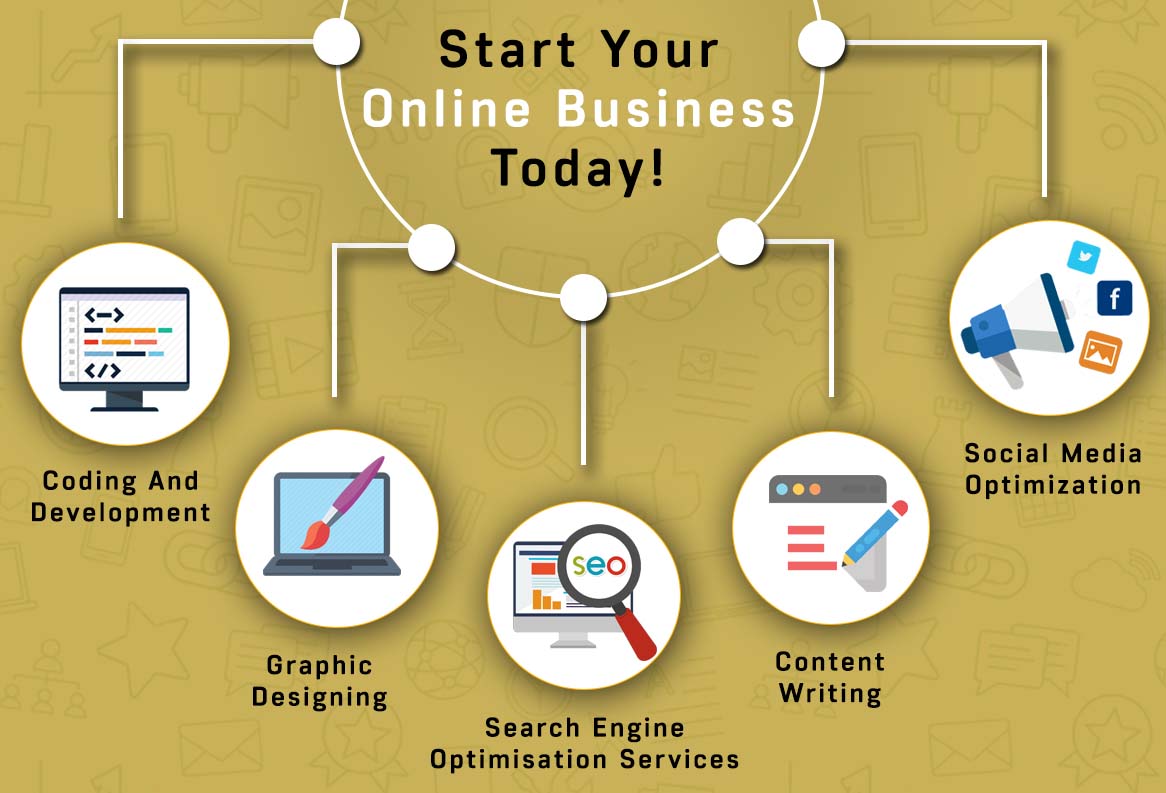
Efficient financial management is the backbone of a profitable online business. Invest in tools that streamline processes and provide clear financial insights:
- Online Banking: Separate business bank accounts are non-negotiable for clarity, tax purposes, and professionalism.
- Accounting Software: Tools like QuickBooks Online, Xero, or FreshBooks automate bookkeeping, track income and expenses, generate financial reports, and simplify tax preparation. This investment pays dividends in time saved and accuracy.
- Payment Processors: Securely accept payments from customers via platforms like Stripe, PayPal, Square, or specific e-commerce gateways. Understand their fees and payout schedules, as these directly impact your cash flow.
- Budgeting & Expense Tracking: Dedicated software or even simple spreadsheets can help you monitor spending, categorize expenses, and adhere to your budget.
Setting these systems up early ensures that you have accurate financial data to make informed decisions and remain compliant.
Pricing Your Products/Services for Profitability
Pricing isn’t just about covering costs; it’s about reflecting value and generating profit.
- Value-Based Pricing: Pricing based on the perceived value your product or service delivers to the customer, rather than just your costs. This often allows for higher margins.
- Cost-Plus Pricing: Calculating all your costs (fixed and variable) and adding a desired profit margin. Simple, but might not capture market value.
- Competitive Analysis: Understanding what competitors charge for similar offerings. Don’t just match; differentiate based on value.
- Understanding Profit Margins: For physical products, analyze the cost of goods sold (COGS) vs. selling price. For services, track billable hours vs. desired hourly rate. Constantly review and adjust pricing to optimize profitability.
Your pricing strategy directly impacts your revenue potential and, ultimately, your financial success.
Growing and Scaling Your Online Income
Once your online business is generating consistent income, the focus shifts to strategic growth and scaling to maximize your financial returns.
Strategic Marketing and Sales for Revenue Generation
Effective marketing isn’t just about getting eyeballs; it’s about attracting paying customers cost-effectively.
- Return on Investment (ROI) Driven Marketing: Every marketing dollar spent should be scrutinized for its potential to generate revenue. Track metrics like customer acquisition cost (CAC) and customer lifetime value (CLTV).
- Conversion Optimization: Focus on turning website visitors into paying customers. This involves optimizing landing pages, sales funnels, and calls to action. Even small improvements in conversion rates can significantly impact revenue.
- Targeted Sales Funnels: Design clear pathways that guide potential customers from awareness to purchase. This could involve free content, lead magnets, low-cost initial offers, and then your core products/services.
Invest in marketing channels that provide the best financial return for your specific niche, whether that’s social media ads, search engine optimization (SEO), content marketing, or email marketing.
Diversifying Income Streams and Scaling Operations
Relying on a single income stream can be risky. As your business matures, consider diversification:
- Expanding Product Lines: If you sell digital courses, perhaps add templates, coaching, or an exclusive community. If you sell physical products, introduce complementary items.
- Offering Higher-Tier Services: Introduce premium packages, VIP coaching, or exclusive access that commands a higher price point.
- Automating Processes: Use software and tools to automate repetitive tasks (e.g., email sequences, order fulfillment, customer service responses). Automation frees up your time, which is money, allowing you to focus on higher-value activities.
- Building a Team: Delegating tasks to virtual assistants, freelancers, or employees can scale your output and revenue, but requires careful financial planning for payroll and overhead.
Scaling responsibly means investing in areas that will generate exponential returns, not just linear growth.
Reinvesting Profits for Sustainable Growth
A common pitfall for new business owners is taking all profits out of the business too soon. Strategic reinvestment is key to sustainable, long-term growth.
- Product/Service Development: Reinvest in creating new offerings or improving existing ones based on market feedback.
- Marketing & Sales: Allocate funds to scale successful marketing campaigns or explore new channels.
- Technology & Infrastructure: Upgrade your website, software, or backend systems to handle increased demand and improve efficiency.
- Team Expansion: Hiring the right talent can unlock new growth potential.
- Financial Buffer: Maintain a healthy cash reserve to weather lean periods or capitalize on unexpected opportunities.
Understanding when and where to reinvest for maximum financial return requires constant analysis of your business’s performance and market trends.
Navigating Financial Challenges and Ensuring Longevity
The journey of an online entrepreneur is rarely a straight line of upward financial growth. There will be challenges, and effectively navigating them is crucial for your business’s longevity and financial health.
Budgeting and Expense Management
Consistent budgeting and diligent expense management are non-negotiable.
- Track Everything: Maintain meticulous records of all income and outflows. Categorize expenses accurately for tax purposes and to identify spending patterns.
- Identify Unnecessary Costs: Regularly review your subscriptions, software, and services. Are you using everything you pay for? Can you negotiate better rates?
- Create a Buffer: Aim to have at least 3-6 months of operating expenses saved in a business account. This financial cushion provides stability during slow periods or unexpected events.
Lean operations mean more profit. Every dollar saved on expenses is a dollar added to your bottom line.
Managing Cash Flow and Financial Forecasting
Cash flow is the lifeblood of any business. You can be profitable on paper but still run into trouble if you don’t have enough cash on hand to meet immediate obligations.
- Monitor Invoices and Payments: Ensure timely collection of payments from clients and customers.
- Manage Payment Terms: If offering services, set clear payment terms. For products, understand payment gateway payout schedules.
- Financial Forecasting: Regularly project your future income and expenses. This helps you anticipate potential cash shortages or surpluses, allowing you to plan proactively.
- Seasonal Adjustments: Understand if your business has seasonal fluctuations and plan your finances accordingly, building reserves during peak times to cover slower periods.
Effective cash flow management prevents financial crises and allows you to seize opportunities.
Seeking Financial Mentorship and Continuous Learning
You don’t have to be a financial expert to start an online business, but you do need to become financially literate.
- Professional Advisors: Don’t hesitate to consult with accountants, bookkeepers, or financial advisors, especially during tax season or when making significant financial decisions (e.g., forming an LLC, securing a loan). Their expertise can save you money and headaches in the long run.
- Continuous Learning: Stay updated on financial best practices, tax laws, and market trends relevant to your industry. Read books, take courses, and join communities where financial knowledge is shared.
- Analyze Performance: Regularly review your financial statements (profit and loss, balance sheet, cash flow statement) to understand your business’s financial health and identify areas for improvement.
Starting your own online business is a powerful step towards financial empowerment. By embracing a strategic financial mindset, meticulously planning, optimizing your income streams, and diligently managing your resources, you can not only launch your digital venture but also cultivate a robust and sustainable source of income for years to come. The journey requires dedication and continuous learning, but the rewards of building your own financial future are immeasurable.
aViewFromTheCave is a participant in the Amazon Services LLC Associates Program, an affiliate advertising program designed to provide a means for sites to earn advertising fees by advertising and linking to Amazon.com. Amazon, the Amazon logo, AmazonSupply, and the AmazonSupply logo are trademarks of Amazon.com, Inc. or its affiliates. As an Amazon Associate we earn affiliate commissions from qualifying purchases.