
The digital age has revolutionized nearly every aspect of consumerism, and the automotive industry is no exception. Gone are the days when buying a used car was exclusively a weekend expedition involving multiple dealership visits and high-pressure sales tactics. Today, a vast and vibrant online marketplace offers unparalleled access to a diverse inventory of used vehicles, often at competitive prices and with greater transparency. For the financially savvy consumer, leveraging these online platforms can lead to significant savings and a more informed purchasing decision. This guide explores the best avenues for buying used cars online, emphasizing the financial considerations and smart strategies to ensure a successful, cost-effective acquisition.
The Financial Advantages of Online Used Car Purchases
Choosing to buy a used car online isn’t just about convenience; it often translates into tangible financial benefits. The expanded reach and streamlined processes of online platforms contribute to a more economical and transparent buying experience.
Cost Savings and Depreciation Avoidance
One of the primary financial drivers for buying a used car, whether online or offline, is the significant depreciation new cars experience in their first few years. By opting for a used vehicle, buyers effectively sidestep this steep initial drop in value, retaining more of their investment over time. Online platforms amplify this advantage by aggregating inventory from various sources—private sellers, small dealerships, and large chains—creating a competitive environment that often drives prices down. Furthermore, the ability to filter by budget and easily compare similar models across different sellers allows consumers to pinpoint vehicles that offer the best value for their money, often finding gems below market averages.
Expanded Market for Better Deals
Geographic limitations once dictated the available selection and price points for used cars. Online marketplaces, however, erase these boundaries. Buyers are no longer restricted to vehicles within a certain radius but can browse inventories from across the country. This expanded market dramatically increases the likelihood of finding a specific make and model at a price point that aligns perfectly with one’s financial plan. For instance, a particular vehicle might be in higher demand and thus pricier in one region, but readily available and more affordable in another. Online buying allows buyers to tap into these regional price discrepancies, potentially saving thousands on their purchase.
Transparent Pricing and Negotiation Leverage
Many online used car retailers, especially dedicated e-commerce platforms, operate with a fixed-price model, eliminating the traditional haggle that many buyers find stressful and potentially financially disadvantageous. While this might seem to remove negotiation, it actually provides a transparent and upfront cost, allowing for easier budgeting. For platforms that do allow negotiation (like peer-to-peer sites or dealer aggregators), the wealth of information available online—from market value guides to comparable listings—empowers buyers with strong leverage. Armed with data, buyers can confidently counter offers or walk away from deals that don’t meet their financial expectations, ensuring they pay a fair market price.
Top Online Marketplaces for Value and Convenience
The landscape of online used car sales is diverse, ranging from dedicated e-commerce sites offering full-service experiences to vast aggregators connecting buyers with local sellers. Each type of platform presents unique financial considerations and advantages.
Dedicated Online Retailers (Carvana, Vroom, Shift)
These platforms represent the vanguard of online car buying. Companies like Carvana, Vroom, and Shift offer a complete end-to-end online experience, from browsing and financing to delivery directly to your driveway.
-
Financial Benefits: They often provide transparent, no-haggle pricing, simplifying the budgeting process. Many offer their own financing options, which can be convenient, but buyers should always compare these rates with external pre-approvals. They typically include a short money-back guarantee period (e.g., 7 days), offering a crucial financial safety net against buyer’s remorse or hidden issues.
-
Considerations: While convenient, the prices on these platforms can sometimes be slightly higher than those found on peer-to-peer sites, reflecting the added value of inspection, reconditioning, and delivery services. Buyers should factor delivery fees into their total cost.
Large Aggregators and Dealership Portals (Autotrader, Cars.com, CarGurus)
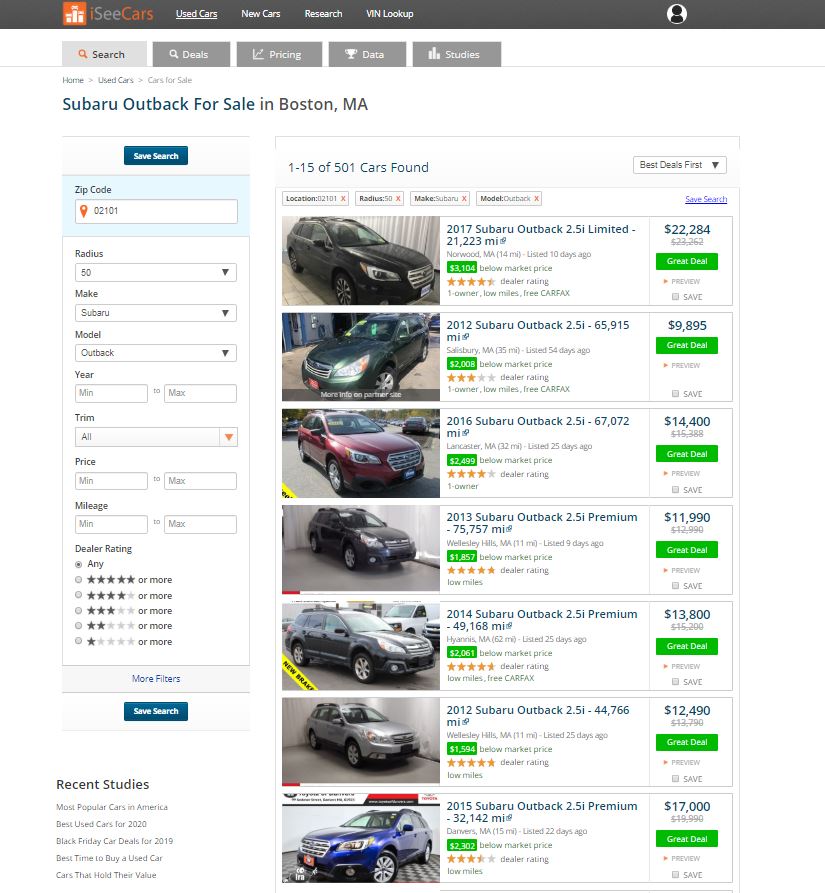
These sites act as comprehensive search engines, pulling listings from thousands of dealerships and private sellers across the country. They don’t sell cars directly but connect buyers with a massive inventory.
-
Financial Benefits: The sheer volume of listings provides an unparalleled ability to compare prices for similar vehicles, helping buyers identify the best deals. Tools like CarGurus’ “Good Deal/Great Deal” ratings provide instant market value analysis, empowering buyers to make financially sound decisions. These platforms are excellent for finding local deals and often lead buyers to traditional dealerships where financing options can be explored in person, potentially allowing for more negotiation on the final price or trade-in value.
-
Considerations: While these sites provide vast options, the buyer is still interacting with individual sellers or dealerships, meaning the experience can vary. It’s crucial to verify financing details, warranty information, and dealership reputations independently.
Peer-to-Peer Platforms (Facebook Marketplace, Craigslist, eBay Motors)
For the most adventurous and financially motivated buyers, peer-to-peer (P2P) platforms offer direct access to private sellers.
-
Financial Benefits: Vehicles sold directly by owners often come with the lowest prices, as there are no dealership overheads or markups. This can represent significant savings for buyers willing to put in the extra effort. Negotiation is typically expected, providing an opportunity to further reduce the purchase price.
-
Considerations: This category carries the highest risk. There are no dealer inspections or guarantees, making thorough due diligence paramount. Buyers are responsible for arranging secure payments, verifying ownership, and handling title transfers directly. While the potential for savings is high, so is the potential for unexpected repair costs if a vehicle’s condition is not properly assessed.
Essential Financial Due Diligence for Online Car Buyers
Regardless of the platform chosen, robust financial due diligence is non-negotiable when buying a used car online. These steps protect your investment and prevent costly surprises down the road.
Budgeting and Pre-Approval for Financing
Before even browsing, establish a clear budget that includes not just the purchase price but also sales tax, registration fees, insurance, and potential maintenance costs. If you plan to finance, secure a loan pre-approval from a bank or credit union before engaging with sellers. This accomplishes several financial goals:
-
It clarifies your true buying power, preventing you from overspending.
-
It provides a benchmark interest rate against which you can compare any financing offers from online retailers or dealerships.
-
It strengthens your position as a serious buyer, especially on P2P platforms.
Vehicle History Reports (CarFax, AutoCheck)
For any used car under consideration, a comprehensive vehicle history report is a wise financial investment (typically $25-$50). Services like CarFax and AutoCheck provide critical information about a car’s past, including:
-
Accident history: Reveals major collisions that could indicate hidden structural damage and future repair costs.
-
Salvage titles: Identifies vehicles declared a total loss by an insurance company, which are often difficult to insure and have significantly reduced value.
-
Flood damage: Crucial for avoiding cars with potentially catastrophic electrical and mechanical issues.
-
Odometer discrepancies: Protects against odometer fraud, a costly deception.
-
Maintenance records: Offers insight into how well the previous owner maintained the vehicle, predicting future reliability.
Avoiding a problematic car through a history report can save thousands in future repairs and depreciation.
Independent Pre-Purchase Inspections
This is arguably the most critical financial safeguard when buying a used car online, especially from private sellers or non-certified dealerships. Arrange for an independent mechanic (one you trust, not one recommended by the seller) to perform a pre-purchase inspection (PPI). For a nominal fee (typically $100-$200), a mechanic can uncover existing mechanical issues, safety concerns, or signs of impending problems that a casual visual inspection might miss.
- Financial Impact: A PPI can either confirm the vehicle’s soundness, giving you peace of mind, or reveal significant flaws that allow you to negotiate a lower price, request repairs, or walk away from a potentially disastrous purchase. The cost of a PPI pales in comparison to the expense of major unforeseen repairs. Many online retailers offer a return period, but a PPI can confirm suitability before that period ends.
Understanding Warranties and Return Policies
Clarify any warranty information before purchase. Certified Pre-Owned (CPO) vehicles from dealerships often come with extended warranties, which provide valuable financial protection against unexpected repairs. Online retailers like Carvana also often include limited warranties. For private sales, “as-is” is the standard, meaning you bear all future repair costs. Always understand the return policy, if one exists. A short return window (e.g., 7 days/400 miles) offers a crucial opportunity to identify any major issues after purchase, providing a financial safety net.
Navigating Payment and Delivery
The final stages of an online car purchase involve financial transactions and logistical arrangements, each requiring careful attention to avoid pitfalls.
Secure Payment Methods
When dealing with online retailers, credit cards for deposits and secure electronic transfers for the balance are common. For peer-to-peer transactions, exercise extreme caution. Never pay with gift cards, wire transfers, or instant payment apps like Zelle or Venmo for the full amount, as these offer no buyer protection. Opt for a cashier’s check or a secure escrow service, or conduct the transaction at a bank to ensure funds are legitimate and title changes hands smoothly. Protecting your funds from fraud is paramount.
Delivery Logistics and Costs
If buying from an out-of-state online retailer, factor in delivery fees, which can range from a few hundred to over a thousand dollars depending on distance. Some platforms offer free delivery within a certain radius. For private sales, you’ll need to arrange pick-up or transport yourself. These logistical costs directly impact the total financial outlay for your vehicle.

Title and Registration Process
Understand who is responsible for handling the title transfer and registration. Online retailers typically handle much of the paperwork for you, sometimes charging a documentation fee. For private sales, you and the seller are responsible for completing the title transfer at your local Department of Motor Vehicles (DMV) or equivalent agency. Be prepared for sales tax and registration fees, which are state-specific and can add hundreds or thousands to your total cost. Ensure you receive a clear title free of liens before completing payment, as a “clean” title is crucial for the vehicle’s legal ownership and resale value.
Buying a used car online offers unprecedented financial opportunities for savings, selection, and transparency. By leveraging the right platforms and meticulously conducting financial due diligence, consumers can navigate the digital marketplace with confidence, securing a reliable vehicle that aligns perfectly with their budget and financial goals.
aViewFromTheCave is a participant in the Amazon Services LLC Associates Program, an affiliate advertising program designed to provide a means for sites to earn advertising fees by advertising and linking to Amazon.com. Amazon, the Amazon logo, AmazonSupply, and the AmazonSupply logo are trademarks of Amazon.com, Inc. or its affiliates. As an Amazon Associate we earn affiliate commissions from qualifying purchases.