
In the evolving landscape of digital finance, Bitcoin remains a revolutionary asset, challenging traditional notions of currency and investment. While a significant portion of Bitcoin transactions occur through bank transfers, credit cards, or online payment gateways, the question of how to acquire Bitcoin with physical cash continues to intrigue a specific segment of investors. For reasons ranging from privacy concerns and financial accessibility to simply preferring traditional payment methods, buying Bitcoin with cash offers a unique pathway into the cryptocurrency market. This guide delves into the various avenues available, focusing on the financial implications, security considerations, and practical steps involved, ensuring a professional and insightful exploration within the realm of personal finance and investing.
The Allure of Direct Cash Transactions for Bitcoin
The desire to buy Bitcoin with cash is often rooted in a combination of privacy, accessibility, and a preference for financial autonomy that traditional banking systems may not always provide. Unlike digital transactions that leave an undeniable trace, cash transactions can offer a degree of anonymity, appealing to those who wish to maintain their financial privacy in an increasingly data-driven world. Furthermore, for individuals who may be unbanked or underbanked, cash transactions present a vital gateway to participating in the digital economy and accessing investment opportunities that might otherwise be out of reach.
Privacy vs. KYC: Understanding the Trade-off
The primary driver for many seeking to buy Bitcoin with cash is the desire for enhanced privacy. Traditional cryptocurrency exchanges are typically mandated to adhere to Know Your Customer (KYC) and Anti-Money Laundering (AML) regulations. This requires users to provide personal identification, often including government-issued IDs, proof of address, and sometimes even facial recognition, before they can trade significant amounts. While these measures are crucial for combating financial crime, they can be a deterrent for individuals prioritizing their privacy.
Cash transactions, particularly in peer-to-peer (P2P) settings or via certain Bitcoin ATMs with lower limits, can circumvent some of these stringent KYC requirements. However, it’s crucial to understand that complete anonymity is a nuanced concept in the world of cryptocurrency. While the initial cash-to-crypto transaction might be less traceable, the subsequent movement of Bitcoin on the public blockchain can always be analyzed, albeit without direct linkage to a real-world identity unless other identifying information is exposed. Therefore, investors must weigh the perceived privacy benefits against the inherent transparency of blockchain technology and the evolving regulatory landscape.
Why Cash? Reasons for Off-Ramp Preference
Beyond privacy, several practical reasons motivate individuals to choose cash for their Bitcoin purchases. For some, it’s about control over their financial assets without reliance on intermediaries like banks, which can sometimes impose limits or delays on transactions. For others, it’s a matter of immediate accessibility; cash allows for instant purchases without waiting for bank transfers to clear, which can be critical in volatile markets.
Moreover, in regions with limited banking infrastructure or restrictive financial policies, cash often serves as the most viable means for financial transactions. This extends to purchasing cryptocurrencies, providing an economic lifeline and an alternative investment vehicle for populations underserved by traditional financial institutions. For these groups, the ability to convert physical cash directly into a globally accessible digital asset like Bitcoin represents a significant step towards financial inclusion and empowerment.
Direct Peer-to-Peer (P2P) Transactions: The Traditional Cash Route
One of the most direct and historically significant ways to acquire Bitcoin with cash is through peer-to-peer (P2P) platforms. These platforms connect buyers directly with sellers, allowing them to agree on terms, prices, and payment methods, including cash. This method embodies the decentralized spirit of Bitcoin, facilitating direct financial exchange between individuals.
Legacy P2P Platforms and Their Evolution
Platforms like LocalBitcoins and Paxful were pioneers in enabling cash P2P Bitcoin transactions. They provided a marketplace where users could post offers to buy or sell Bitcoin, specifying cash as a payment method. Buyers would meet sellers in person to exchange cash for Bitcoin, with the platform typically holding the Bitcoin in an escrow service until the cash transaction was confirmed. This system offered a balance of trust and security for both parties.
While LocalBitcoins ceased operations in 2023, largely due to increasing regulatory pressures and the complexities of managing such a diverse global marketplace, its legacy highlights the demand for cash-based P2P services. Paxful, though also announcing a pause in operations at one point, has aimed for a comeback, demonstrating the resilience and ongoing need for such avenues. Newer decentralized P2P platforms are emerging, often emphasizing even greater user autonomy and employing sophisticated escrow mechanisms to minimize risk. Investors seeking cash P2P options should research current reputable platforms, always prioritizing those with strong security features and active community feedback.
In-Person Meetups: Safety and Best Practices
Opting for an in-person cash exchange demands heightened caution and adherence to safety protocols. While convenient, these meetups carry inherent risks that must be carefully managed to protect both your funds and personal safety. Financially savvy individuals will recognize the importance of risk mitigation in any transaction.
When arranging an in-person cash trade for Bitcoin, it is paramount to:
- Choose a Public Location: Always meet in a well-lit, busy public place, such as a coffee shop or a bank lobby. Avoid secluded areas or private residences.
- Bring a Companion: Having a friend or family member accompany you can provide an additional layer of security and act as a witness.
- Verify the Bitcoin Transfer Immediately: Ensure you have access to your Bitcoin wallet on your phone or a secure device to confirm the Bitcoin transfer before handing over the cash. Do not leave the location until the transaction is confirmed on the blockchain.
- Start Small: For your first few transactions, consider dealing with smaller amounts of cash to build experience and trust with the process.
- Communicate Clearly: Establish clear expectations with the seller regarding the amount, price, and exact location beforehand.
Escrow Services: Mitigating Risk in P2P Trades
The financial risk in P2P transactions is significantly reduced through the use of escrow services provided by the P2P platform. An escrow service acts as a neutral third party, holding the seller’s Bitcoin until the buyer confirms payment (in this case, cash). Once the buyer confirms they have paid the cash to the seller, the escrow service releases the Bitcoin to the buyer’s wallet.
This mechanism protects buyers from sellers who might take the cash without transferring Bitcoin, and it protects sellers from buyers who might falsely claim payment. When selecting a P2P platform, thoroughly investigate their escrow system, dispute resolution process, and reputation. A robust escrow service is a cornerstone of secure and trustworthy cash-based Bitcoin transactions, safeguarding your investment.
Bitcoin ATMs: Bridging Physical Cash to Digital Currency
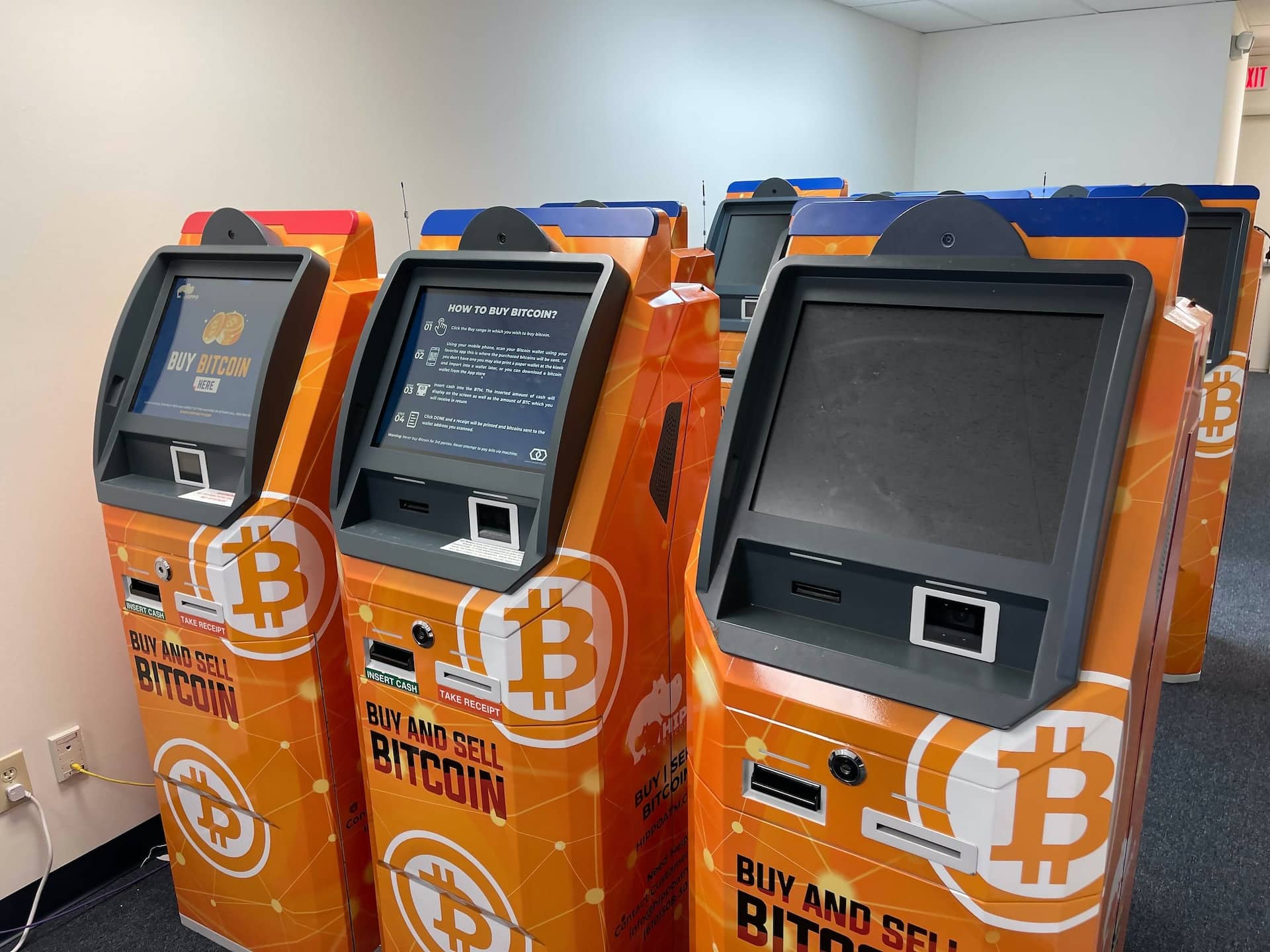
Bitcoin ATMs (BTMs) offer a convenient and increasingly popular method for converting physical cash directly into Bitcoin. These machines function much like traditional ATMs but facilitate cryptocurrency transactions rather than fiat withdrawals or deposits. They provide a vital link between the physical and digital financial worlds, catering to those who prefer tangible cash transactions.
How Bitcoin ATMs Work: A Step-by-Step Guide
The process of buying Bitcoin at a BTM is relatively straightforward, although it can vary slightly between different machine operators. Generally, the steps involve:
- Locate a Bitcoin ATM: Use online BTM finder maps (e.g., Coin ATM Radar) to find the nearest machine.
- Verify Your Identity (KYC): Depending on the machine and the transaction amount, you may need to complete KYC verification. This typically involves scanning a government-issued ID, entering a phone number for SMS verification, and sometimes even a palm or fingerprint scan. Lower transaction limits might require less stringent verification.
- Provide Your Bitcoin Wallet Address: You will usually scan a QR code of your Bitcoin wallet address from your smartphone. Ensure this address is correct, as Bitcoin transactions are irreversible.
- Insert Cash: Feed your cash into the machine. The ATM will display the amount of Bitcoin you will receive based on the current exchange rate, inclusive of fees.
- Confirm Transaction: Review the details and confirm the purchase. The Bitcoin will then be sent to your specified wallet address, usually within minutes, though network congestion can sometimes cause delays.
- Receive Receipt: The ATM will print a receipt for your transaction. Keep this for your financial records.
Fees and Limits: Understanding the Cost of Convenience
While Bitcoin ATMs offer unmatched convenience for cash purchases, they typically come with higher fees compared to online exchanges. These fees can range from 5% to 15% or even more per transaction, reflecting the operational costs, maintenance, and the premium for instant cash-to-crypto conversion. It is crucial to check the displayed fees before proceeding with a transaction, as they can significantly impact your effective purchase price.
BTMs also often impose daily or per-transaction limits, which can be tiered based on the level of KYC verification completed. For instance, a machine might allow small cash purchases (e.g., up to $100-$500) with just a phone number, while larger transactions (e.g., up to $2,500-$10,000) may require a full ID scan. Investors planning larger cash investments should be aware of these limits and factor the higher fees into their financial planning.
Geographic Availability and Finder Tools
The global network of Bitcoin ATMs has expanded significantly, making them accessible in many urban and suburban areas worldwide. Websites like Coin ATM Radar are invaluable tools for locating BTMs near you. These platforms provide maps showing machine locations, operating hours, supported cryptocurrencies, and sometimes even user reviews or fee estimates. Before heading to an ATM, it’s wise to check the latest information on these sites, as availability and operational status can change. This ensures that your financial expedition to acquire Bitcoin is as smooth and efficient as possible.
Over-the-Counter (OTC) Desks and Brokerages
For individuals or institutions looking to make substantial Bitcoin purchases with cash—often exceeding the limits of P2P platforms or BTMs—Over-the-Counter (OTC) desks and specialized brokerages offer a tailored solution. This avenue is generally reserved for large-volume transactions, providing a more personalized and secure service for high-net-worth investors.
For Larger Transactions: The Role of OTC Desks
OTC desks facilitate direct trades between large buyers and sellers outside the open exchange order books. This is particularly advantageous for cash transactions involving significant sums (e.g., five figures or more), as attempting such large deals on P2P platforms or through BTMs would be impractical due to limits and potential security risks. OTC desks source liquidity from a network of private sellers, ensuring that large orders can be filled without causing significant price slippage on public exchanges.
This method appeals to serious investors who need to deploy substantial capital into Bitcoin without impacting market prices or drawing undue attention to their transactions. It’s a premium financial service designed for institutional and high-volume retail clients, prioritizing execution efficiency and discretion.
Compliance and Due Diligence: What to Expect
Unlike some of the more anonymous options, OTC desks operate under strict financial regulations. Consequently, engaging with an OTC desk for a cash purchase will involve rigorous Know Your Customer (KYC) and Anti-Money Laundering (AML) checks. Expect to provide extensive personal and financial documentation, including proof of funds, to verify the source of your cash. This due diligence is a non-negotiable aspect of legitimate OTC operations, aimed at preventing illicit financial activities. While this negates the privacy benefits sought by some cash buyers, it provides a highly secure and regulated environment for large-scale financial transactions.
Personalized Service and Premium Fees
One of the hallmarks of OTC desks is the personalized service they offer. Clients typically work directly with a dedicated broker who can guide them through the process, negotiate favorable terms, and ensure a smooth transaction. This level of service comes with premium fees, which are often built into the quoted exchange rate or charged as a separate commission. While these fees are generally higher than those on standard exchanges, they are often justified by the magnitude of the transaction, the reduced market impact, and the enhanced security and white-glove service provided. For significant financial investments, the peace of mind and efficient execution offered by OTC desks can outweigh the higher costs.
Considerations Before Buying Bitcoin with Cash
Regardless of the method chosen, purchasing Bitcoin with cash involves unique financial and security considerations. As with any investment, due diligence and a thorough understanding of the risks are paramount, particularly when dealing with a volatile asset and direct cash transactions.
Security and Fraud Prevention
The physical nature of cash transactions introduces specific security risks that must be carefully managed. When conducting P2P cash trades, personal safety is paramount, as discussed earlier. For all cash transactions, be acutely aware of potential scams. Fraudsters may attempt to sell fake Bitcoin, demand cash without delivering the digital asset, or target individuals who publicly announce large cash purchases. Always verify the authenticity of the platform, the legitimacy of the seller, and the security of the transaction environment. Using secure wallets, enabling two-factor authentication wherever possible, and being cautious with personal information are fundamental steps in protecting your financial assets.
Price Volatility and Market Timing
Bitcoin is renowned for its price volatility. Its value can fluctuate dramatically within short periods, making market timing a significant challenge. When you decide to buy Bitcoin with cash, you are effectively making an investment decision based on the current market price available through your chosen cash avenue. It’s crucial to understand that the price quoted by a Bitcoin ATM or P2P seller might include a premium over the spot market price, further affecting your entry point. Investors should consider their long-term investment strategy and not be swayed by short-term price movements or the urgency of a cash transaction. A disciplined financial approach, rather than speculative timing, is generally recommended for navigating volatile markets.
Tax Implications and Reporting Requirements
Acquiring Bitcoin, regardless of the payment method, has tax implications in most jurisdictions. Bitcoin is typically treated as property for tax purposes, meaning capital gains taxes may apply when you sell it for a profit. Even if you purchase Bitcoin with cash to preserve anonymity, subsequent transactions (e.g., selling it on an exchange that requires KYC, using it for purchases) could link back to your identity and trigger reporting requirements.
It is imperative to understand the tax laws in your country or region regarding cryptocurrency. Maintaining meticulous records of your cash purchases, including the date, amount, price, and the method used, is essential for accurate tax reporting. Consulting with a qualified tax professional specializing in cryptocurrency is highly recommended to ensure compliance and avoid future financial penalties. This is a critical aspect of responsible financial management for any crypto investor.
Storing Your Bitcoin: Wallet Choices
Once you’ve acquired Bitcoin with cash, securely storing it is the next crucial step. The method of storage significantly impacts the safety of your investment.
- Hardware Wallets (Cold Storage): These are physical devices that store your Bitcoin offline, offering the highest level of security against online threats. Examples include Ledger and Trezor. They are ideal for long-term holding of substantial amounts.
- Software Wallets (Hot Wallets): These are applications on your computer or smartphone, connected to the internet. They offer convenience for active trading but are more susceptible to hacking risks. Examples include Exodus, Electrum, or mobile apps like Trust Wallet.
- Paper Wallets: While providing a physical record of your keys, they are less common now due to the complexities of secure generation and potential for damage or loss.
The choice of wallet should align with the amount of Bitcoin you hold, your frequency of use, and your comfort level with technology. For any significant investment, a hardware wallet is generally the recommended financial best practice to protect your digital assets.
In conclusion, buying Bitcoin with cash is a viable option for many, offering avenues ranging from direct P2P interactions and convenient ATM services to high-volume OTC desks. Each method presents a unique set of financial trade-offs, security considerations, and regulatory requirements. Prospective investors must carefully weigh the benefits of privacy and accessibility against the higher fees, potential risks, and tax obligations. By approaching these transactions with diligence, an understanding of market dynamics, and a commitment to secure financial practices, individuals can successfully navigate the process of acquiring Bitcoin with cash, integrating this digital asset into their broader investment portfolio.
aViewFromTheCave is a participant in the Amazon Services LLC Associates Program, an affiliate advertising program designed to provide a means for sites to earn advertising fees by advertising and linking to Amazon.com. Amazon, the Amazon logo, AmazonSupply, and the AmazonSupply logo are trademarks of Amazon.com, Inc. or its affiliates. As an Amazon Associate we earn affiliate commissions from qualifying purchases.