
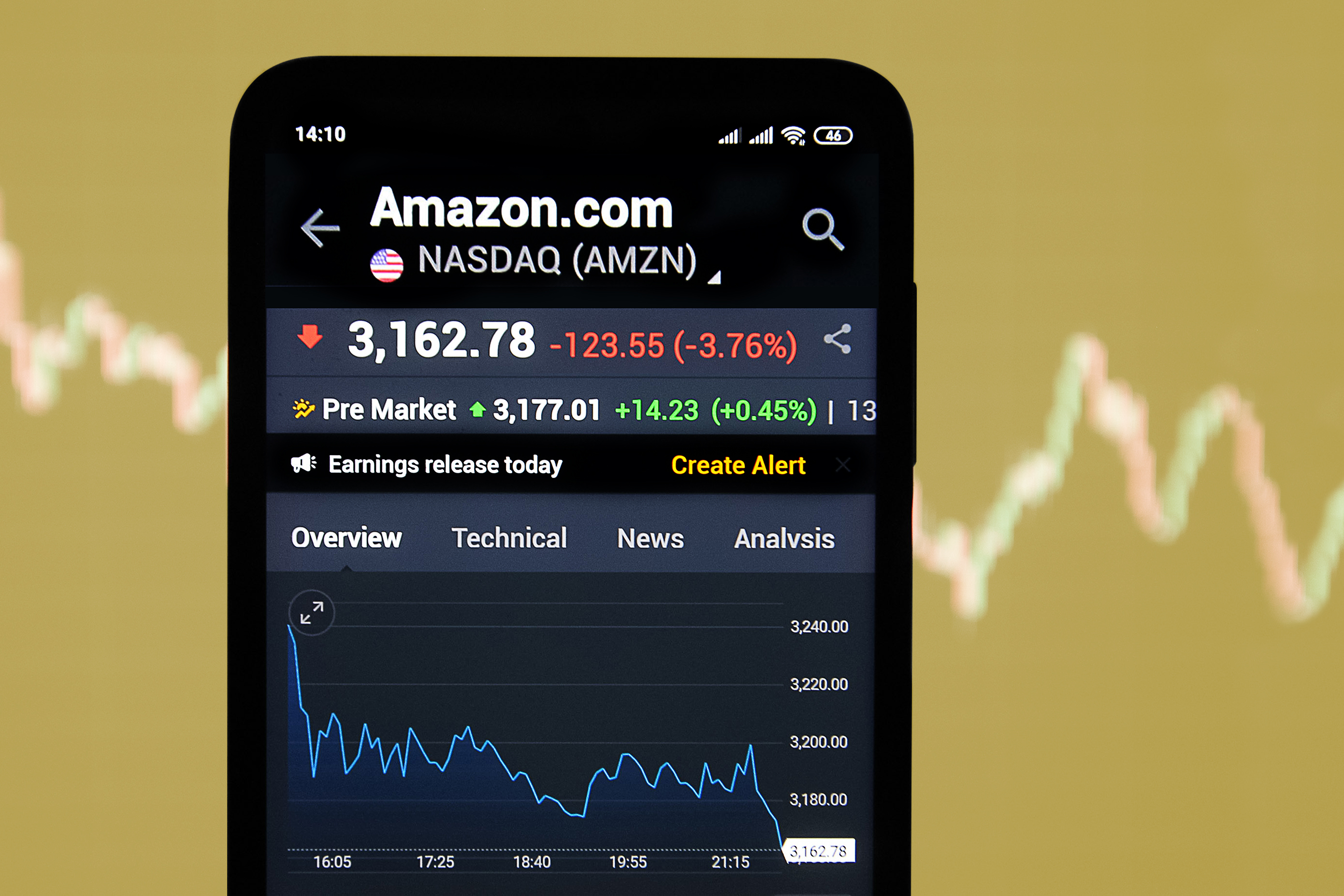
Amazon.com, Inc. (ticker: AMZN) has evolved from a humble online bookstore into a global behemoth that dominates e-commerce, cloud computing, digital streaming, and artificial intelligence. For many investors, owning a piece of this conglomerate is a cornerstone of a growth-oriented portfolio. However, for those just beginning their financial journey, the logistics of “where” and “how” to buy the stock can seem daunting. Investing in Amazon is not merely about clicking a button; it involves choosing the right platform, understanding market mechanics, and aligning the purchase with your broader financial goals.
Choosing the Right Brokerage Platform
The first step in purchasing Amazon stock is selecting a brokerage. In the modern financial landscape, you are no longer required to call a floor trader or visit a physical bank. Instead, you have a variety of digital options, each catering to different types of investors.
Traditional Online Brokerages
Established firms like Charles Schwab, Fidelity Investments, and E*TRADE are often the preferred choice for long-term investors. These platforms offer robust research tools, deep analytical data, and a wide array of account types, including standard brokerage accounts and tax-advantaged retirement accounts like IRAs. These institutions have moved toward a commission-free model for U.S. stocks, meaning you can buy Amazon shares without paying a transaction fee. They are ideal for those who want a comprehensive suite of financial services alongside their stock purchases.
Mobile-First Trading Apps
For the digital-native investor who prioritizes user experience and accessibility, apps like Robinhood, Webull, and Public have revolutionized the industry. These platforms are designed for smartphone use and often feature intuitive interfaces that make buying stock as simple as making an online purchase. Many of these apps also offer “fractional shares,” which is a critical feature for those who may not want to commit the full price of a single share of Amazon but still want exposure to the company’s growth.
Direct Stock Purchase Plans (DSPPs)
While less common today due to the ease of online brokerages, some companies allow investors to buy shares directly from the company via a transfer agent (like Computershare). Amazon, however, generally encourages investors to use a registered broker-dealer. While DSPPs can sometimes minimize fees, the flexibility and instant execution provided by modern brokerages have largely made them the secondary choice for retail investors.
The Step-by-Step Process of Purchasing Shares
Once you have selected a platform, the actual process of buying Amazon stock involves a few specific technical steps. Understanding these ensures that you execute your trade at the price you want and within the risk parameters you have set.
Opening and Funding Your Account
Before you can buy AMZN, you must verify your identity through a process known as “Know Your Customer” (KYC). This typically requires providing your Social Security number and linking a bank account. Once your identity is verified, you can transfer funds via ACH, wire transfer, or check. Note that some brokerages provide “instant buying power,” allowing you to trade immediately while your bank transfer is still processing.
Understanding Market vs. Limit Orders
When you are ready to hit the “buy” button, you will encounter different order types.
-
Market Order: This instructs the broker to buy Amazon stock immediately at the best available current price. While this guarantees the trade will happen, you might pay slightly more than the last quoted price if the market is moving quickly.
-
Limit Order: This allows you to set a maximum price you are willing to pay. For example, if Amazon is trading at $185, you might set a limit order for $180. The trade will only execute if the stock price drops to that level. This provides price protection but carries the risk that your order may never be filled if the price stays high.
The Power of Fractional Shares
For years, Amazon’s high share price was a barrier to entry for small investors. Following its 20-for-1 stock split in 2022, the price became more accessible, yet fractional shares remain a vital tool. Most modern brokers allow you to buy stock in dollar amounts rather than share amounts. If you have $50 to invest, you can buy $50 worth of Amazon, receiving a fraction of a share. This allows for “dollar-cost averaging,” where you invest a fixed amount of money at regular intervals regardless of the share price.
Key Financial Metrics to Evaluate Before Investing

Buying Amazon stock makes you a partial owner of the business. Therefore, it is essential to look beyond the “buy” button and analyze the company’s financial health. Amazon is a complex entity with multiple revenue streams, and its valuation is often judged differently than traditional retail companies.
Analyzing Revenue Growth and Net Income
Amazon is famously known for prioritizing long-term growth over short-term profits. For decades, the company reinvested almost every dollar of profit back into its infrastructure. However, in recent years, Amazon has shown a significant ability to generate massive net income. Investors should look at the “Top Line” (Revenue) to ensure the company is still capturing market share, and the “Bottom Line” (Net Income) to see how efficiently it is managing its rising operational costs.
The Role of AWS in Amazon’s Valuation
While the e-commerce platform is the most visible part of the company, Amazon Web Services (AWS) is often the primary driver of its stock price. AWS is a high-margin cloud computing business that provides the backbone for much of the internet. Because the profit margins in cloud computing are significantly higher than in retail, the performance of AWS often dictates the overall valuation of the stock. If AWS growth slows, the stock often faces pressure, even if retail sales are strong.
Cash Flow and Capital Expenditure
Amazon is a capital-intensive business. It spends billions on warehouses, delivery vans, data centers, and satellite technology (Project Kuiper). When evaluating the stock, professional investors focus on “Free Cash Flow”—the money left over after the company pays for its operating expenses and capital expenditures. A positive and growing free cash flow is a sign of a healthy, self-sustaining business.
Strategic Considerations and Portfolio Management
Where you buy Amazon stock is a logistical question; how much you buy and where it fits in your portfolio is a strategic one. Amazon is classified as a “Growth Stock,” meaning it is expected to grow at a rate significantly above the average for the market.
Long-term Growth vs. Short-term Volatility
Investors must be prepared for volatility. Despite its size, Amazon’s stock price can fluctuate significantly based on economic data, interest rate changes, or quarterly earnings reports. Successful Amazon investors typically hold a “long” position, meaning they intend to keep the stock for years or even decades, allowing the power of compounding to work in their favor.
Diversification and ETF Alternatives
If you are hesitant to put a large portion of your savings into a single company, you can gain exposure to Amazon through Exchange-Traded Funds (ETFs). Amazon is a top holding in major index funds like the SPDR S&P 500 ETF (SPY) and the Invesco QQQ Trust (QQQ), which tracks the Nasdaq-100. By buying an ETF, you own Amazon along with hundreds of other companies, which reduces the risk associated with any single stock’s performance.
Tax Implications and Account Selection
Consider the tax environment in which you hold your shares. If you buy Amazon in a standard brokerage account, you will owe capital gains taxes when you sell the stock at a profit. If you hold the stock for more than a year, you qualify for the lower long-term capital gains rate. Alternatively, buying Amazon stock within a Roth IRA allows your investment to grow tax-free, and withdrawals in retirement are also tax-free, provided certain conditions are met.
Risks and Future Outlook
No investment is without risk. Before purchasing Amazon stock, it is vital to understand the headwinds the company faces. The “Money” aspect of investing requires a cold, analytical look at what could go wrong.
Regulatory and Antitrust Concerns
Amazon is under constant scrutiny from regulators in the United States and Europe. Allegations of monopolistic behavior and unfair treatment of third-party sellers are recurring themes. Potential legal actions or forced “break-ups” of the company’s business units could lead to significant stock price volatility and changes in how the company operates.

Competition in Cloud and E-commerce
While Amazon is a leader, it is not invincible. In the cloud space, Microsoft Azure and Google Cloud are formidable competitors that are aggressively fighting for market share. In e-commerce, the rise of discount platforms and the logistical improvements of traditional retailers like Walmart and Target mean Amazon must constantly innovate and spend to maintain its edge.
Investing in Amazon is more than just a transaction; it is a commitment to a specific vision of the future of global commerce and technology. By choosing the right brokerage, understanding the mechanics of your trade, and performing rigorous financial analysis, you can position yourself to potentially benefit from the continued evolution of one of the world’s most influential corporations. Whether you are buying a single fractional share or building a significant position, the key is to approach the purchase with a clear strategy and a long-term perspective.
aViewFromTheCave is a participant in the Amazon Services LLC Associates Program, an affiliate advertising program designed to provide a means for sites to earn advertising fees by advertising and linking to Amazon.com. Amazon, the Amazon logo, AmazonSupply, and the AmazonSupply logo are trademarks of Amazon.com, Inc. or its affiliates. As an Amazon Associate we earn affiliate commissions from qualifying purchases.