
NVIDIA Corporation (NVDA) has evolved from a niche manufacturer of graphics processing units (GPUs) for gamers into a global titan of the semiconductor industry and the primary engine behind the artificial intelligence (AI) revolution. For investors, the question of “how much” NVIDIA shares are worth is not merely about the daily ticker price but rather a complex evaluation of market capitalization, growth potential, and intrinsic value. As the company continues to break records in revenue and market valuation, understanding the financial landscape of this tech giant is essential for anyone looking to navigate the modern stock market.
Understanding NVIDIA’s Market Valuation and Price Dynamics
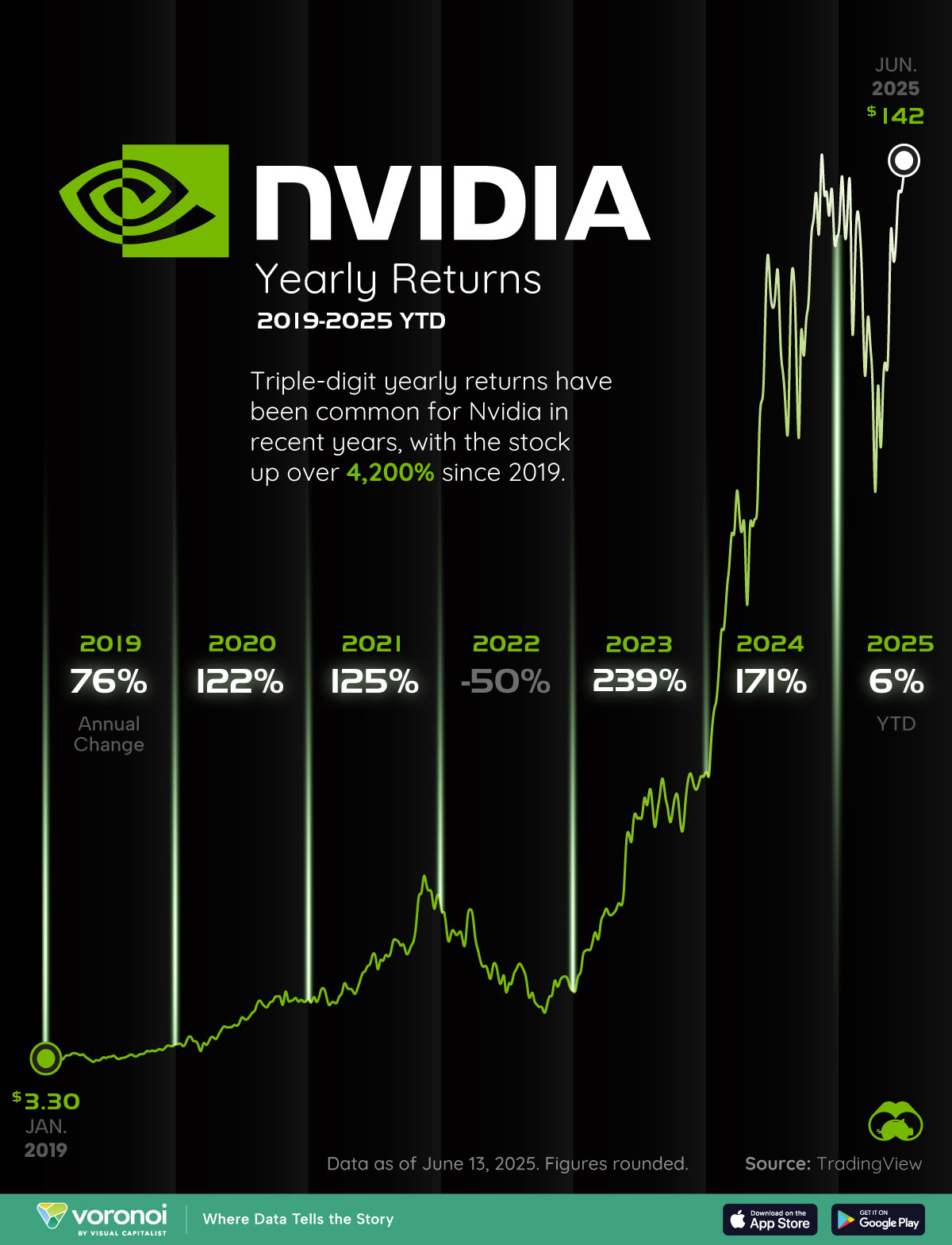
When discussing the price of NVIDIA shares, it is important to distinguish between the nominal share price and the underlying valuation of the company. Following its historic 10-for-1 stock split in mid-2024, the nominal price of a single share became more accessible to retail investors, often hovering in the triple-digit range. However, the true “cost” of the stock is best measured through financial metrics that compare its price to its earning power.
Market Capitalization and the Trillion-Dollar Club
NVIDIA is one of the elite few companies to surpass a $3 trillion market capitalization. This figure represents the total market value of all outstanding shares. For investors, this massive valuation signals that NVIDIA is no longer a growth “startup” but a foundational pillar of the global economy. When evaluating the price, one must consider if the company’s massive scale leaves room for further appreciation. Historically, NVIDIA has defied traditional valuation caps by consistently outperforming analyst expectations, proving that its market cap is supported by tangible revenue growth in the data center sector.
Price-to-Earnings (P/E) Ratio
The P/E ratio is a critical tool for determining if NVIDIA is “expensive” or “cheap” relative to its profits. While the company often trades at a higher P/E than the broader S&P 500, this premium is usually justified by its triple-digit year-over-year growth rates. Investors often look at the “Forward P/E,” which uses estimated future earnings. If NVIDIA’s projected earnings continue to grow faster than the stock price, the stock can actually become “cheaper” over time even as the nominal share price increases.
The Impact of Stock Splits on Share Price
Stock splits are a common tool used by high-growth companies to keep their share price within a “psychologically attractive” range. In June 2024, NVIDIA executed a 10-for-1 split. While a split does not change the fundamental value of the company—similar to cutting a pizza into ten slices instead of one—it increases liquidity. By lowering the price per share, NVIDIA made it easier for individual investors to purchase whole shares rather than relying on fractional share offerings from brokerages.
Key Drivers Behind NVIDIA’s Financial Performance
To understand why NVIDIA shares command their current price, one must look at the specific business segments driving the company’s financial engine. The “how much” of the share price is a direct reflection of the demand for NVIDIA’s proprietary hardware and software ecosystems.
The Data Center Dominance and AI
The most significant driver of NVIDIA’s share price is its Data Center division. As corporations and governments race to build generative AI models, the demand for NVIDIA’s H100 and Blackwell GPUs has skyrocketed. These chips are the industry standard for training large language models (LLMs). Because NVIDIA maintains a near-monopoly on high-end AI chips, it commands massive pricing power, which translates into industry-leading gross margins. When these margins exceed 70%, it provides a robust cushion for the stock price even during market volatility.
Software Moat: The CUDA Ecosystem
NVIDIA’s value isn’t just in its silicon; it’s in its software. The CUDA (Compute Unified Device Architecture) platform is a parallel computing platform and programming model that has been the industry standard for decades. Thousands of developers are locked into the CUDA ecosystem, making it difficult for competitors like AMD or Intel to gain a foothold. This “moat” protects NVIDIA’s market share and justifies a higher share price, as it ensures long-term revenue stability.
The Gaming and Professional Visualization Legacy
While AI is the current headline, NVIDIA’s roots in gaming remain a multi-billion dollar business. The GeForce RTX line continues to lead the market in PC gaming. Additionally, the company’s “Omniverse” platform—a suite for industrial digitalization and the metaverse—provides a growth runway in the professional visualization sector. Diversification across these high-tech niches ensures that the company is not a “one-trick pony,” adding a layer of security for long-term shareholders.
Evaluating Risks: Why the Share Price Volatility Exists
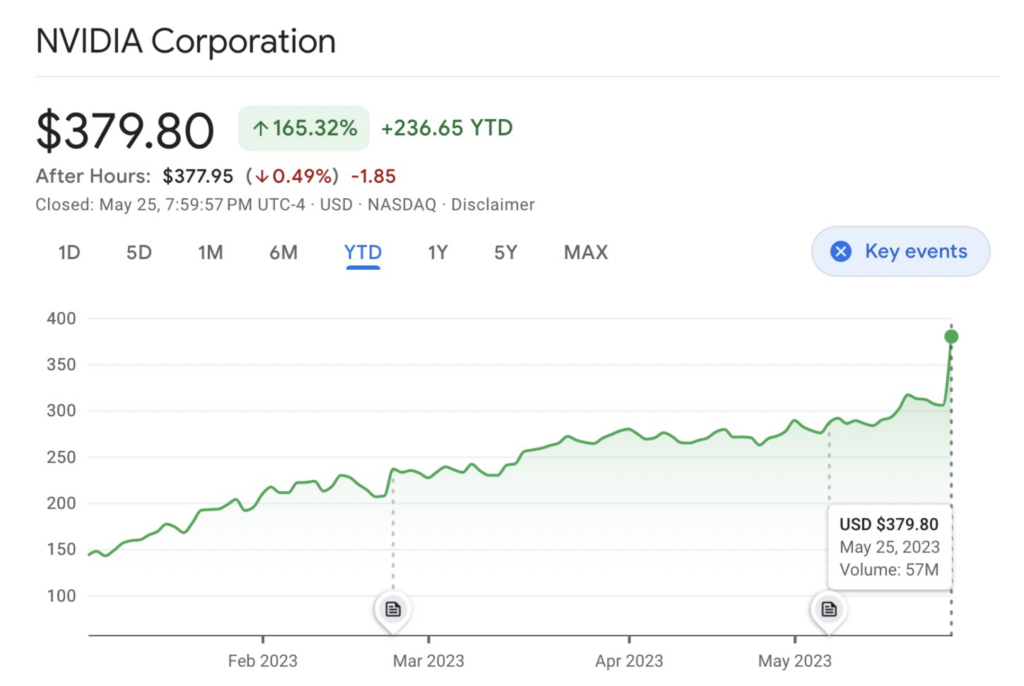
Investing in NVIDIA is not without its risks. The very factors that drive the price up can also lead to sharp corrections. For a “Money” focused investor, understanding the downside is as important as calculating the upside.
Cyclicality and the Semiconductor Industry
The semiconductor industry has historically been cyclical. Periods of immense demand are often followed by oversupply. While the AI demand currently appears insatiable, any cooling in the global economy or a reduction in capital expenditure (CapEx) from “Big Tech” (Microsoft, Google, Meta, Amazon) could lead to a temporary decline in NVIDIA’s share price. Investors must be prepared for the high beta—a measure of volatility—associated with NVDA shares.
Geopolitical Pressures and Export Controls
NVIDIA is at the center of the technological tug-of-war between the United States and China. US export controls on high-end AI chips have forced NVIDIA to design specialized, less powerful versions for the Chinese market. Any further tightening of these regulations could impact a significant portion of NVIDIA’s revenue. When analysts price NVIDIA shares, they often bake in a “geopolitical risk premium” to account for these uncertainties.
Competition from Custom Silicon
As NVIDIA’s margins remain high, its biggest customers are incentivized to build their own chips. Companies like Amazon (Trainium/Inferentia) and Google (TPUs) are developing in-house AI hardware to reduce their reliance on NVIDIA. While NVIDIA currently maintains a performance lead, the rise of custom silicon is a long-term threat to its market share and, consequently, its premium valuation.
How to Invest: Strategies for Buying NVIDIA Shares
For those asking “how much are shares,” the next logical step is determining the best method of acquisition. Building a position in a high-growth stock like NVIDIA requires a disciplined approach to personal finance.
Dollar-Cost Averaging (DCA)
Given NVIDIA’s volatility, “timing the market” is notoriously difficult. A popular strategy among retail investors is dollar-cost averaging. By investing a fixed dollar amount at regular intervals (e.g., $200 every month), investors buy more shares when the price is low and fewer when the price is high. This reduces the risk of entering the market at a “peak” and smooths out the cost basis over time.
Utilizing Fractional Shares
Many modern brokerages allow for the purchase of fractional shares. If the nominal price of a single NVIDIA share is higher than an investor’s available capital, they can buy a percentage of a share. This allows for immediate exposure to the stock’s growth without needing to save up for a full unit. It is an excellent tool for younger investors or those practicing strict portfolio rebalancing.
Exchange-Traded Funds (ETFs)
For those who believe in the growth of the semiconductor or AI industry but find a single-stock investment too risky, ETFs offer a diversified alternative. Funds like the Vaneck Semiconductor ETF (SMH) or the iShares Semiconductor ETF (SOXX) hold large positions in NVIDIA alongside its peers. This provides exposure to NVIDIA’s upside while mitigating the risk of a single-company downturn.

The Future Outlook: What Influences the Next Price Target?
Looking ahead, the “how much” of NVIDIA’s shares will be determined by its ability to execute on its technological roadmap. The transition from the Hopper architecture to the Blackwell architecture is the next major milestone. If NVIDIA can successfully scale production and meet the massive pre-order demand, the stock is likely to see further support.
Furthermore, the expansion of AI into “Edge Computing” and the automotive sector (autonomous driving) represents the next frontier. NVIDIA’s DRIVE platform is being integrated into the next generation of electric vehicles, potentially opening a massive new revenue stream. As long as NVIDIA remains the primary “arms dealer” in the global technology race, its shares will remain one of the most closely watched and highly valued assets in the financial world.
In conclusion, the price of NVIDIA shares is a reflection of its status as the heartbeat of the modern tech economy. While the nominal price changes daily, the company’s underlying value is tied to its dominance in AI, its robust software ecosystem, and its unparalleled innovation. For the informed investor, NVIDIA represents a high-conviction growth play, albeit one that requires a stomach for volatility and a long-term perspective on the future of computing.
aViewFromTheCave is a participant in the Amazon Services LLC Associates Program, an affiliate advertising program designed to provide a means for sites to earn advertising fees by advertising and linking to Amazon.com. Amazon, the Amazon logo, AmazonSupply, and the AmazonSupply logo are trademarks of Amazon.com, Inc. or its affiliates. As an Amazon Associate we earn affiliate commissions from qualifying purchases.