
The traditional automotive industry was built on a foundation of brick-and-mortar dealerships, high-pressure sales tactics, and physical inventory lots. Tesla, however, reimagined the car not just as a mode of transport, but as a sophisticated mobile computer. Consequently, the answer to “where can I buy a Tesla” is fundamentally different from any other car manufacturer. You don’t simply visit a lot and drive away; you enter a digital ecosystem designed for the modern tech enthusiast.
Buying a Tesla is a software-driven experience. From the initial configuration on a web browser to the management of the vehicle via a mobile app, the process is an extension of the technology inside the car itself. This guide explores the digital corridors and tech-forward platforms where you can acquire a Tesla, emphasizing the hardware and software considerations that define the purchase.
The Digital Showroom: Navigating the Tesla Web Ecosystem
Unlike legacy automakers that rely on third-party franchised dealers, Tesla operates on a direct-to-consumer model. This means the primary “location” to buy a Tesla is their official website. This digital-first approach ensures that the consumer interacts directly with the manufacturer’s software stack, providing a unified user experience (UX) that is consistent globally.
The Online Configurator: A Lesson in UI/UX
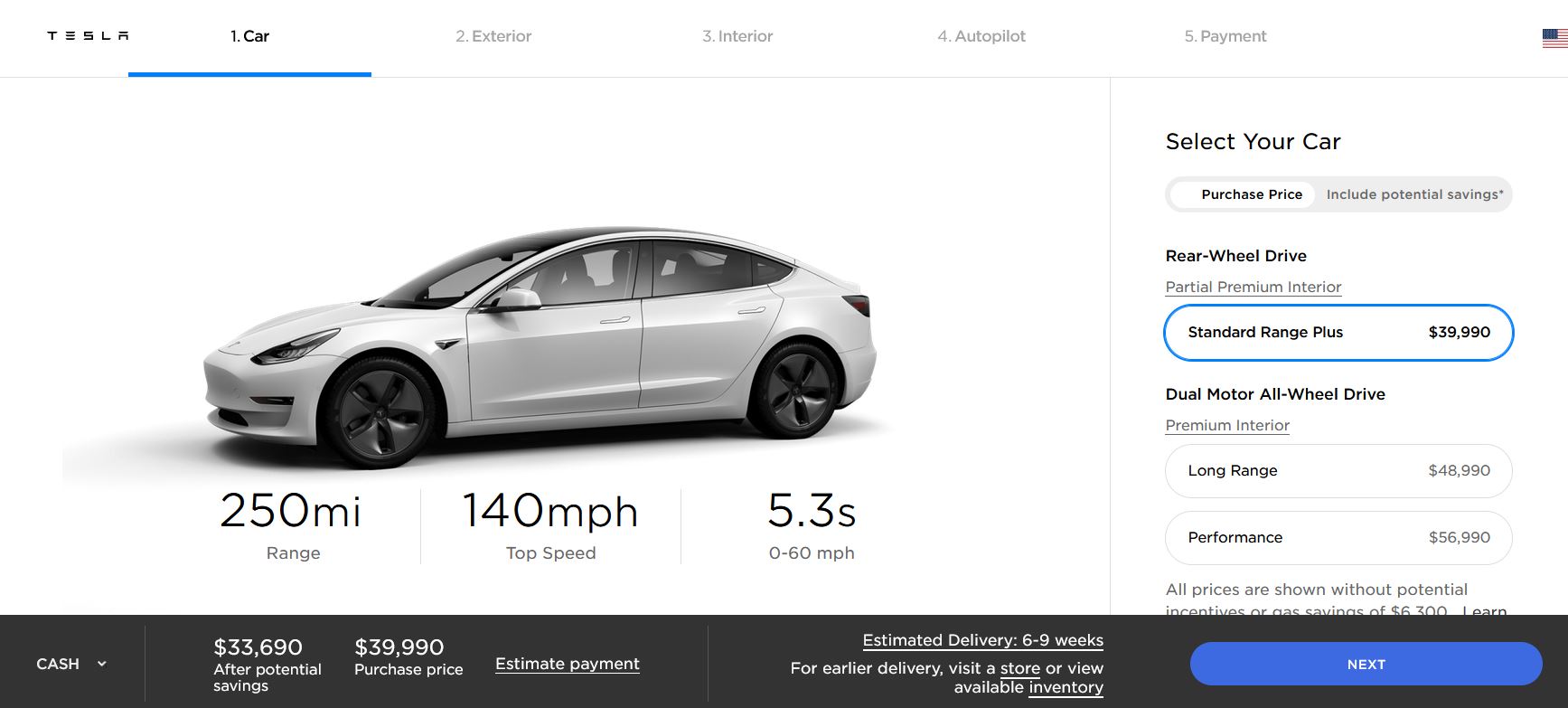
The Tesla “Design Studio” is the heart of the purchasing process. It is a highly optimized web application that allows users to visualize their vehicle in real-time. Unlike traditional car builders that are often clunky and slow, Tesla’s configurator is streamlined. Users select their model—Model 3, Y, S, or X—and are immediately presented with performance metrics, range estimates, and high-definition renders.
The tech behind this configurator is designed to minimize “decision fatigue.” By offering a limited number of high-impact options (paint, wheels, interior, and software packages), Tesla ensures that the data flow from the consumer to the factory is seamless. Every click updates the estimated delivery timeline and the final price, reflecting Tesla’s real-time inventory and production algorithms.
Real-Time Inventory Search and API Integration
For those who do not wish to wait for a custom build, the “Existing Inventory” section of the website acts as a sophisticated database. This tool uses geolocation to show vehicles currently in transit or sitting at local delivery centers. From a tech perspective, this is a masterpiece of logistics integration. The system tracks every VIN (Vehicle Identification Number) across the globe, allowing a buyer in Los Angeles to “claim” a car the moment it rolls off the assembly line in Fremont or Giga Texas.
The Mobile App: Your Purchase in Your Pocket
In the world of technology, “mobile-first” is a standard philosophy, and Tesla applies this to the automotive purchase journey. The Tesla Mobile App is more than just a remote control for your car; it is the central hub for the entire ownership lifecycle, starting with the purchase.
The In-App Ordering Experience
For many tech-savvy consumers, the transition from researching on a desktop to purchasing on a smartphone is natural. The Tesla app allows users to place an order with a few taps, utilizing integrated payment systems like Apple Pay or saved credit card data. This reduces the friction of the transaction to a level previously seen only in consumer electronics.
The app also serves as the communication portal for the “Tesla Advisor.” Instead of constant phone calls, the app uses a notification-based system to alert the buyer when documents are ready for digital signature, when payment is due, and when the vehicle has reached its delivery milestone.
Document Management and Digital Identity
Tesla’s purchase process is almost entirely paperless. Within the app, users upload their driver’s licenses, insurance information, and trade-in details. The backend technology uses OCR (Optical Character Recognition) to verify documents, streamlining what used to be hours of paperwork into minutes of digital uploads. This integration of FinTech within an automotive app highlights Tesla’s position as a software company that happens to manufacture hardware.
Choosing Your Tech Stack: Hardware and Software Packages
When asking where to buy a Tesla, one must also consider what version of the technology they are buying. Because Tesla iterates on its hardware and software more frequently than other companies, the “where” often involves checking specific hardware versions listed in the digital manifest of the car.
Understanding Hardware 4.0 (HW4) and Beyond
A critical part of buying a Tesla today is ensuring you are getting the latest “computer on wheels.” Tesla recently transitioned from Hardware 3 to Hardware 4 (HW4), which includes upgraded cameras, a more powerful FSD (Full Self-Driving) computer, and improved sensor suites. When browsing the online inventory or the custom order page, tech-focused buyers must look for these specifications. The “where” becomes a matter of digital verification—checking the build date and the technical specs listed in the vehicle’s digital profile to ensure it supports the latest AI-driven features.
Software-as-a-Service (SaaS) and Post-Purchase Upgrades
One of the most unique aspects of buying a Tesla is that the “purchase” doesn’t necessarily end when you take delivery of the hardware. Through the Tesla app, owners can purchase software upgrades like “Acceleration Boost” or “Full Self-Driving Capability” long after the car is in their driveway. This introduces the concept of the vehicle as a platform. When you buy a Tesla from the online store, you are buying a base hardware configuration that can be digitally enhanced via Over-the-Air (OTA) updates, a concept familiar to anyone who has ever upgraded their smartphone’s operating system.
Physical Touchpoints: Galleries and Delivery Centers
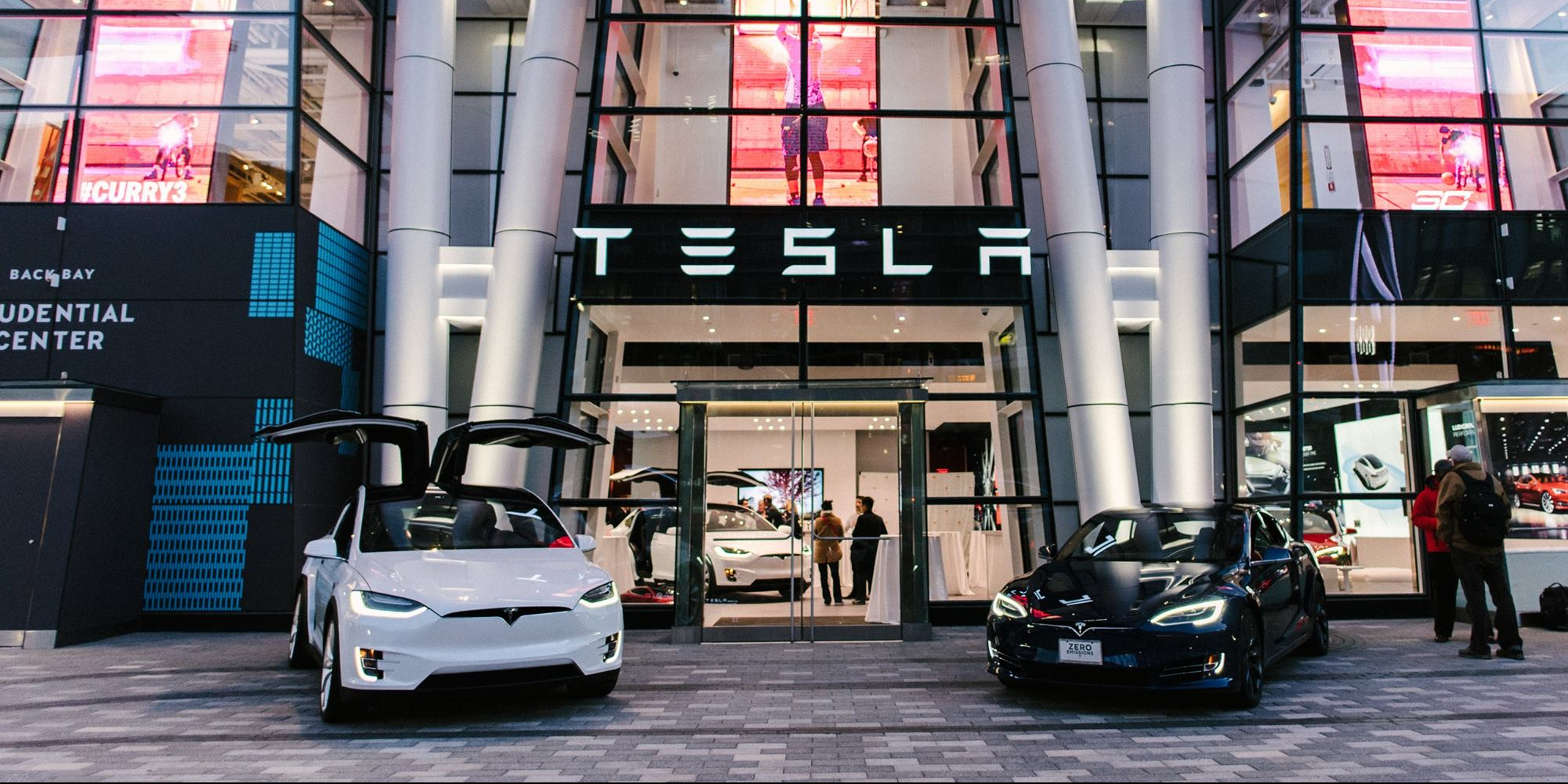
While the purchase happens digitally, the physical “where” still exists in the form of Tesla Galleries and Delivery Centers. However, these are not dealerships in the traditional sense; they are showrooms designed to educate the consumer on the tech ecosystem.
The Role of Tesla Galleries
Located primarily in high-traffic urban areas and luxury malls, Tesla Galleries serve as physical manifestations of the brand’s digital presence. You cannot walk into a Gallery and negotiate a price with a salesperson. Instead, product specialists help you navigate the website on a large touchscreen or their mobile tablets. The Gallery is a place to experience the UI of the center screen, test the haptic feedback of the steering wheel, and understand the minimalist aesthetic of the cabin before completing the transaction online.
The “Touchless” Delivery Process
Once the digital purchase is complete, the “where” shifts to the Tesla Delivery Center. The tech-heavy nature of the brand is most evident here. Tesla often utilizes “Touchless Delivery,” where the owner arrives at the center, uses the app to locate their vehicle (the car will honk or flash its lights via a command from the app), and accepts delivery through a digital signature on their phone. The key to the car is often a digital keycard or, more commonly, the owner’s smartphone itself, paired via Bluetooth Low Energy (BLE).
The Secondary Tech Market: Buying Certified Pre-Owned (CPO)
For those looking for a Tesla at a different price point, the “where” extends to the used market, which Tesla manages with the same level of digital scrutiny as their new inventory. Buying a used Tesla is significantly different from buying a used internal combustion engine (ICE) vehicle because of the data available.
Battery Health and Digital Records
When buying a used Tesla through the official website, the company provides a digital history of the vehicle. Because Tesla vehicles are constantly connected to the mother-ship via LTE or Wi-Fi, the company has access to the “telemetry” of the car. This allows them to certify the battery health and the integrity of the drivetrain using diagnostic software. For a buyer, this removes the guesswork. You aren’t just buying a used car; you are buying a vetted piece of hardware with a verified digital log.
Connectivity and Software Transfers
A major consideration in the used Tesla market is the transfer of software features. When you buy a Tesla from a third party, you must ensure that the digital ownership is transferred correctly through the Tesla account system. This process involves the new owner “claiming” the VIN in their app, which then prompts the car’s onboard computer to sync with the new user’s profile. This digital handoff is a critical step in the “where” and “how” of acquiring a pre-owned Tesla.

Conclusion: The Future of High-Tech Automotive Commerce
Buying a Tesla is an entry point into a sophisticated technological environment. The “where” is not a specific physical location, but a seamless transition between a web-based configurator, a powerful mobile application, and a simplified physical delivery point. By removing the traditional dealership model, Tesla has created a purchase journey that mirrors the acquisition of high-end consumer electronics.
As the automotive industry continues to move toward electrification and autonomy, the Tesla model serves as the blueprint. Whether you are clicking “order” on a laptop or “accepting delivery” on a smartphone, you are participating in a digital transformation that has redefined what it means to buy a car in the 21st century. The process is fast, transparent, and—above all—deeply rooted in the technology that makes the vehicle itself a leader in its class.
aViewFromTheCave is a participant in the Amazon Services LLC Associates Program, an affiliate advertising program designed to provide a means for sites to earn advertising fees by advertising and linking to Amazon.com. Amazon, the Amazon logo, AmazonSupply, and the AmazonSupply logo are trademarks of Amazon.com, Inc. or its affiliates. As an Amazon Associate we earn affiliate commissions from qualifying purchases.