
Navigating the world of personal finance often involves understanding the fundamental tools and identifiers that facilitate money movement. Among the most critical pieces of information for managing your financial life are the routing and account numbers, prominently displayed on your checks. These seemingly small strings of digits are the backbone of electronic transactions, direct deposits, and bill payments, linking your specific bank account to the broader financial system. For anyone managing their money, whether for personal budgeting, business expenses, or setting up automated payments, knowing precisely where to locate these numbers and understanding their significance is an indispensable skill. This guide will demystify the anatomy of a check, helping you pinpoint these vital identifiers and explaining why they are so crucial to your financial operations.

Deciphering the Anatomy of a Check
Before diving into the specifics of routing and account numbers, it’s essential to understand the basic layout of a standard paper check. Each element on a check serves a specific purpose, from identifying the account holder and the bank to authorizing a payment.
The Purpose of a Check
A check is a written, dated, and signed instruction to a bank to pay a specific amount of money to the bearer or to a named third party. While digital transactions are increasingly popular, paper checks remain relevant for various situations, including paying landlords, receiving certain payments, or when digital options aren’t available. Understanding its components is key to utilizing it effectively and securely.
The Significance of the MICR Line
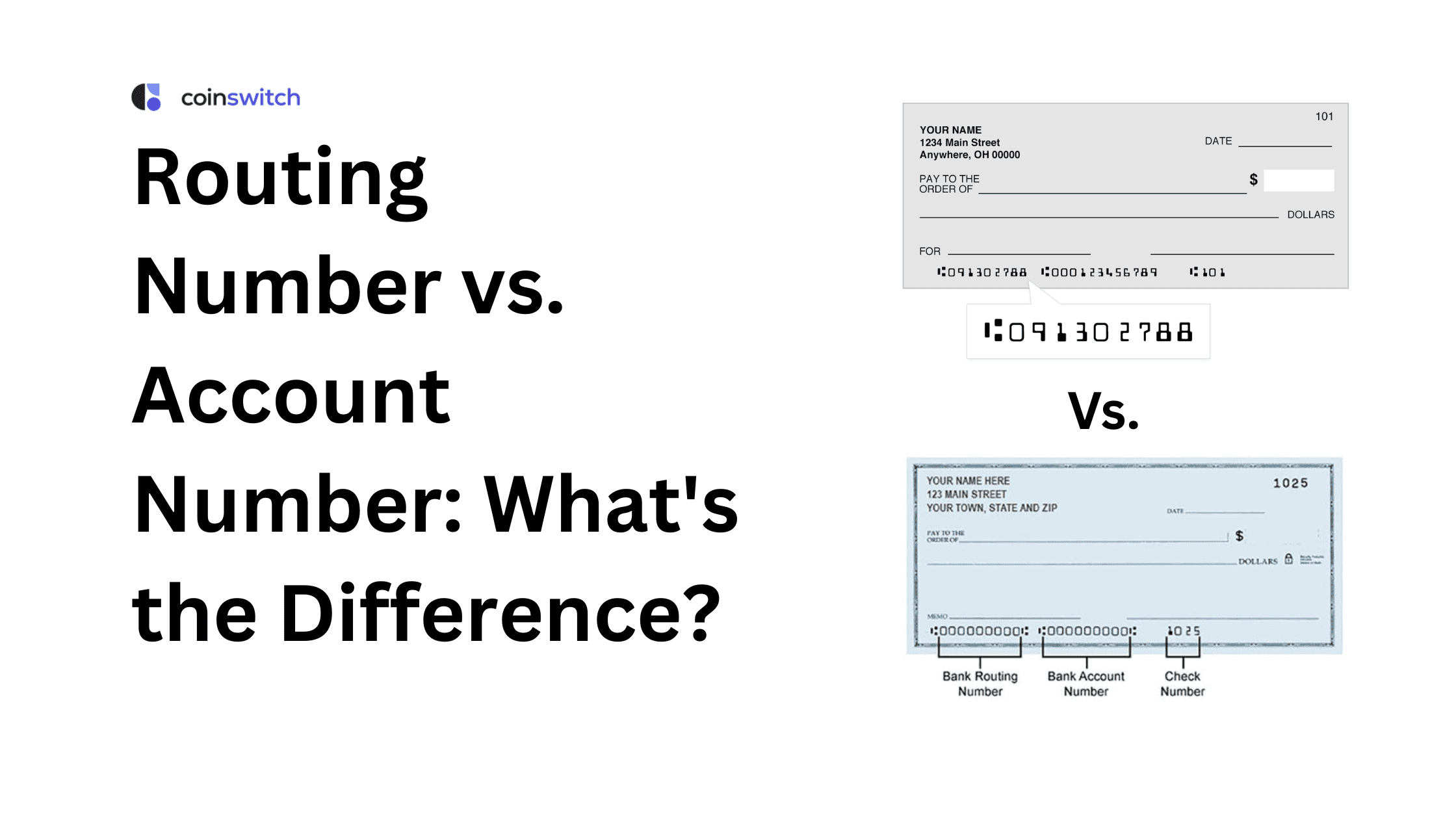
At the bottom of every check, you’ll find a distinctive line of numbers printed using magnetic ink. This is known as the Magnetic Ink Character Recognition (MICR) line. The MICR font is specifically designed to be read by high-speed check-processing machines, enabling banks to quickly and accurately process millions of checks daily. This machine-readable line contains the most critical information: the routing number, your account number, and the check number. Without the MICR line, manual processing would be incredibly slow and error-prone, highlighting its vital role in modern financial infrastructure.
Visual Layout of a Standard Check
A typical check includes several key areas:
-
Your Information: Your name and address are usually printed in the top left corner.
-
Payee Line: “Pay to the order of” where you write the name of the person or entity receiving the payment.
-
Amount Box: Where you write the payment amount in numerical form.
-
Amount Line: Where you write the payment amount in words.
-
Date Line: Where you write the current date.
-
Memo Line: An optional space to note the purpose of the payment.
-
Signature Line: Where you sign to authorize the payment.
-
Bank Information: The name and logo of your bank, usually at the top or bottom.
-
The MICR Line: The focus of our discussion, located at the very bottom.
Locating Your Routing Number: The Bank’s Identifier
The routing number is the first critical piece of information encoded on the MICR line. It serves a very specific and fundamental purpose within the banking system.
What is a Routing Number? (ABA Transit Number)
Also known as an ABA (American Bankers Association) routing transit number, the routing number is a nine-digit code that identifies the specific financial institution holding the account. Think of it as your bank’s address in the vast postal system of finance. It tells other banks where to send the money. Each bank has at least one routing number, and larger banks might have multiple routing numbers for different states, branches, or types of transactions (e.g., wire transfers vs. ACH transfers).
Where to Find It on a Check
On a standard check, the routing number is always the first set of numbers printed on the far left of the MICR line. It is typically enclosed by a special symbol that resembles a colon or a small house. This nine-digit number is consistently positioned here for easy identification by both humans and machines.
Why Routing Numbers Matter: Bank Identification
The primary function of the routing number is to correctly identify your financial institution. When you set up a direct deposit for your paycheck, pay bills online, or transfer money between different banks, the routing number ensures that the funds are directed to the correct bank. Without it, the transaction would be lost in transit or incorrectly routed, leading to delays and potential fees. It’s the essential first step in any interbank financial transaction.
How Many Digits is a Routing Number?
Routing numbers are always nine digits long. This standardized length allows for efficient processing and clear identification across all U.S. financial institutions. Each digit contributes to a unique identifier that distinguishes one bank from another within the national banking network.
Different Ways Banks Use Routing Numbers
While a bank typically has a primary routing number for most transactions, some larger banks may use different numbers for specific purposes:
-
ACH Transfers: For automated clearing house transactions like direct deposits and automatic bill payments.
-
Wire Transfers: For expedited, high-value transfers, which sometimes use a distinct routing number or require additional swift codes for international wires.
-
State-Specific Numbers: Banks operating in multiple states might have different routing numbers tied to the state where the account was opened. It’s always best to verify the correct routing number directly with your bank for specific transaction types if you’re unsure.
Finding Your Account Number: Your Unique Identifier
Immediately following the routing number on the MICR line, you’ll find your account number, another crucial piece of financial identification.
What is an Account Number?
Your account number is a unique identifier for your specific checking account within your financial institution. While the routing number identifies the bank, the account number identifies your specific deposit account at that bank. It’s akin to your apartment number within a building – the routing number is the building address, and the account number points directly to your door.
Where to Find It on a Check
On the MICR line, the account number is usually the second set of numbers from the left. It typically appears after the routing number and before the check number (though sometimes the check number is positioned between the routing and account numbers, depending on the bank’s formatting). Like the routing number, it is often enclosed by special symbols to delineate it from other numbers on the line. It’s important to differentiate it from the check number, which changes with each check.
Why Account Numbers Matter: Specific Account Identification
The account number is paramount for directing funds precisely to your account. Whether you’re receiving a direct deposit, making an electronic payment, or setting up a recurring transfer, pairing the correct routing number with your account number ensures the money lands in the right place. An incorrect account number can lead to funds being misdirected to another account (if it exists) or returned, causing delays and potential complications.
Account Number vs. Debit Card Number

It’s a common misconception to confuse your account number with the 16-digit number on your debit card. They are entirely different. Your debit card number is linked to your account for card-based transactions (point-of-sale, online purchases), but it is not the number used for ACH transfers, wire transfers, or direct deposits. Always use the number from your check or online banking portal for these types of transactions.
Typical Length of an Account Number
The length of an account number can vary significantly between banks, ranging from 10 to 12 digits, and sometimes even more. Unlike the standardized nine-digit routing number, there is no universal standard for account number length, so don’t be alarmed if yours differs in length from someone else’s, even if they bank at the same institution.
The Check Number: A Simple Transaction Identifier
While not directly used for routing or account identification, the check number plays a vital role in tracking individual transactions and reconciling your financial records.
What is the Check Number?
The check number is a sequential identifier printed on each check in your checkbook. It allows you to keep track of the specific order of the checks you’ve written and helps in reconciling your bank statements.
Where to Find It
The check number typically appears in two places:
-
Top Right Corner: Often printed just below the date line.
-
MICR Line: It’s the third set of numbers on the MICR line, usually at the far right (or sometimes between the routing and account numbers). This number is also enclosed by unique symbols.
Its Role in Tracking Transactions
When you write a check, you usually record the check number in your check register or personal finance software. This allows you to match the cleared transaction on your bank statement back to the specific payment you made. It’s a critical tool for maintaining accurate financial records and detecting any discrepancies.
Why You Need These Numbers (and When)
Understanding where to find your routing and account numbers is just the first step; knowing when and why you need them is equally important for managing your finances effectively.
Setting Up Direct Deposit
This is one of the most common reasons you’ll need both numbers. When you start a new job, change payroll providers, or set up government benefits, you’ll be asked for your bank’s routing number and your specific account number to ensure your paycheck or benefits are electronically deposited directly into your account. This eliminates the need for paper checks and speeds up access to your funds.
Automating Bill Payments
Many utility companies, credit card providers, and loan servicers offer the option to pay bills directly from your checking account. To set these up, you’ll typically provide your routing and account numbers to authorize recurring debits. This ensures timely payments and helps avoid late fees.
Electronic Funds Transfers (EFTs)
Any time money is transferred electronically between bank accounts, these numbers are involved. This includes transferring money between your own accounts at different banks, or sending money to friends and family through services that require direct bank linkage rather than just debit card information.
Wire Transfers vs. ACH Transfers
It’s important to distinguish between wire transfers and ACH (Automated Clearing House) transfers, as they sometimes use different routing numbers or require additional information:
-
ACH Transfers: Used for direct deposits, bill pay, and most everyday electronic transfers. They are generally less expensive and take 1-3 business days to clear. Your standard routing number usually applies.
-
Wire Transfers: Used for expedited, often larger-value transfers. They are typically processed in real-time or within a few hours, but come with higher fees. For international wire transfers, you might also need a SWIFT/BIC code in addition to your bank’s routing number, and sometimes a specific wire transfer routing number from your bank. Always confirm the correct numbers with your bank for wire transfers.
Ordering New Checks
When you need to replenish your check supply, whether through your bank or a third-party check printer, you will need to provide your routing and account numbers to ensure the new checks are correctly linked to your account.
Security and Best Practices
Given the critical nature of your routing and account numbers, protecting this information is paramount to safeguarding your financial security.
Protecting Your Information
While these numbers are visible on a check, it doesn’t mean they should be shared indiscriminately. Treat your routing and account numbers with the same care you would your personal identification. Be cautious about giving them out over unsecured channels or to unverified individuals or companies.
When to Share and When Not To
You will legitimately need to share these numbers for specific financial tasks (e.g., direct deposit forms, setting up automatic bill payments with trusted companies, initiating bank-to-bank transfers). However, never provide these numbers in response to unsolicited emails, phone calls, or texts, especially if they seem suspicious or threaten to close your account. Scammers can use these numbers, along with other personal information, to attempt fraudulent transactions.
Verifying Numbers Online or with Your Bank
If you don’t have a physical check handy or are unsure which routing number to use for a specific transaction (especially for wire transfers), always verify the correct numbers directly with your bank. Most banks provide this information securely through their online banking portal, mobile app, or by contacting customer service. Relying on outdated information or third-party websites can lead to errors and financial inconvenience.
In conclusion, understanding the components of a check, particularly the routing and account numbers, is a fundamental aspect of financial literacy. These numerical identifiers are the cornerstone of electronic banking, facilitating the smooth and accurate flow of your money within the financial system. By knowing where to find them, understanding their purpose, and practicing good security habits, you empower yourself to manage your finances with confidence and precision.
aViewFromTheCave is a participant in the Amazon Services LLC Associates Program, an affiliate advertising program designed to provide a means for sites to earn advertising fees by advertising and linking to Amazon.com. Amazon, the Amazon logo, AmazonSupply, and the AmazonSupply logo are trademarks of Amazon.com, Inc. or its affiliates. As an Amazon Associate we earn affiliate commissions from qualifying purchases.