
The question “Where are my student loans?” might seem basic, yet it’s a query that millions of borrowers find themselves asking at various stages of their financial journey. Whether you’re a recent graduate grappling with your first payment, someone returning to school, or a seasoned professional revisiting old debts, navigating the landscape of student loan information can be surprisingly complex. In an age where financial data is often fragmented across multiple platforms, understanding where your obligations reside is the critical first step toward effective debt management and, ultimately, financial freedom. This article will guide you through the process of locating, understanding, and strategically managing your student loan portfolio, ensuring you have a clear picture of your financial commitments.
The Initial Search: Locating Your Student Loan Information
Before you can tackle your student loans, you first need to know where they are. This isn’t just about knowing you have student loans; it’s about pinpointing the exact details – who holds them, what kind they are, and what terms govern them. The location of your loan information largely depends on whether your loans are federal or private.
Federal Student Loans: The Central Database
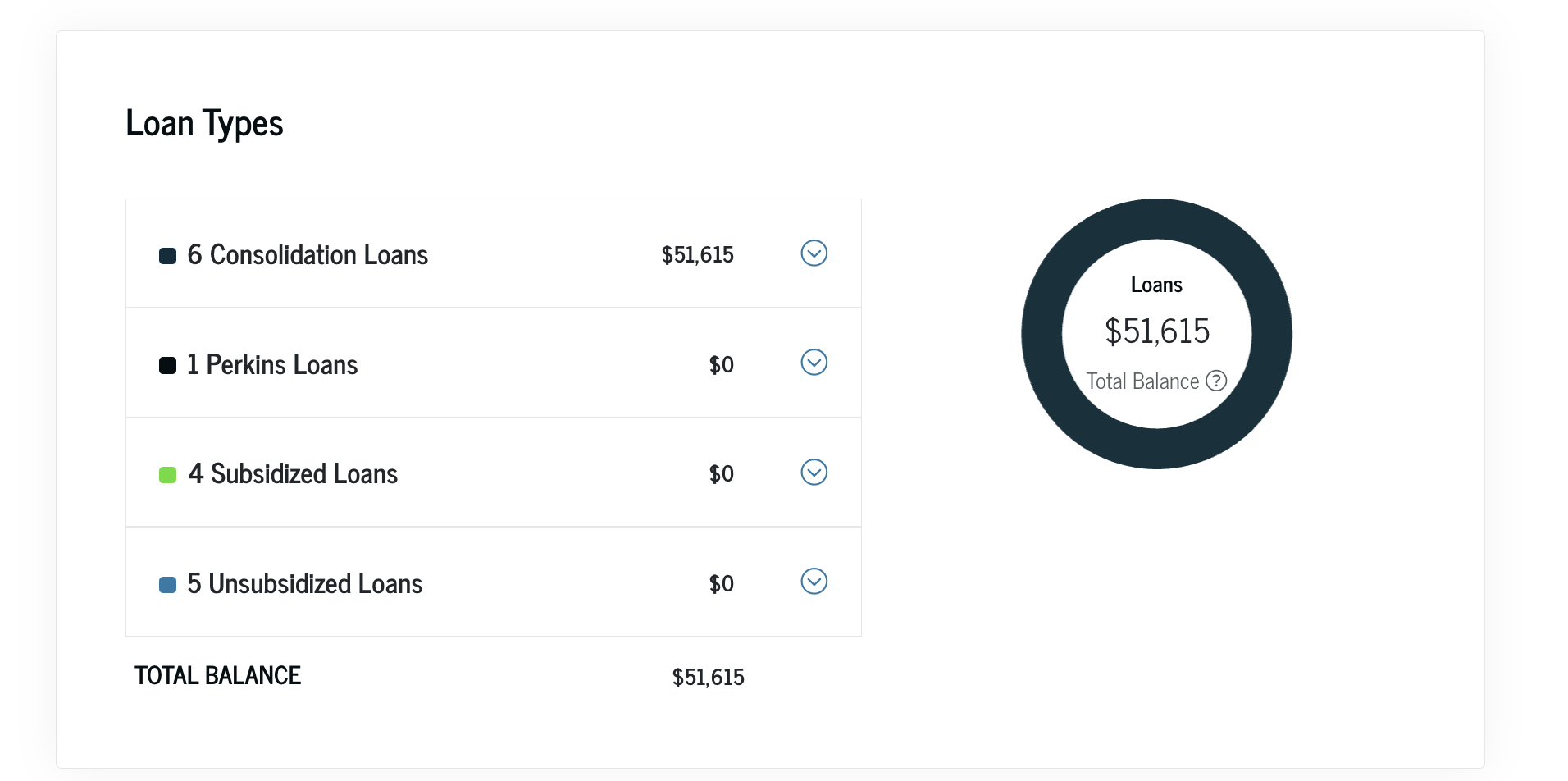
For federal student loans, the primary repository of your information is the National Student Loan Data System (NSLDS). This is a central database maintained by the U.S. Department of Education that tracks all federal grants and loans. By logging in with your FSA ID (the same one you used for the FAFSA), you can access a comprehensive summary of your federal loan history. This includes:
- Loan Servicers: The companies assigned to collect your payments.
- Loan Types: Whether they are Stafford, Perkins, PLUS loans, etc.
- Original Loan Amounts: How much you initially borrowed.
- Current Balances: What you still owe.
- Disbursement Dates: When the funds were released.
- Interest Rates: The annual percentage rate charged.
- Loan Status: In-school, grace period, repayment, deferment, forbearance, or default.
The NSLDS is an invaluable tool for federal borrowers. It provides a holistic view that might otherwise be scattered across multiple servicer accounts if your loans were transferred over time. Regularly checking this system is a good practice, especially if you suspect changes in your loan status or servicer.
Private Student Loans: Contacting Your Lender
Private student loans, unlike their federal counterparts, are not tracked by the NSLDS. These loans are typically issued by banks, credit unions, or other private financial institutions. If you’ve taken out private loans, you’ll need to locate the original lender or the current servicer to get details.
Here are a few ways to track them down:
- Credit Report: Your credit report is an excellent resource for identifying all types of loans, including private student loans. Equifax, Experian, and TransUnion (the three major credit bureaus) provide free annual credit reports. Any active private student loan will be listed, along with the lender’s name and contact information.
- Bank Statements/Email Records: Search your old bank statements or email archives for records related to loan disbursements or initial payment notices. The lender’s name will almost certainly be present.
- Original Loan Documents: If you kept physical or digital copies of your loan agreements, these will contain all the necessary details, including the lender’s identity and the loan terms.
Once you identify the lender or servicer, you can contact them directly to set up an online account or retrieve your loan details. It’s crucial to gather this information, as private loans often have different terms, interest rates, and fewer borrower protections than federal loans.
The Importance of a Consolidated View
Regardless of whether your loans are federal, private, or a mix of both, the ultimate goal is to create a consolidated view of all your student loan debt. This means knowing the total outstanding balance across all loans, the aggregate interest rate, and the sum of your monthly payments. Many borrowers make the mistake of managing each loan in isolation, leading to missed opportunities for consolidation, refinancing, or optimizing repayment strategies. A comprehensive understanding of your entire student loan portfolio is the foundation for effective financial planning.
Understanding Your Loan Landscape: Key Details to Uncover
Once you’ve located your loans, the next step is to delve into the specifics. Simply knowing where your loans are isn’t enough; you need to understand the intricate details that dictate your repayment journey. This detailed understanding empowers you to make informed decisions and avoid costly mistakes.
Loan Servicers: Who You Pay
Your loan servicer is the company that handles the billing and other services for your student loan. They are your primary point of contact for questions about your loan, payment processing, and exploring repayment options. For federal loans, common servicers include Nelnet, Aidvantage, MOHELA, and Edfinancial Services. Private loans will have servicers tied to the issuing bank or a third-party company.
It’s vital to:
- Know your servicer(s): Who do you send payments to?
- Set up online accounts: This allows you to view statements, make payments, and access important documents digitally.
- Understand their communication: Keep an eye on emails and physical mail from your servicer, as they often contain crucial updates regarding your loan status, policy changes, or available relief programs.
Interest Rates and Accrual: The Cost of Borrowing
Interest is the “cost” of borrowing money, and it can significantly impact the total amount you repay over the life of your loan. You need to identify:
- Fixed vs. Variable Rates: Fixed rates remain the same throughout the loan term, providing predictability. Variable rates can fluctuate based on market indices, potentially increasing your monthly payments. Federal loans typically have fixed rates, while private loans can have either.
- Interest Accrual: Understand how interest accrues. Does it accrue daily? Monthly? Is it capitalized (added to your principal balance) under certain conditions, like after forbearance? Capitalization can increase your principal balance, meaning you’ll pay interest on a larger amount.
- Weighted Average Interest Rate: If you have multiple loans with different interest rates, calculate your weighted average interest rate. This gives you a clearer picture of your overall interest burden and can help you prioritize which loans to pay down faster or whether consolidation/refinancing makes sense.
Repayment Status and Due Dates: Staying on Track
Knowing your current repayment status and payment due dates is fundamental to avoiding late fees and negative impacts on your credit score.
- Repayment Status: Are your loans in an in-school deferment, grace period, active repayment, forbearance, or deferment? Understanding this status impacts whether payments are currently due.
- Due Dates: Missing a payment can lead to late fees and eventually default. Automating payments can help ensure you never miss a due date.
- Minimum Payments: Know the exact minimum payment required for each loan. While paying only the minimum is a valid strategy for some, understanding it is the baseline for your budget.
Loan Types and Terms: Federal vs. Private Nuances
The type of student loan you have dictates the rules, protections, and repayment options available to you.
- Federal Loans: Come with various benefits and protections, such as income-driven repayment plans, deferment/forbearance options, and potential for loan forgiveness programs (e.g., PSLF). They often have fixed interest rates and are typically easier to manage during periods of financial hardship.
- Private Loans: Generally offer fewer protections and more rigid repayment terms. They may have variable interest rates and are often credit-score dependent. Options like income-driven repayment or forgiveness are rare. Understanding these differences is crucial for selecting appropriate management strategies.
Strategies for Effective Student Loan Management
Once you have a clear picture of where your loans are and what their terms entail, you can start implementing strategies to manage them effectively. The goal is not just to repay them, but to do so in the most financially advantageous way for your personal situation.
Consolidating Your Loans: Streamlining Payments
Loan consolidation involves combining multiple federal student loans into a single new loan with one servicer and one monthly payment. This can simplify your financial life and potentially extend your repayment period, lowering your monthly payment.

- Direct Consolidation Loan: This is the primary federal option. It bundles eligible federal loans into a new Direct Consolidation Loan. The interest rate is a weighted average of your existing loans, rounded up to the nearest one-eighth of a percent, meaning it typically doesn’t lower your interest rate but simplifies payments and can unlock access to certain income-driven repayment plans or PSLF for older FFEL loans.
- Benefits: Simplified billing, potential access to new repayment plans, and potentially ending default status.
- Considerations: Extending the repayment term means paying more interest over time, and you might lose certain borrower benefits associated with your original loans (e.g., interest rate subsidies for Perkins Loans).
Refinancing for Better Terms: A Private Market Option
Refinancing is a different process, typically offered by private lenders, where you take out a new private loan to pay off one or more existing student loans (federal, private, or a mix). The primary goal is usually to secure a lower interest rate, which can save you a significant amount over the life of the loan.
- Eligibility: Lenders typically require good credit, a stable income, and a low debt-to-income ratio. A co-signer may be necessary if you don’t meet the requirements independently.
- Benefits: Potentially lower interest rates (especially if your credit has improved since you originally borrowed), a single monthly payment, and the ability to choose a new loan term.
- Major Consideration: If you refinance federal loans into a private loan, you forfeit all federal borrower protections, including access to income-driven repayment plans, deferment/forbearance options, and federal loan forgiveness programs. This is a significant trade-off that requires careful consideration.
Income-Driven Repayment (IDR) Plans: Federal Relief Valves
For federal student loan borrowers, Income-Driven Repayment (IDR) plans are a crucial safety net. These plans adjust your monthly payment based on your income and family size, making your payments more affordable. After a certain number of qualifying payments (usually 20 or 25 years), any remaining balance may be forgiven.
- Types: PAYE (Pay As You Earn), REPAYE (Revised Pay As You Earn), IBR (Income-Based Repayment), and ICR (Income-Contingent Repayment). Each has slightly different eligibility criteria and payment formulas.
- Benefits: Affordable payments, protection against default, and potential for loan forgiveness.
- Considerations: Interest can still accrue, and the forgiven amount at the end of the term may be subject to income tax (though this is temporarily suspended for federal loan forgiveness programs until 2025). You must recertify your income and family size annually.
Public Service Loan Forgiveness (PSLF) and Other Programs
Federal loan borrowers working in eligible public service jobs (government, non-profits) may qualify for Public Service Loan Forgiveness (PSLF). After making 120 qualifying monthly payments while working full-time for an eligible employer and on an eligible repayment plan (typically IDR plans), your remaining federal Direct Loan balance can be forgiven tax-free.
- Eligibility: Specific job types, full-time employment, and Direct Loans (FFEL and Perkins loans need to be consolidated into a Direct Loan first).
- Other Programs: Depending on your profession (e.g., teachers, nurses, doctors in underserved areas), you might qualify for other state-specific or federal loan forgiveness or repayment assistance programs. Research these options thoroughly.
Leveraging Financial Tools for Student Loan Oversight
In today’s digital age, a plethora of financial tools can help you keep track of your student loans and manage them more efficiently. These tools range from simple budgeting apps to comprehensive debt management platforms.
Budgeting Apps and Debt Trackers
Many popular budgeting apps (e.g., Mint, YNAB, Personal Capital, Empower) allow you to link all your financial accounts, including student loans. This provides a holistic view of your finances, enabling you to:
- Track all balances: See your total student loan debt at a glance.
- Monitor payments: Ensure payments are processed correctly and on time.
- Visualize progress: Watch your debt decrease over time, which can be highly motivating.
- Analyze spending: Identify areas where you can cut back to free up more money for loan payments.
- Dedicated Debt Tracking Tools: Some apps specialize in debt management, offering features like debt snowball/avalanche calculators to optimize repayment strategies.
Automated Payments and Alerts
Almost all loan servicers offer automated payment options, where your monthly payment is automatically deducted from your bank account.
- Benefits: Prevents missed payments, avoids late fees, and some federal loan servicers even offer a slight interest rate reduction (e.g., 0.25%) for enrolling in auto-pay.
- Alerts: Set up email or text alerts for payment reminders, upcoming due dates, and confirmation of payments made. This adds another layer of security against missed payments.
Financial Advisors and Credit Counselors
For complex financial situations or if you feel overwhelmed, professional guidance can be invaluable.
- Financial Advisors: A certified financial planner can help you integrate student loan repayment into your broader financial plan, considering your investment goals, retirement savings, and other debts.
- Non-Profit Credit Counselors: Organizations like the National Foundation for Credit Counseling (NFCC) offer free or low-cost counseling services, including advice on debt management plans and navigating student loan options. Be wary of “debt relief” companies that charge upfront fees and promise quick fixes; many are scams.
Proactive Steps for a Debt-Free Future
Finding and understanding your student loans is just the beginning. The ultimate goal is to proactively manage them to achieve a debt-free future. This requires consistent effort and strategic financial planning.
Building an Emergency Fund
Before aggressively paying down debt, prioritize building an emergency fund. This fund, typically 3-6 months’ worth of essential living expenses, acts as a financial buffer.
- Why it’s crucial: If an unexpected expense or job loss occurs, you won’t be forced to miss student loan payments or take on high-interest debt to cover the shortfall. It provides stability and prevents a financial setback from derailing your repayment plan.
Strategic Extra Payments
Once you have an emergency fund, consider making extra payments towards your student loans. Even small additional amounts can significantly reduce the total interest paid and the repayment term.
- High-Interest First (Debt Avalanche): Focus extra payments on the loan with the highest interest rate first, while making minimum payments on all others. This strategy saves you the most money over time.
- Smallest Balance First (Debt Snowball): Focus extra payments on the loan with the smallest balance first, regardless of interest rate. Once that loan is paid off, roll that payment amount into the next smallest loan. This strategy provides psychological wins and motivation.
- Communicate with Servicer: If making extra payments, explicitly instruct your servicer to apply the additional amount to the principal of a specific loan, rather than simply advancing your due date.

Avoiding Default and Protecting Your Credit
Defaulting on your student loans carries severe consequences, including damaged credit, wage garnishment, tax refund offset, and potential seizure of federal benefits.
- Communication is Key: If you anticipate difficulty making payments, contact your servicer immediately. Do not wait until you’ve missed payments. They can discuss options like deferment, forbearance, or income-driven repayment plans.
- Credit Score Impact: Your student loan payment history is reported to credit bureaus. On-time payments build a positive credit history, which is essential for future financial endeavors like buying a house or car. Missed payments or default will severely harm your credit score for years.
The journey to understanding and managing your student loans can feel daunting, but it doesn’t have to be. By systematically locating your loan information, delving into the specifics of their terms, and leveraging available strategies and tools, you can gain control over your debt. This proactive approach not only clarifies your financial picture but also lays a strong foundation for a more secure and debt-free future. Knowing “where your student loans are” is the first, most empowering step on that path.
aViewFromTheCave is a participant in the Amazon Services LLC Associates Program, an affiliate advertising program designed to provide a means for sites to earn advertising fees by advertising and linking to Amazon.com. Amazon, the Amazon logo, AmazonSupply, and the AmazonSupply logo are trademarks of Amazon.com, Inc. or its affiliates. As an Amazon Associate we earn affiliate commissions from qualifying purchases.