
The current state of Haiti is often analyzed through the lens of political turmoil or humanitarian crisis, but to understand the root of the nation’s systemic fragility, one must look at the flow—and the stagnation—of money. Once the wealthiest colony in the Americas, often referred to as the “Pearl of the Antilles,” Haiti today represents a complex case study in economic regression.
What happened to Haiti is not a single event, but a series of catastrophic financial pressures, historical debt traps, and the unintended consequences of global economic policies. By examining the fiscal history and the current monetary environment, we can uncover the structural reasons why the nation remains trapped in a cycle of poverty despite billions of dollars in international intervention.
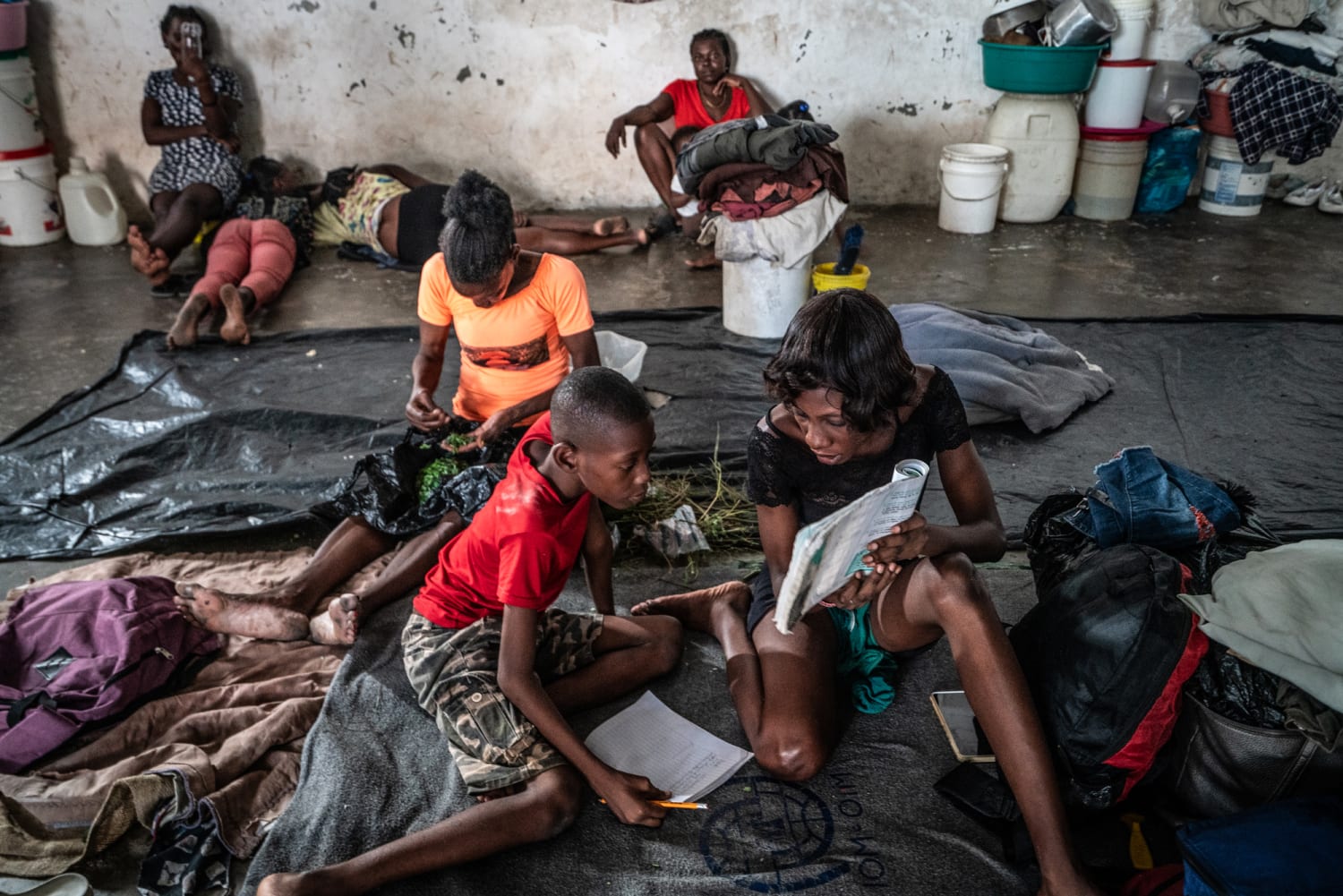
The Historical Debt Trap: A Legacy of Financial Shackles
The economic story of Haiti begins with a financial burden unique in human history. Unlike other nations that began their independence with a clean slate or colonial support, Haiti was forced to buy its freedom. This “independence debt” set the stage for two centuries of underinvestment.
The 1825 Indemnity and the Price of Freedom
In 1825, twenty-one years after Haiti declared independence from France, King Charles X sent a flotilla of warships to Port-au-Prince. The demand was simple: Haiti must pay 150 million francs to compensate French planters for their lost “property”—which included the land and the formerly enslaved people themselves.
To pay this staggering sum, Haiti had to take out massive loans from French banks, creating a “double debt.” The interest on the loans, combined with the principal, meant that for over a century, a significant portion of Haiti’s national revenue was funneled directly back to Paris. It took until 1947 to fully pay off these obligations. This drained the capital that should have been invested in schools, hospitals, and infrastructure, leaving the nation’s treasury perpetually empty.
Long-term Consequences for Infrastructure and Growth
When a nation spends its first 120 years servicing a foreign debt, it cannot build a domestic economy. While the United States and Europe were experiencing the Industrial Revolution and building robust transport networks, Haiti was struggling to pay interest. This lack of foundational investment created a “development gap” that widened every decade. Modern businesses require reliable power, paved roads, and a literate workforce—all of which require public funding that Haiti historically lacked due to its dictated financial priorities.
Systemic Economic Instability and the Modern Crisis
In the 21st century, Haiti’s economic challenges have shifted from external debt to internal instability, characterized by a collapsing currency and the breakdown of formal markets.
Hyperinflation and the Devaluation of the Gourde
The Haitian Gourde has faced a precipitous decline in value over the last decade. In a country that relies heavily on imports for basic necessities—including food and fuel—a weak currency is a recipe for disaster. When the value of the Gourde drops, the cost of living for the average Haitian skyrockets.
Inflation has frequently soared above 40%, eroding the purchasing power of the middle class and pushing those on the brink into absolute poverty. This volatility makes long-term business planning impossible. Entrepreneurs cannot predict their costs, and investors are wary of holding assets in a currency that is constantly losing value against the US dollar.
The Breakdown of Traditional Supply Chains
Money only functions when goods can move. In recent years, the rise of domestic instability and the control of key transit routes by non-state actors have paralyzed the economy. The “money” in the economy is effectively trapped. If a farmer in the south cannot transport produce to the markets in Port-au-Prince because the roads are blocked, the produce rots, and the farmer loses his capital. This disruption of supply chains has led to a “scarcity economy,” where the few goods available are priced far beyond the reach of the general population.

The Remittance Economy: A Double-Edged Sword
One of the most significant financial drivers in Haiti today is not domestic industry or foreign investment, but remittances. The money sent home by the Haitian diaspora—primarily those living in the United States, Canada, and Chile—is the lifeblood of the nation.
Reliance on the Diaspora for Survival
Remittances account for nearly 20% to 30% of Haiti’s total GDP. For many families, this is their only source of “hard currency” (US dollars) that allows them to purchase imported goods. This flow of capital acts as a vital social safety net, providing the funds for education, healthcare, and small-scale entrepreneurship that the state cannot provide. Without this constant infusion of external capital, the Haitian economy would likely have undergone a total systemic collapse years ago.
The Impact on Domestic Productivity
While remittances save lives, they also create a “Dutch Disease” effect in the local economy. When a large portion of the population relies on foreign transfers, there is less incentive to develop local manufacturing or agricultural sectors. Furthermore, the constant influx of foreign currency can keep the local exchange rate artificially high in some sectors while leaving the poorest without access to those funds. This creates a two-tiered economy: those with “diaspora money” and those without, further widening the gap between the wealthy and the impoverished.
Foreign Aid vs. Sustainable Investment
The global community has spent billions of dollars in Haiti, particularly after the 2010 earthquake. However, the “Money” question remains: Why hasn’t this capital resulted in growth?
Why Billions in Aid Failed to Generate Growth
The failure of international aid in Haiti is often attributed to the “NGO Republic” model. Instead of investing in the Haitian government’s capacity to manage its own finances or building local businesses, much of the aid money bypassed local institutions entirely. International organizations often brought in their own staff and supplies, meaning the money circulated back out of the country almost as quickly as it arrived.
A classic example is the subsidized rice imports from the United States. While intended to provide cheap food, these imports undercut local Haitian rice farmers, who could not compete with the low prices. The result was the destruction of a once-thriving agricultural sector, turning Haiti from a net food exporter into a nation dependent on foreign imports—a move that fundamentally weakened its trade balance.
The Missing Middle: SME Development in a High-Risk Environment
For an economy to thrive, it needs a robust “middle”—small and medium-sized enterprises (SMEs) that provide jobs and drive innovation. In Haiti, the “money” is concentrated at the very top (a small group of elite families) or provided as subsistence aid at the bottom. The middle-tier entrepreneurs face impossible hurdles: lack of access to credit, interest rates that can exceed 30%, and a lack of insurance products to protect against political risk. Without a functional banking system that supports SMEs, the engine of economic growth remains stalled.
Future Outlook: Rebuilding a Financial Foundation
The question of “what happened to Haiti” is ultimately a question of how to rebuild a broken financial ecosystem. Moving forward, the focus must shift from temporary aid to structural financial resilience.
Digital Finance as a Potential Tool for Resilience
In the absence of traditional banking infrastructure, digital finance and mobile money have shown promise. Tools like “MonCash” have allowed Haitians to transfer money, pay bills, and save capital without needing to visit a physical bank branch—which can be dangerous in high-conflict areas. By digitizing the economy, Haiti can increase the velocity of money and provide the unbanked population with a digital footprint that may eventually allow them to access formal credit.
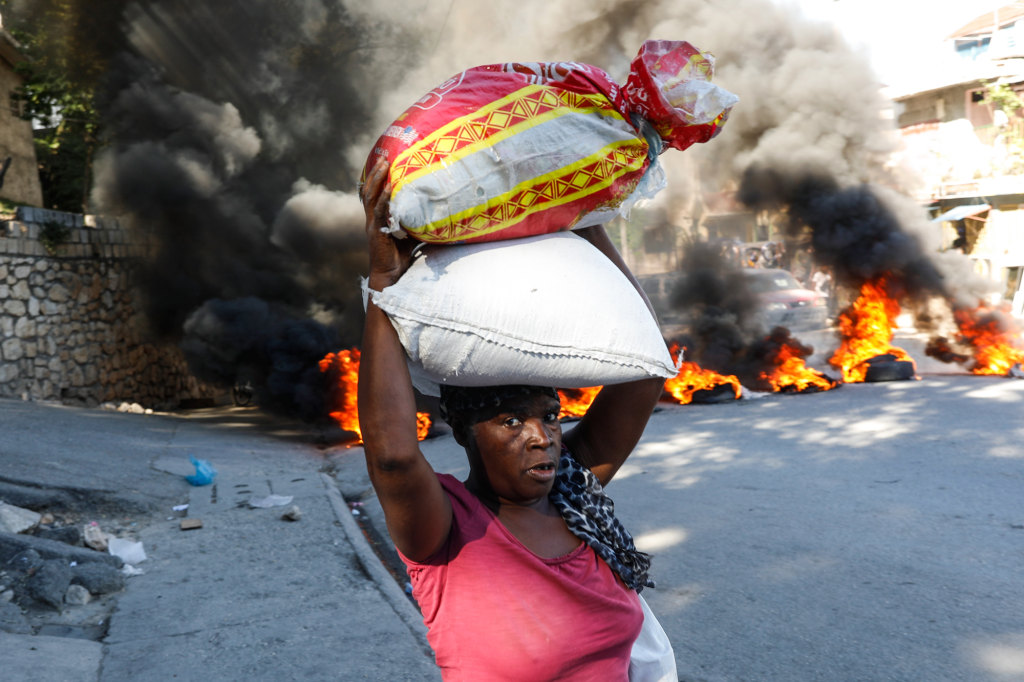
The Path to Sovereign Economic Health
For Haiti to recover, it must move toward a model of sovereign economic health. This involves stabilizing the Gourde, diversifying the economy away from a pure reliance on remittances, and creating a legal framework that protects both domestic and foreign investment. The international community’s role should shift toward “trade, not just aid,” supporting Haitian-led businesses and helping the nation leverage its strategic location in the Caribbean.
In conclusion, the story of Haiti is a reminder that political stability and economic health are inextricably linked. The “Pearl of the Antilles” was lost not to a single disaster, but to a centuries-long drain of capital and a series of systemic financial hurdles. Solving “what happened” requires more than just charity; it requires a fundamental restructuring of how money flows into, within, and out of the nation.
aViewFromTheCave is a participant in the Amazon Services LLC Associates Program, an affiliate advertising program designed to provide a means for sites to earn advertising fees by advertising and linking to Amazon.com. Amazon, the Amazon logo, AmazonSupply, and the AmazonSupply logo are trademarks of Amazon.com, Inc. or its affiliates. As an Amazon Associate we earn affiliate commissions from qualifying purchases.