
When one considers the world’s most influential technology companies, Microsoft invariably tops the list. Yet, beyond the ubiquitous software and groundbreaking innovations, there lies a foundational element that has shaped its identity, culture, and enduring legacy: its physical base. To ask “where are Microsoft based” is not merely to inquire about a geographical coordinate; it is to delve into the very corporate identity and brand strategy that have defined this tech giant for decades. Microsoft’s headquarters, primarily nestled in Redmond, Washington, is far more than just a collection of buildings; it is the spiritual and strategic heart of a global brand, a testament to its journey from a small startup to a multinational powerhouse, and a living embodiment of its corporate values.
Understanding Microsoft’s base in Redmond offers profound insights into its brand. It illuminates how a physical location can foster a distinct corporate culture, influence brand perception, and serve as a powerful beacon for talent and innovation. This article will explore the multifaceted relationship between Microsoft’s Redmond home and its overarching brand identity, dissecting how this specific location has been instrumental in crafting one of the most recognized and influential brands in history.
The Iconic Home: Redmond and Microsoft’s Corporate Identity
Microsoft’s association with Redmond, Washington, is almost synonymous with its brand itself. For many, “Redmond” is shorthand for Microsoft, a testament to the deep integration of place and corporate identity. This relationship wasn’t accidental but evolved from strategic choices, cultural development, and the unique environment of the Pacific Northwest.
The Birthplace of Innovation: Why Redmond?
The story of Microsoft’s base begins not in Redmond itself, but in Albuquerque, New Mexico, where Bill Gates and Paul Allen first founded the company in 1975. Their initial move to Bellevue, Washington, in 1979, was a return to their roots in the Seattle area, a strategic decision driven by the availability of skilled programmers and proximity to family. As Microsoft rapidly expanded in the early 1980s, outgrowing its various offices in Bellevue, the need for a dedicated, larger campus became critical. In 1986, Microsoft officially moved to its purpose-built campus in Redmond, a then-sleepy suburb east of Seattle.
The choice of Redmond was strategic on multiple fronts. It offered ample space for growth, which was paramount for a company with such ambitious visions. The relatively lower cost of land compared to downtown Seattle, coupled with its serene environment, provided an ideal setting for focused, long-term development. Crucially, the move consolidated Microsoft’s burgeoning workforce into a single, cohesive campus, fostering a unique sense of community and collaboration that became intrinsic to its brand. This consolidation was not just about efficiency; it was about cultivating a distinct corporate culture, one built on intense work, intellectual curiosity, and a shared mission to put “a computer on every desk and in every home.” The brand identity of Microsoft, from its early days, was therefore inextricably linked to this geographically specific and intentionally designed environment. The proximity to leading universities and a growing pool of tech talent in the Seattle metropolitan area further cemented Redmond’s appeal, laying the groundwork for a self-reinforcing ecosystem of innovation.
Campus as a Crucible of Culture: Reflecting Brand Values
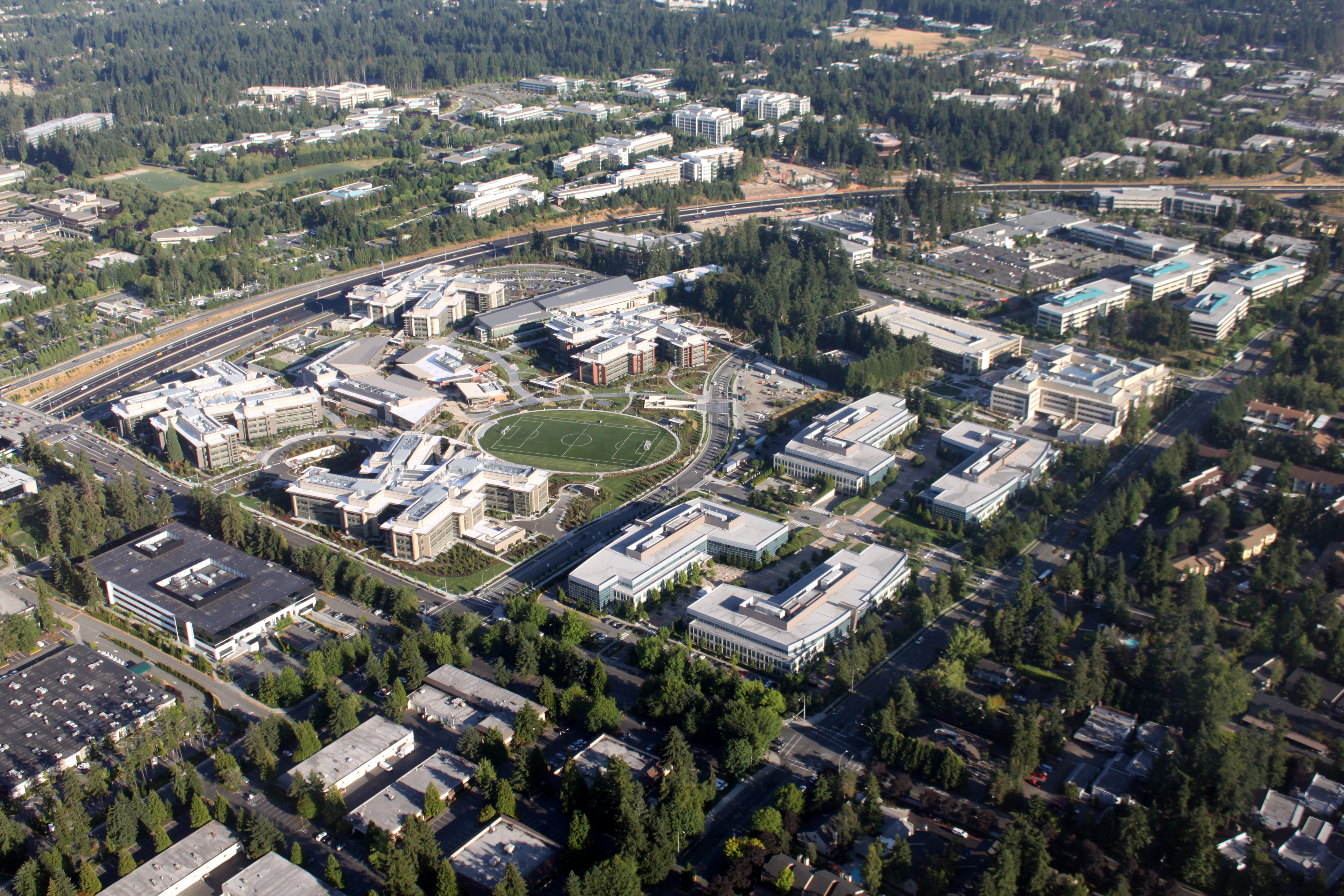
The Microsoft campus in Redmond is a sprawling, meticulously designed ecosystem, often described as a city within a city. Far from being just a collection of office buildings, it is a deliberate manifestation of Microsoft’s brand values and corporate culture. The architecture, the landscaping, the amenities—everything is geared towards fostering a specific work environment that encourages creativity, collaboration, and continuous learning.
The campus’s layout, with its numerous low-rise buildings connected by walkways and green spaces, promotes a sense of openness and accessibility. Unlike high-rise corporate towers, the Redmond campus design encourages interaction and a less hierarchical feel, aligning with a brand that, despite its size, values innovation from all levels. Amenities ranging from extensive sports facilities and diverse dining options to on-site healthcare and retail services are not mere perks; they are strategic investments in employee well-being and productivity, reinforcing Microsoft’s brand as a responsible, caring employer. This emphasis on employee experience directly feeds into the external brand perception, positioning Microsoft as a desirable workplace and a company that invests in its people.
Furthermore, the campus serves as a physical representation of Microsoft’s evolution. As the company shifted its brand from a focus on individual software products to a more holistic vision of cloud services, AI, and integrated ecosystems, the campus has also evolved. Modernization efforts, sustainable building practices, and flexible workspaces reflect Microsoft’s current brand values of sustainability, innovation, and adaptability. The campus is not static; it is a dynamic space that continually reflects and reinforces the contemporary iteration of the Microsoft brand, allowing employees and visitors alike to physically experience the company’s identity and aspirations.
From Local Roots to Global Reach: Expanding the Brand Footprint
While Redmond remains the spiritual home, Microsoft’s brand is inherently global. The company operates in virtually every country, with regional offices, data centers, and development hubs spanning continents. This global presence extends the Microsoft brand far beyond the confines of Washington State, creating a complex tapestry of localized identities under a unified corporate umbrella.
Decentralizing Innovation: Global Offices and Specialized Brands
Microsoft’s brand strategy expertly manages a dual approach: maintaining a strong central identity rooted in Redmond while allowing for the development of specialized brands and localized operations worldwide. Consider acquisitions like LinkedIn and GitHub. While integrated into the broader Microsoft ecosystem, these entities largely retain their distinct brand identities, cultures, and operational bases. LinkedIn, headquartered in Sunnyvale, California, and GitHub, based in San Francisco, maintain their unique brand voices and user communities, which Microsoft strategically nurtures rather than subsumes entirely. This demonstrates a sophisticated understanding of brand equity – recognizing that the strength of these acquired brands often lies in their existing distinctiveness.
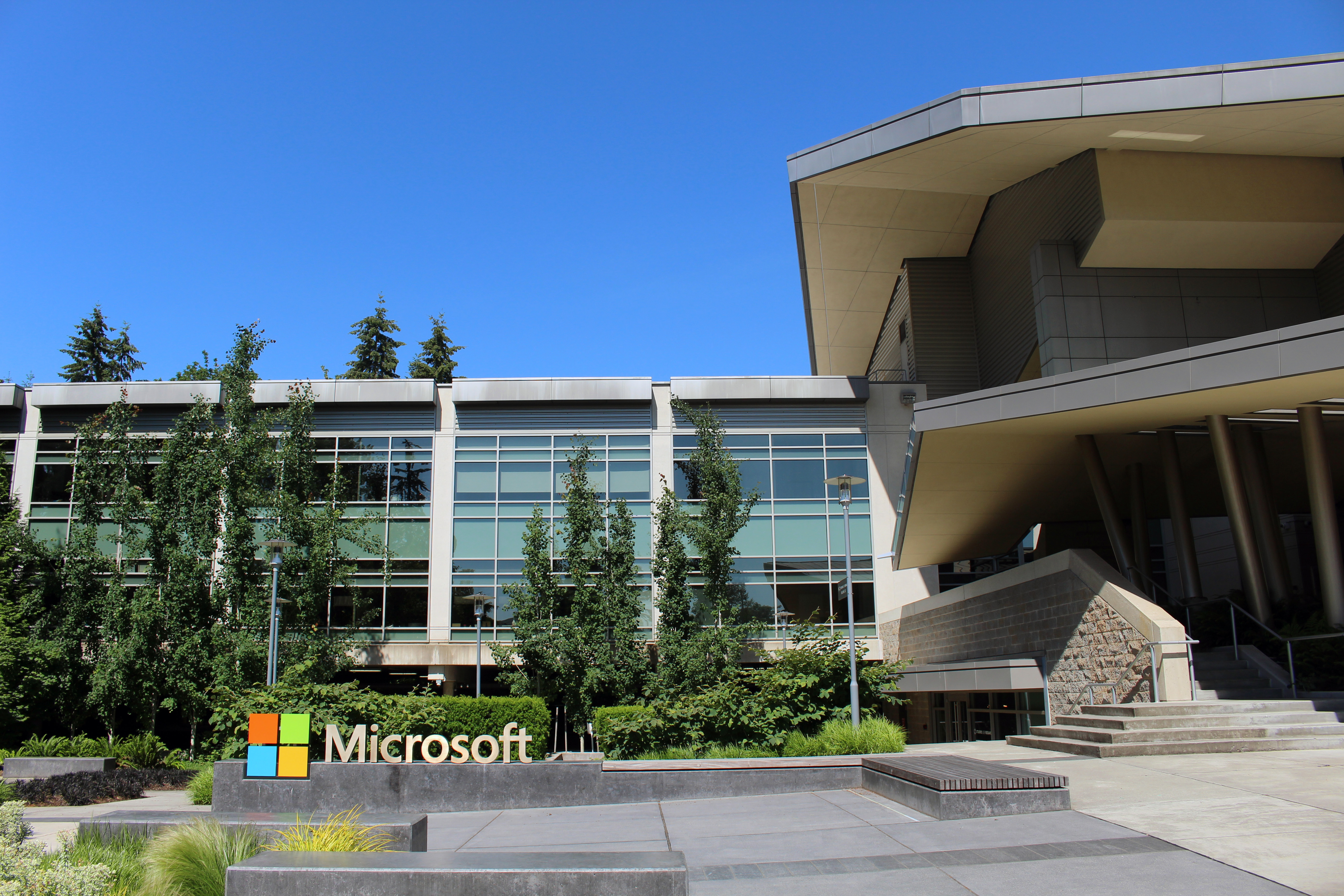
Similarly, Microsoft’s global development centers, such as those in Hyderabad, India, or Dublin, Ireland, are not merely extensions of Redmond; they often become centers of excellence for specific product lines or research areas. These locations contribute to the global innovation footprint, allowing Microsoft to tap into diverse talent pools and cultural perspectives. Each regional office, while adhering to core Microsoft brand guidelines, also adapts to local market nuances, fostering a sense of belonging and relevance within diverse global communities. This decentralized approach to innovation and brand management allows Microsoft to maintain its position as a global leader while resonating deeply with local markets, a key component of its long-term brand sustainability.
The Local Connection: Engaging Global Communities
Beyond corporate offices, Microsoft’s global brand presence is cemented through extensive community engagement and Corporate Social Responsibility (CSR) initiatives. Whether it’s through philanthropic endeavors, educational programs, or partnerships with local businesses, Microsoft actively embeds itself within the communities where it operates. This local connection is vital for building trust and enhancing brand reputation globally.
For instance, Microsoft invests heavily in digital literacy programs in underserved communities worldwide, supports local startups through accelerators, and contributes to environmental sustainability projects. These efforts are not just altruistic; they are critical elements of Microsoft’s brand strategy. By demonstrating a commitment to global citizenship, Microsoft strengthens its brand image as a responsible and impactful corporate entity. This localized engagement ensures that the Microsoft brand is perceived not just as a technology provider but as a partner in progress, contributing positively to local economies and societies. In essence, while Redmond provides the anchor for its corporate identity, Microsoft’s global offices and community initiatives weave a broader narrative, ensuring the brand remains relevant and respected across diverse cultural landscapes.
The “Redmond Effect”: Shaping Perception and Employer Brand
The enduring presence in Redmond has generated a powerful “Redmond Effect,” influencing both external perceptions of Microsoft and its internal employer brand. This effect is a critical, often understated, aspect of its overall brand strategy.
Attracting Top Talent: The Lure of the Headquarters
For decades, working at Microsoft’s Redmond headquarters has been considered a pinnacle achievement for many in the tech industry. The campus itself acts as a powerful magnet for talent, embodying the prestige, innovation, and career opportunities that the Microsoft brand promises. The idea of “going to Redmond” signifies entering a world-class environment where one can work on cutting-edge technologies and collaborate with some of the brightest minds.
This employer branding extends beyond mere compensation; it’s about the allure of contributing to a legacy, being part of a company that shapes the future. The sheer scale of the Redmond campus, with its specialized labs, vast resources, and intellectual vibrancy, projects an image of stability and boundless potential. Microsoft’s brand in the talent market is therefore inextricably linked to its physical headquarters – a symbol of its commitment to engineering excellence, research, and employee growth. The investment in creating a comprehensive and amenity-rich campus directly reinforces the brand’s commitment to its employees, making it a highly sought-after destination for professionals globally.
Symbol of Stability and Legacy: The Enduring Brand Image
In an industry characterized by rapid change and often fleeting trends, Microsoft’s consistent presence in Redmond provides a powerful symbol of stability and legacy. This steadfastness contributes significantly to the brand’s image of reliability and trustworthiness. For consumers, partners, and investors, a stable and well-established headquarters communicates a sense of permanence and foundational strength, qualities highly valued in a volatile market.
The Redmond campus represents decades of continuous innovation and sustained success. It tells a story of perseverance, adaptability, and the ability to navigate technological shifts while maintaining core values. This narrative, deeply ingrained in the Redmond location, reinforces the Microsoft brand as one that is built for the long haul—a dependable partner and a leader that has stood the test of time. This perception of stability, emanating from its unwavering physical base, is a crucial differentiator, building confidence in Microsoft’s products and services, and strengthening its overall brand equity in the global marketplace.
Evolving Identity: The Future of Microsoft’s Physical Presence
The digital age, accelerated by recent global shifts, is challenging traditional notions of the workplace and, consequently, the role of corporate headquarters. Microsoft, ever at the forefront of technological and organizational evolution, is actively adapting its physical presence to align with its future brand identity.
Hybrid Work and Digital Transformation: Impact on Physical Space
The advent of widespread hybrid work models has prompted a re-evaluation of the purpose and design of physical office spaces, even for a company as rooted in its campus as Microsoft. While remote and hybrid work offer increased flexibility and access to a wider talent pool, they also necessitate a rethinking of how the headquarters functions. For Microsoft, this means transforming the Redmond campus from primarily a daily workspace into a hub for collaboration, innovation, and culture-building.
The brand message inherent in this transformation is clear: Microsoft is a forward-thinking company that embraces flexibility and empowers its employees, regardless of their physical location. The campus becomes less about individual desks and more about shared experiences, specialized facilities (like labs and studios), and spaces designed to foster serendipitous interactions and collective problem-solving. This evolution of the physical space directly mirrors Microsoft’s brand evolution—from a company focused on individual productivity tools to one that emphasizes collaboration, cloud-based ecosystems, and a more inclusive approach to work. The brand is adapting its physical manifestation to reflect its digital transformation, ensuring its headquarters remains relevant and aligned with its contemporary identity.
Sustainability and Modernization: Aligning Physical Presence with Future Brand Values
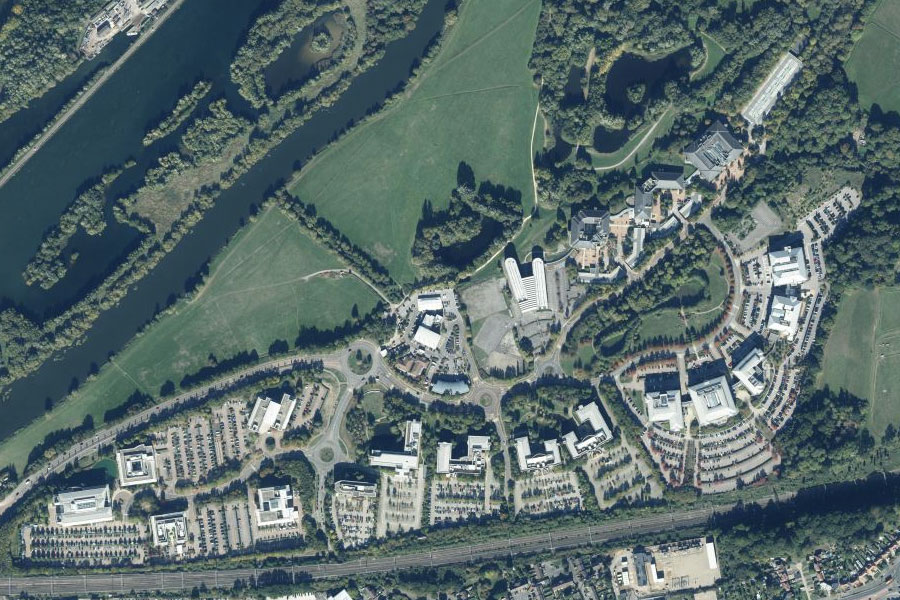
Looking to the future, Microsoft’s investment in modernizing its Redmond campus is deeply intertwined with its brand values of sustainability, technological advancement, and a commitment to global responsibility. The ongoing multi-year campus redesign project, for example, is not just an aesthetic upgrade; it’s a strategic move to create a more eco-friendly, energy-efficient, and technologically advanced environment. This includes commitments to achieving a net-zero water footprint, zero waste, and operating on 100% renewable energy.
These initiatives are crucial for reinforcing Microsoft’s brand as a leader not only in technology but also in corporate citizenship and environmental stewardship. In an era where consumers, employees, and investors increasingly value sustainability, Microsoft’s tangible efforts at its headquarters send a powerful message about its brand integrity and its commitment to a better future. The “Redmond Effect” of tomorrow will thus not only be about innovation and talent but also about leading by example in creating sustainable and technologically integrated workspaces that reflect a truly forward-looking global brand. The physical base, therefore, continues to be a dynamic canvas upon which Microsoft paints its evolving brand story.
aViewFromTheCave is a participant in the Amazon Services LLC Associates Program, an affiliate advertising program designed to provide a means for sites to earn advertising fees by advertising and linking to Amazon.com. Amazon, the Amazon logo, AmazonSupply, and the AmazonSupply logo are trademarks of Amazon.com, Inc. or its affiliates. As an Amazon Associate we earn affiliate commissions from qualifying purchases.