
The question of where interest rates are headed looms large over every corner of the global economy, from the individual homeowner and small business owner to multinational corporations and sovereign wealth funds. After a period of historically low rates, central banks worldwide embarked on an aggressive tightening cycle to combat persistent inflation. Now, as the economic landscape shifts, uncertainty abounds regarding the future trajectory of borrowing costs and investment returns. Understanding the forces at play and potential outcomes is not merely an academic exercise; it’s crucial for strategic financial planning, risk management, and seizing opportunities in an evolving market. This article delves into the complex dynamics influencing interest rate decisions, exploring key indicators, potential scenarios, and the implications for various financial stakeholders.
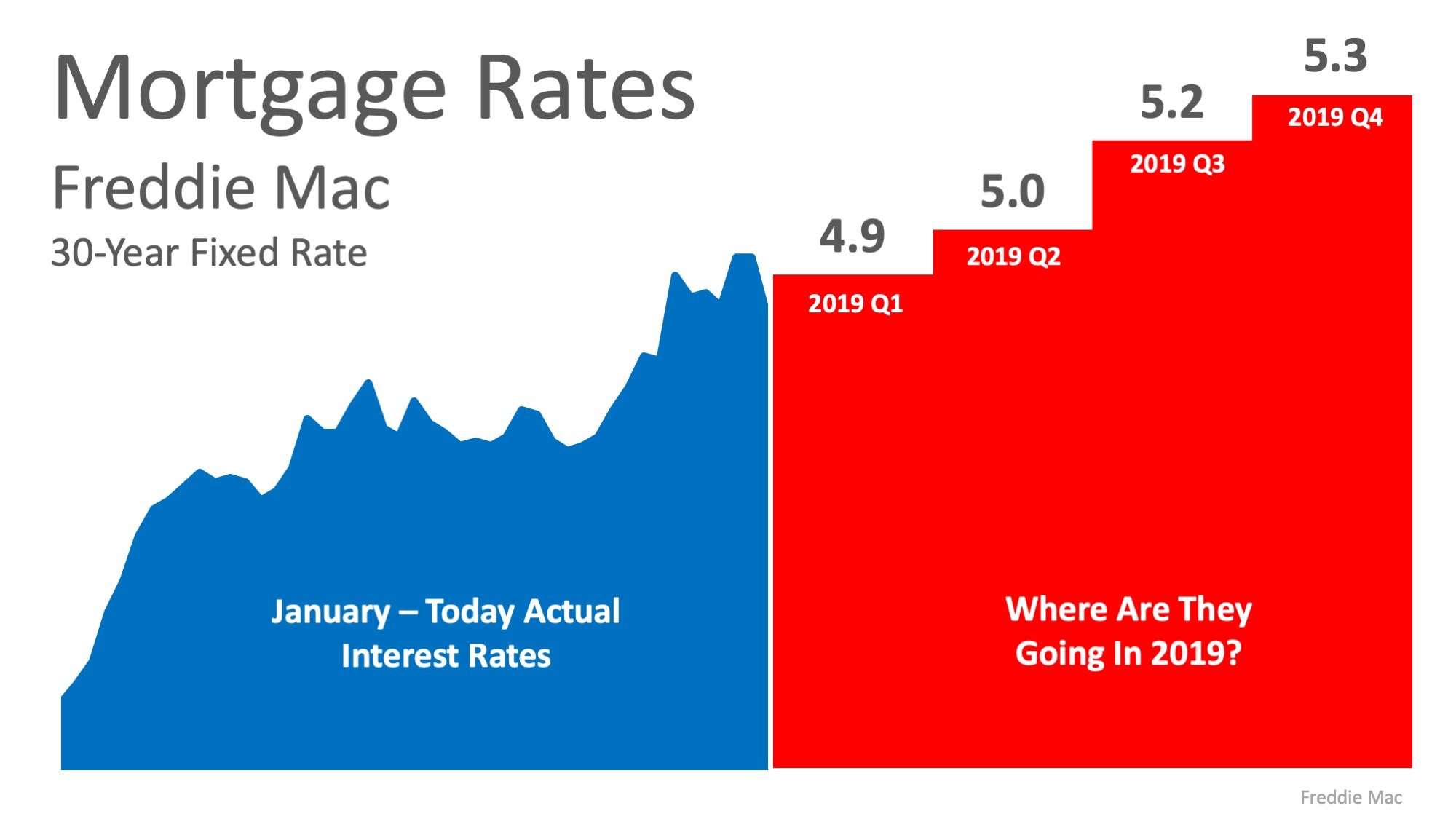
The Central Bank’s Tightrope Walk: Inflation vs. Growth
Central banks, such as the Federal Reserve in the United States, the European Central Bank, and the Bank of England, are the primary architects of monetary policy. Their decisions on interest rates are a delicate balancing act, aimed at achieving specific economic mandates without destabilizing the broader financial system.
Understanding the Mandate
Most central banks operate with a dual mandate: achieving price stability (controlling inflation) and fostering maximum sustainable employment. These two objectives can often pull in different directions. When inflation is high, central banks tend to raise rates to cool down the economy. However, overly aggressive tightening risks stifling economic growth and increasing unemployment. Conversely, when growth is sluggish, central banks may lower rates to stimulate borrowing and spending, but this can risk overheating the economy and triggering inflation. The current environment has seen inflation take precedence, but concerns about potential economic slowdowns are increasingly influencing policy discussions.
The Inflationary Tug-of-War
The recent surge in inflation has been a multi-faceted phenomenon. Supply chain disruptions, exacerbated by geopolitical events and the aftermath of the pandemic, reduced the availability of goods and services, pushing up prices. Simultaneously, robust consumer demand, fueled by pent-up savings and government stimulus, further contributed to inflationary pressures. Wage growth, while beneficial for workers, can also feed into a wage-price spiral if not matched by productivity gains. Central banks have been keenly watching “sticky inflation” components, such as services, which tend to be less volatile than goods prices and indicate more entrenched inflationary pressures.
Navigating Growth Concerns
While the fight against inflation continues, central banks must also contend with the potential for economic deceleration. Higher interest rates increase the cost of borrowing for businesses, potentially leading to reduced investment, hiring freezes, or even layoffs. For consumers, increased mortgage payments and higher credit card interest can curb spending, which is a significant driver of economic activity. The resilience of the labor market, sustained consumer spending, and corporate earnings reports provide critical insights into the economy’s ability to withstand higher rates. The specter of recession looms large, forcing policymakers to weigh the risks of under-tightening against the risks of over-tightening.
Key Economic Indicators Shaping Future Rate Decisions
Central banks do not make interest rate decisions in a vacuum. They meticulously analyze a vast array of economic data to gauge the health of the economy and predict future trends. Understanding these key indicators is essential for anticipating shifts in monetary policy.
Inflationary Metrics Under the Microscope
The Consumer Price Index (CPI) and the Personal Consumption Expenditures (PCE) price index are among the most closely watched inflation gauges. CPI measures the average change over time in the prices paid by urban consumers for a market basket of consumer goods and services, while PCE is the preferred inflation measure for the Federal Reserve due to its broader coverage and more flexible weighting system. Core inflation, which strips out volatile food and energy prices, provides a clearer picture of underlying price trends. Analysts also scrutinize the Producer Price Index (PPI), which measures inflation at the wholesale level, offering a leading indicator for consumer prices.
The Pulse of the Labor Market
A strong labor market, characterized by low unemployment rates and robust wage growth, can be a double-edged sword for central banks. While indicative of a healthy economy, tight labor markets can contribute to inflationary pressures through rising wages. Key metrics include the unemployment rate, non-farm payrolls (which measure job creation), average hourly earnings, and job openings data. A cooling labor market, with fewer job openings and moderating wage growth, could signal that inflationary pressures are easing, giving central banks more room to pause or even cut rates.
Consumer and Business Sentiment
Confidence levels among consumers and businesses significantly influence spending, investment, and hiring decisions. Retail sales figures provide a direct measure of consumer spending, while industrial production data reflects the output of factories, mines, and utilities. Business investment trends, indicated by capital expenditure reports and surveys of purchasing managers (PMI), reveal how optimistic companies are about future growth. A significant drop in these sentiment indicators could signal a weakening economy, prompting central banks to reconsider their hawkish stance.
Global Economic Headwinds and Tailwinds
No economy operates in isolation. International trade dynamics, currency exchange rates, and global energy prices exert considerable influence. A strong domestic currency can make imports cheaper, helping to curb inflation, but it can also make exports more expensive, potentially hurting domestic businesses. Fluctuations in global oil and gas prices have a direct impact on inflation and consumer spending. Geopolitical tensions, trade wars, and the economic performance of major trading partners all feed into the complex calculus of central bank policy.
The Impact of Interest Rate Swings Across the Financial Landscape
Changes in interest rates ripple through every segment of the financial system, affecting individuals, businesses, and investors differently.
Personal Finance: Borrowing Costs and Savings Returns
For individuals, interest rate movements directly impact the cost of borrowing and the returns on savings. Mortgages, particularly adjustable-rate mortgages, see their payments fluctuate. Credit card interest rates, auto loans, and personal loans generally rise with benchmark rates, increasing the burden on borrowers. Conversely, savers benefit from higher interest rates on bank deposits, money market accounts, and certificates of deposit (CDs), which offer better returns. Bond yields also increase, making government and corporate bonds more attractive investments.

Business Finance: Investment and Expansion Decisions
Businesses rely on credit to finance operations, expansion, and capital expenditures. Higher interest rates mean a higher cost of capital, which can deter new investments, slow down hiring, and reduce profitability, especially for debt-heavy companies. Startups and small businesses, often more reliant on borrowing, can find it particularly challenging to secure affordable financing. Conversely, lower rates stimulate business activity, encouraging investment and growth.
Investment Strategies: Stocks, Bonds, and Real Estate
The investment world is highly sensitive to interest rate changes. Higher rates can make bonds more attractive relative to stocks, as their fixed income becomes more appealing. This can lead to a rotation out of equities and into fixed income. Within the stock market, growth stocks, which rely on future earnings potential, tend to be more negatively impacted by higher rates than value stocks, as the present value of their future earnings decreases. The real estate market is also highly correlated with interest rates; higher mortgage rates dampen demand and can lead to price corrections, while lower rates fuel housing booms.
The Broader Economic Ripple Effect
Beyond individual financial decisions and investment portfolios, interest rates influence aggregate demand, inflation expectations, and currency strength. When rates rise, it generally cools down the economy by reducing borrowing and spending, which in turn can help bring down inflation. A country’s currency often strengthens with higher interest rates, as it attracts foreign capital seeking better returns. This strengthening currency can make imports cheaper but exports more expensive, impacting trade balances.
Potential Scenarios for the Path Ahead
The future of interest rates is not a foregone conclusion. Several plausible scenarios could unfold, each with distinct implications for the economy and financial markets.
The “Higher for Longer” Narrative
This scenario posits that inflation remains sticky due to persistent supply issues, strong labor markets, or renewed geopolitical pressures. In response, central banks would be compelled to maintain higher interest rates for an extended period, potentially even resuming rate hikes. This outcome would put continued pressure on borrowers, dampen corporate earnings, and could lead to a more significant economic slowdown or even a mild recession, as the cumulative effect of higher rates bites harder.
The Soft Landing Optimism
The most desirable, albeit challenging, outcome is a “soft landing.” In this scenario, inflation gradually recedes towards central bank targets without triggering a severe economic recession. This would imply that past rate hikes have been effective, and economic growth moderates gracefully, allowing central banks to pause their tightening cycle and eventually consider modest rate cuts to support growth. This outcome would likely see a stabilization in financial markets and a gradual improvement in consumer and business confidence.
The Hard Landing Pessimism
A hard landing entails a significant economic downturn or a deep recession. This could occur if central banks overtighten, pushing the economy into a sharp contraction, or if unforeseen economic shocks emerge. In this scenario, unemployment would rise significantly, corporate profits would plummet, and financial markets could experience substantial volatility. Central banks would then likely be forced to rapidly cut rates to stimulate the economy, but recovery could be protracted.
The Unpredictable Black Swans
Beyond these relatively conventional scenarios, the global economy is always susceptible to “black swan” events—unforeseeable and high-impact events. These could range from major geopolitical conflicts, new global pandemics, or unprecedented technological disruptions to widespread financial crises. Such events would drastically alter the economic outlook and force central banks to pivot their monetary policies rapidly in response, leading to unpredictable interest rate movements.
Strategies for Navigating an Evolving Interest Rate Environment
Given the uncertainty, individuals, businesses, and investors must adopt flexible and informed strategies to navigate the shifting interest rate landscape.
For Individuals
Prudent personal finance is paramount. Review and refinance high-interest debt, such as credit card balances, to minimize interest costs. For mortgages, consider the stability of fixed-rate options versus the potential volatility of variable rates. Boost emergency savings, taking advantage of higher returns on cash deposits. Diversify investment portfolios, ensuring a mix of assets that perform differently across various economic conditions. Stay informed about economic forecasts and central bank communications to make timely adjustments to your financial plan.
For Businesses
Cash flow management becomes even more critical. Businesses should meticulously monitor their working capital, manage inventory efficiently, and optimize accounts receivable and payable. Consider hedging strategies to mitigate interest rate risk on loans and borrowings. Prioritize strategic investments that offer clear returns and enhance productivity rather than embarking on speculative expansions. Maintain strong relationships with lenders and explore various financing options to ensure access to capital.
For Investors
A diversified and rebalanced portfolio is key. Consider adjusting asset allocation to reflect current economic realities—perhaps increasing exposure to dividend-paying stocks, value companies, or shorter-duration bonds during periods of higher rates. Re-evaluate real estate investments, understanding that property values may adjust to higher financing costs. Maintain a long-term perspective and avoid making impulsive decisions based on short-term market fluctuations. Educate yourself on different asset classes and their sensitivity to interest rate changes to build a resilient investment strategy.
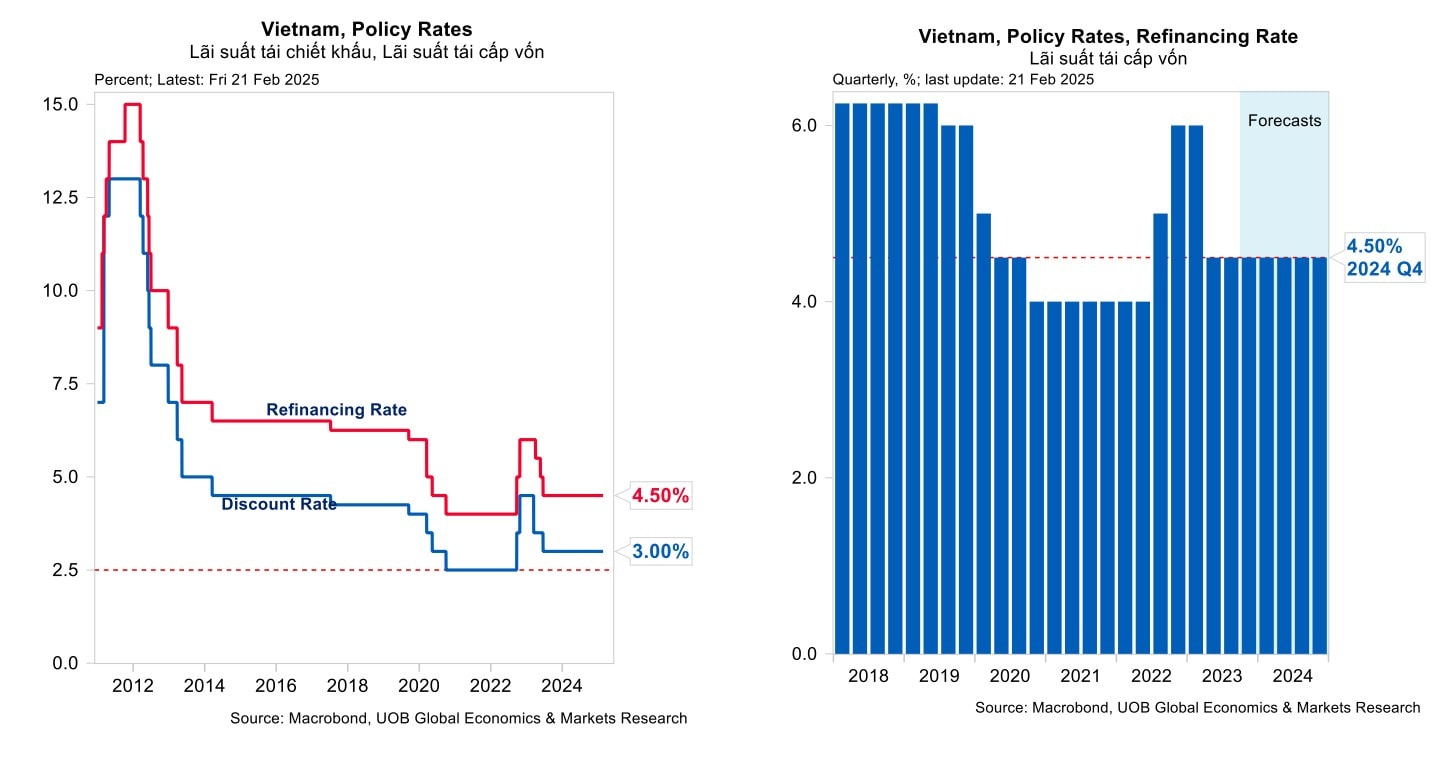
Conclusion
The question of where interest rates are headed is arguably the most critical economic query of our time. Central banks are meticulously weighing the ongoing battle against inflation against the imperative of sustaining economic growth. The path forward is fraught with complexity, influenced by a myriad of economic indicators, global events, and the delicate balance of policy decisions. While definitive predictions remain elusive, understanding the forces at play, the potential scenarios, and the broad impacts allows individuals, businesses, and investors to develop more robust and adaptable financial strategies. In an era of economic uncertainty, vigilance, flexibility, and informed decision-making are the most valuable assets.
aViewFromTheCave is a participant in the Amazon Services LLC Associates Program, an affiliate advertising program designed to provide a means for sites to earn advertising fees by advertising and linking to Amazon.com. Amazon, the Amazon logo, AmazonSupply, and the AmazonSupply logo are trademarks of Amazon.com, Inc. or its affiliates. As an Amazon Associate we earn affiliate commissions from qualifying purchases.