
In an increasingly digital financial world, the paper check might seem like a relic, yet it remains a fundamental instrument for countless transactions, from paying rent to receiving tax refunds. For anyone managing personal or business finances, understanding the anatomy of a check – particularly where to locate critical information like your account number – is not just useful, it’s essential for a myriad of financial tasks. This guide will demystify the humble check, highlighting the exact location of your account number and delving into why this knowledge is crucial for financial literacy, security, and seamless money management in both traditional and modern contexts.

Deconstructing the Anatomy of a Check: Your Financial Fingerprint
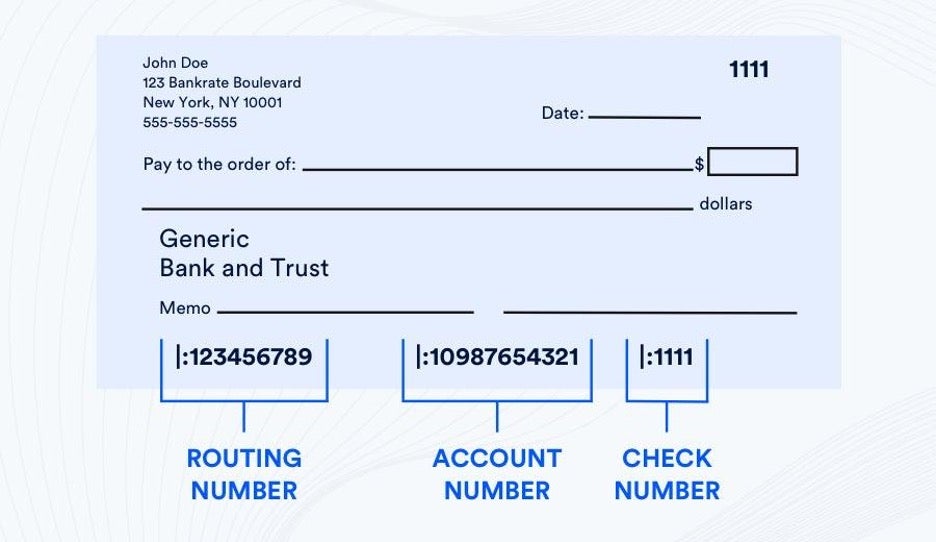
A standard personal or business check, despite its small size, is a meticulously designed financial document. Each element serves a specific purpose, collectively providing all the necessary information for a bank to process a transaction. At the bottom of every check, you’ll find a series of numbers printed in magnetic ink character recognition (MICR) font. This line of numbers is the key to understanding your banking identity.
The Routing Number: Your Bank’s Digital Address
The first set of numbers on the MICR line, usually nine digits long, is the routing number. This number acts like a digital address, identifying the specific financial institution where your account is held. Every bank has one or more unique routing numbers assigned by the American Bankers Association (ABA). When you write a check or set up a direct deposit, the routing number ensures that the funds are directed to the correct bank. Without it, the transaction wouldn’t know which institution to approach. It’s the initial gateway for any electronic or paper transaction involving your account.
The Account Number: Your Unique Identifier
Following the routing number, or sometimes sandwiched between the routing and check numbers depending on the bank, is your account number. This is your unique identifier within your bank, differentiating your specific checking or savings account from every other account at that institution. Typically ranging from 10 to 12 digits, this number is paramount. It’s the specific address within your bank where funds are to be debited from or credited to. When you set up direct deposits, automatic bill payments, or initiate wire transfers, this is the number that pinpoints your personal financial reservoir.
To find your account number on a check, look for the second set of numbers printed in the MICR line at the bottom of the check, usually following the routing number. It will be a string of digits distinct from the routing number and the check number. While its exact position can vary slightly between banks, it is consistently located in that lower section.
The Check Number: Tracking Your Transactions
The final set of numbers on the MICR line is the check number. This number matches the pre-printed check number in the upper right-hand corner of the check. It serves as a unique identifier for that specific check within your checkbook. Banks use this number, along with the routing and account numbers, to track individual transactions and ensure that no check is processed twice. When you reconcile your bank statements, the check number helps you match transactions to your own records, providing an organized trail of your expenditures.
Other Key Elements: Payee, Amount, Date, Signature
While not part of the MICR line, other elements on a check are equally crucial. The payee line specifies who the check is being written to. The amount in numbers and amount in words ensure clarity and prevent alteration of the payment sum. The date line indicates when the check was written, impacting its validity period. Finally, the signature line is where the account holder authorizes the payment, making the check a legally binding financial instruction. Understanding all these components contributes to robust financial management.
Why Knowing These Numbers Matters: Beyond Just Writing Checks
The utility of knowing your account number extends far beyond merely filling out a paper check. In today’s interconnected financial ecosystem, these digits are the backbone of numerous essential financial operations, empowering you to manage your money efficiently and securely.
Setting Up Direct Deposit and Automatic Payments
One of the most common applications for your account number is establishing direct deposit. Whether it’s your paycheck, government benefits, or a tax refund, direct deposit requires your bank’s routing number and your specific account number to ensure funds are electronically transferred directly into your account. This eliminates the need for physical checks and offers immediate access to your money. Similarly, setting up recurring bill payments – from utilities to loan installments – often necessitates providing your account and routing numbers for automated clearing house (ACH) transfers. This streamlines your financial obligations, helping you avoid late fees and manage your budget more effectively.
Initiating Wire Transfers and ACH Transactions
For larger or international transfers, wire transfers are a common method. These, too, rely heavily on your account and routing numbers, along with the recipient’s corresponding details, to ensure the funds reach the correct destination swiftly and securely. Domestically, ACH (Automated Clearing House) transactions are used for a wide range of electronic payments, including direct deposits, bill pay, and even person-to-person transfers through certain platforms. Understanding your account numbers is the first step in leveraging these efficient electronic payment systems, enabling you to send and receive money with ease.
Verifying Your Identity for Financial Services
Your account number often serves as a key piece of information for identity verification when interacting with your bank or other financial institutions. When calling customer service, applying for loans, or setting up new financial products, you might be asked to confirm your account number along with other personal details to ensure you are the legitimate account holder. This security measure helps protect your finances from unauthorized access and fraud.
Understanding Your Bank Statements
Regularly reviewing your bank statements is a cornerstone of good personal finance. While your statements typically don’t print your full account number for security reasons, they will reference your account. Knowing your account number helps you accurately identify which statement belongs to which account, especially if you have multiple accounts with the same bank. It empowers you to track deposits, withdrawals, and reconcile your transactions against your own records, helping you spot discrepancies or unauthorized activity promptly.
Security Best Practices for Your Check Information
Given the power and sensitivity of your account number, safeguarding this information is paramount. Like a house key, if it falls into the wrong hands, it can unlock access to your financial resources. Adopting robust security practices is a critical aspect of personal finance.
Safeguarding Physical Checks
Your physical checkbook should be treated with the same care as your wallet or credit cards.
- Store securely: Keep unused checks in a locked drawer or safe place, away from prying eyes.
- Shred old checks: Never just toss voided or expired checks in the trash. Always shred them thoroughly to prevent criminals from gleaning your account information.
- Monitor your checkbook: Keep track of the check numbers you’ve used and report any missing checks to your bank immediately.
- Be cautious when mailing: Avoid mailing checks from unsecured mailboxes, especially if they contain sensitive information or large amounts. Consider dropping them off directly at the post office or using online bill pay for better security.
Online and Digital Security Concerns
In the digital age, your account number can be exposed through various online channels.
- Secure websites: When entering your account information online for direct deposits or payments, ensure the website is secure (look for “https://” in the URL and a padlock icon).
- Phishing awareness: Be extremely wary of unsolicited emails or messages asking for your account number or other sensitive financial details. Banks will rarely ask for this information via email or text.
- Strong passwords: Use strong, unique passwords for all your online banking portals and financial apps.
- Public Wi-Fi caution: Avoid conducting sensitive financial transactions or accessing banking apps when connected to unsecured public Wi-Fi networks.
Recognizing and Preventing Check Fraud
Check fraud remains a persistent threat, even in the digital era. Understanding common tactics can help you protect yourself.
- Forged checks: Criminals might try to create counterfeit checks using stolen account information.
- Altered checks: Legitimate checks can be intercepted and altered (e.g., changing the payee or amount).
- Check washing: A technique where criminals chemically remove ink from checks to rewrite them.
- Prevention: Regularly review your bank statements for suspicious activity, balance your checkbook, and utilize your bank’s fraud monitoring services. Report any suspicious checks or transactions immediately.
What to Do if Your Information is Compromised
If you suspect your account number or other check information has been compromised:
- Contact your bank immediately: Report the potential fraud and ask them to freeze your account or issue a new one.
- Monitor your accounts: Keep a close eye on all your financial accounts for any unauthorized activity.
- Report to authorities: File a report with your local police department and the Federal Trade Commission (FTC) at IdentityTheft.gov.
- Consider a credit freeze: If other personal information might also be compromised, consider placing a freeze on your credit reports with the major credit bureaus.
The Evolution of Payments: Checks in a Digital Age
While paper checks are still relevant, their role has undeniably shifted with the advent of digital payment technologies. Understanding this evolution is key to navigating modern financial landscapes.
The Decline of Paper Checks
Decades ago, paper checks were the predominant method for paying bills and transferring funds. However, with the rise of debit cards, credit cards, online banking, and peer-to-peer payment apps, the volume of checks written has steadily declined. Many younger generations have never even written a check. This shift is driven by the convenience, speed, and often enhanced security of electronic transactions.
Digital Alternatives: Zelle, PayPal, Venmo
Today, individuals have a plethora of digital options for sending and receiving money without ever touching a paper check. Platforms like Zelle, integrated with many banking apps, allow instant bank-to-bank transfers using just an email address or phone number. PayPal, Venmo, and Cash App facilitate quick payments between individuals and businesses, often linking directly to bank accounts or debit cards. These tools abstract away the need to manually input routing and account numbers for every transaction, simplifying the process for the end-user while still relying on the underlying banking infrastructure.
The Enduring Niche of Checks: Specific Use Cases
Despite the digital surge, checks haven’t disappeared entirely. They maintain an important niche in specific scenarios:
- Large transactions: For large purchases like down payments on a house or car, a cashier’s check or certified check might be required, offering guaranteed funds.
- Business payments: Many businesses still rely on checks for payroll, vendor payments, and receiving payments from customers, especially smaller businesses or those dealing with older financial systems.
- Situations requiring proof of payment: A cancelled check can serve as legal proof of payment in disputes.
- Gifts: While less common, some still prefer to give monetary gifts via check for personal touch or for occasions like weddings.
- Backup method: In cases of internet outages or technical glitches, a paper check can serve as a reliable backup payment method.

The Future of Account Number Verification
As technology advances, the way we use and verify account information continues to evolve. Biometric authentication (fingerprint, facial recognition), multi-factor authentication, and tokenization (replacing sensitive data with unique symbols) are becoming standard, adding layers of security that move beyond simply needing to know a string of numbers. While the underlying account number will always be essential to the banking system, how we interact with and protect that information is becoming increasingly sophisticated, requiring a proactive approach to financial security from every account holder.
In conclusion, knowing “where are account numbers on checks” is far more than an academic exercise. It’s fundamental to navigating personal finance, securing your assets, and leveraging the full suite of financial tools available today. By understanding the components of a check and implementing robust security practices, you empower yourself to manage your money with confidence and competence in a financial landscape that continually balances tradition with innovation.
aViewFromTheCave is a participant in the Amazon Services LLC Associates Program, an affiliate advertising program designed to provide a means for sites to earn advertising fees by advertising and linking to Amazon.com. Amazon, the Amazon logo, AmazonSupply, and the AmazonSupply logo are trademarks of Amazon.com, Inc. or its affiliates. As an Amazon Associate we earn affiliate commissions from qualifying purchases.