
For over two decades, the physical manifestation of the Apple brand has served as a masterclass in corporate identity and strategic positioning. When we ask “where” an Apple Store is located, the answer is rarely a matter of simple convenience or high-traffic logistics. Instead, the placement of an Apple Store is a deliberate exercise in brand storytelling, real estate dominance, and the creation of a “secular cathedral” for the modern digital age. The strategy behind these locations reflects a profound understanding of how physical space can amplify a brand’s perceived value, shifting the retail experience from a mere transactional exchange to a cultural immersion.

The Strategic Geography of Prestige
Apple’s retail strategy is built upon the principle of scarcity and prestige. Unlike competitors who might aim for ubiquity through thousands of smaller outlets, Apple meticulously selects “A-tier” real estate that reinforces its position as a luxury technology leader. The “where” of an Apple Store is dictated by a specific set of demographic and psychographic markers: high-income density, proximity to other luxury brands, and historical or architectural significance.
The brand’s preference for flagship locations in the world’s most expensive retail corridors—such as Fifth Avenue in New York, Regent Street in London, and the Ginza district in Tokyo—serves a dual purpose. First, it captures the highest possible foot traffic from a target demographic that views technology as a lifestyle choice rather than a utility. Second, it creates a “halo effect.” By positioning a store adjacent to legacy luxury houses like Louis Vuitton or Cartier, Apple subconsciously anchors its hardware in the same category of craftsmanship and social status.
This selection process is not merely about selling iPhones; it is about establishing a permanent landmark. The presence of an Apple Store often acts as an anchor for a neighborhood, driving up property values and attracting other high-end retailers. This phenomenon, often referred to as the “Apple Effect,” demonstrates the brand’s power to redefine the commercial landscape of an entire city block based solely on its choice of location.
The Anchor Tenant Strategy
In suburban environments, Apple’s placement within premium shopping malls is equally calculated. They almost always occupy the most visible, central locations. By securing long-term leases in these “power centers,” Apple ensures that it remains the focal point of the consumer’s journey. The store becomes a destination in its own right, often being the primary reason a customer visits the mall, thereby giving Apple significant leverage in lease negotiations and mall design influence.
Urban Integration and the Global Flagship
Apple’s global flagships represent the pinnacle of their brand strategy. These are not just stores; they are architectural statements. By selecting sites with historical significance—such as the converted Carnegie Library in Washington, D.C., or the refurbished theater on Broadway in Los Angeles—Apple positions itself as a steward of culture. This approach softens the image of a massive multinational corporation, presenting it instead as a brand that respects and enhances the local heritage of the cities it inhabits.
Architectural Storytelling and Corporate Identity
The design of an Apple Store is an extension of the brand’s product philosophy: minimalism, transparency, and the seamless integration of form and function. When a consumer walks into an Apple Store, they are experiencing the brand’s design language in three dimensions. The “where” of the store is inseparable from “what” the store looks like, as the architecture itself communicates the brand’s core values.
Transparency and the Glass Aesthetic
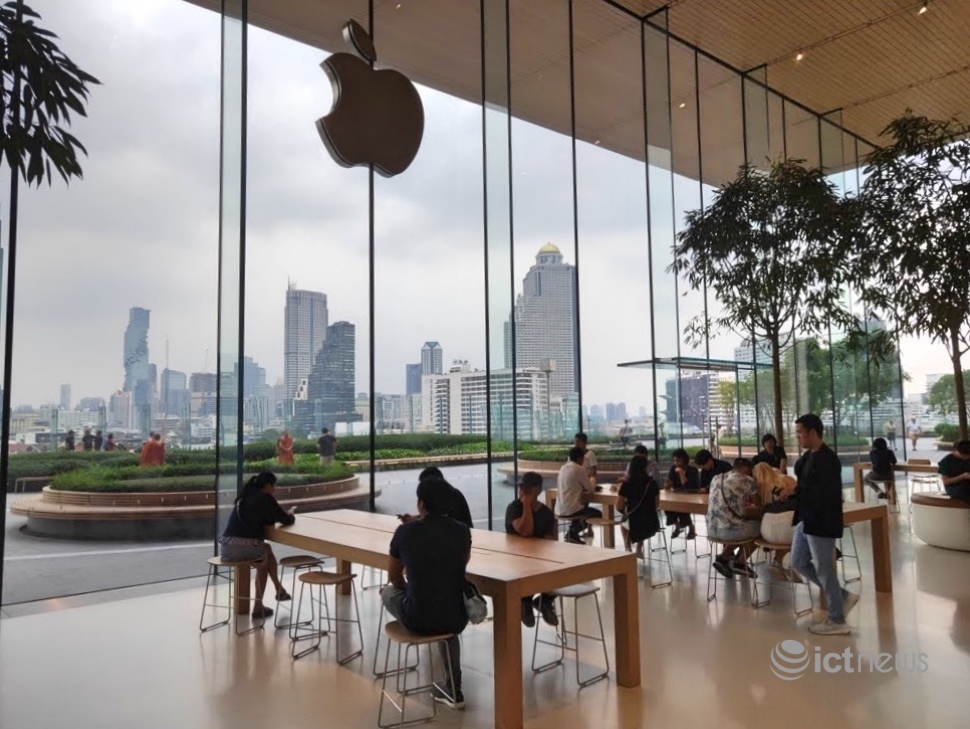
The use of structural glass is perhaps the most iconic element of Apple’s retail identity. From the famous glass cube on Fifth Avenue to the sweeping glass facades of its newer “Town Square” concepts, transparency is a deliberate branding choice. It suggests openness and accessibility, inviting the public to look in and see the “magic” happening inside. Internally, this transparency removes the traditional barriers between the customer and the product. There are no locked display cases; the devices are powered on, connected to the internet, and ready to be touched. This level of physical intimacy with the product is a key driver of brand loyalty.
Materiality as a Brand Cue
Apple’s choice of materials—Italian Pietra Serena sandstone, bead-blasted stainless steel, and sustainably sourced white oak—mirrors the materials used in their devices. The consistency between the tactile experience of a MacBook and the tactile experience of the store’s interior creates a unified brand ecosystem. This attention to detail reinforces the idea that Apple is a company of “makers” who care as much about the grain of a wooden table as they do about the pixels on a screen.
Minimalism and the De-cluttered Mindset
The layout of an Apple Store is a physical representation of its software user interface: clean, intuitive, and devoid of unnecessary clutter. By eschewing traditional retail tropes like aggressive signage, cluttered checkout counters, and cramped aisles, Apple creates a sense of calm and focus. This environment allows the products to stand out as pieces of art, further elevating the brand’s status. The absence of traditional cash registers—replaced by mobile checkout via the Apple Store app or handheld devices used by staff—removes the final friction point of the retail experience, making the act of buying feel as seamless as using an iPhone.

The “Town Square” Evolution: Retail as a Social Hub
Under the leadership of former retail heads like Angela Ahrendts, Apple shifted its retail philosophy from being a “store” to being a “Town Square.” This strategic pivot changed the “where” of Apple Stores from a place of commerce to a place of community. The goal was to create a space where people could gather, learn, and be inspired, effectively turning the brand into a social institution.
Today at Apple and the Educational Pillar
The introduction of “Today at Apple” sessions—free workshops on photography, coding, music production, and design—transformed the stores into classrooms. By offering these services, Apple ensures that their physical locations remain relevant in an era of increasing e-commerce dominance. People visit the store not just to buy a product, but to learn how to use that product to express their creativity. This builds a deeper, more emotional connection with the brand, moving beyond a functional relationship to an aspirational one.
The Genius Bar and the Trust Factor
The Genius Bar remains one of the most successful retail innovations in history. By dedicating a significant portion of their prime real estate to “support” rather than “sales,” Apple builds immense brand trust. The location of the Genius Bar at the back of the store requires customers to walk past the latest products, but the focus remains on service. This face-to-face interaction humanizes the brand and reinforces the idea that Apple is a partner in the customer’s digital life, not just a vendor.
Public Seating and Green Spaces
Many modern Apple Stores feature “The Forum,” a large seating area with a high-resolution video wall, and “The Genius Grove,” where trees are integrated into the store’s interior. These design elements encourage customers to linger. In a brand strategy context, “dwell time” is a critical metric. The longer a customer stays in the environment, the more immersed they become in the ecosystem, and the more likely they are to perceive the brand as a central part of their daily routine.
Preserving History: The Brand as a Guardian of Culture
One of the most sophisticated aspects of Apple’s location strategy is its commitment to historical preservation. In major global capitals, Apple has moved away from the “cookie-cutter” glass box in favor of restoring landmark buildings. This strategy allows the brand to borrow the prestige of the building’s history while demonstrating its own commitment to craftsmanship and longevity.
Case Study: Apple Via del Corso, Rome
Located in the 19th-century Palazzo Marignoli, Apple Via del Corso is a prime example of brand-as-preservationist. The project involved restoring intricate ceiling paintings, marble wall panels, and grand staircases. By choosing this location, Apple didn’t just open a shop in Rome; it became a part of Rome’s architectural history. For the consumer, this creates an experience that feels timeless and deeply rooted in excellence—traits that Apple wants associated with its brand identity.
Case Study: Apple Tower Theatre, Los Angeles
In downtown LA, Apple restored a 1927 movie palace that had sat derelict for decades. The restoration of the Tower Theatre was not just a retail opening; it was a civic event. By revitalizing a piece of the city’s cultural fabric, Apple garnered significant positive PR and established itself as a brand that gives back to the urban environment. This “where” strategy moves the brand away from the image of a cold technology giant and toward that of a culturally sensitive patron of the arts.
The Future of Apple’s Physical Footprint
As digital commerce continues to evolve, the “where” of the Apple Store is becoming increasingly integrated with the “where” of the digital experience. The physical store is no longer the final destination of the customer journey; it is a critical touchpoint in a “phygital” (physical + digital) ecosystem.
The Logistics of Instant Gratification
Apple’s stores are increasingly serving as micro-fulfillment centers. With features like “Apple Pickup,” the physical location becomes an extension of the online store, allowing for a seamless transition between the two. The brand strategy here is to provide the ultimate convenience without sacrificing the premium experience. Even a quick pickup in-store exposes the customer to the brand’s aesthetic and the energy of the “Town Square,” reinforcing the identity even in a short interaction.
The Store as an Ecosystem Entry Point
For many customers, the physical store is their first interaction with the broader Apple ecosystem, including services like Apple Music, Apple TV+, and iCloud. The stores are designed to demonstrate how these services work across different hardware devices. By placing stores in high-visibility areas, Apple ensures that it is always top-of-mind as the entry point for a lifestyle defined by interconnected technology.
In conclusion, “where” an Apple Store is located is a profound reflection of the company’s brand strategy. It is a calculated blend of prestige real estate, architectural storytelling, community building, and cultural preservation. These physical spaces do more than sell products; they manufacture the desire, trust, and loyalty that have made Apple one of the most valuable brands in human history. The store is the brand’s most powerful physical ambassador, proving that in the digital age, the right physical location is more important than ever.
aViewFromTheCave is a participant in the Amazon Services LLC Associates Program, an affiliate advertising program designed to provide a means for sites to earn advertising fees by advertising and linking to Amazon.com. Amazon, the Amazon logo, AmazonSupply, and the AmazonSupply logo are trademarks of Amazon.com, Inc. or its affiliates. As an Amazon Associate we earn affiliate commissions from qualifying purchases.