
American Express, often synonymous with premium financial services and exclusive rewards, holds a unique position in the global payments landscape. Its distinctive green, gold, and platinum cards are coveted by many for their robust benefits, concierge services, and loyalty programs. However, despite its prestigious image and powerful brand, there remains a persistent question for many consumers and businesses alike: “Where is American Express not accepted?” This seemingly simple query unravels a complex interplay of financial decisions, business strategies, and technological infrastructures that directly impact personal and business finance.

Understanding the limitations of Amex acceptance is not merely about consumer inconvenience; it’s a window into the economics of payment processing, merchant profitability, and the strategic choices businesses make to manage costs and serve their customer base. From small independent shops to international destinations, the areas where American Express falls short reveal fundamental differences in its business model compared to its rivals, Visa and Mastercard, and shed light on crucial financial considerations for all parties involved.
The Core Challenge: Understanding Amex’s Acceptance Gap
The primary reason behind American Express’s more limited acceptance compared to its major competitors, Visa and Mastercard, lies in its unique operational model and the associated costs for merchants. Unlike Visa and Mastercard, which operate as payment networks facilitating transactions between banks, American Express traditionally functions as both the card issuer and the network operator. This “closed-loop” system, while offering greater control and a direct relationship with cardmembers, comes with distinct financial implications.
A Legacy of Premium and Higher Fees
Historically, American Express has positioned itself as a premium card issuer, targeting affluent consumers with higher spending power. This strategy allowed them to justify charging merchants higher “interchange” or discount rates—the fees businesses pay for processing card transactions. These higher fees, often ranging from 2.5% to 3.5% (and sometimes more for certain premium cards or specific industries), significantly exceed the rates typically charged by Visa and Mastercard, which often fall between 1.5% and 2.5%.
For many businesses, especially those operating on thin margins, these higher fees directly eat into profitability. While a small percentage might seem negligible on an individual transaction, it accumulates rapidly, becoming a substantial operational cost. This financial burden is the single most critical factor influencing a merchant’s decision to accept or decline Amex cards. They must weigh the potential for increased sales from Amex cardholders against the reduced profit margin on each transaction.
The Merchant’s Dilemma: Balancing Cost and Customer Service
Merchants face a perpetual balancing act: how to maximize revenue while minimizing operational costs, all while providing excellent customer service. The decision to accept American Express cards directly impacts this equation. On one hand, refusing Ames can mean losing a sale from a customer who only carries or prefers to use their Amex card, potentially alienating a valuable segment of the market—often higher-spending individuals. On the other hand, accepting Amex means higher transaction costs, which can either reduce profit margins or necessitate price increases, potentially making the business less competitive.
For many, particularly small to medium-sized enterprises (SMEs), the choice often comes down to pure economics. If the volume of Amex transactions is low, or if their profit margins are tight, the cost of accepting Amex may outweigh the benefits of accommodating a smaller segment of their customer base. This is a cold, hard financial calculation that every business owner must perform, often with the guidance of their payment processor.
Network Size and Infrastructure
Another contributing factor to Amex’s acceptance gap is the sheer ubiquity and historical market penetration of Visa and Mastercard. Having operated for longer and with a broader banking partnership model, Visa and Mastercard have built an unparalleled global network of merchants, point-of-sale (POS) systems, and financial infrastructures.
While American Express has made significant strides in expanding its network, particularly in key markets and with major retailers, it still trails the sheer scale of its rivals. In some regions, especially internationally or in areas with less developed payment systems, the necessary infrastructure to process Amex transactions might simply not be in place, or the local banks and payment aggregators may not have established partnerships with American Express. This network difference means that even if a merchant wanted to accept Amex, the technical and logistical channels might not always be readily available or cost-effective to implement.
Common Scenarios for Amex Non-Acceptance
Understanding the underlying reasons for non-acceptance helps illuminate the specific scenarios where consumers are most likely to encounter issues using their American Express cards. These situations often involve businesses sensitive to transaction costs or operating in environments with specific payment infrastructure challenges.
Small Businesses and Independent Retailers
One of the most common places to find Amex non-acceptance is among small businesses, independent boutiques, local restaurants, and mom-and-pop shops. These businesses often operate on very tight margins, making them highly sensitive to transaction fees. For an independent coffee shop, for instance, a 3% fee on a $5 coffee might seem small, but across hundreds of transactions daily, it quickly adds up. A small business owner might calculate that losing a handful of potential Amex-only customers is less financially detrimental than absorbing significantly higher fees on every Amex transaction. Their business finance strategy prioritizes cost control to maintain viability.
International Travel and Lesser-Developed Payment Infrastructures
When traveling abroad, American Express cardholders often discover a broader gap in acceptance, particularly outside of major tourist hubs and large cities. While Amex is widely accepted in major metropolitan areas and with international hotel chains, airlines, and high-end retailers globally, its presence dwindles significantly in smaller towns, local eateries, markets, and less-developed economies.
This is largely due to the varying levels of financial infrastructure development, different market penetration strategies by payment networks, and the often higher interchange fees. In many countries, local banks and payment processors might have stronger ties with Visa and Mastercard, making it easier and cheaper for local merchants to onboard those networks. For international personal finance planning, carrying a backup Visa or Mastercard is almost always a necessity for Amex cardholders.
Certain Industries and Transaction Types
Specific industries also tend to have lower Amex acceptance rates. Businesses with extremely low-profit margins, such as some discount retailers, gas stations (especially for smaller purchases), or certain government services and utilities, may opt out. For example, some utility companies or public transport systems might not accept Amex because the operational overhead and fees outweigh the benefits, especially when their customer base is diverse and not specifically targeting affluent cardholders. Even some online merchants, particularly niche platforms or those just starting out, might simplify their payment processing by only supporting Visa and Mastercard to keep costs down.
Online Merchants and Niche Platforms
While the e-commerce landscape is generally more accepting of various payment methods, there are still instances where online merchants, especially smaller ones or those using specific payment gateways, might not support American Express. This could be due to the cost implications, the complexity of integrating multiple payment options, or simply a strategic decision based on their target audience’s payment preferences. For a new online entrepreneur managing their business finance, streamlining payment options can reduce overhead and simplify accounting.
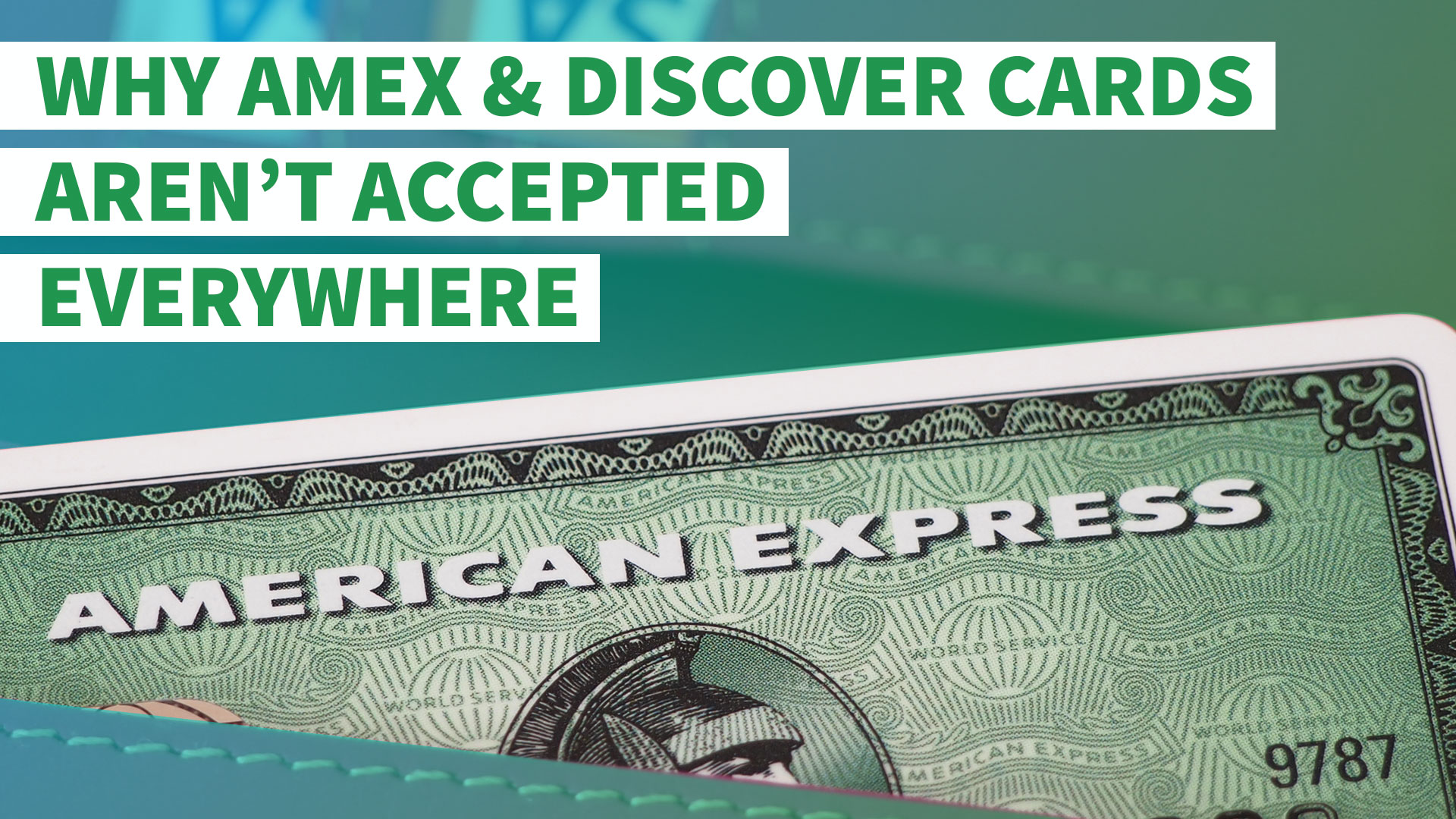
The Financial Ramifications for Consumers and Businesses
The landscape of Amex acceptance has direct and indirect financial consequences for both the cardholders who wield these powerful financial tools and the businesses that choose whether to accept them.
Consumer Inconvenience and Missed Rewards
For consumers, the most immediate impact is inconvenience. Finding out your preferred payment method is not accepted can be frustrating, especially if you rely on Amex for specific rewards categories (e.g., travel, dining) or if it’s your primary card. This forces consumers to carry multiple cards, potentially forego valuable rewards points, or even abandon a purchase if they don’t have an alternative payment method. From a personal finance perspective, it undermines the value proposition of a premium card designed to simplify and reward spending. It also creates friction, turning what should be a seamless transaction into a moment of anxiety.
Business Implications: Lost Sales and Customer Experience
For businesses, not accepting American Express can translate into lost sales and a potentially negative impact on customer experience. While avoiding higher transaction fees seems financially prudent, it risks turning away a segment of customers who often have higher discretionary income. A customer unable to use their preferred card might choose to shop elsewhere, leading to lost revenue. Moreover, the perception of a business that doesn’t accept a widely recognized payment method can subtly impact its image, potentially signaling a less customer-friendly or technologically backward operation, even if that’s not the case. Business finance must consider not just direct costs, but also opportunity costs and intangible factors like customer goodwill.
The Role of Payment Processors and Merchant Agreements
Payment processors act as intermediaries between merchants and card networks. Their agreements with merchants dictate which card brands are accepted and at what rates. Many smaller merchants work with third-party payment service providers (PSPs) who bundle various card networks. While these PSPs often include Amex, the higher fees for Amex processing are transparently passed on to the merchant. The terms of these agreements are crucial for a merchant’s business finance planning, as they determine the actual cost of accepting different payment methods. Sometimes, a merchant might choose a payment processor that offers more favorable rates for Visa/Mastercard but has less competitive Amex rates, further influencing the acceptance decision.
Amex’s Strategic Efforts to Expand Acceptance
Recognizing the challenges of its acceptance gap, American Express has actively pursued strategies to broaden its reach and make its cards more appealing for merchants to accept. These initiatives demonstrate a clear understanding of the financial drivers behind merchant decisions.
Optimizing Merchant Fee Structures
In recent years, American Express has made significant efforts to adjust its fee structures, particularly for small businesses, to become more competitive with Visa and Mastercard. Programs like “OptBlue” (in the U.S.) allow eligible small businesses to process Amex transactions through third-party processors at rates more comparable to other card networks. This move aims to directly address the primary financial hurdle for many merchants and make Amex a more financially viable option. This strategic adjustment is a crucial part of Amex’s business finance and market penetration strategy.
Partnerships and Incentives for Small Businesses
Beyond fee adjustments, Amex has invested in various programs and partnerships designed to encourage small business acceptance. Initiatives like “Small Business Saturday” not only promote shopping at local businesses but also often come with incentives for merchants to accept Amex. By offering marketing support, training, and sometimes even direct financial incentives, Amex seeks to build goodwill and demonstrate the value of serving its cardmember base. This is a multi-pronged approach that leverages marketing, community engagement, and financial incentives to expand its footprint.
Global Expansion and Digital Integration
American Express continues to expand its global footprint, forging partnerships with banks and payment processors in new markets to enhance acceptance, especially in developing economies. Concurrently, it has heavily invested in digital payment solutions, ensuring its cards are seamlessly integrated into mobile wallets (Apple Pay, Google Pay, Samsung Pay) and online payment gateways. This digital push is crucial in an increasingly cashless world, aiming to make Amex as convenient and widely accepted in the digital realm as any other card. This focus on digital integration and global partnerships is essential for its long-term growth and relevance in the evolving financial landscape.
Navigating the Landscape: Advice for Consumers and Merchants
Given the nuances of Amex acceptance, both consumers and merchants can adopt strategies to mitigate issues and optimize their financial interactions.
For Consumers: Always Have a Backup Plan
The golden rule for Amex cardholders, especially when traveling or visiting new establishments, is to always have a backup payment method. This could be a Visa or Mastercard, or even some cash for smaller transactions. Before making a significant purchase, especially from an unknown vendor or in a new location, it’s wise to quickly check for “American Express accepted” decals or ask directly. Utilizing mobile payment apps can also sometimes reveal accepted cards, as these apps often have broader network acceptance. Personal finance management dictates preparedness, and having diverse payment options is a key component of that.
For Merchants: Weighing the Costs and Benefits
For businesses contemplating whether to accept American Express, a thorough cost-benefit analysis is essential. Merchants should calculate the potential volume of Amex transactions, consider the average transaction size, and compare the Amex discount rates with those of other card networks. It’s also vital to consider the demographic of Amex cardholders—do they represent a high-value customer segment that the business can afford to lose?
With Amex’s adjusted fee structures through programs like OptBlue, it’s worth re-evaluating if the costs have become more competitive. Payment processors can provide detailed breakdowns of fees for all card types. Ultimately, the decision should align with the business’s overall financial strategy, customer acquisition goals, and commitment to providing a comprehensive customer experience. Business finance isn’t just about minimizing costs; it’s about optimizing revenue and customer satisfaction.

The Future of Payment Acceptance
The payment landscape is continually evolving, driven by technological advancements and shifting consumer preferences. We are moving towards a more interconnected and interoperable financial system. As American Express continues to innovate, adjust its fee structures, and expand its partnerships, the acceptance gap is likely to narrow further. The rise of digital wallets and contactless payments also contributes to more seamless transactions, often abstracting the underlying card network from the point of interaction.
For both consumers and businesses, staying informed about these changes is crucial for effective personal and business finance management. While Amex may never achieve the absolute ubiquity of Visa and Mastercard due to its distinct business model, its strategic efforts are ensuring it remains a powerful and increasingly present player in the global payments arena. The question “where is American Express not accepted” will likely continue to yield fewer and fewer answers as the financial world moves towards greater inclusivity and choice in payment methods.
aViewFromTheCave is a participant in the Amazon Services LLC Associates Program, an affiliate advertising program designed to provide a means for sites to earn advertising fees by advertising and linking to Amazon.com. Amazon, the Amazon logo, AmazonSupply, and the AmazonSupply logo are trademarks of Amazon.com, Inc. or its affiliates. As an Amazon Associate we earn affiliate commissions from qualifying purchases.